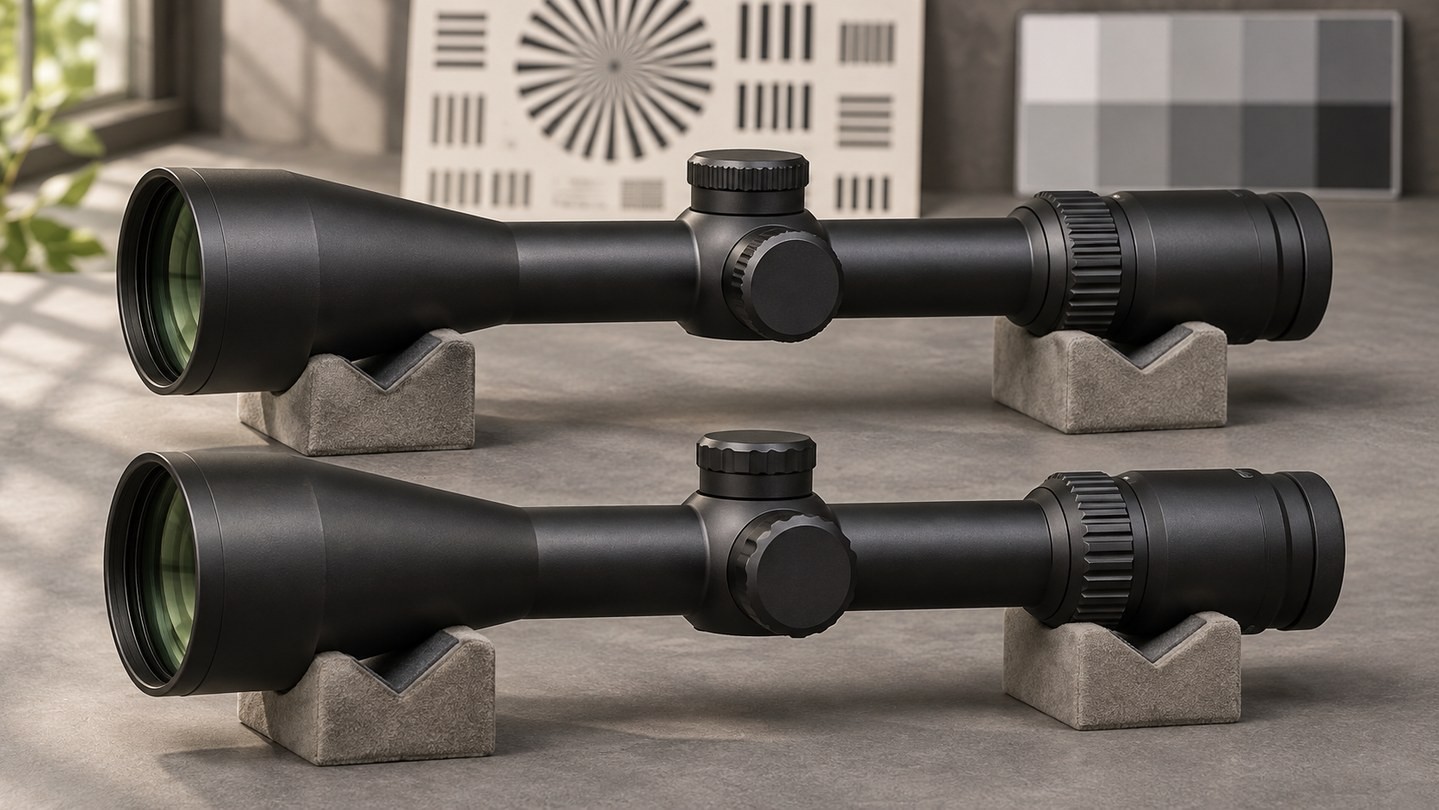
Two rifle scopes can have almost the same overall length and still behave very differently in the rings. One may slide far enough forward or rearward to give comfortable eye relief. The other may run out of usable tube before your eye reaches the right position.
The missing specification is often mounting length: the straight, unobstructed main-tube space available for the rings. It is not the same as overall length, tube diameter or ring spacing. Understanding the difference can prevent a scope, mount and rifle from looking compatible on paper but refusing to fit as a complete system.
What Does Mounting Length Mean?
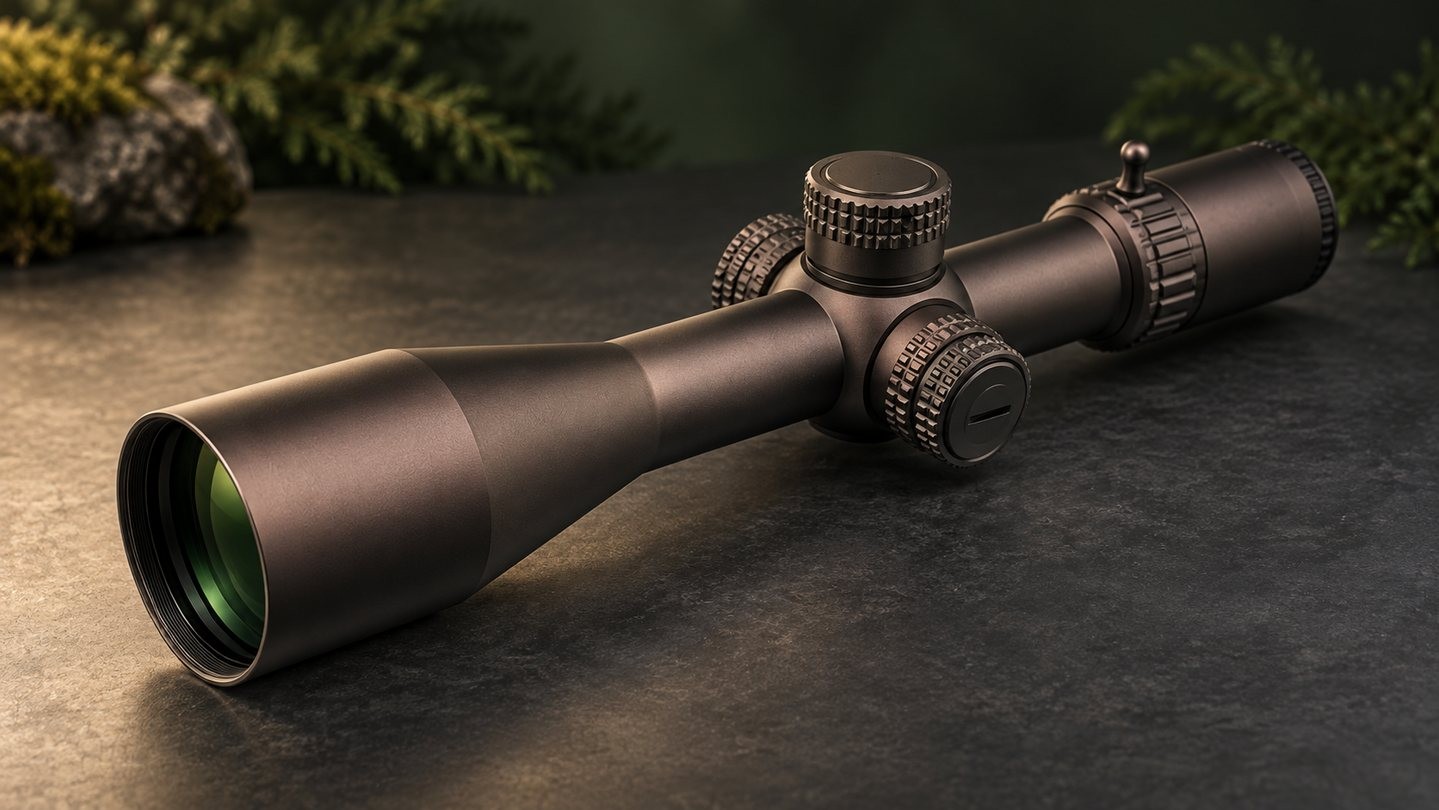
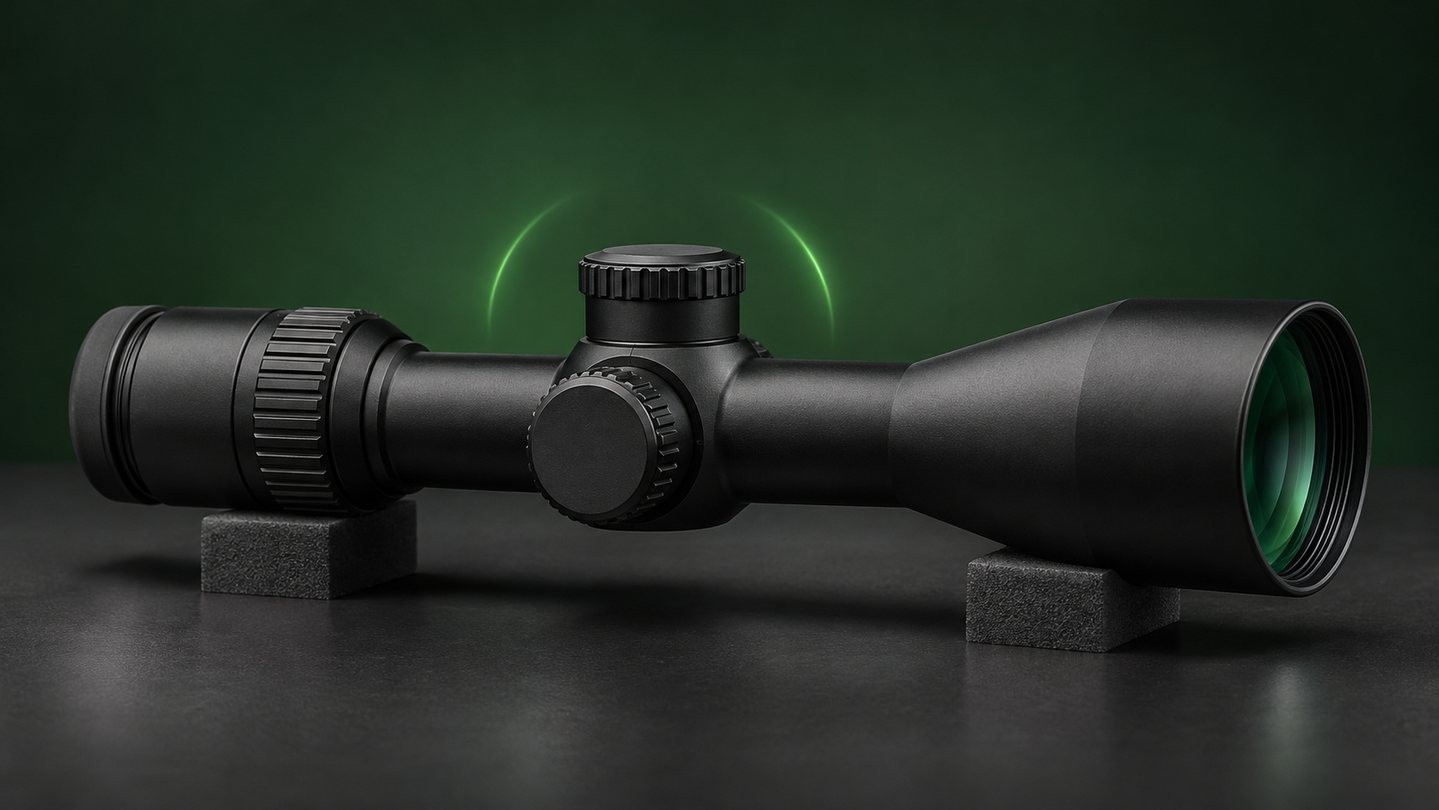
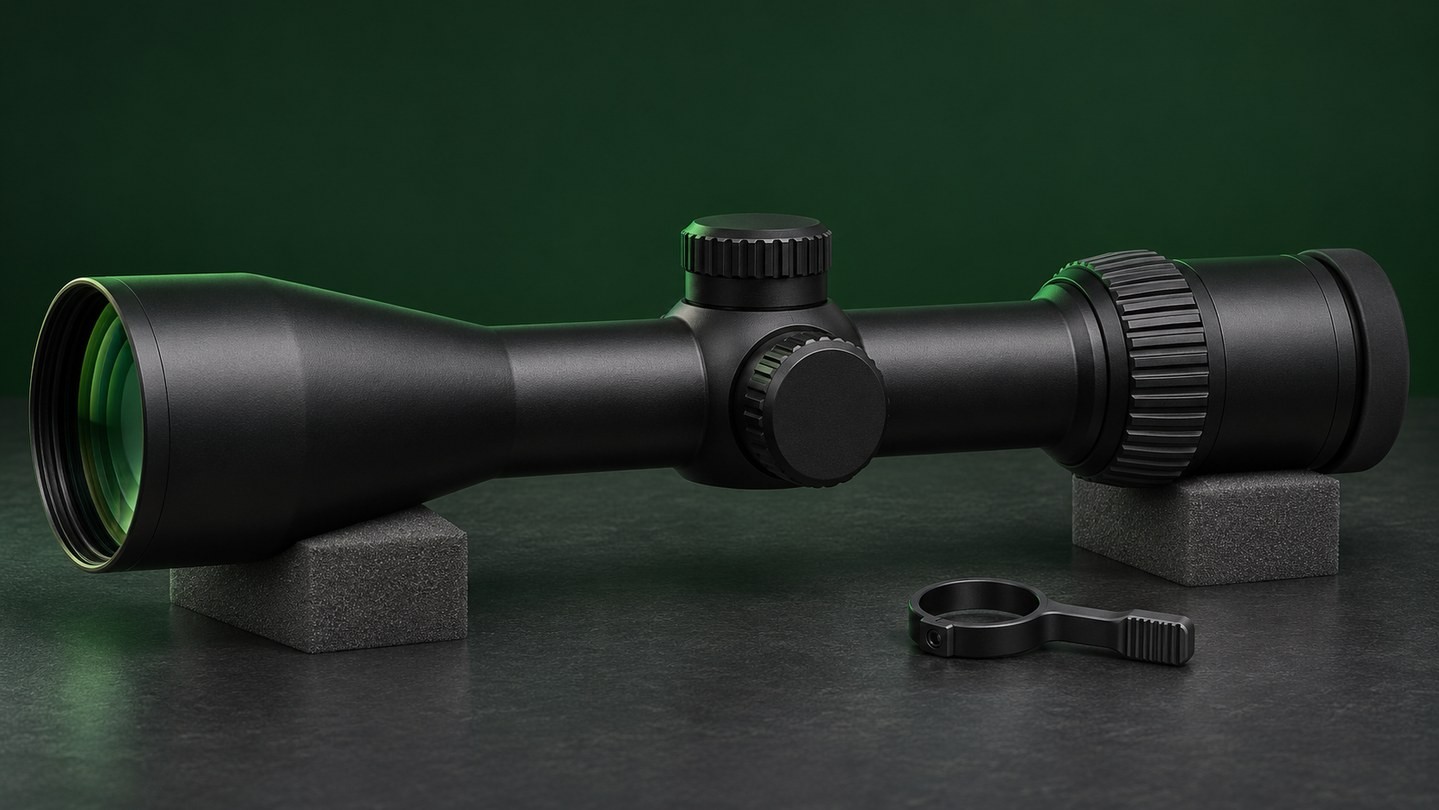
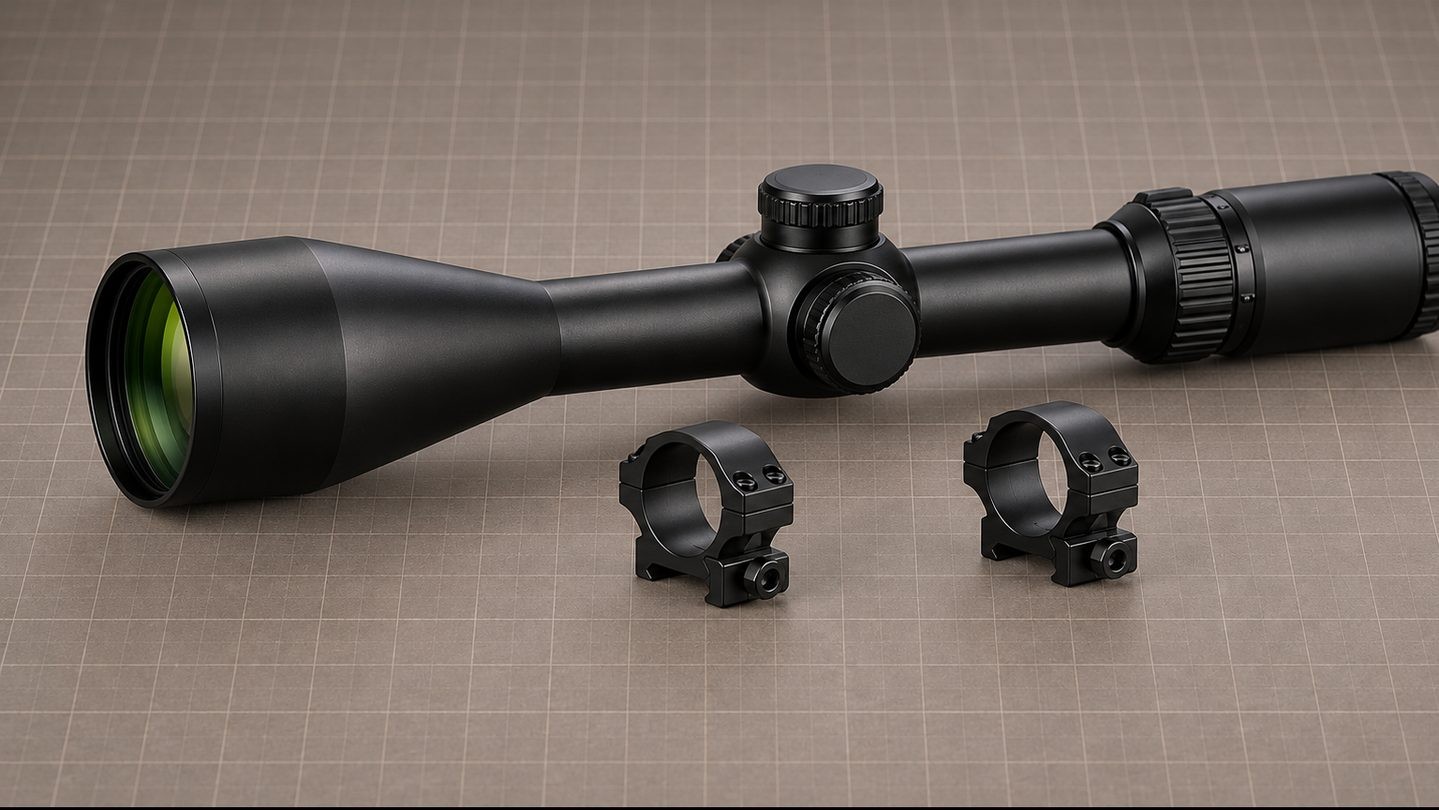
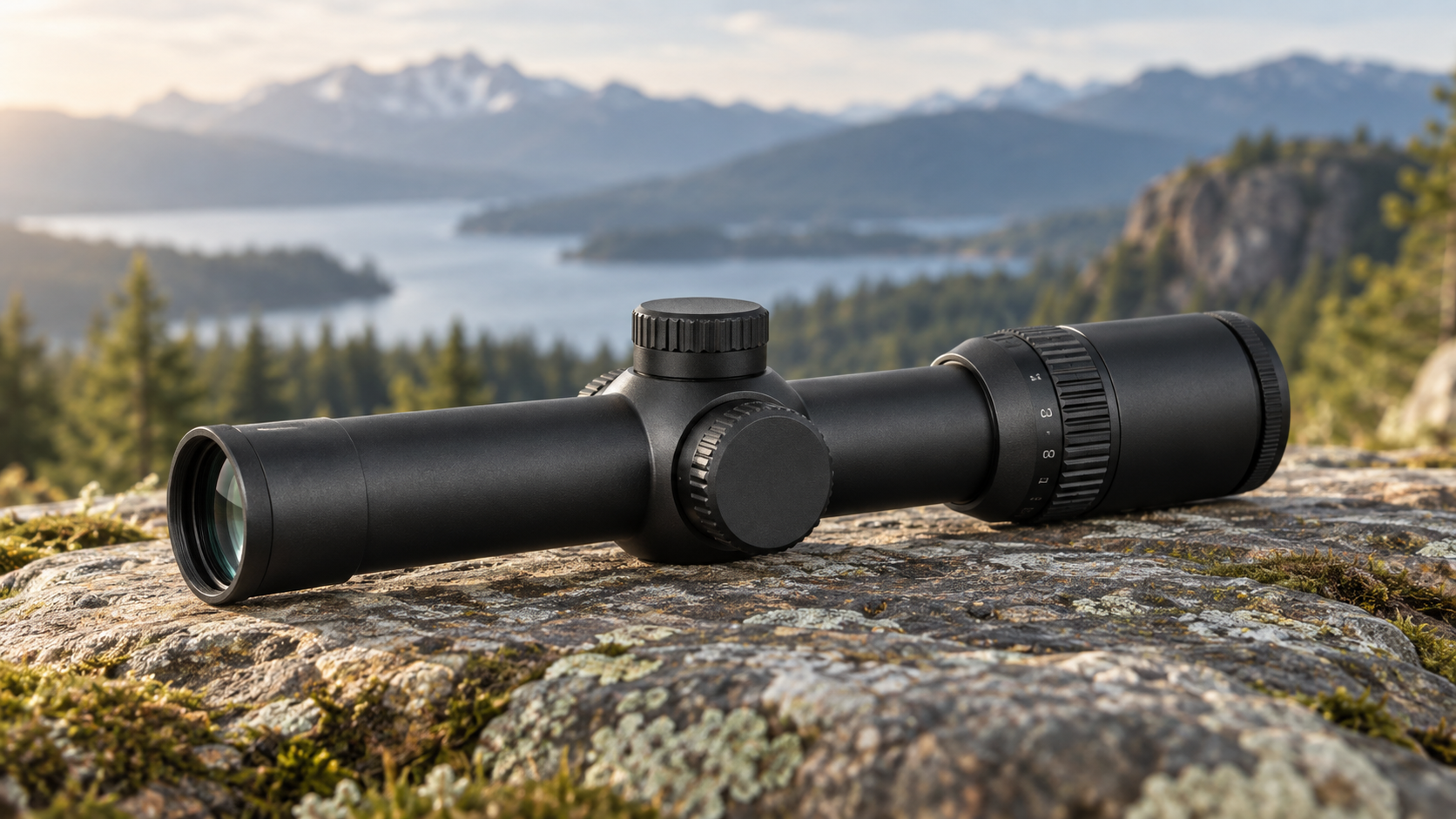
Mounting length describes the usable straight tube around the turret saddle where scope rings may be positioned. Some dimension drawings give one combined mounting length. Others show separate front and rear straight-tube sections because the turret housing divides them.
The exact dimension and reference points depend on the manufacturer, so treat the maker's drawing as authoritative for that model. If no mounting-length figure is published, a scaled product photo is not a reliable substitute. Ask for a dimensioned drawing or measure the actual optic before buying fixed-spacing hardware.
This is separate from main-tube diameter. A scope may use a 30 mm tube yet provide very little fore-and-aft room on one side of the turret. The 1-inch, 30 mm and 34 mm scope-tube guide explains the diameter question; mounting length answers where a correctly sized ring can actually sit.
Overall Length And Mounting Length Are Different
Overall length normally runs from the front of the objective housing to the rear of the eyepiece. Much of that distance may be unusable for rings. The objective bell widens, the turret saddle interrupts the tube, and the power ring or eyepiece occupies the rear.
A longer scope therefore does not automatically provide more mounting flexibility. It may have a long objective bell or eyepiece but short straight sections. A compact scope can also be awkward if the available ring areas do not line up with the receiver, bases or rail slots.
That is why the scope weight and length guide treats overall size as only one part of fit. For ring compatibility, you need the shape and position of the usable sections, not just the end-to-end number.
The Tube Is Not Mountable Everywhere
Rings are intended to clamp the correct straight main-tube sections. They should not be moved onto the objective taper, turret saddle, power ring, eyepiece or another control merely to make the spacing work. Those surfaces differ in shape and purpose, and forcing a ring onto them can create poor contact, interfere with operation or damage the scope.
Keep clear of control transitions and follow the scope and ring makers' instructions. Manufacturer guidance can specify clearance around a power selector or another model-specific feature. That value is not automatically universal, so use it only for the equipment named in the instructions.
If ring diameter is correct but the ring edge lands on a taper, the system still does not fit. Changing to a taller ring will not create more straight tube; height and mounting length solve different problems. Use the scope ring-height guide for objective and sight-line clearance.
Why Ring Spacing Changes Compatibility
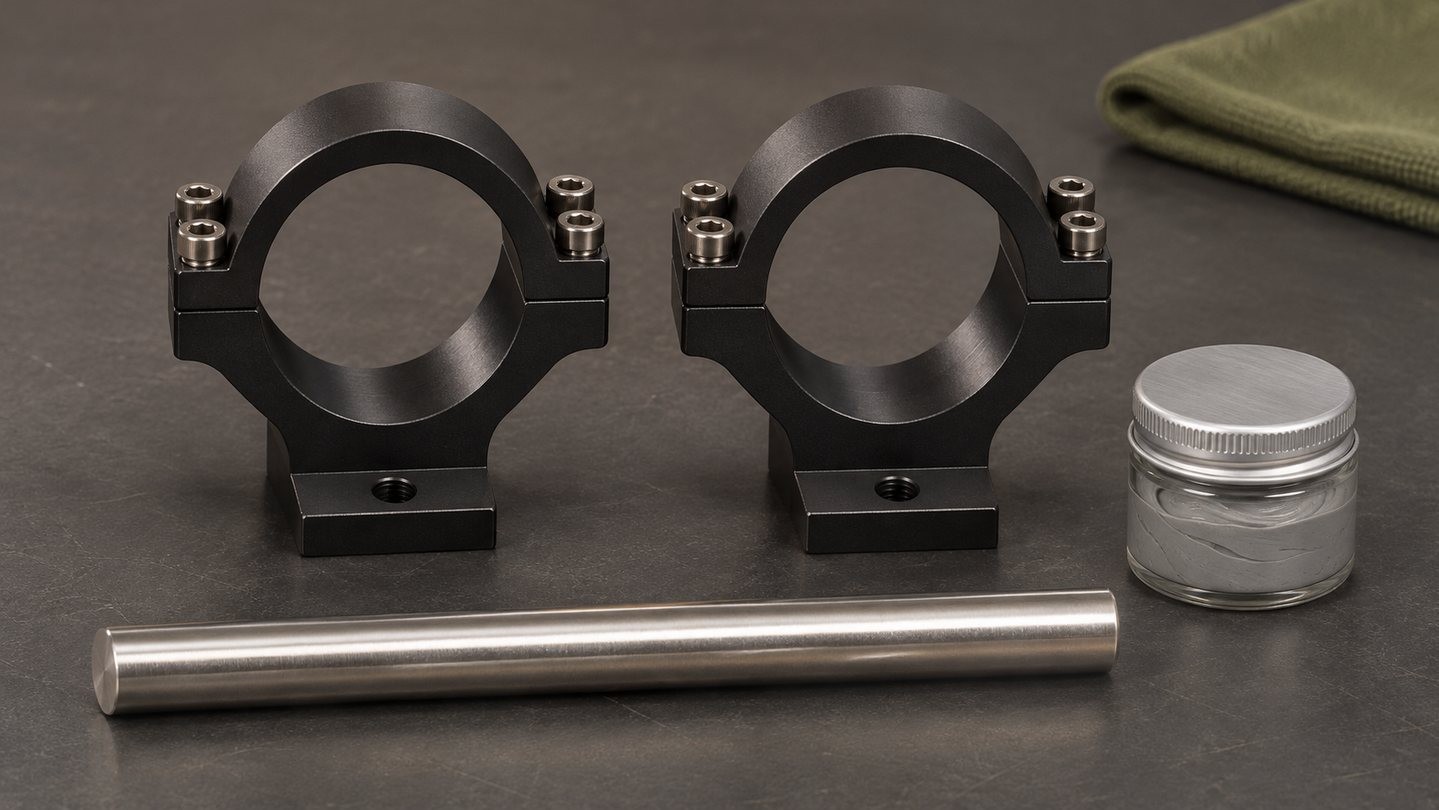
With separate rings on a continuous rail, you can often choose among several slots. Two-piece bases offer less freedom, and their positions may be dictated by the receiver. A one-piece mount fixes the distance between its rings, so both rings must land fully within the scope's front and rear mounting areas at the same time.
Wider spacing is not an unlimited goal. The useful spacing is the widest arrangement that the exact scope, base and ring instructions allow while leaving room to establish eye relief. A ring that only partly contacts a straight section is not a successful fit.
The one-piece mount versus separate rings guide compares this flexibility directly. If forward offset is also needed, the cantilever-mount guide covers that separate geometry.
Eye Relief Must Be Set Before Final Spacing
Ring positions are not correct merely because the scope fits between them. The optic must also sit far enough forward or rearward for a full sight picture in the user's normal position. Eye relief is measured from the eyepiece to the eye, so stock shape, posture and magnification can change the position you need.
Follow the exact scope and mount instructions when establishing eye relief. Many manufacturers have the user begin with the scope loose in the rings, assume a normal position and move the optic until the full view appears. Some variable-scope instructions call for checking at the highest magnification because that can be the less forgiving end.
Only after that position is known should you confirm that both rings still sit fully on suitable tube sections. If the view shows a black ring or crescent, revisit the eye-relief and scope-shadow guide before tightening anything.
One-Piece Mounts Need An Extra Check
A one-piece mount may specify ring diameter, centerline height, overall length, offset and distance within the rings. Those dimensions describe the mount, not the available tube on the scope. Compatibility requires the two drawings to work together.
Compare the mount's fixed ring locations with the scope's front and rear mounting areas. Then check whether the whole mount can move far enough on the rail to provide eye relief without overhanging where the maker does not permit it or interfering with another part.
Do not assume that a mount advertised for a broad platform automatically fits every optic of the named tube diameter. Tube diameter is necessary, but fixed ring spacing, offset, objective clearance and eye position can still rule out the combination.
How To Measure Before Buying
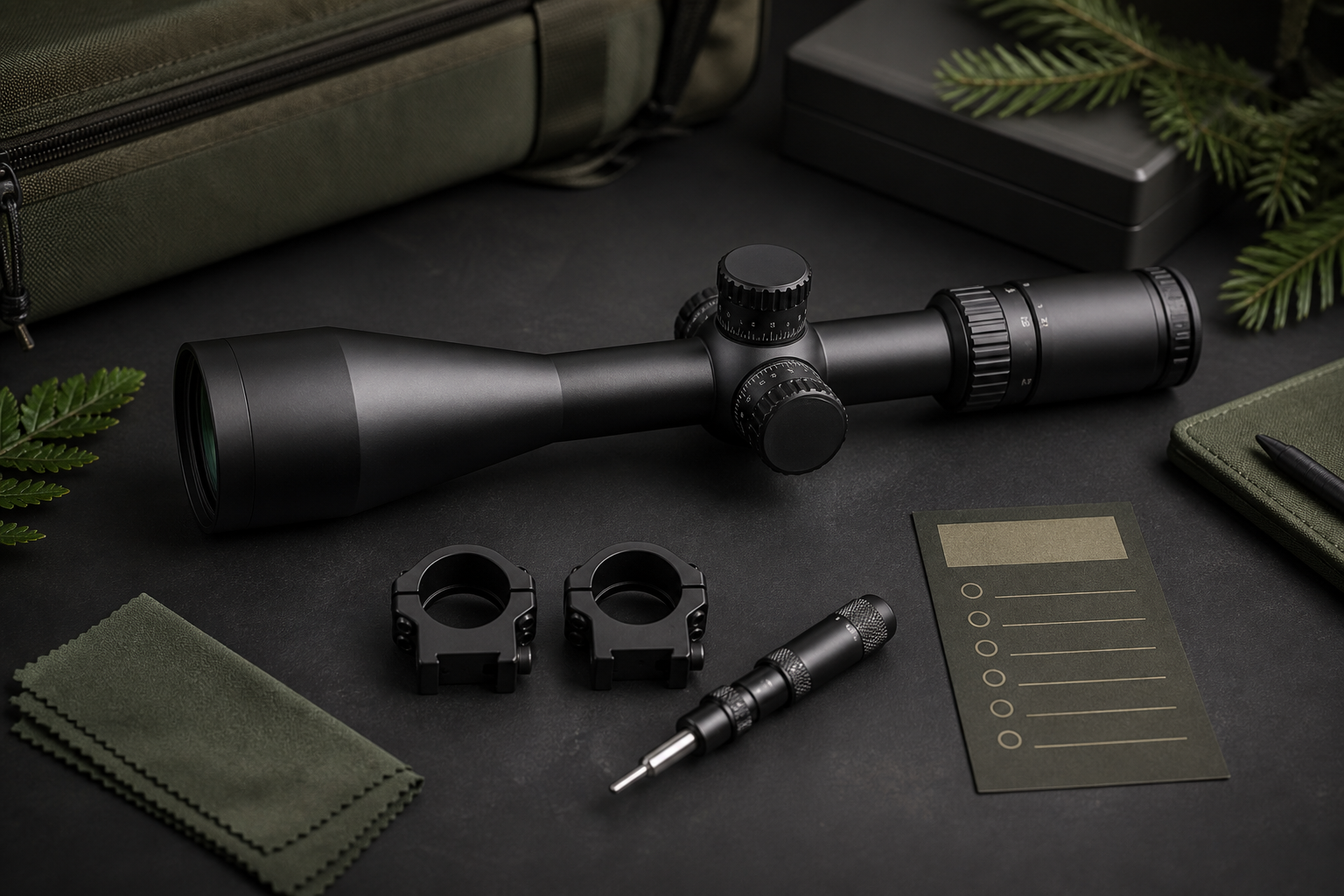
Use the manufacturer's dimension drawings whenever possible, then confirm the installed system in this order:
- Identify the rail or base interface and its usable positions.
- Confirm that ring diameter matches the scope's main tube.
- Record the straight front and rear mounting sections around the turret saddle.
- Record ring width and, for a one-piece mount, the fixed distance between the rings.
- Check objective, eyepiece, turret and control clearance.
- Place the optic loosely and establish eye relief in a normal position.
- Confirm that each ring has full, appropriate contact on a straight section.
- Level and tighten only according to the exact manufacturers' instructions.
Measure physical parts with the same reference points used in the drawings. Avoid adding numbers from unrelated diagrams unless you know whether they refer to ring centers, inside edges, outside edges or total available tube.
Common Fit Problems And Better Fixes
- The rear ring touches the power ring: move the base or ring if the system allows it; otherwise use compatible hardware with different spacing or offset.
- The front ring reaches the objective taper: do not clamp the taper. Reconsider base position, ring spacing or scope choice.
- Eye relief works only at the end of the available tube: check whether a reversible base, extension ring or cantilever design is approved for the application.
- A one-piece mount's rings are too far apart: choose a mount whose fixed geometry fits the scope; height alone will not solve it.
- The scope fits but rotates or shows marks after tightening: stop and inspect alignment, ring size, contact and torque. The ring alignment and over-tightening guide explains why more torque is not a cure for poor fit.
Mounting length is a compatibility dimension, not a performance score. More usable tube can make installation easier, but it does not make the glass clearer or the adjustments more accurate. The right answer is simply enough straight tube, in the right places, to achieve full ring contact and comfortable eye relief with the chosen base or mount.
Browse Sporting Optics only after the measurements are clear: interface, tube diameter, mounting sections, ring spacing, height and eye relief all need to agree.


Leave a comment