A magnification ring should resist accidental movement, so some turning force is normal. The difficult question is whether the resistance you feel is simply part of the design or a sign that something has changed.
The safest answer does not come from adding more leverage. It comes from comparing the control with its own history, ruling out external contact and stopping before a sealed optical mechanism is damaged. The exact model manual and manufacturer service team remain the final authority.
First Decide Whether the Resistance Is New
A new scope may have a firmer magnification ring than the one you used previously. Different sealing systems, ring diameters, rubber surfaces and internal mechanisms can produce noticeably different control feel. A firm ring is not automatically defective, and there is no universal turning-force specification that applies to every variable-power scope.
Start with the most useful comparison: has this particular ring changed? A control that has always moved smoothly with steady resistance is different from one that suddenly develops a hard spot, scraping sensation or extra free play. If the scope is new, check the manual and ask the seller or manufacturer what is normal for that exact model rather than comparing it with an unrelated optic.
Confirm Which Control You Are Turning
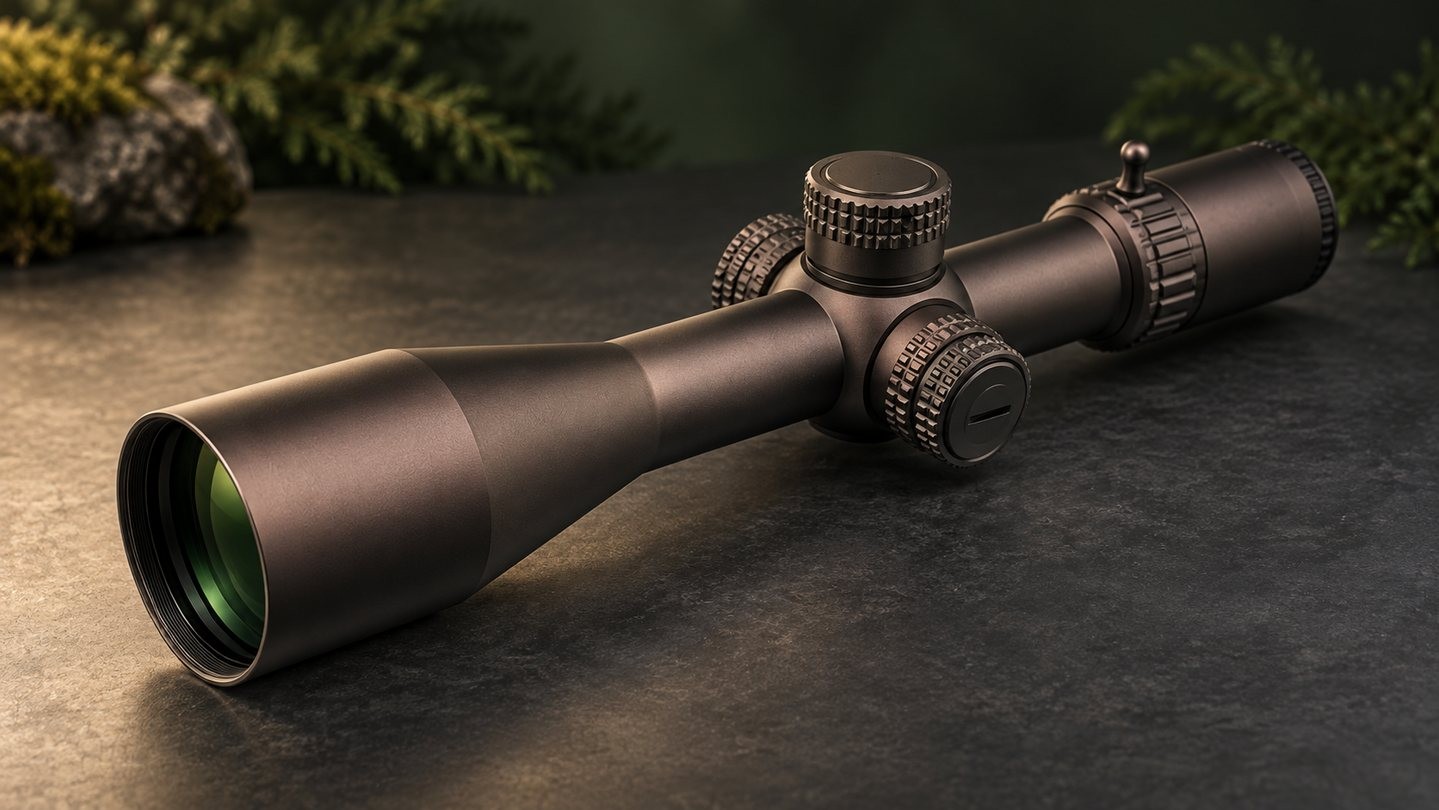
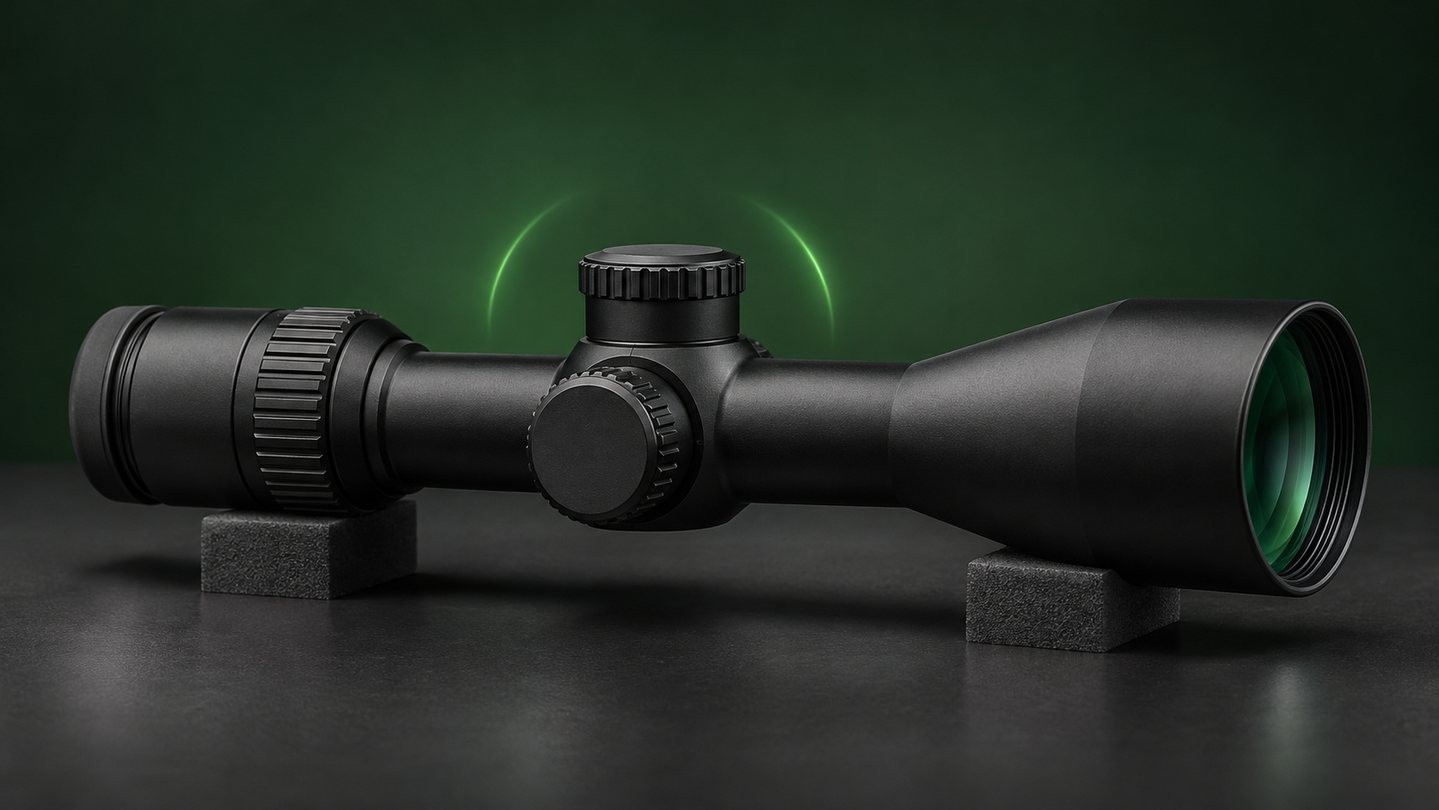
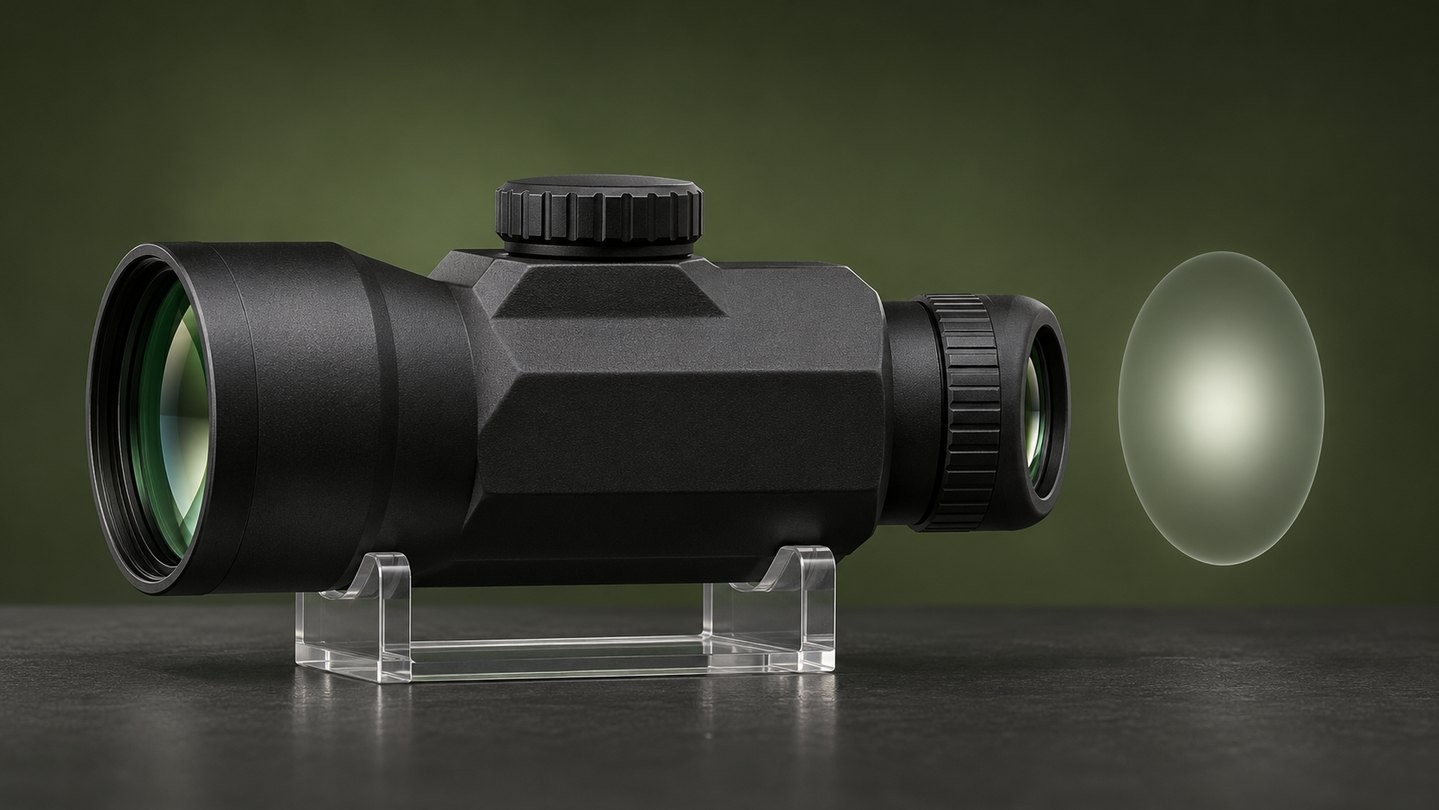
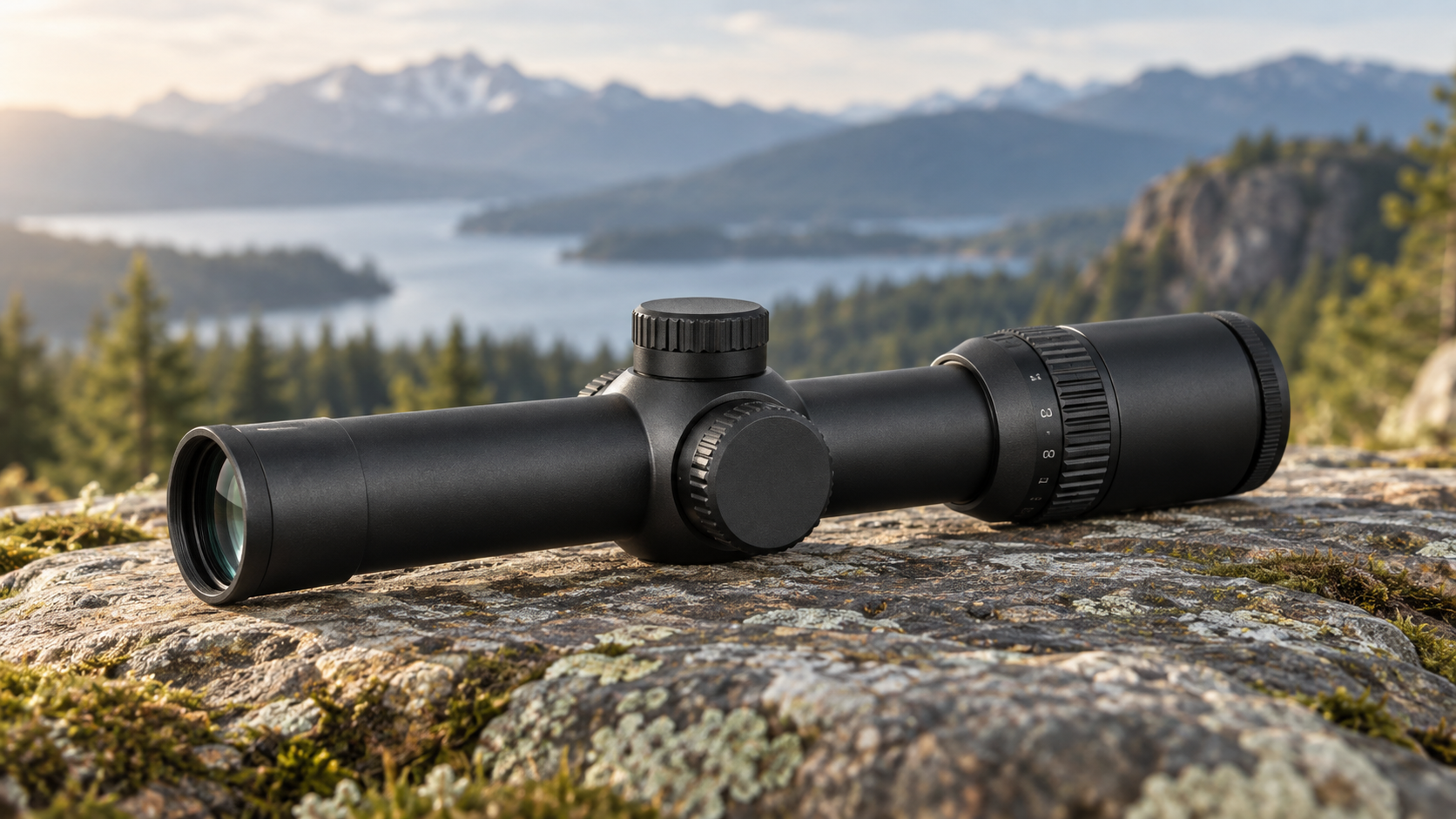
The magnification ring is normally near the eyepiece and carries the power markings. The diopter is usually farther back, while parallax or side focus is commonly located near the turret saddle. Their positions and shapes vary, and some controls sit close enough together to be confused at a glance.
Identify the component from the manual before testing it. Turning the wrong ring harder can disturb a diopter setting or place force on a control that was never meant to move through the same range. The basic relationship between the selector and the moving zoom group is explained in our guide to the rifle-scope erector system.
Check for Contact Around the Eyepiece
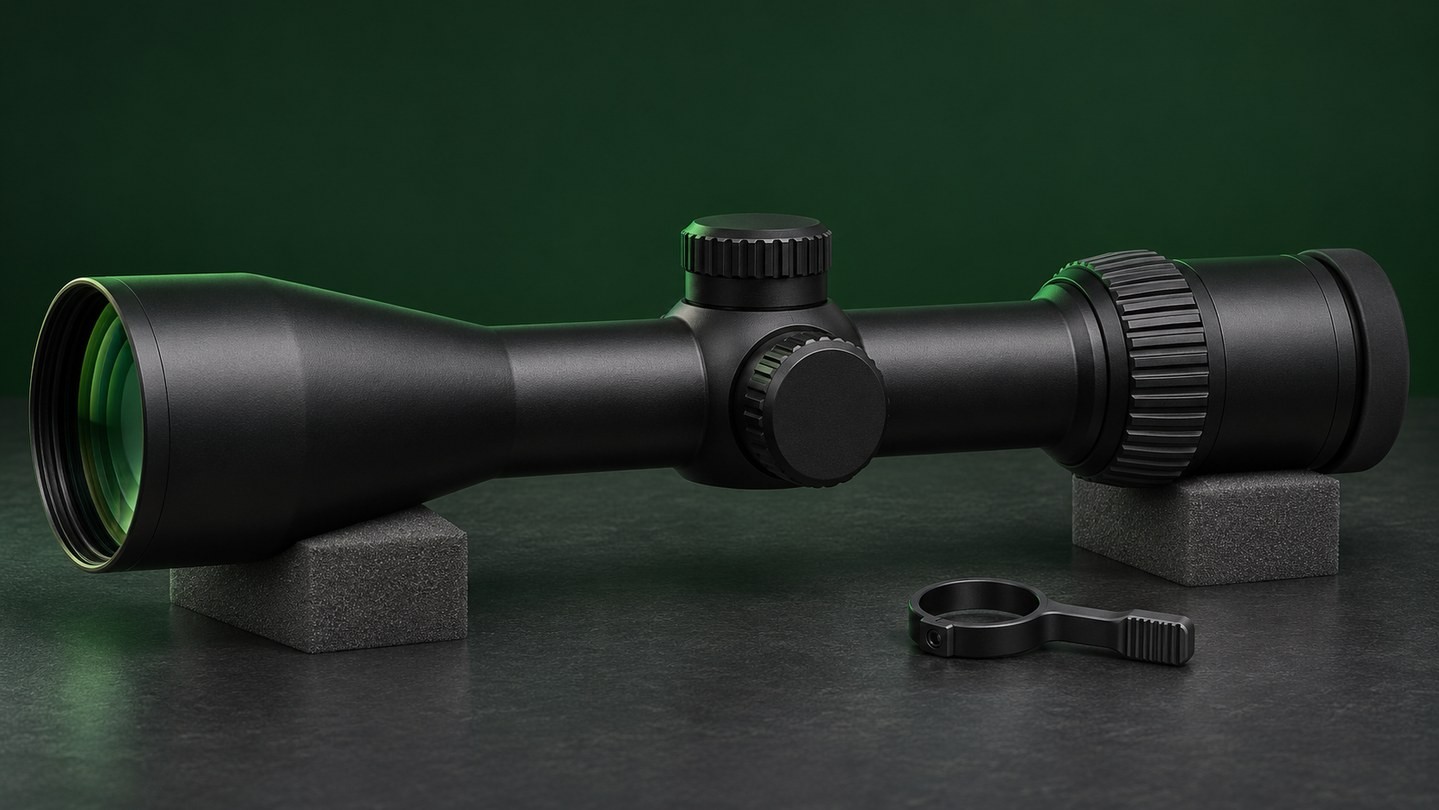
Before judging the internal mechanism, look for something outside the scope that is rubbing the selector. A flip-up lens cap can touch a throw lever. A removable lever may contact a nearby part at one end of its travel. A protective cover can bunch against the ring, and dirt can collect in the narrow gap beside the knurled surface.
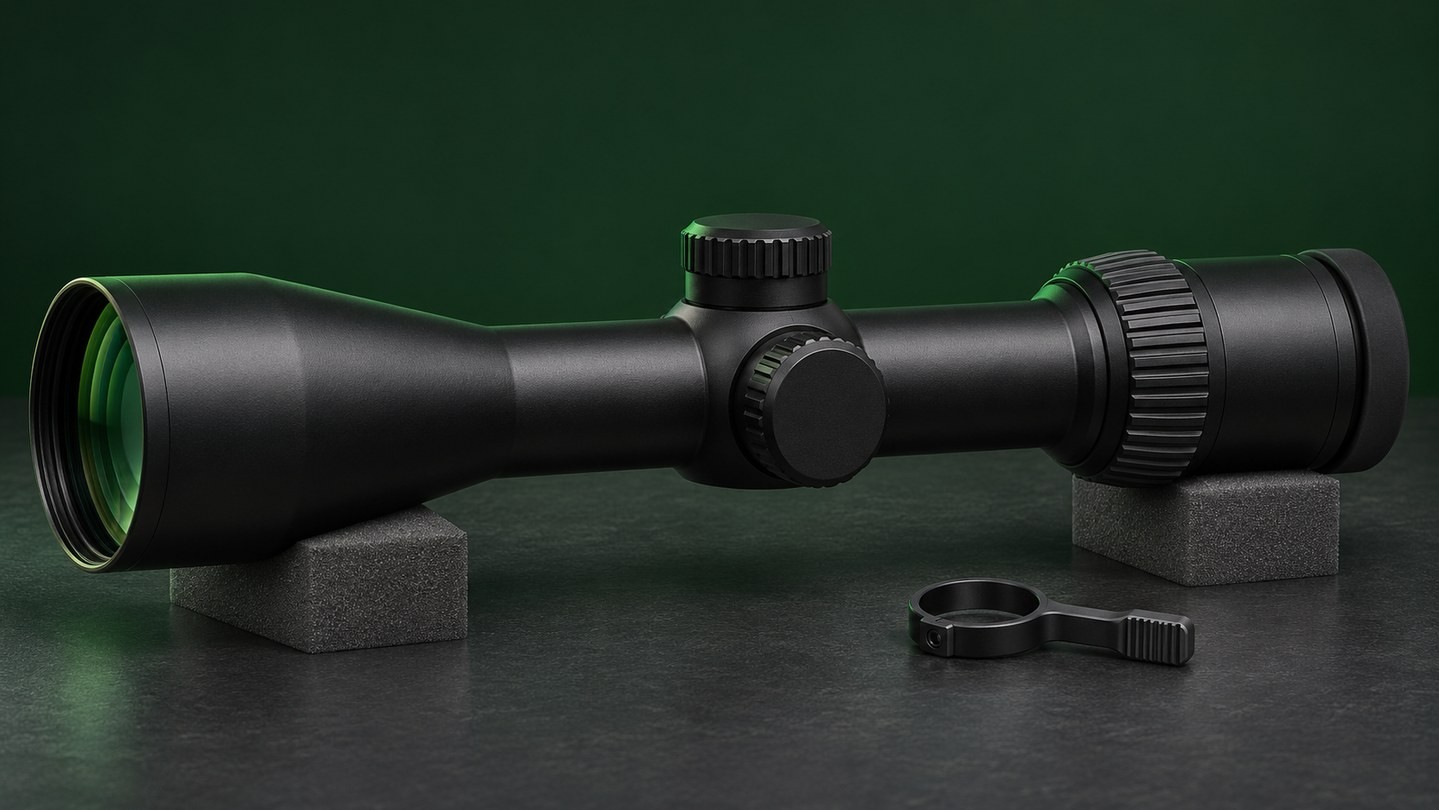
Inspect the full circumference under ordinary light. Do not insert a pick, blade or metal tool into a gap. If a removable accessory is clearly touching the ring, follow its instructions and remove or reposition only that accessory. A model-compatible lever can improve reach, but the principles in our magnification-ring and throw-lever guide still apply: compatibility and clearance matter more than appearance.
Move Through the Range Without Forcing It
Place the standalone scope on a padded, stable surface. Use a normal hand grip on the selector and turn it slowly from one marked end toward the other. Do not strike the ring, clamp the scope, use pliers or extend the lever with another tool.
Pay attention to the pattern of resistance. Steady resistance across the range is different from a repeatable bind at one position. A firm stop at the lowest and highest markings is normally the end of the designed range; it is not an invitation to push farther. Stop immediately if the ring grinds, jumps, twists the eyepiece assembly, moves without changing magnification or requires enough force that the scope begins sliding on the padded surface.
Let the Scope Reach a Stable Temperature
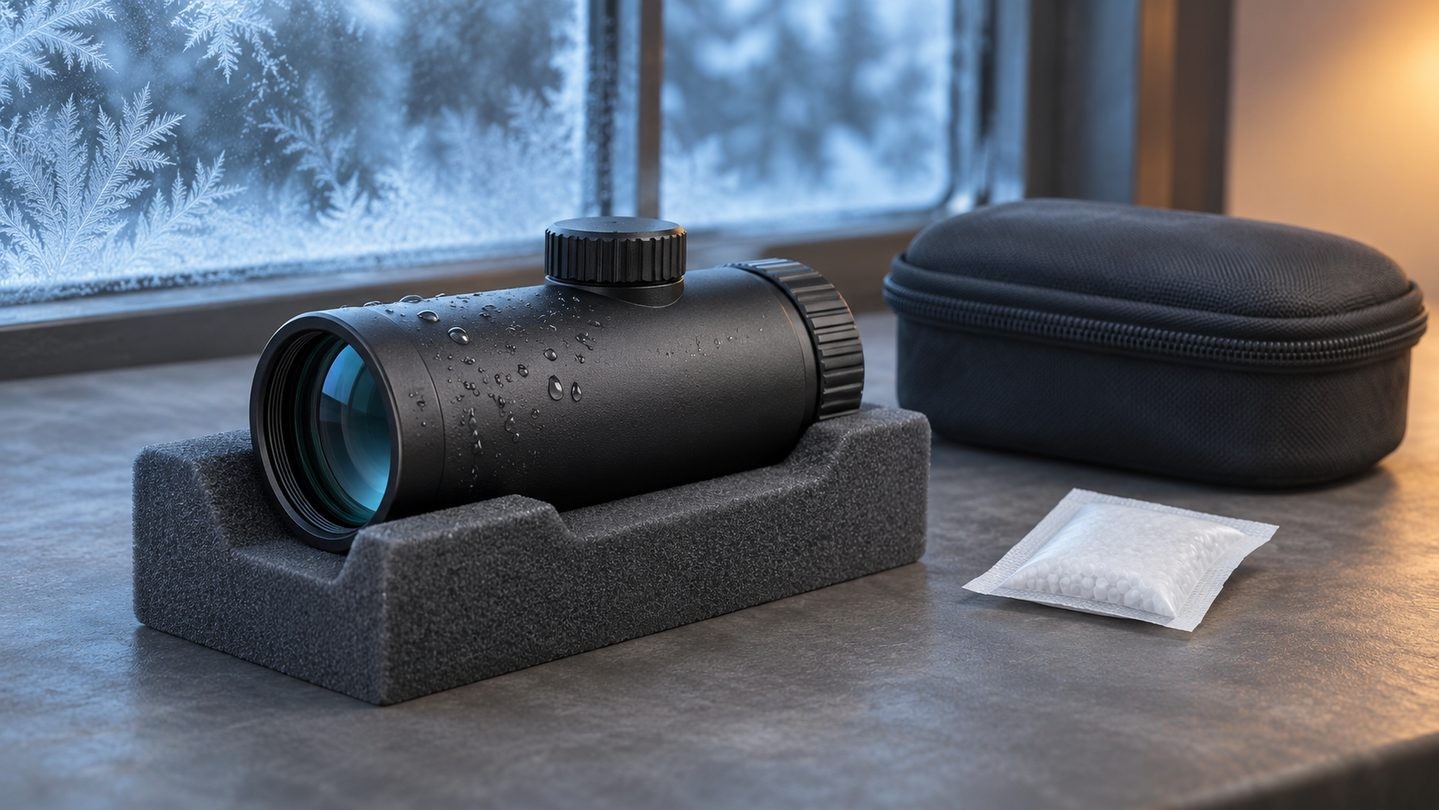
Control feel can be different when an optic has just come from a very cold vehicle, direct sun or another temperature extreme. Materials, seals and internal lubricant behavior do not all respond identically to temperature. That observation does not prove a fault, and it does not mean every stiff ring is temperature-related.
Let the closed, dry optic return gradually to a normal indoor temperature before comparing it again. Avoid heaters, hot water and rapid warming, which can encourage condensation or stress seals. Use the operating-temperature limits in the exact manual as product boundaries, not as a promise that ring resistance will feel identical at every point within that range.
Do Not Add Oil or Loosen the Selector Screw
A drop of general-purpose oil may sound like an easy cure, but it can migrate, collect dirt or affect materials that were not designed for it. Leupold's general riflescope instructions, for example, describe the power selector as permanently lubricated and warn users not to lubricate the ring or loosen its visible screw. Other manufacturers may use different construction, which is why the model manual must take priority.
Do not spray solvent around the ring, remove screws, lift rubber sections or open the eyepiece housing. A selector screw may connect to an internal operating part or help preserve the sealed system. If the manual does not identify a part as user-serviceable, leave it in place.
Treat a Throw Lever as an Ergonomic Aid, Not a Repair
A throw lever increases the radius of your grip, so the same hand effort creates more turning torque. That can make a correctly functioning ring easier to operate, especially with gloves. It can also make it easier to overpower a mechanism that is binding.
Use only a lever specified for the exact ring diameter or scope family, and confirm that it clears surrounding parts through the entire magnification range. If the ring cannot move normally by hand, adding a longer lever is not a diagnosis. Remove the accessory from the test and seek service guidance instead of using leverage to push through a hard spot.
Consider Impact, Storage and Mounting History
A sudden change after a drop, heavy impact or rough transport deserves more caution than a ring that has always felt firm. Look for dents, fresh rub marks, a shifted eyepiece, cracked rubber, a bent lever or a new gap around the selector. Do not press on the tube or attempt to straighten anything.
If the change followed an impact, work through the external observations in our dropped-optic inspection checklist. Mounting and ring pressure are model-specific subjects, so do not loosen or retorque mounting hardware as a casual experiment. If mounting interference or tube stress is suspected, have the installation checked against both the scope and mount instructions.
Judge Consistency, Not a Universal Definition of Smooth
One scope may use light resistance and a wide rubber grip; another may use a compact ring with deliberate damping. Neither feel alone proves quality. What matters during inspection is whether the control behaves consistently, remains within its marked range and produces the expected optical change without scraping, slipping or disturbing another part.
This is also why a quick shop comparison has limits. Our guide to inspecting a used rifle scope recommends operating only routine controls and stopping at unexpected resistance. A seller's description of “normal stiffness” is not a measurement, and an unusually loose ring can be as important as an unusually tight one.
Stop and Document the Problem for Service
Contact the manufacturer or an authorized service provider when resistance changes suddenly, a hard spot repeats, the ring scrapes or grinds, a selector screw appears loose, a lever or housing is damaged, magnification does not follow the markings, or the image jumps in a way that was not present before. Stop as well if you are unsure whether an accessory or mounting part is involved.
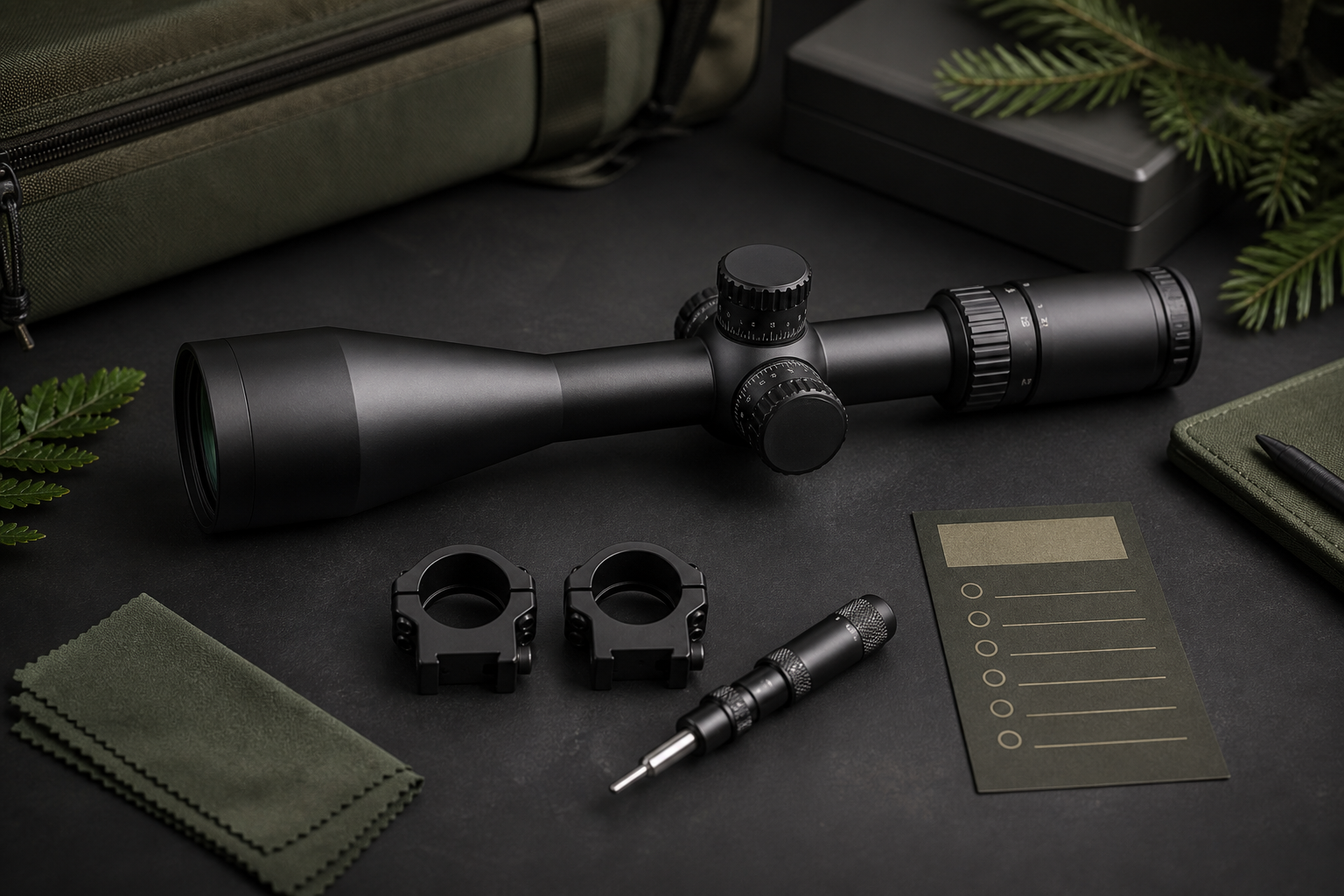
Record the model, the magnification position where the problem occurs, whether it happens in both directions, the approximate temperature and any recent impact or accessory change. Take one overall photo and a close view of the selector without exposing a serial number publicly. Our checklist for photographing an optic problem for customer support helps organize that evidence.
A stiff magnification ring is not automatically a failure, but forcing it removes useful information and can create new damage. Compare its history, identify the correct control, rule out visible contact, test gently at a stable temperature and keep lubricant and tools away from the sealed mechanism. When the feel is new, uneven or accompanied by another change, service advice is the safer next step.


Leave a comment