A throw lever can make a zoom ring quicker and easier to turn, but longer is not always better. Here is what the markings mean and what to check before adding one.
What the magnification ring actually controls
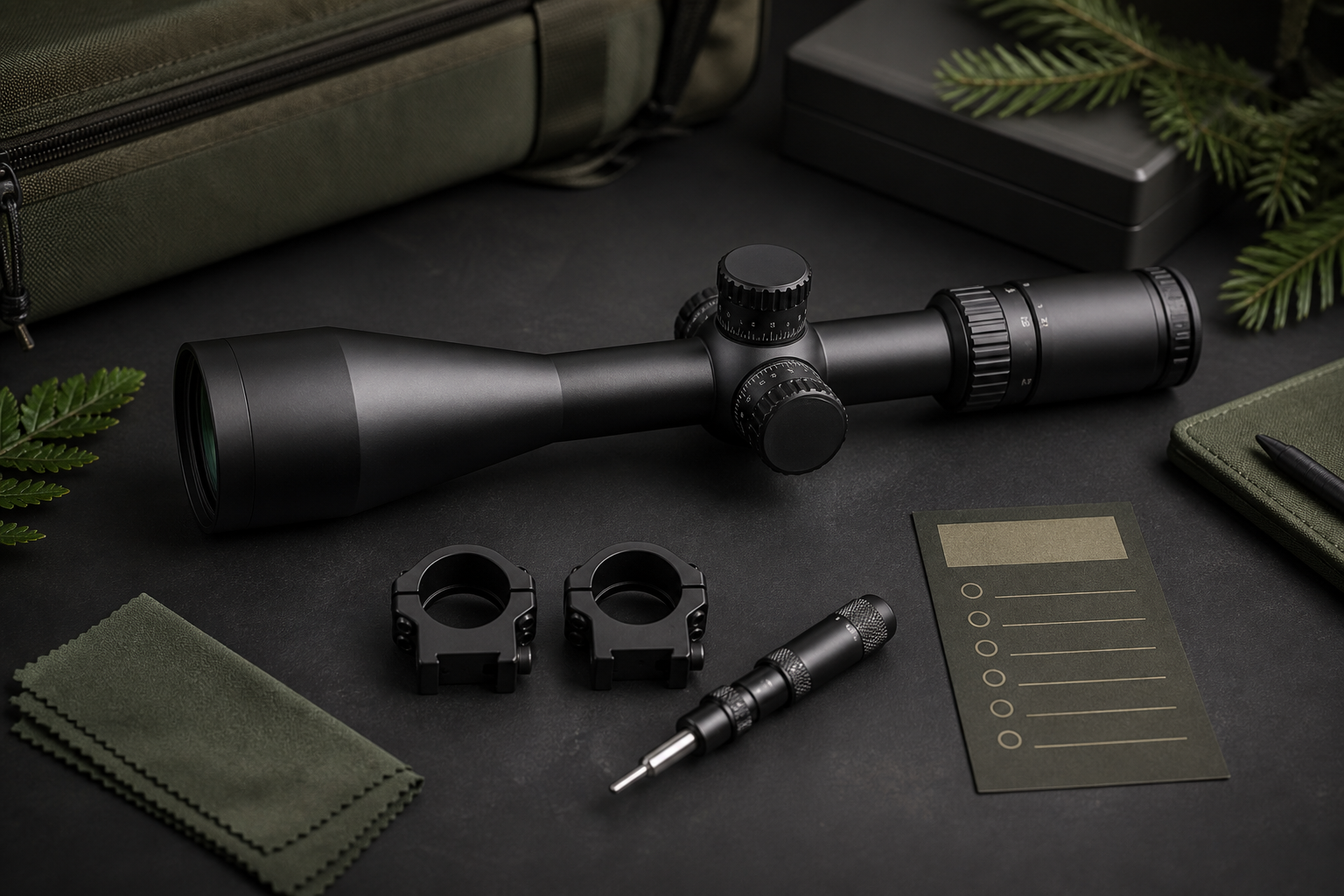
On a variable-power scope, the magnification ring changes the relationship between the moving lens groups inside the scope. Turn the ring toward the higher number and the target appears larger; turn it toward the lower number and you see more of the surrounding scene.
The printed numbers are reference points, not separate modes. A 1–6x scope can be used between the marked settings, even when the ring is not lined up exactly with a printed number. Our guide to rifle scope numbers explains what the full model designation tells you.
Changing magnification also changes more than apparent target size. Field of view normally becomes narrower as magnification rises, and the usable eye position may feel less forgiving. Those trade-offs are covered in our guides to field of view and the scope eyebox.
What is a throw lever?
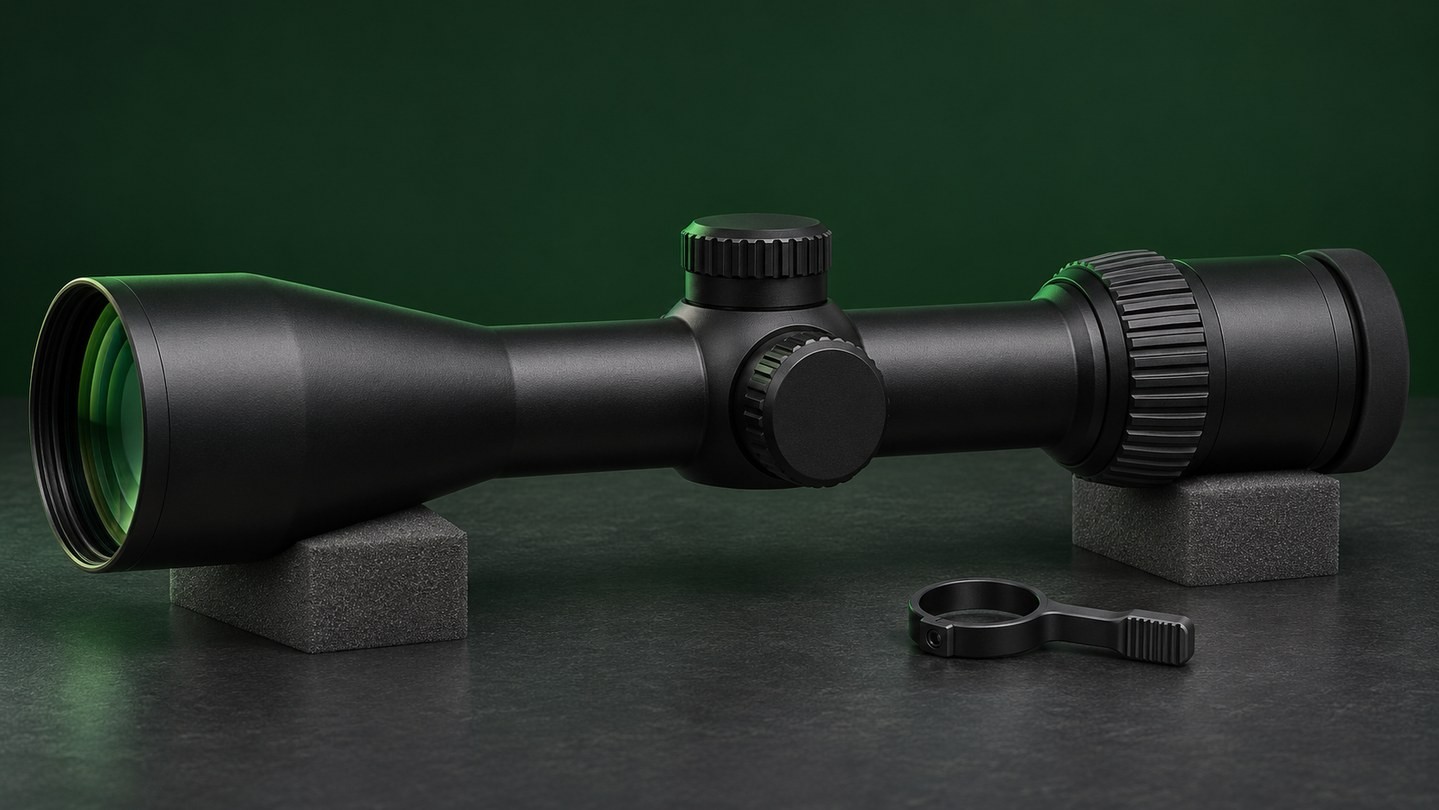
A throw lever is a small projection attached to, or built into, the magnification ring. It gives your fingers more leverage, so the ring can be moved with less grip and with a shorter sweep of the hand.
Some scopes have a low-profile lever built into the ring. Others accept a removable threaded lever. Clamp-on designs fit around the outside of the ring. These are not automatically interchangeable: the ring diameter, attachment method and available clearance all matter.
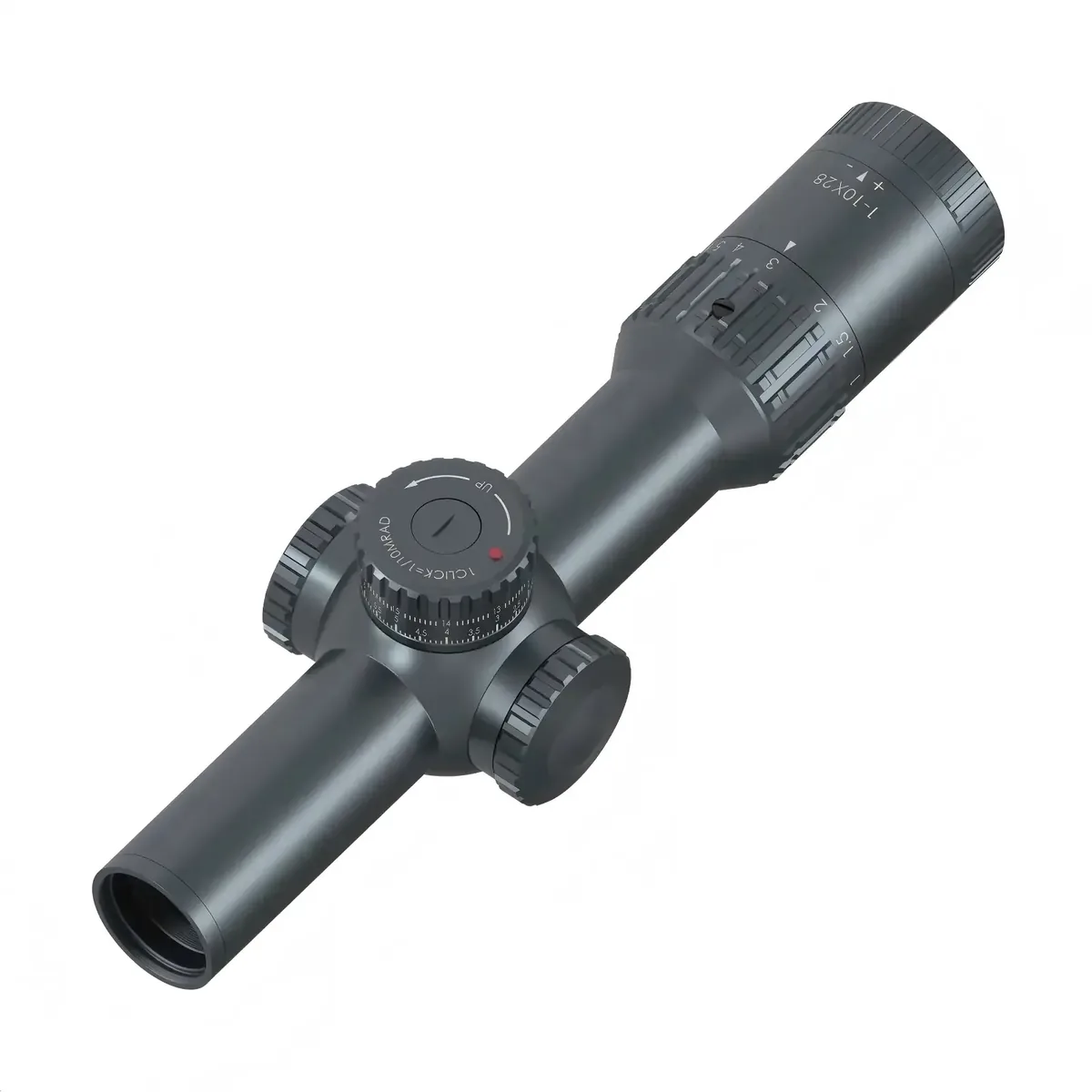
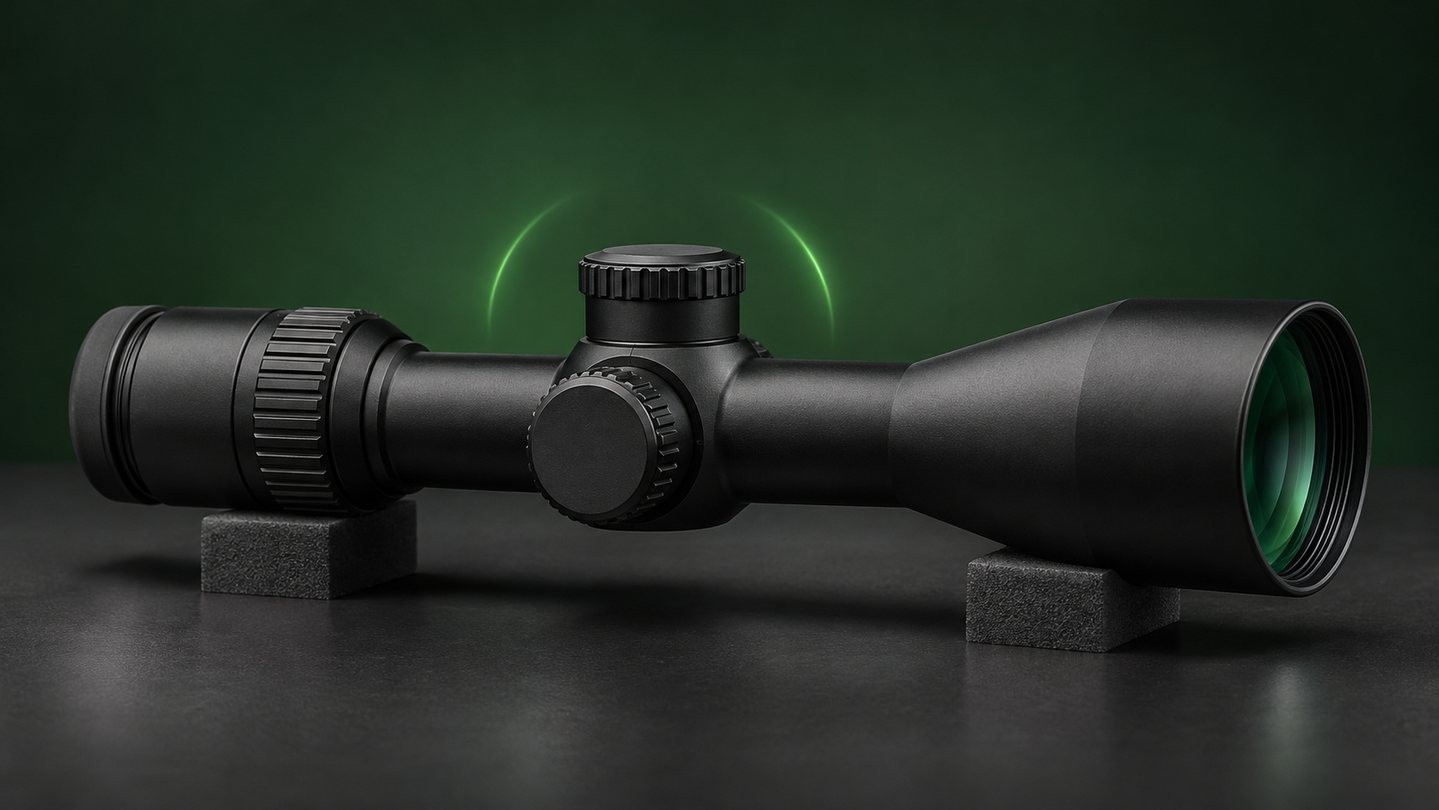
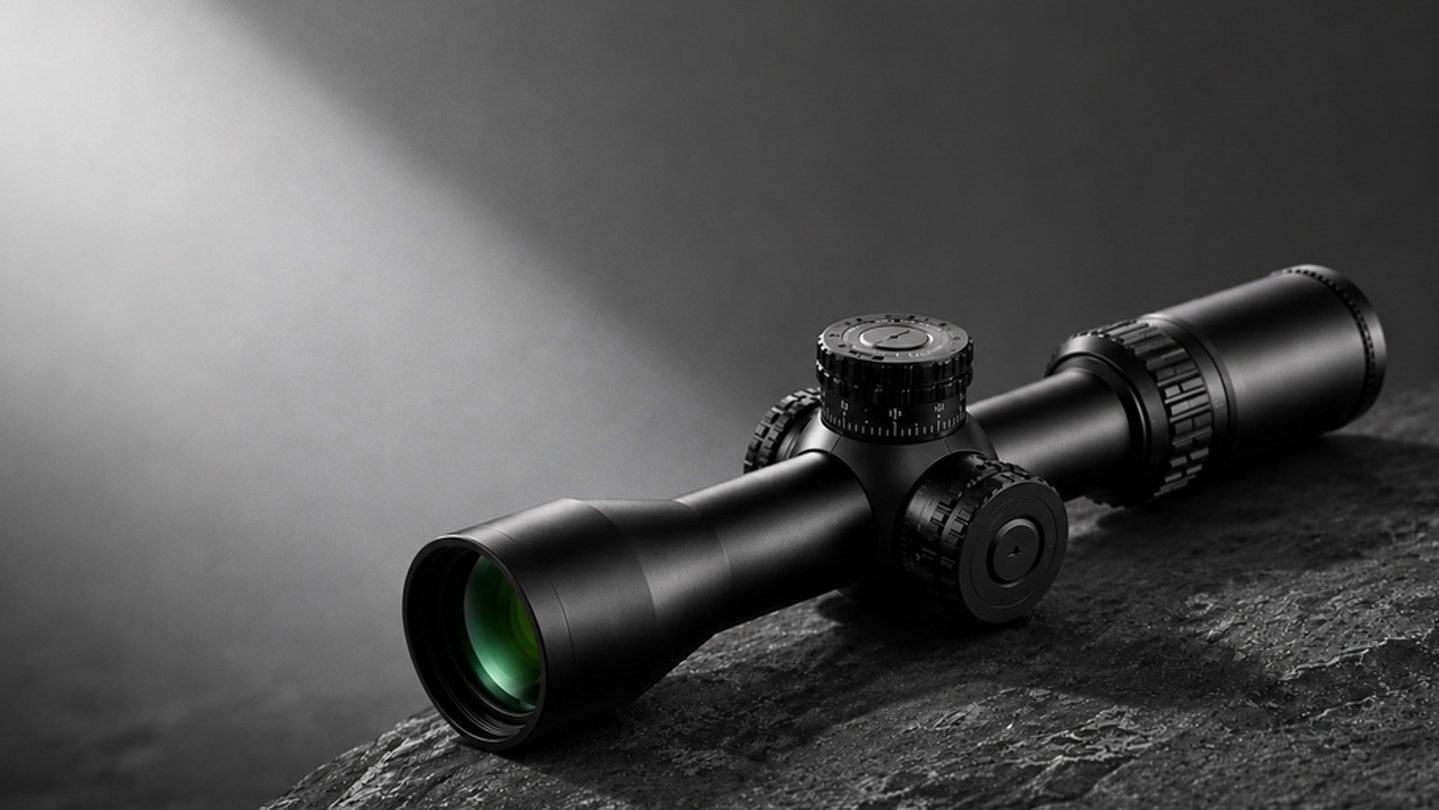
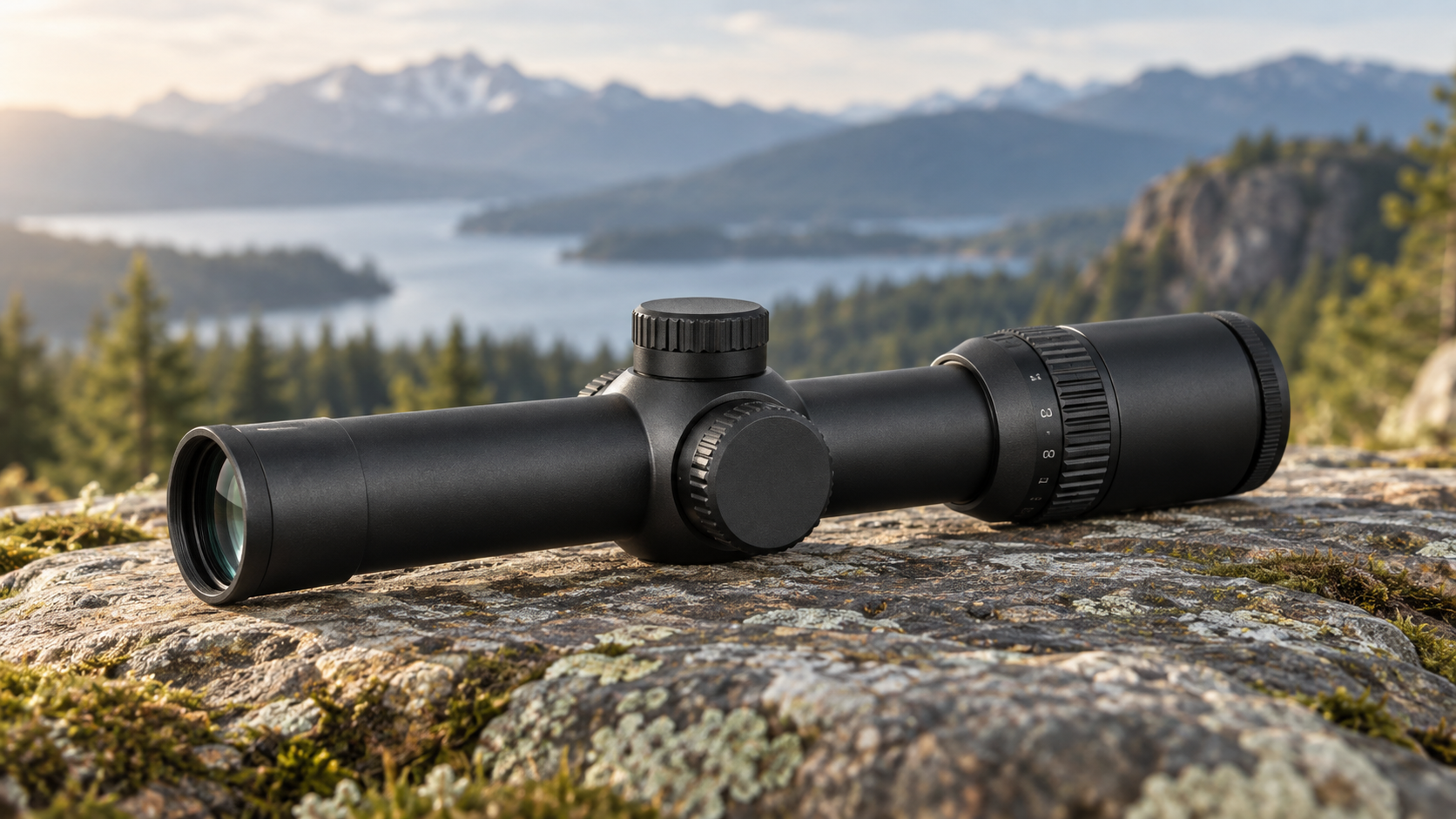
Magnification markings and control shapes vary by model. Treat this as an example of the control location, not a compatibility guide.
When a lever is genuinely useful
A lever is most noticeable when the zoom range is used often. On an LPVO, for example, it can make it easier to move between the low and high ends of the range without searching for the edge of the ring. The difference between common LPVO ranges is discussed in 1–6x vs 1–8x vs 1–10x.
It can also help when the ring surface is wet, when gloves reduce fingertip feel, or when the ring is broad and difficult to grasp from a particular position. The lever does not improve optical quality, tracking or image brightness. It only changes how you operate the zoom ring.
Why a longer lever is not always better
More leverage can make a stiff ring easier to move, but an unnecessarily long lever can create its own problems:
- it may touch the mount, bolt handle or another nearby control;
- it can catch on a case, cover or other equipment;
- it may block part of the elevation turret at some ring positions;
- it puts more leverage into the attachment point if it is struck;
- it can encourage the user to force a ring that needs inspection.
The useful length is the shortest one that gives comfortable control without creating interference. Rotate the ring through its complete travel and check clearance at every position before relying on the setup.
A stiff ring is not always a lever problem
Magnification rings are designed with different levels of resistance. Temperature, contamination around the ring and the scope's construction can all affect how the control feels. A new lever may make the ring easier to move, but it should not be used to overpower grinding, binding or a sudden change in resistance.
If the ring has become unusually hard to turn, first check that nothing external is rubbing against it. Do not apply general-purpose oil or solvent unless the scope manufacturer specifically permits it. An externally accessible ring can still sit next to seals and finishes that are not intended for casual lubrication.
Compatibility checks before adding a clamp-on lever
Before buying or fitting an add-on lever, confirm:
- the exact scope model and ring diameter;
- whether the manufacturer permits a threaded, removable or clamp-on design;
- that the lever does not cover index marks or another control;
- that the clamp can be secured without crushing or marking the ring;
- that the lever clears the mount and surrounding parts through the full zoom range.
Model-specific instructions take priority over a generic fit claim. A lever advertised for one scope family may not match another family that looks similar.
Do focal-plane types change how the ring is used?
The ring still changes magnification in both first- and second-focal-plane scopes, but the reticle behaves differently. In a first-focal-plane scope, the reticle appears to grow and shrink with the image. In a second-focal-plane scope, the reticle appears to stay the same size while the scene changes. Our FFP vs SFP guide covers the practical difference.
That distinction matters if you use reticle subtensions for measurement or hold references. It does not change the basic job of a throw lever: the lever only helps rotate the magnification ring.
A simple setup check
With the optic safely supported and no pressure on the lever, turn the ring slowly from its lowest setting to its highest and back again. Watch the index mark, feel for consistent resistance and look for contact with the mount or nearby controls. If the lever can be repositioned, choose a position that remains reachable without blocking anything else.
Then confirm that the eyepiece and diopter have not been mistaken for the zoom control. They may sit close together, but the diopter is used to focus the reticle for your eye; it is not a second magnification ring.
The practical takeaway
A magnification ring is the control that selects power on a variable scope. A throw lever simply gives that ring a more convenient handle. It can be a worthwhile ergonomic addition, especially on an optic that moves through its zoom range often, but fit and clearance matter more than maximum length.
Choose a lever for the exact model, keep it clear of nearby parts and never use extra leverage to force a control that feels damaged.
Explore more optics guides
Browse the Optics Field Notes for more plain-English explanations of scope setup, controls and optical specifications.


Leave a comment