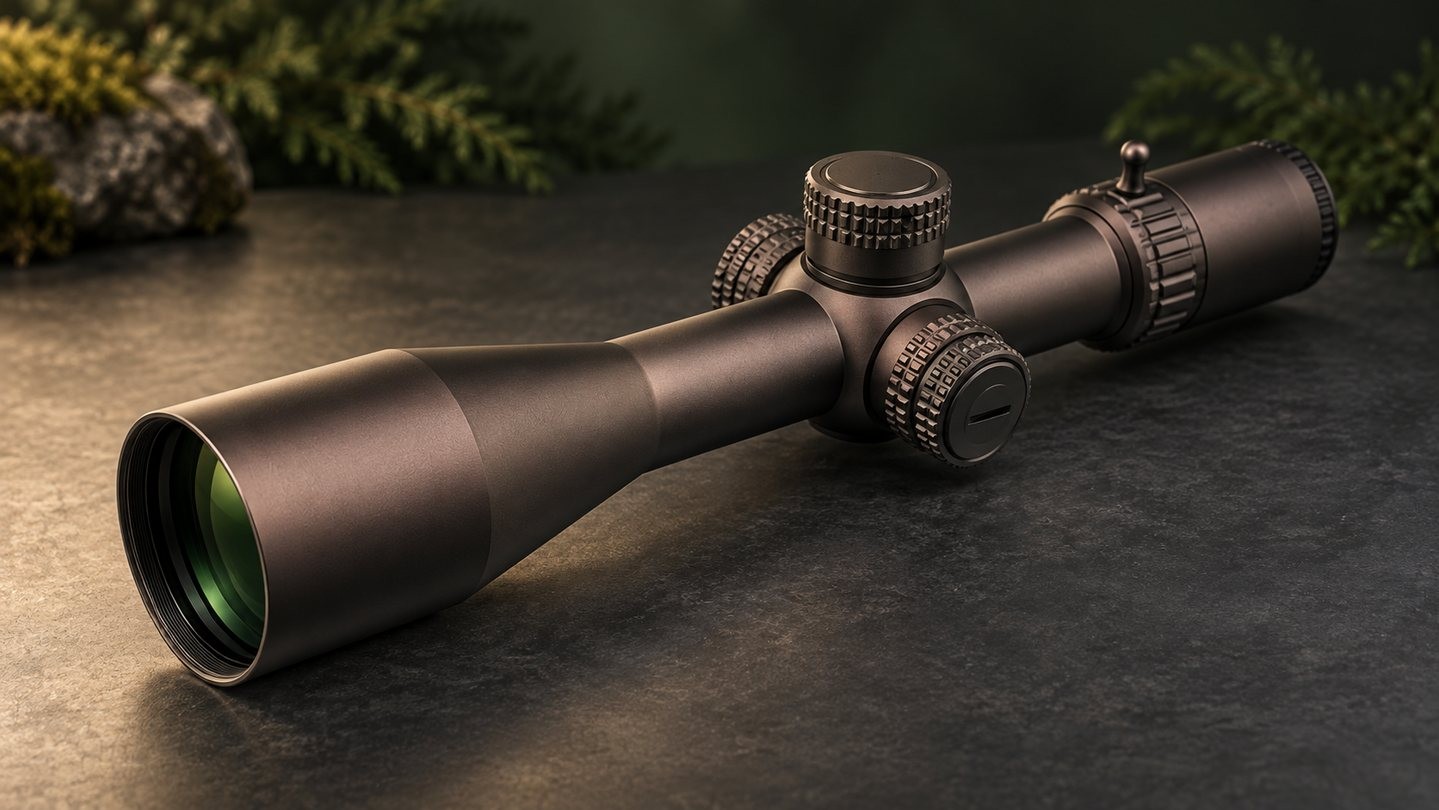
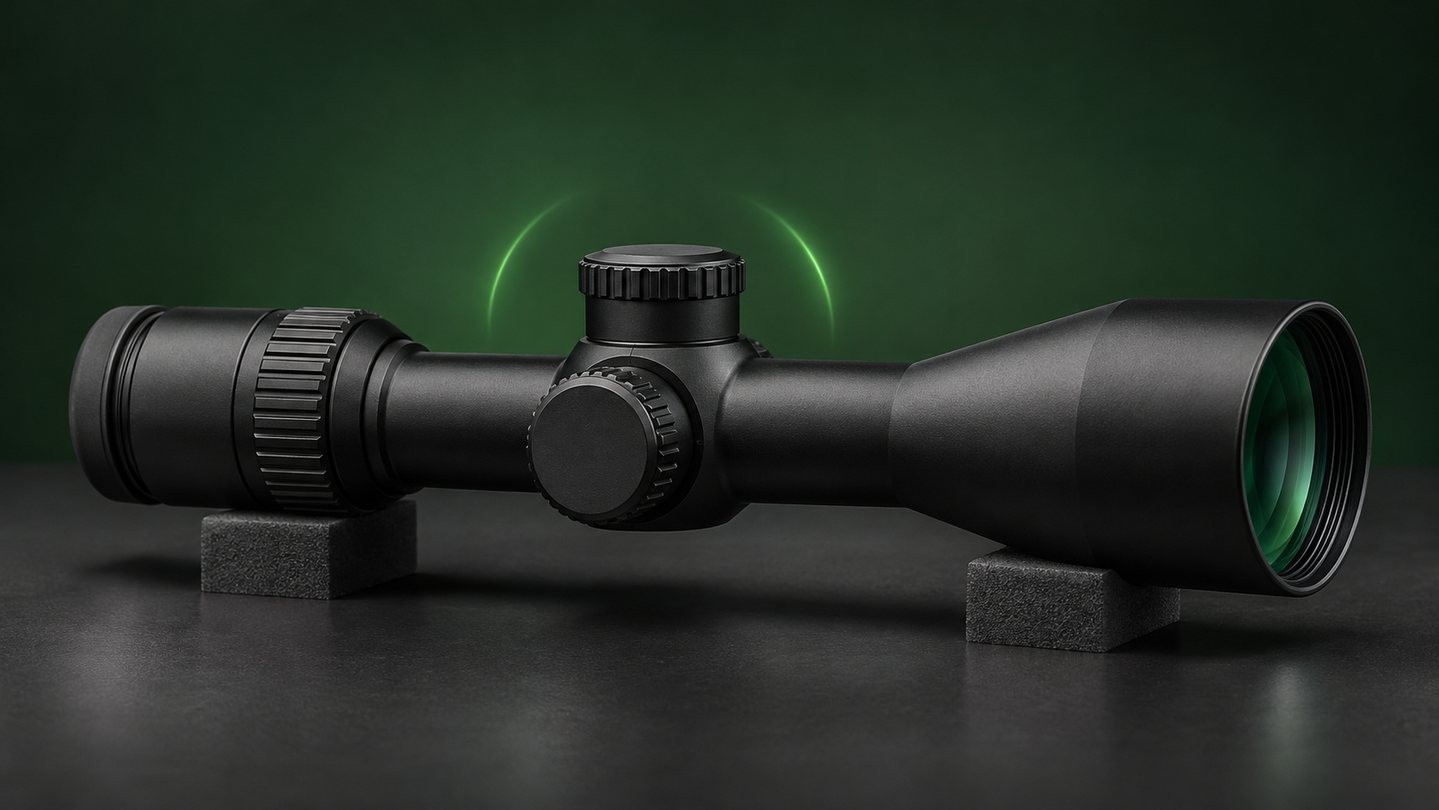
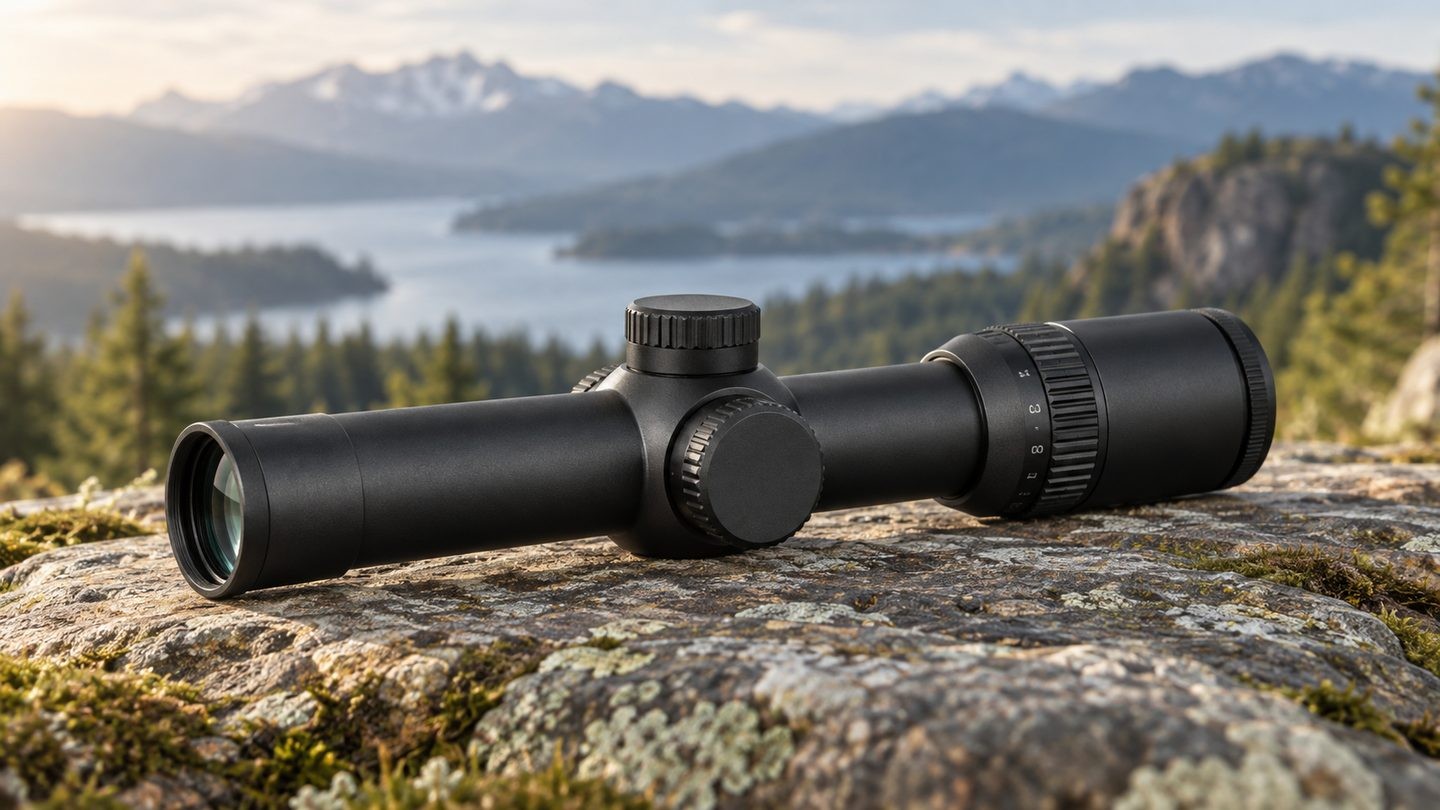
A 1–10x LPVO looks like the obvious winner when it sits beside a 1–6x and a 1–8x. It reaches farther on the magnification ring, so it must be the more capable scope—right?
Sometimes. But maximum magnification is only one part of the experience. A useful comparison also has to consider the view at 1x, the eye box at the top end, reticle visibility, weight, size and optical quality. The best choice is usually the one that spends most of its time in the part of the zoom range you actually use.
The short version
- 1–6x: the straightforward choice when low-power speed, a forgiving view and moderate magnification matter most.
- 1–8x: the middle ground, adding useful detail without moving all the way to a 10x zoom ratio.
- 1–10x: the specialist option when extra top-end detail is worth a potentially more demanding eye position and a more complex optical design.
Those are tendencies, not guarantees. A well-designed 1–8x can be more comfortable than a mediocre 1–6x, and a premium 1–10x can outperform a cheaper optic across much of the range. Compare complete specifications and, whenever possible, look through the scope rather than choosing by the largest number alone.
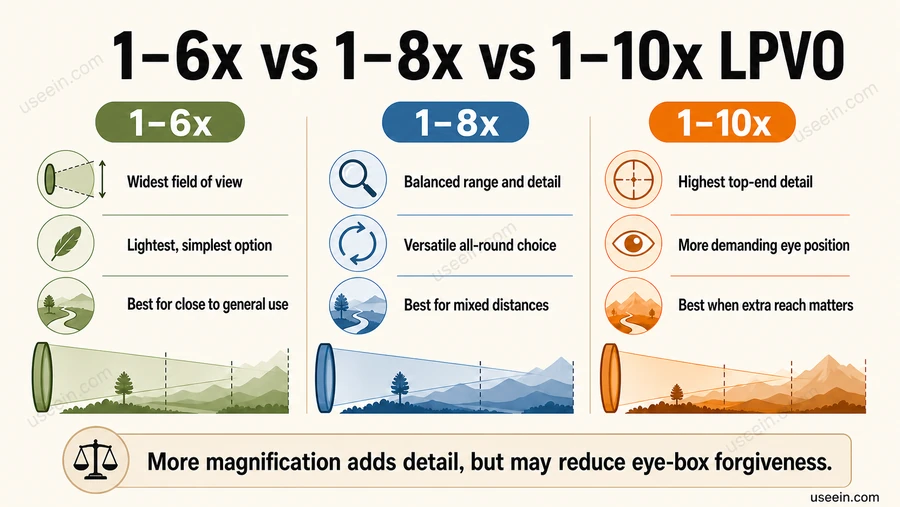
More top-end magnification can reveal extra detail, but it does not automatically make an LPVO quicker or easier to use.
What changes when you move beyond 6x?
The gain is easy to understand: an 8x or 10x setting makes a small part of the scene appear larger than 6x does. That can help when you are trying to identify fine detail, read a target or place the reticle more precisely from a supported position.
The important word is detail, not distance. Magnification does not change the target, improve atmospheric conditions or create resolution that the glass cannot deliver. Heat shimmer, low contrast, imperfect focus and movement are also enlarged. A clear 6x image may be more useful than a soft or unstable 10x image.
Why 1–6x remains a practical choice
A 1–6x LPVO covers a relatively modest zoom ratio. That does not make it basic. It can make the design easier to balance around the two ends people use most: a broad, natural view near 1x and enough magnification for closer inspection when needed.
For a user who spends most of the day at low power and only turns up the ring occasionally, 6x may be all the top end that earns its place. The simpler range can also make the reticle easier to design, especially in a first focal plane optic where the reticle has to remain visible at 1x without becoming too heavy at maximum power.
A 1–6x is not automatically lighter, wider or more forgiving than every 1–8x. Those qualities must be checked on the actual model. The point is that you should not dismiss 6x merely because larger numbers exist.
Why 1–8x is often the balanced option
Moving from 6x to 8x gives roughly one-third more angular magnification at the top end. In plain language, an object shown at the same distance appears larger at 8x than at 6x. That extra scale can be noticeable without making 10x the default working setting.
This is why 1–8x appeals to people who genuinely split their time between low-power viewing and more deliberate observation. It provides a little more room for detail while still encouraging you to treat the optic as an LPVO rather than a compact high-power scope.
The trade-off is that the zoom system has more work to do. Check the actual field of view, eye relief, eye-box feel, image quality near the edge and reticle behaviour at both ends. The “8x” label by itself tells you none of those things.
When 1–10x earns its place
A 1–10x makes sense when you can name the situations in which 8x is not enough. Perhaps you regularly need to inspect small details from a stable position, or you want one optic to cover a broader range of viewing tasks and accept the compromises that come with it.
At 10x, small errors in head position and setup can become easier to notice. The field of view is normally narrower than it is at lower magnification, movement looks larger, and a comfortable image may require more deliberate alignment. None of this makes 10x unusable. It simply means that the extra setting is most valuable when the rest of the optic remains good enough to support it.
Do not assume that a 1–10x must be heavier or have shorter eye relief than every 1–6x; designs vary. Compare the published numbers, then judge how the scope behaves at maximum power rather than evaluating it only at 1x in a shop.
The low end still matters
All three ranges begin with “1,” but the view at the low end is not identical across models. Distortion, edge behaviour, illumination, reticle shape and the apparent speed of the sight picture can differ. Some scopes feel natural with both eyes open, while others take more time to centre behind.
If low power is your main setting, give that experience more weight than an occasional 10x option. Our guide to why LPVOs have become popular explains why this ability to move between a broad low-power view and magnified detail is the category's central appeal.
Reticle and focal plane can change the answer
A broad zoom range places competing demands on the reticle. In a first focal plane scope, the reticle appears smaller at low power and larger at high power. It needs to remain visible at 1x without covering too much at 8x or 10x. In a second focal plane scope, the reticle keeps the same apparent size, but calibrated hold marks are normally correct at one specified magnification.
That means a 1–10x with the wrong reticle for your use may be less practical than a 1–6x with a clear, well-matched design. Read our FFP vs SFP explanation before treating zoom range and focal plane as separate shopping decisions.
Five checks that matter more than the headline number
- Image quality at maximum power: is the extra magnification genuinely clear and useful?
- Eye position: can you obtain a full sight picture naturally at both ends of the range?
- Low-power view: does 1x feel comfortable for the way you intend to use it?
- Reticle usability: is the centre easy to find at low power and precise enough at high power?
- Overall package: are the size, weight, controls and cost reasonable for the benefit you gain?
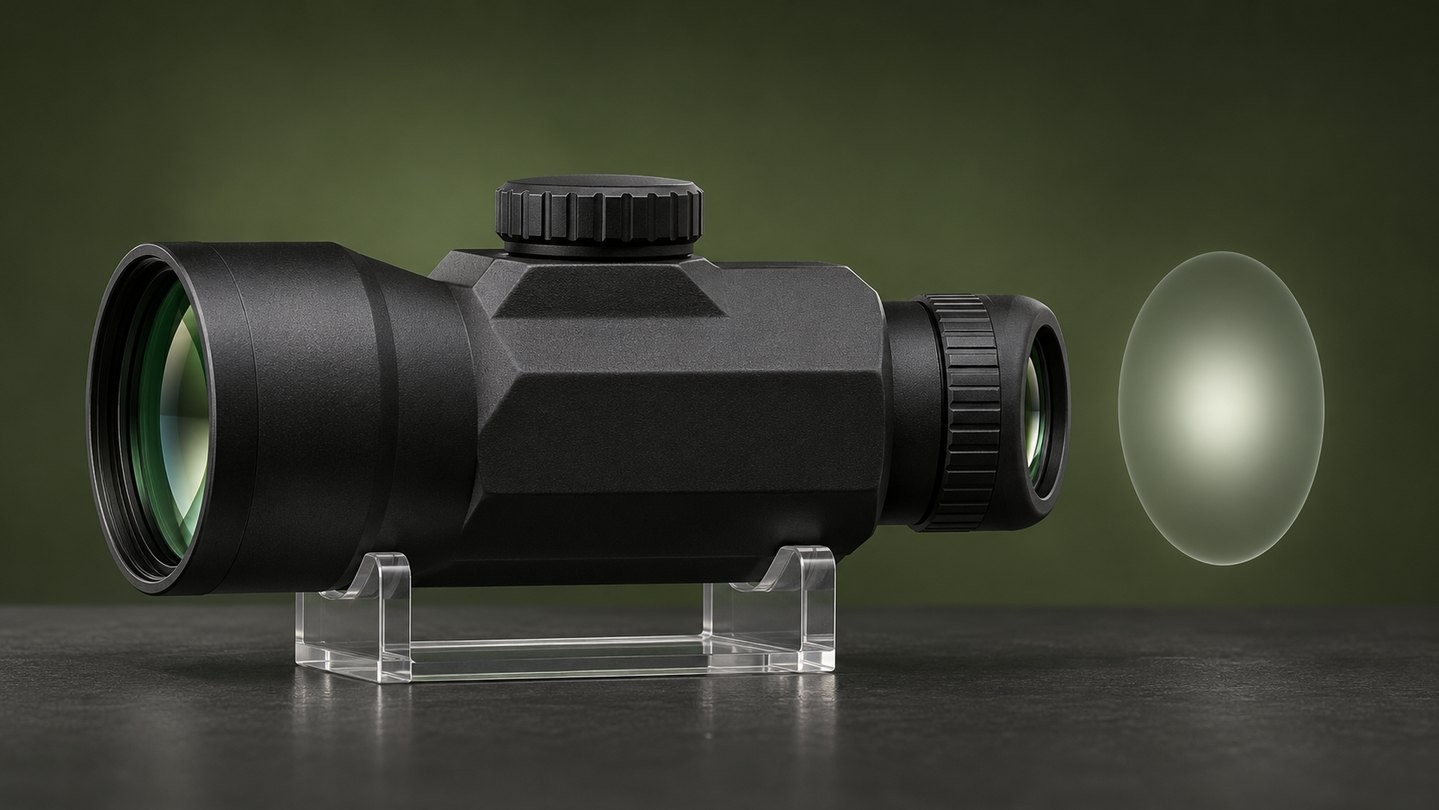
Eye comfort deserves particular attention. Higher magnification can make alignment feel less forgiving, but eye relief and exit pupil are separate specifications. Our guide to exit pupil and magnification explains one part of that relationship.
So which LPVO range should you choose?
Choose 1–6x when the low end is the priority and 6x already covers the detail you need. Choose 1–8x when you want a little more top-end reach without making 10x part of the job. Choose 1–10x when you have a repeatable use for the extra magnification and the individual scope remains comfortable and optically useful at both ends.
If you are still unsure how much power fits your normal distances, start with our beginner's guide to scope magnification. You can also browse the optics buying guides for related explanations without jumping straight to a specific product.
Compare magnification before you choose
A larger number is useful only when it matches the distance, detail and viewing position you actually have.
EXPLORE BUYING GUIDES →


Leave a comment