It is easy to compare two scopes and assume the one with the bigger magnification number must be the better buy. A 6–24× model sounds more capable than a 3–12× model, and a 5–30× model sounds better still.
For a beginner, that is often where the confusion starts.
More magnification can be useful, but only when the distance, target and shooting position actually call for it. It also tends to bring a higher price, more weight and a narrower field of view at the upper end. If most of your practice happens at short or moderate distances, paying for a very high maximum magnification may give you a feature you rarely use.
A better first question is not “How much magnification can I get?” It is “What do I need the scope to do?”
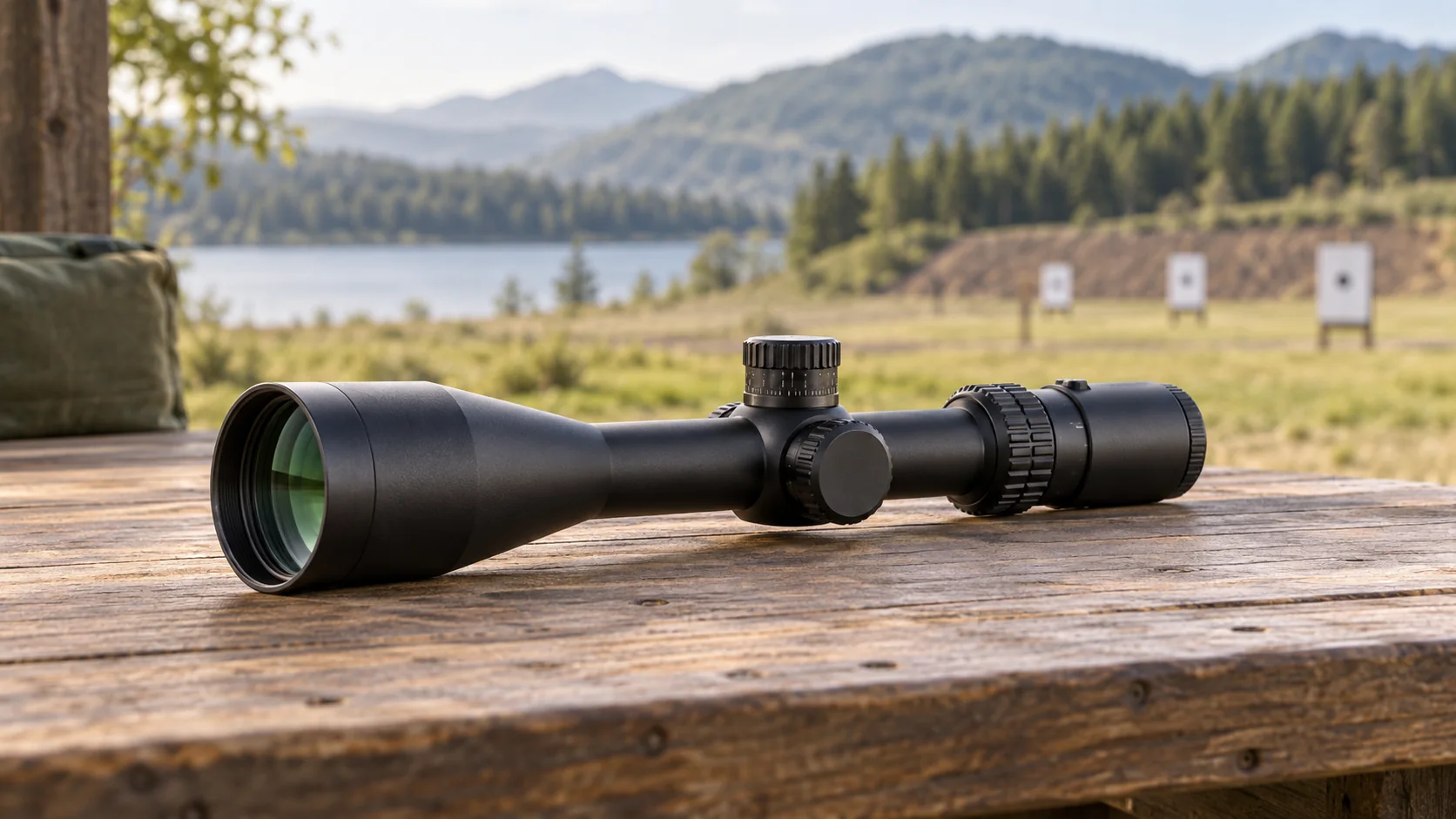
Start with the distance you will really use
Be honest about your normal use, not the longest distance you might try once someday.
If you mainly practise at a local range, look at the distances available there. If the scope is for hunting or general outdoor use, think about the terrain and the size of the target. Open ground, woodland and a fixed bench each place different demands on an optic.
At closer distances, a low minimum magnification and a wide field of view can make the scope quicker and more comfortable to use. At longer distances, extra magnification may help you see smaller details, but it also makes movement more noticeable and usually asks more from your shooting position and setup.
This is why a balanced magnification range is often more useful than the highest number on the box.
High magnification is not free
Scopes with a higher magnification range often cost more because the optical and mechanical design is more demanding. Keeping the image useful across a wide zoom range requires more than simply printing a larger number on the magnification ring.
Price is not determined by magnification alone, though. Glass quality, coatings, adjustment mechanism, reticle design, focal plane, construction and quality control all matter. A well-made scope with a moderate range can cost more than a budget model with much higher advertised power—and may give a better overall experience.
There are practical trade-offs too. At high magnification:
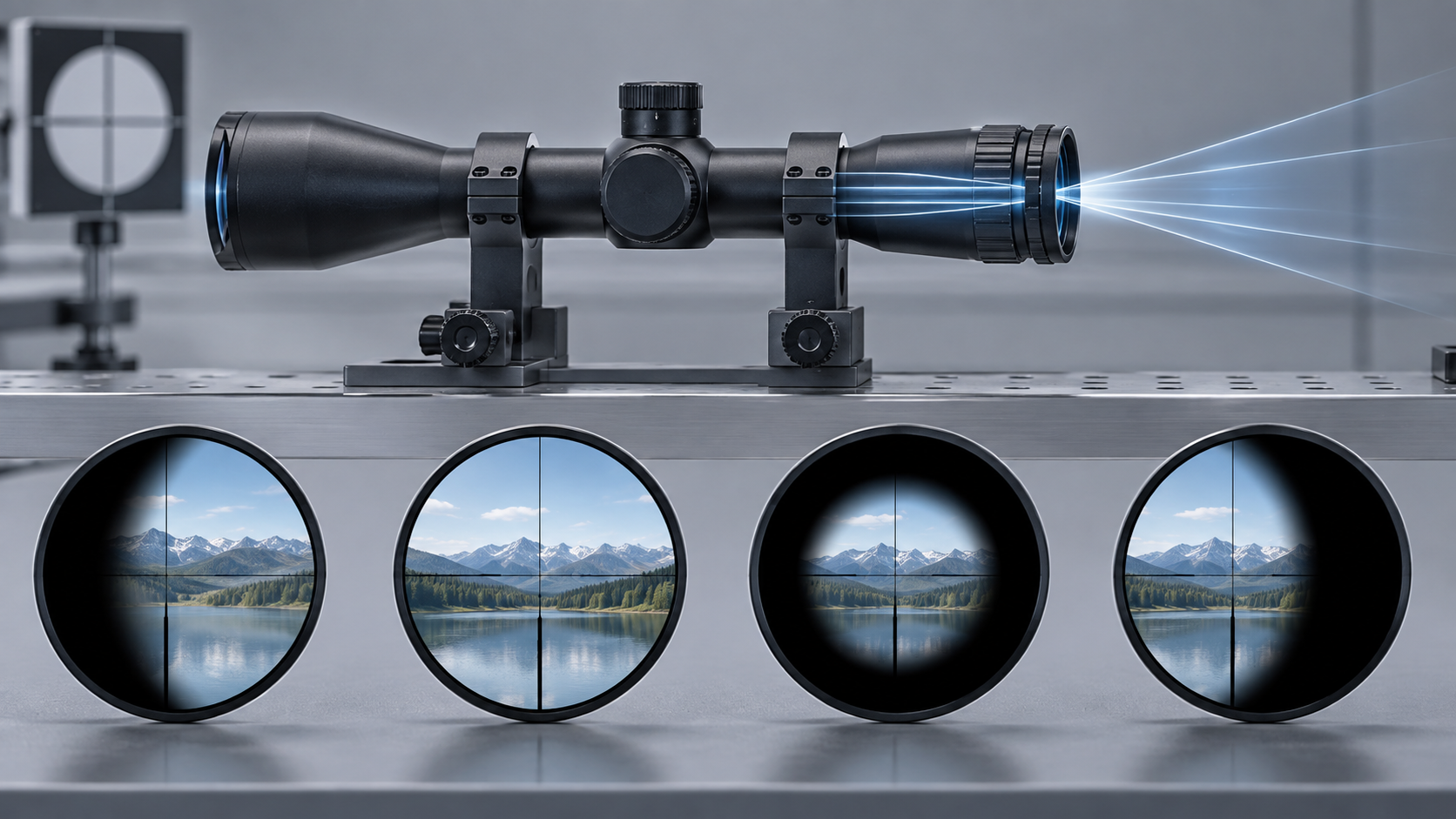
- the field of view becomes narrower;
- small movements appear larger;
- eye position may feel less forgiving;
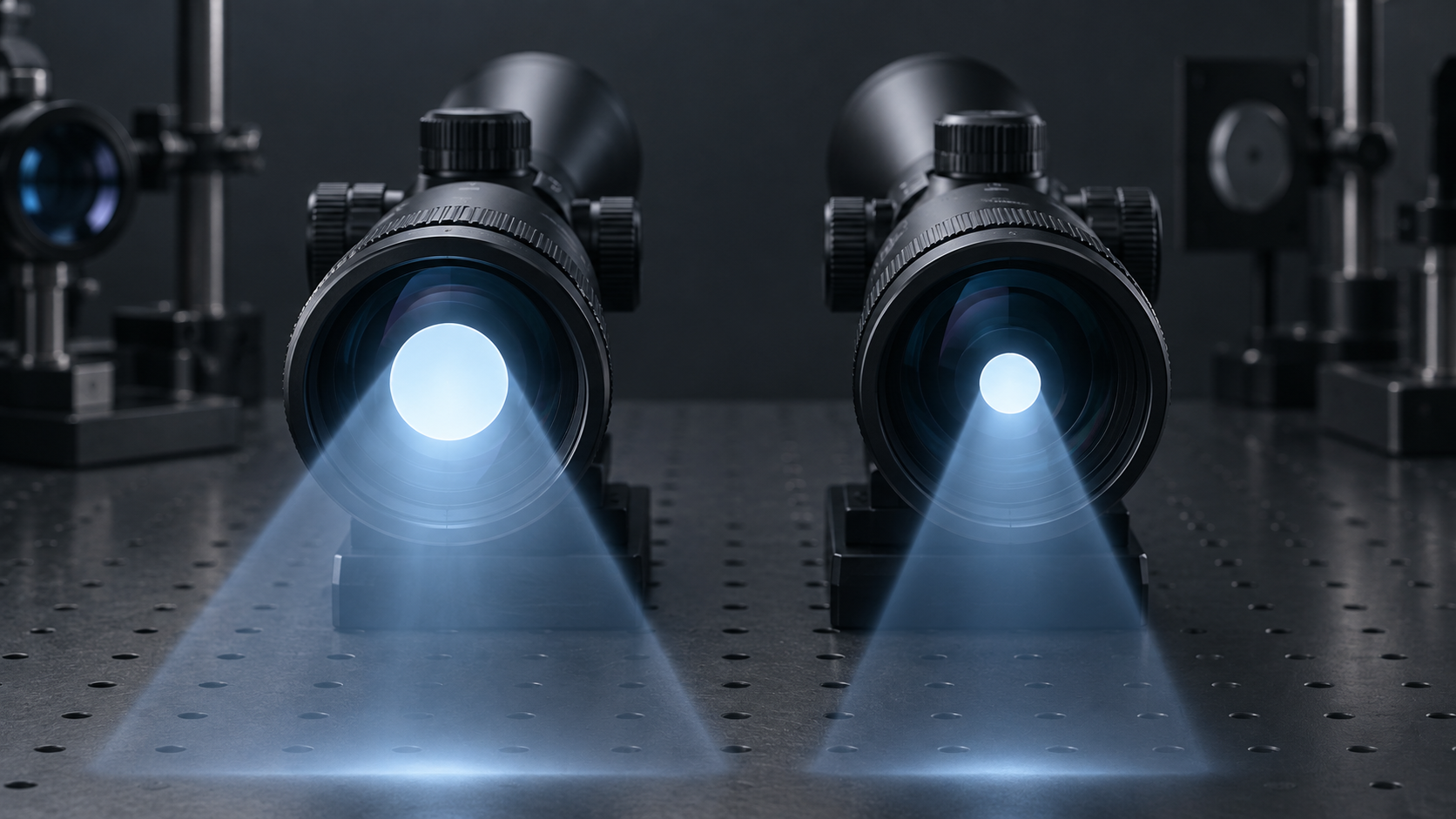
- the exit pupil becomes smaller;
- heat shimmer and poor atmospheric conditions become more visible;
- a stable position becomes more important.
None of this makes high magnification bad. It simply means that more power is useful only when the rest of the situation supports it.
Your first scope does not need to be your last scope
Many beginners try to buy one scope that will cover every possible future use. That sounds economical, but it can lead to overspending on features they do not yet understand or need.
There is nothing wrong with starting with a simpler, entry-level model that matches your current distance and budget. Your first scope is where you learn what specifications feel like in real use: how much low-end field of view you prefer, whether the eye box feels comfortable, how often you adjust magnification, and which controls you actually touch.
You will also learn the basics of mounting, finding a natural eye position, focusing the reticle and maintaining a consistent sight picture. Those lessons matter. Extra magnification cannot correct an awkward mounting position or inconsistent eye alignment.
After some time behind the optic, your next purchase becomes much easier. Instead of guessing, you can say exactly what is missing: more detail at distance, better low-light contrast, a different reticle, more adjustment range or a more forgiving viewing position.
That is a much better reason to upgrade than simply wanting a larger number.
Set a budget for the complete setup
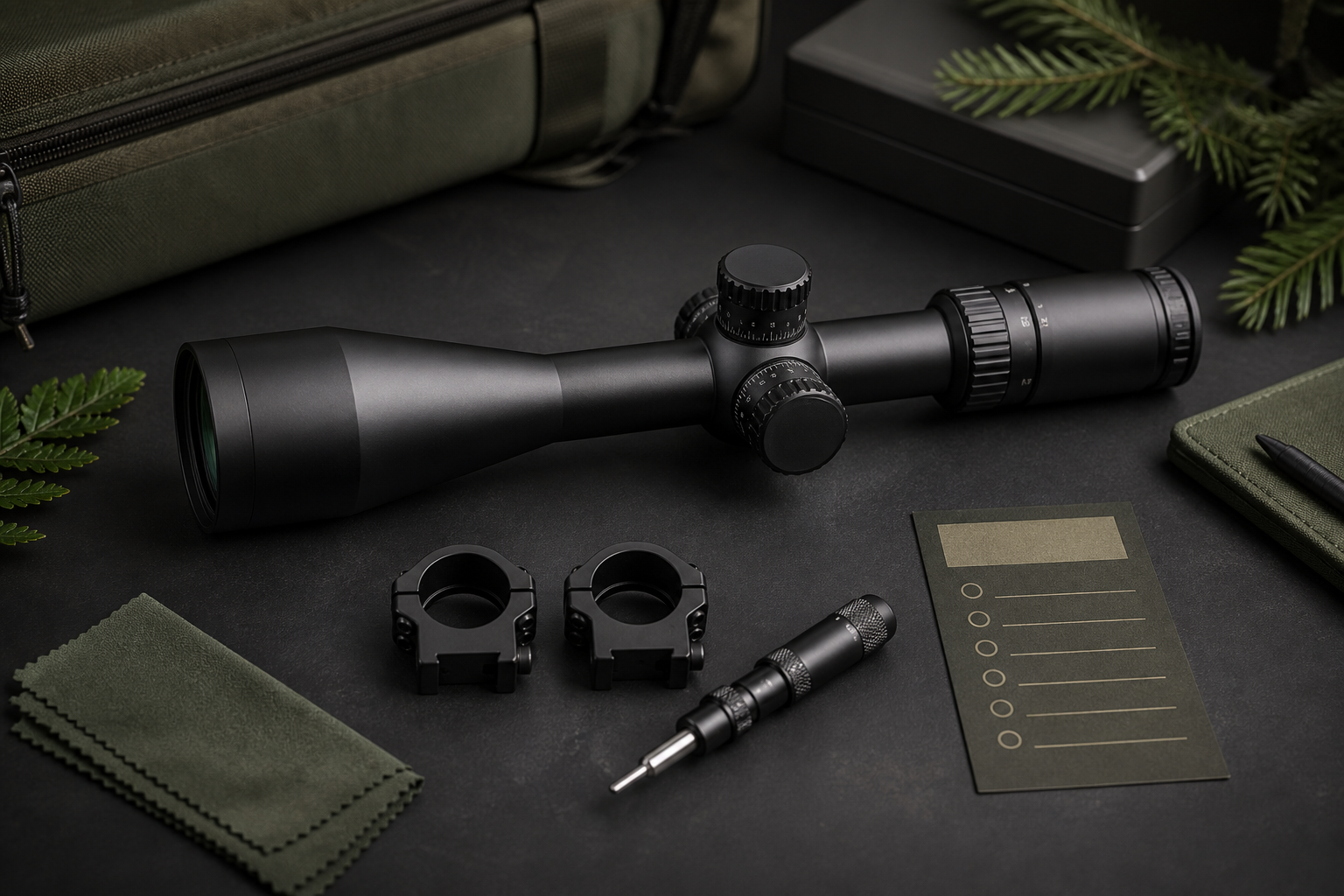
The price of the scope is not always the full cost. Depending on your equipment, you may also need suitable rings or a mount. Spending nearly the entire budget on magnification and then choosing the cheapest possible mounting solution can leave the overall setup less reliable or less comfortable than expected.
Before shopping, decide on a total budget. Then separate what is essential now from what might be useful later.
For a first scope, the essentials are usually straightforward:
- a magnification range suited to your normal distance;
- enough eye relief for a comfortable and appropriate setup;
- a reticle you can understand without unnecessary complexity;
- controls that are clear and repeatable;
- construction suitable for the conditions in which you will use it;
- compatible mounting dimensions.
Features such as illumination, a first-focal-plane reticle or a large objective can be valuable, but they should solve a real need rather than fill a specification list.
Five questions to ask before choosing
If you are comparing options in our sporting optics category, these five questions will usually narrow the field faster than sorting by maximum magnification:
- What distance will I use most often? Base the choice on your regular practice, not an occasional best-case distance.
- How important is a wide view at low power? This matters when targets are closer, the viewing area is busy or you need to find the target quickly.
- Will I really use the highest setting? If the answer is “probably not,” you may get better value from a more modest range.
- Which features can I explain a need for? If you cannot yet say why you need a particular reticle, focal plane or adjustment system, do not pay extra for it automatically.
- Does my budget include the mount or rings? Judge the cost as a complete, usable setup.
When is it time to move up?
Upgrade when your current scope creates a real limitation that you can identify.
Perhaps you now practise at longer distances and cannot see the detail you need. Maybe you have learned that you prefer a reticle that remains useful across the magnification range, or you want more consistent adjustments for repeated changes. You may also need better contrast in difficult light or a different balance of size and weight.
At that point, a higher-priced or higher-magnification model is not just an upgrade on paper. It answers a requirement you discovered through experience.
A sensible first choice leaves room to learn
The best beginner scope is not necessarily the cheapest one, and it is rarely the one with the highest possible magnification. It is the one that fits the distances you actually use, covers the features you understand today and leaves enough room in the budget for a sound overall setup.
Start with practical needs. Learn what each adjustment does and pay attention to what feels comfortable. Once your experience grows, you will know whether more magnification is genuinely useful—and you will be in a much better position to choose the right upgrade.
If you are still narrowing down the options, take a look through our optics buying guides. They explain magnification, focal planes, adjustment systems and the main scope types in plain language, so you can compare the features that actually matter to you before you buy.


Leave a comment