Over the last two years, low-power variable optics have appeared more often in product catalogues, reviews and buyer discussions. The LPVO itself is not new. What has changed is that more users now understand the role it fills, while a wider range of magnification options and feature combinations has made the format easier to compare.
The central appeal is simple: an LPVO combines a wide low-power view with useful magnification in one optical system. That versatility makes it attractive for sporting, range, hunting and outdoor setups where viewing distance can change. But popularity does not mean an LPVO is automatically the best choice for everyone.
What Is an LPVO?
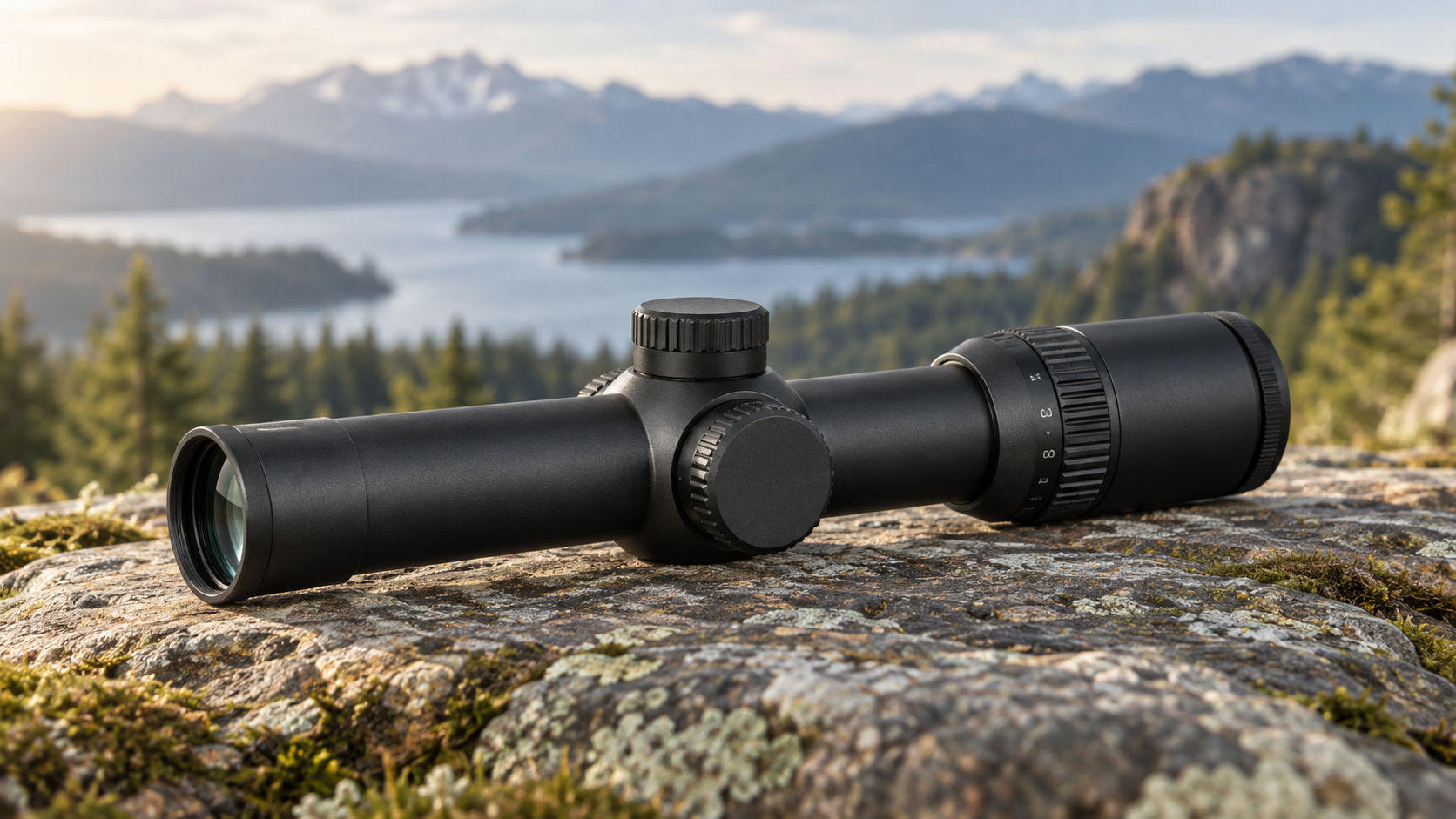
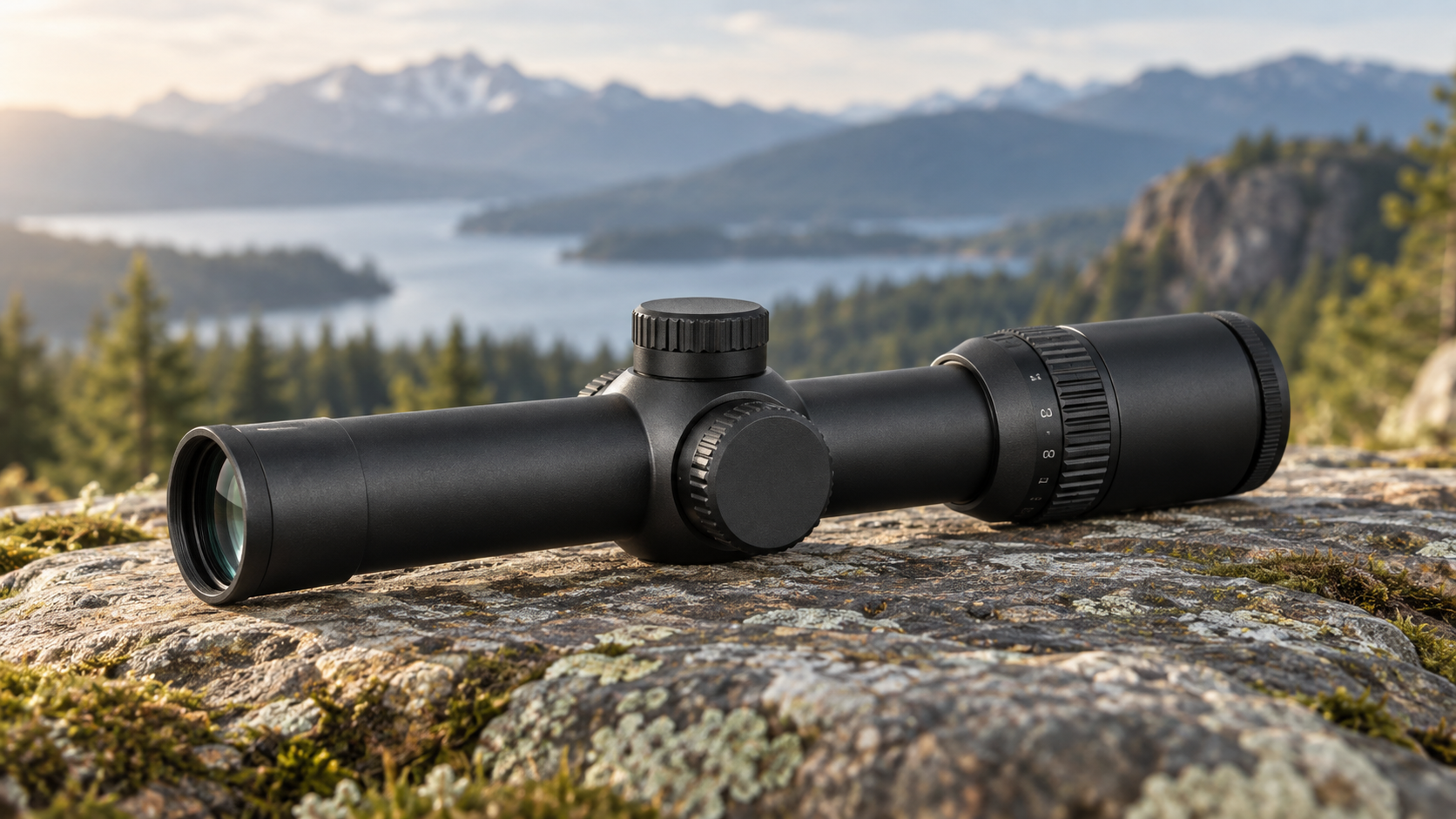
LPVO stands for Low-Power Variable Optic. Most examples begin at 1× or near 1× and extend to 4×, 6×, 8× or 10×. The low end is intended to preserve a broad field of view and fast visual orientation, while the upper end provides more detail at medium distance.
This ability to move between different magnification levels is the foundation of the current interest. Buyers who want to compare available configurations can browse the USEEIN Sporting Optics catalogue without being directed to a specific product.
1. One Optic Can Cover More Viewing Distances
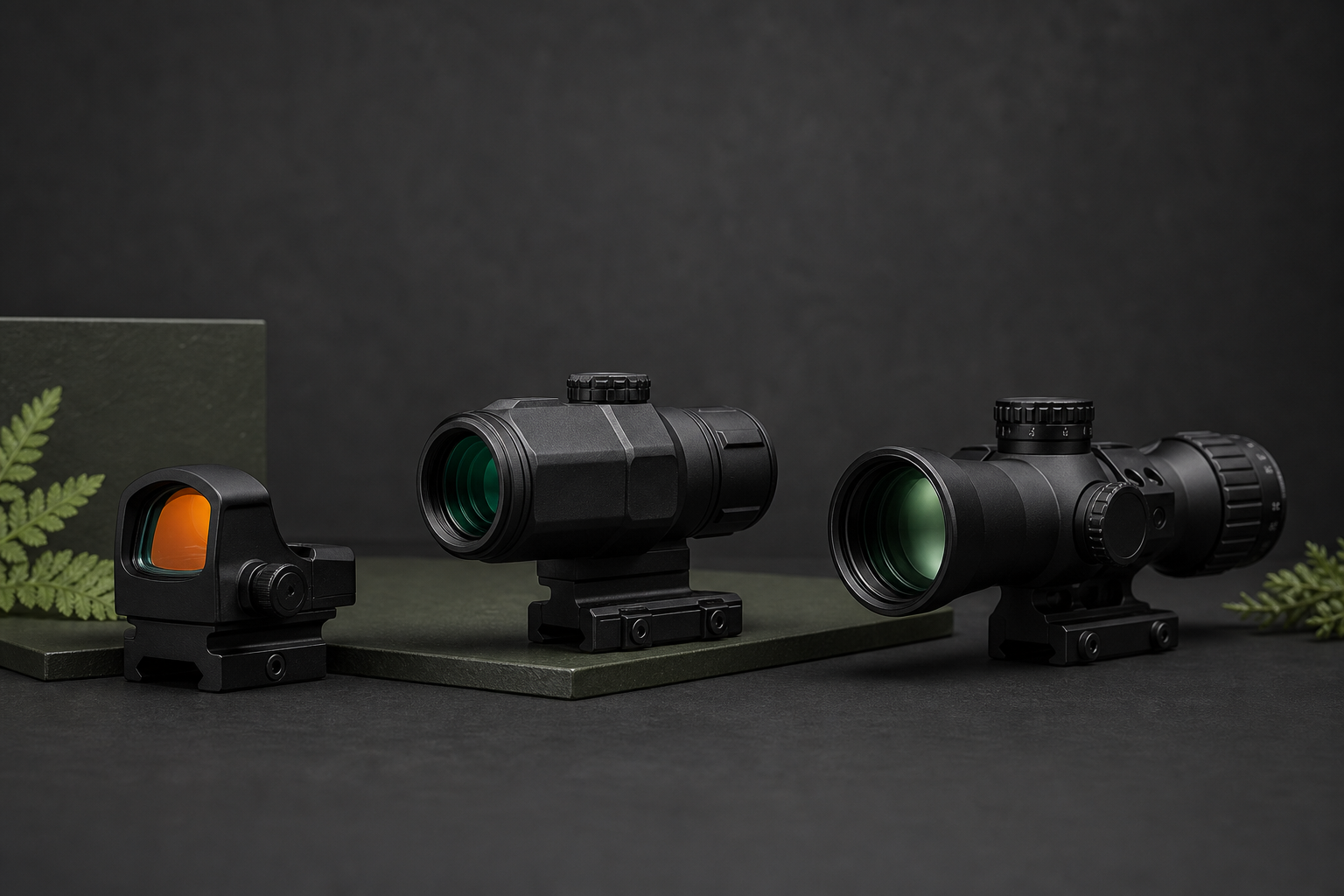
A fixed-power optic is optimized around one magnification. A red dot remains at 1×. A high-magnification scope usually begins above the range that feels natural for very close viewing. An LPVO sits between these categories.
At the low end, the user can retain a relatively open view. When the target or observation point is farther away, the magnification ring can be turned up for additional detail. The result is not perfect performance at every distance, but a practical compromise across several distances.
This matters because many buyers are no longer choosing an optic for only one narrowly defined task. They want one setup that remains useful when the pace, target size or distance changes.
2. Buyers Better Understand the Value of the Low End
For years, optics were often compared mainly by their largest magnification number. That approach overlooks field of view, eye position, image speed and the ability to find a target quickly.
Interest in LPVOs reflects a broader shift toward evaluating the complete magnification range. A usable 1× or low-power setting can be more valuable in many situations than adding another few points of maximum magnification. Our guide to choosing scope magnification explains why distance and field of view should come before the largest number on the box.
3. The 1–6×, 1–8× and 1–10× Choices Are Easier to Compare
The LPVO category now offers several recognizable ranges. A 1–6× design often emphasizes simplicity, a forgiving low end and lower weight. A 1–8× design adds more detail while remaining a general-purpose option. A 1–10× design stretches the concept farther toward medium-distance observation, but may demand more careful eye position at the highest setting.
These are tendencies, not guarantees. Optical quality, field of view, eye relief, eye box and reticle design can matter more than the printed zoom ratio. See our complete 1–6× vs 1–8× vs 1–10× LPVO comparison before selecting a range.
4. Reticles and Illumination Have Become More Practical
Modern LPVO discussions focus increasingly on how the reticle behaves at both ends of the magnification range. At low power, a bold centre feature or well-controlled illumination can help the eye find the aiming reference quickly. At higher power, finer reference marks can support more deliberate viewing and adjustment.
Reticle design also makes the choice between first and second focal plane more important. In an FFP optic, the reticle changes apparent size as magnification changes, keeping its scale proportional. In an SFP optic, the reticle appears a consistent size, but its reference values are normally correct at one specified magnification. Our FFP vs SFP guide covers this distinction in detail.
5. A Single Integrated System Is Easy to Understand
An LPVO places the magnification control, reticle and adjustments in one housing. For many buyers, that is simpler to plan than combining a separate 1× sight with an additional magnifier. There is one optical axis, one reticle system and one main set of controls to learn.
That simplicity is one reason the category attracts users building a general-purpose setup. It does not make the system physically lighter in every case, and it still requires correct mounting, eye-relief setup and practice with the magnification ring.
6. More Education Has Reduced the Learning Barrier
LPVOs include more variables than a simple fixed-power sight: magnification range, focal plane, reticle scale, turret units, illumination, eye relief, tube diameter and mounting height. A few years ago, this combination could feel confusing to a new buyer.
Today, comparison guides and product specifications make those differences easier to understand. Buyers can learn why a matched reticle and adjustment system matters by reading our MOA vs MRAD guide, then compare categories with a clearer checklist.
7. The Format Fits the Demand for Versatility
The strongest reason for recent LPVO momentum is not one isolated technical breakthrough. It is the market's growing preference for equipment that performs more than one role reasonably well.
An LPVO can support a broad low-power view, moderate magnification and an etched reticle in one package. That combination is easy to explain, easy to demonstrate and relevant to many lawful sporting and outdoor applications. As more users see the concept in practice, the category becomes more familiar and receives more attention.
The Trade-Offs Still Matter
An LPVO is versatile, but every variable optic involves compromise. Buyers should consider the following limitations:
- Eye position: an LPVO has an eye box and eye-relief requirement. It does not feel identical to looking through a red dot.
- Weight and size: the optic and its mount may weigh more than a compact unmagnified sight.
- High-power performance: a 1–10× optic does not automatically provide the same comfort, exit pupil or image quality as a purpose-built high-magnification scope.
- Low-power distortion: “true 1×” on a specification sheet does not guarantee a perfectly natural-looking image for every user.
- Complexity: more controls and reticle information require more setup and familiarity.
- Cost: achieving a bright low-power image, useful illumination and good high-power clarity in one compact system can increase price.
If close-range speed is the only priority, the Red Dot Sights catalogue may offer a simpler starting point. If an etched reticle and fixed magnification are preferred, compare the Prism Scopes catalogue. Our guide comparing red dots and prism optics provides additional context.
How to Choose an LPVO Without Following the Trend Blindly
- Define the closest and farthest realistic viewing distances. Do not choose magnification from online popularity alone.
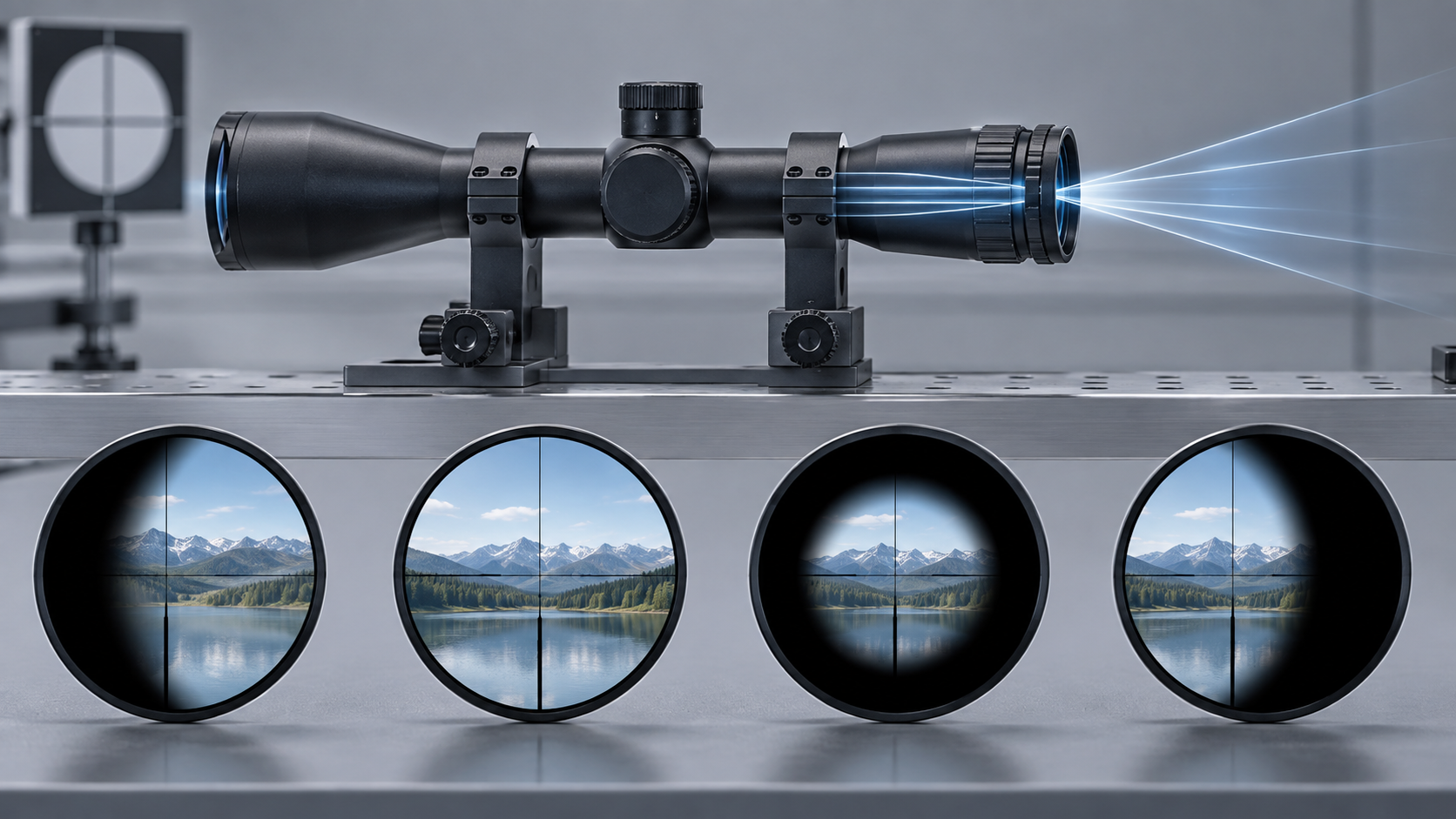
- Prioritize the low end. Check field of view, eye box, eye relief and how natural the image feels at 1×.
- Select a sensible upper magnification. Choose 6×, 8× or 10× according to the detail you actually need.
- Choose FFP or SFP deliberately. Decide whether reticle references must remain proportional throughout the zoom range.
- Match the reticle and turret units. A consistent MOA/MOA or MRAD/MRAD system is easier to learn.
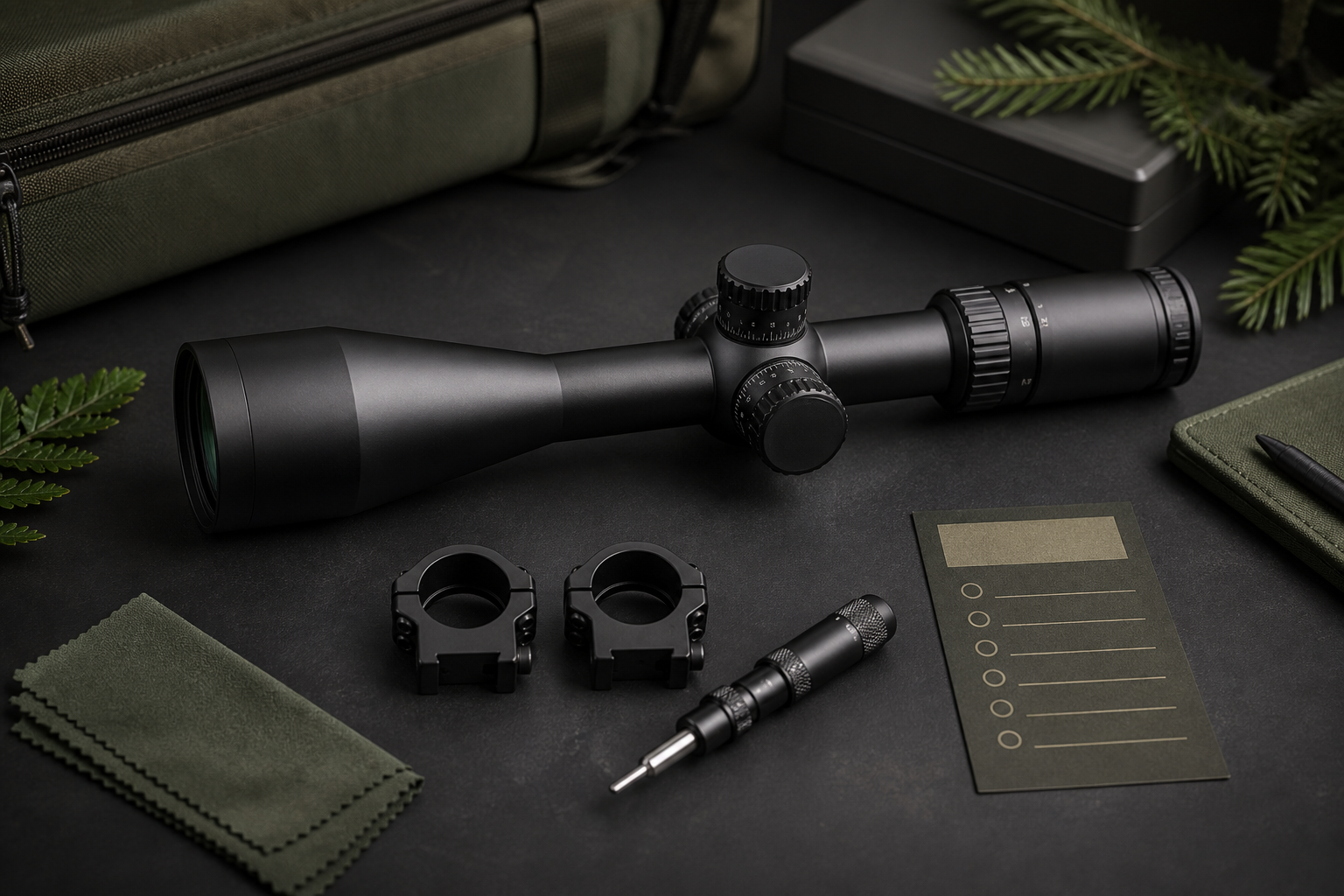
- Confirm mounting requirements. Check tube diameter, available mounting length, ring height, total weight and eye-relief position.
- Compare complete specifications. Glass quality, illumination, adjustment feel and weather protection can be more important than zoom ratio.
For a broader selection process, read How to Choose a Magnified Optic and then explore the Sporting Optics product catalogue by category rather than jumping to a single model.
Final Thoughts
LPVOs have become more visible in recent years because they match a practical demand: one optic that can move from a broad low-power view to useful magnification as distance changes. Better-informed buyers, clearer magnification categories and more practical reticle choices have reinforced that appeal.
The important point is not that an LPVO has replaced every other sight type. It has become popular because it occupies the middle ground well. The right choice still depends on realistic distance, viewing pace, optical priorities, weight, mounting requirements and budget.


Leave a comment