Weight and length are easy specifications to skip. Magnification, objective diameter and reticle type look more exciting, while a few extra ounces or centimetres can seem harmless on a product page. In use, however, those dimensions help decide whether an optic feels balanced, mounts cleanly and remains comfortable over time.
The useful question is not simply, “Which scope is lighter?” It is, “How will this optic fit the complete setup and the way I expect to use it?”
Weight changes the whole system
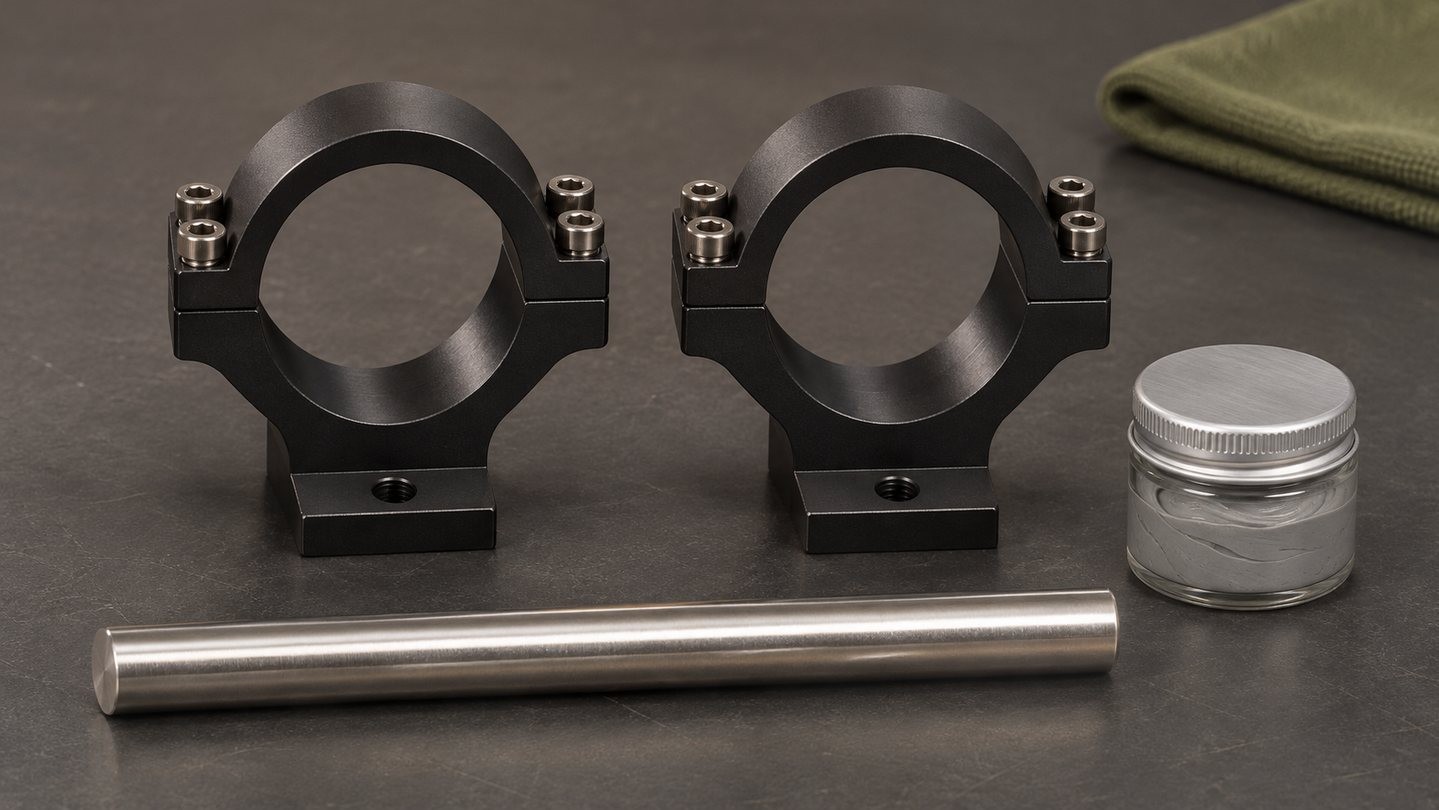
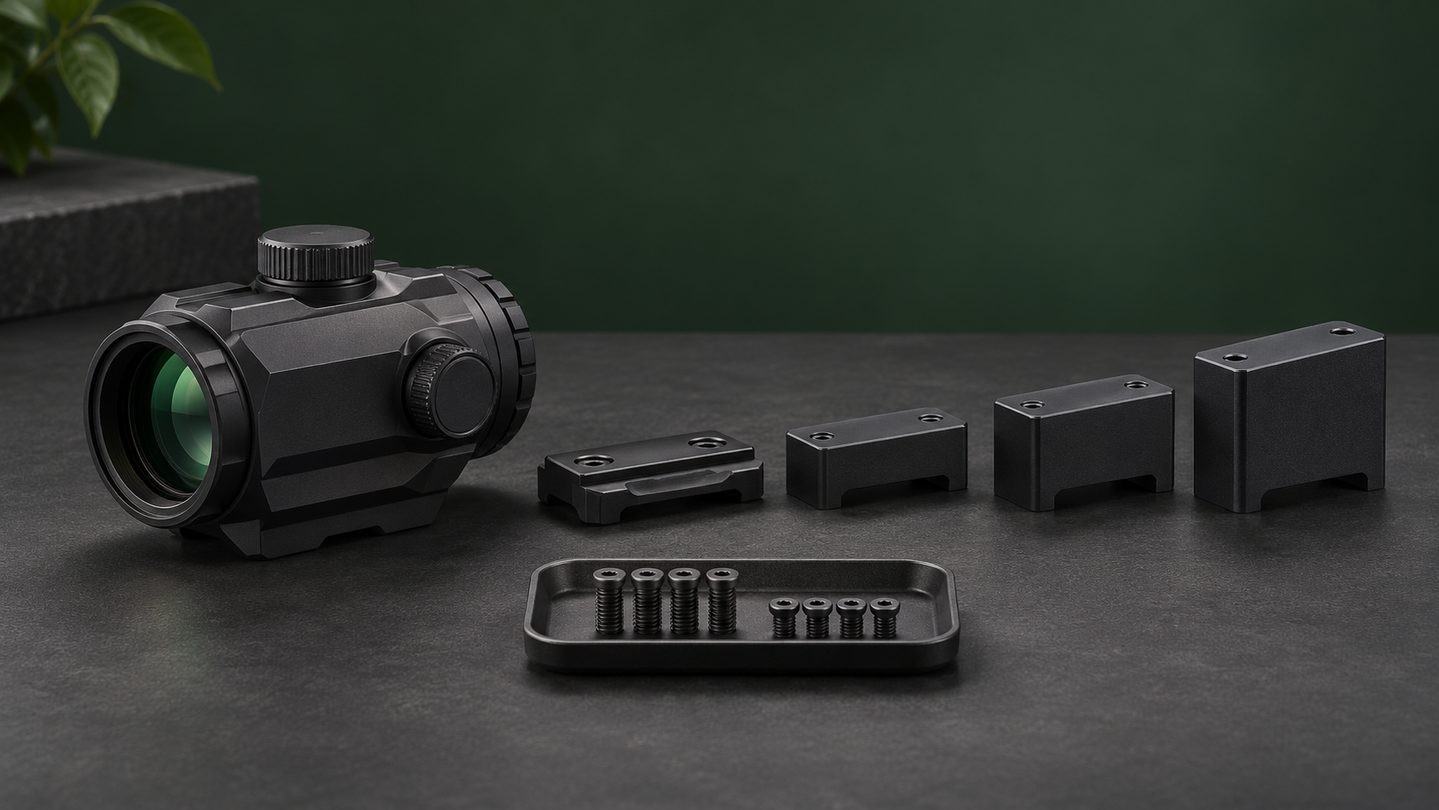
Scope weight is only one part of total carried weight. Rings or a one-piece mount, lens caps and accessories add more. A heavier optic placed high above the receiver can also feel more noticeable than the same mass kept low and close to the centre of the system.
Extra weight is not automatically bad. Larger adjustment assemblies, wider magnification ranges and more robust housings can add mass for understandable reasons. The trade-off is slower handling and more effort during long periods of carrying or unsupported viewing. Compare complete configurations rather than isolated scope numbers.
Length affects mounting freedom
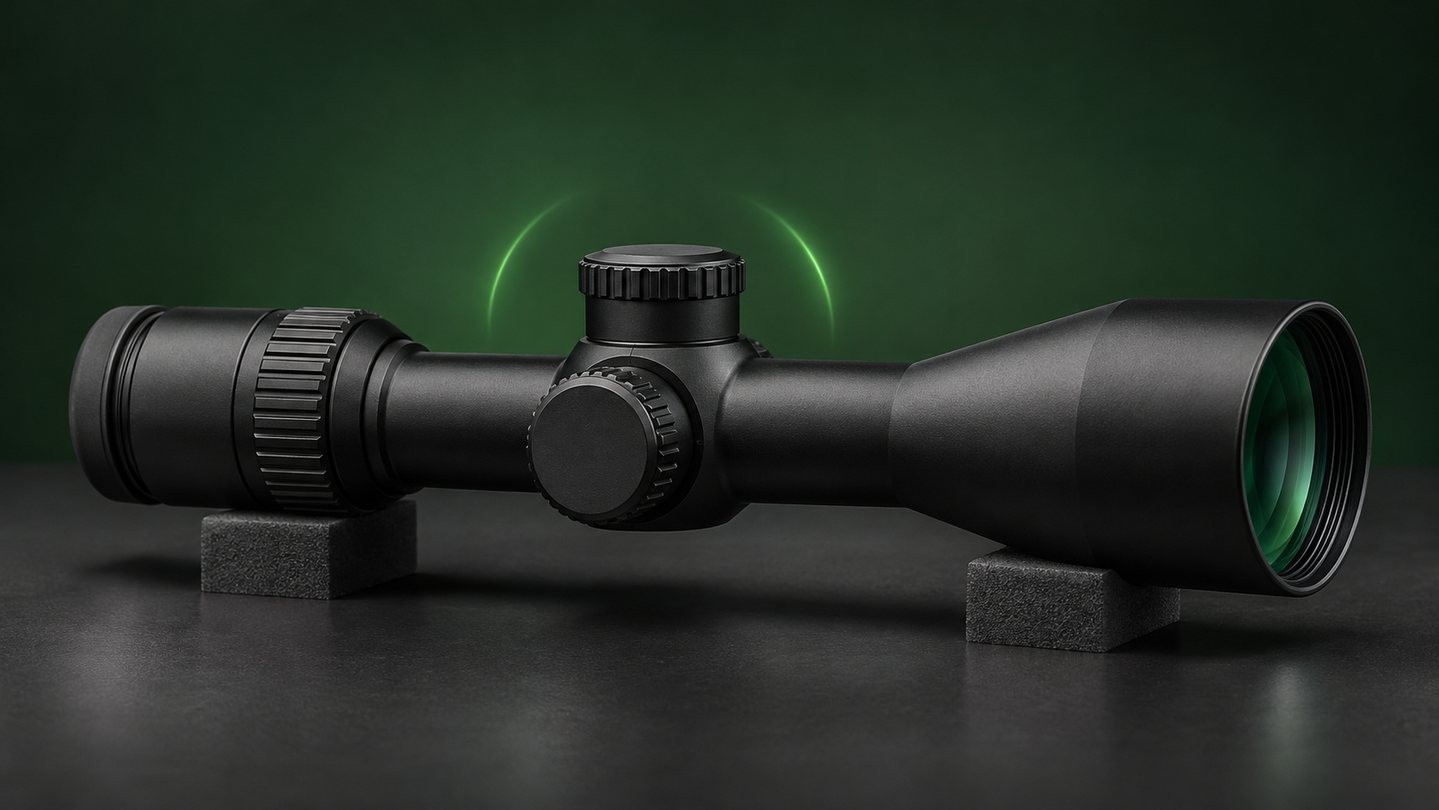
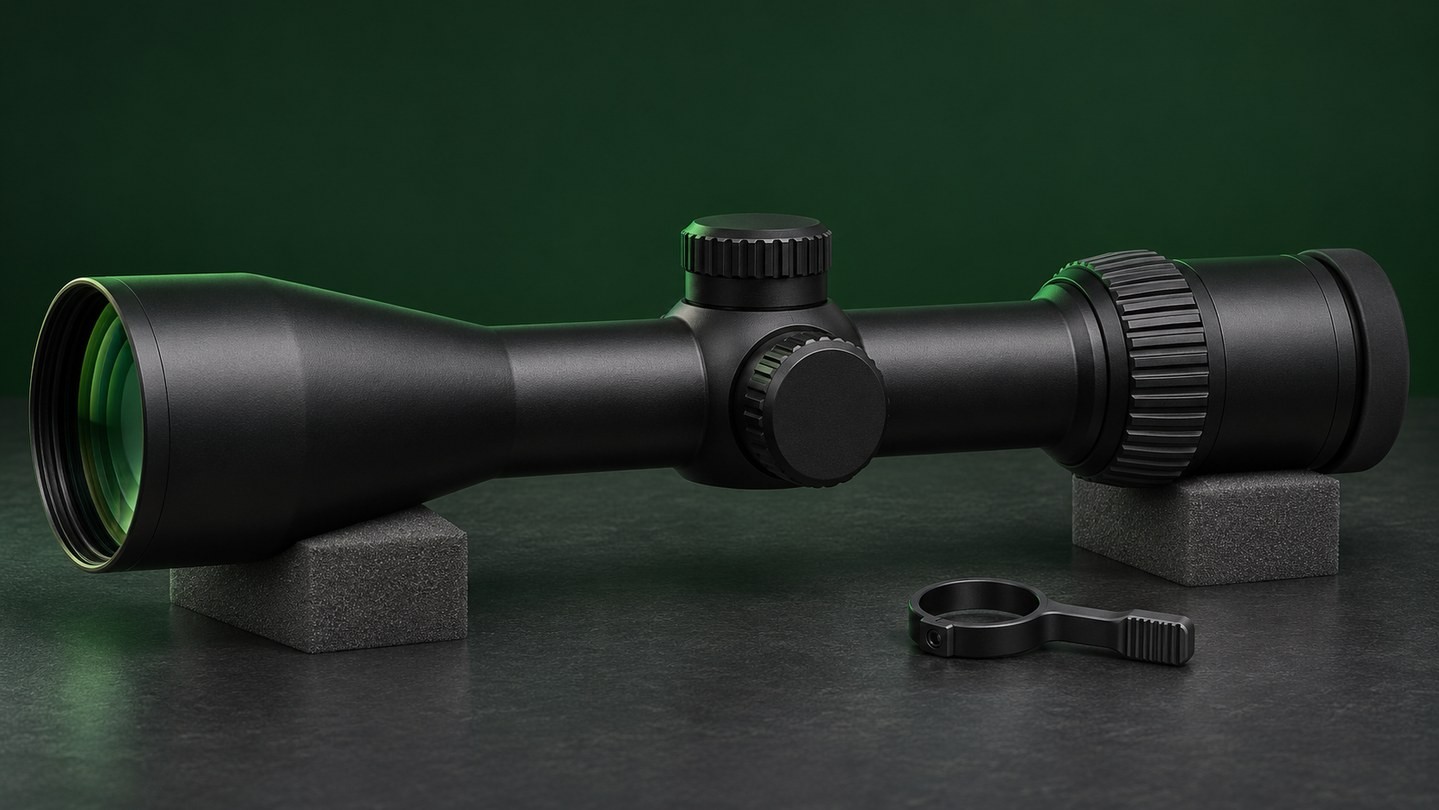
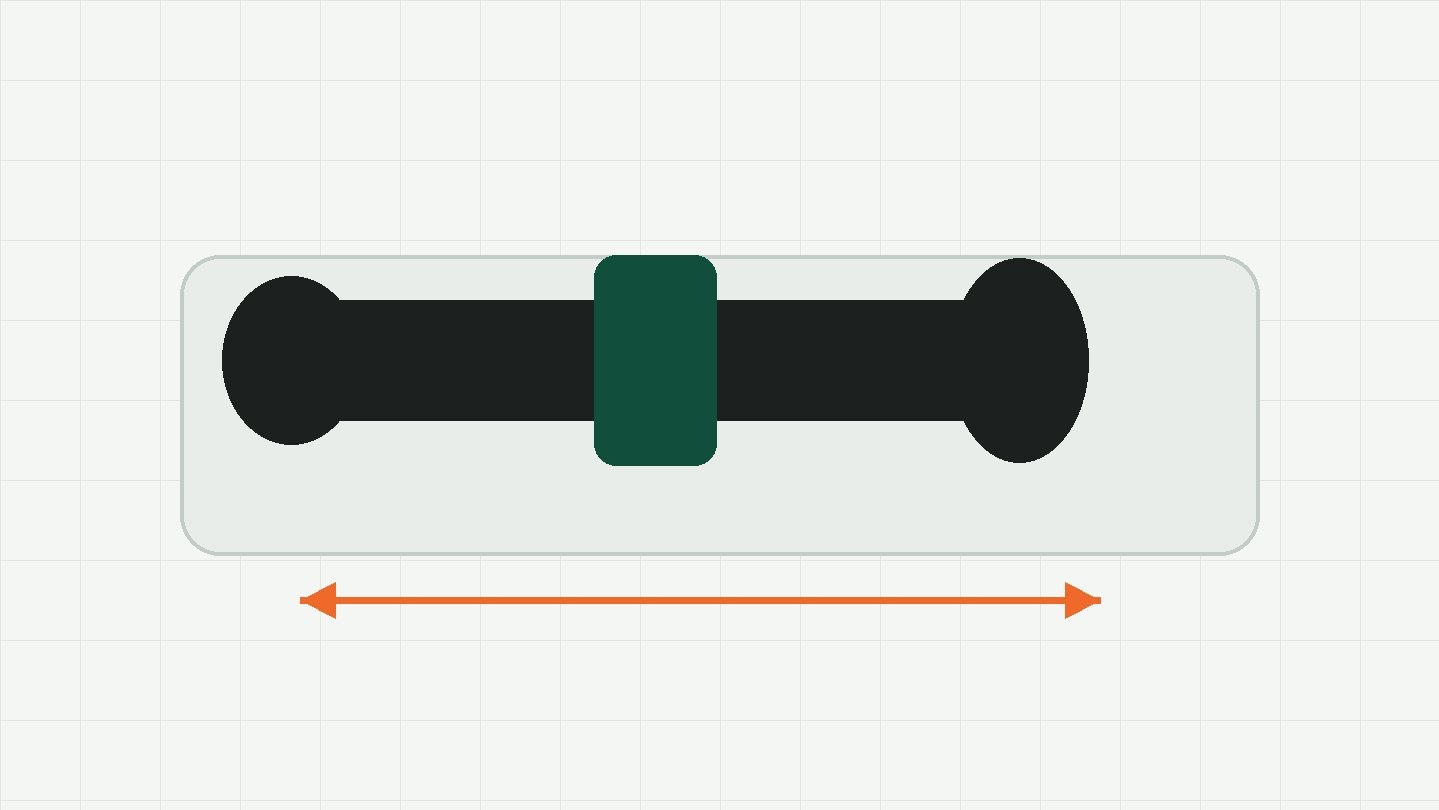
Overall length does not tell the entire story. The straight tube sections available for the rings matter just as much. A long scope with short mounting areas may offer less fore-and-aft adjustment than expected. A compact optic may create the opposite problem if the receiver or rail spacing is long.
Before buying, check the tube length on both sides of the turret saddle, the spacing your mount requires and where the eyepiece must sit for a full sight picture. Product drawings with dimensions are far more useful here than a beauty photograph.
Balance is more important than the scale alone
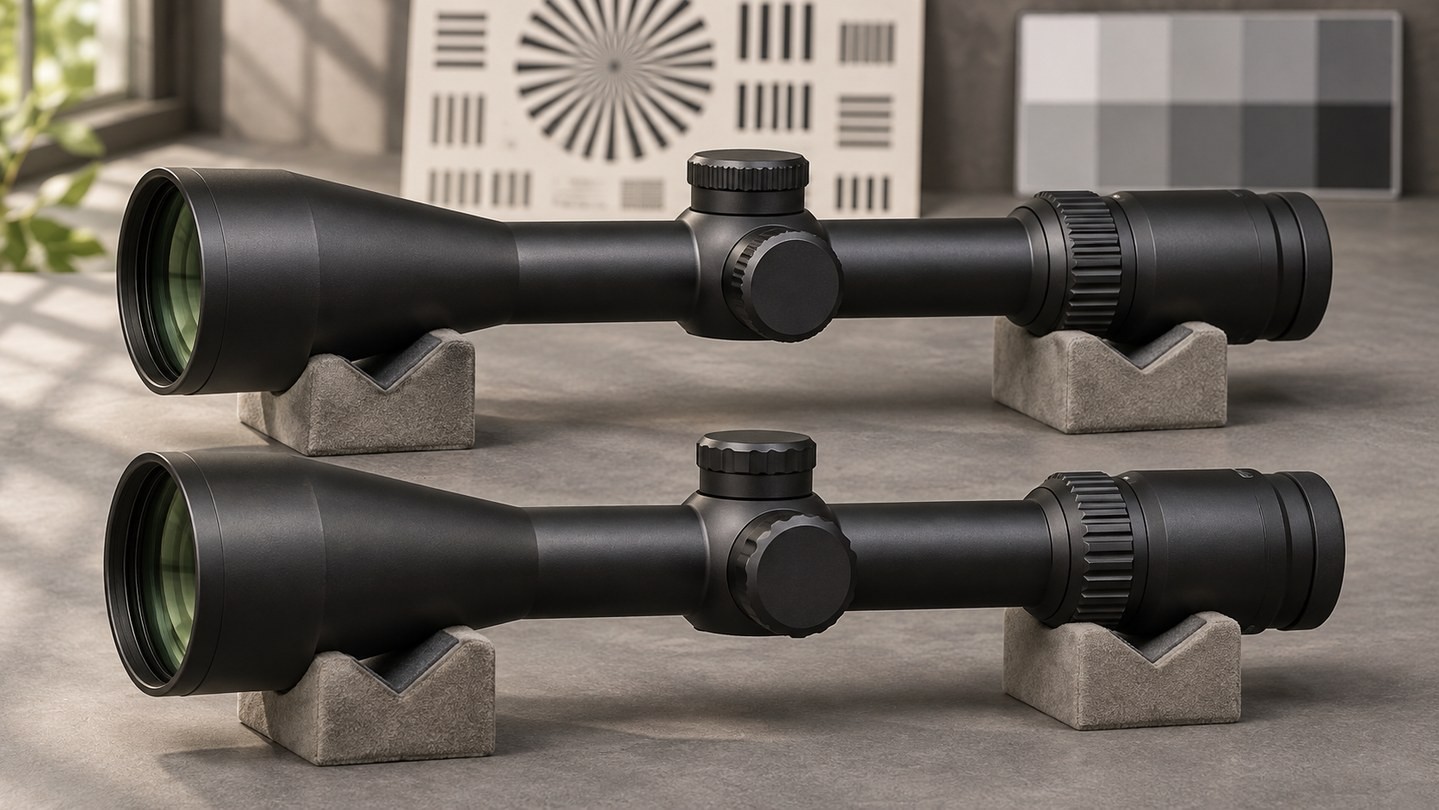
Two optics with the same listed weight can feel different because the mass is distributed differently. A large objective and long front section move more weight forward. A large eyepiece, illumination unit or rear-mounted control shifts it back. Mount height and position amplify those differences.
This is why a very light scope is not always the best answer and a heavier one is not automatically unwieldy. A well-positioned optic can feel neutral, while a lighter optic mounted too far forward can still feel nose-heavy.
Eye relief must be set in your real position
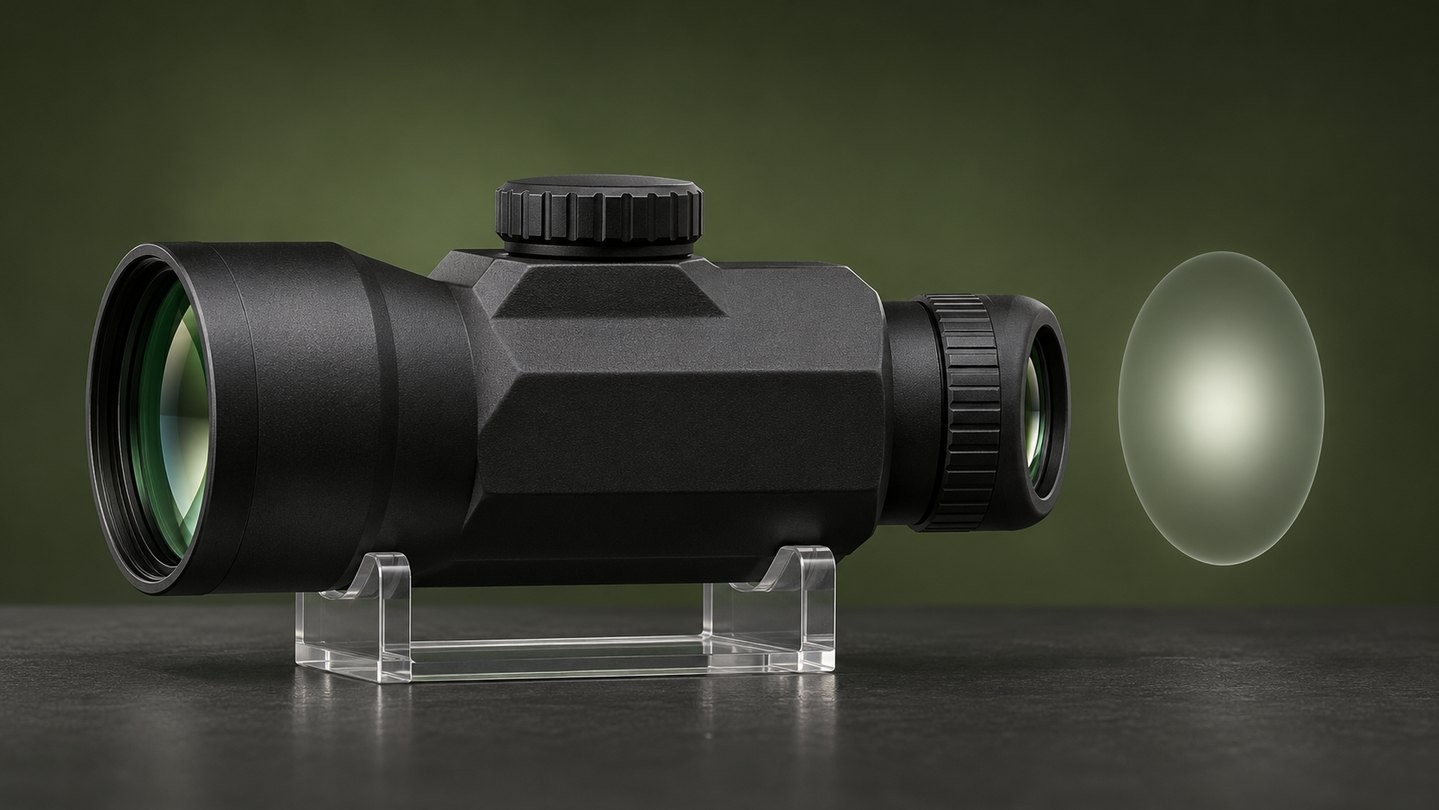
Mounting space should serve eye relief, not force you to accept a poor position. Set a variable-power scope at the magnification where eye relief is most critical, assume your normal viewing posture and move the optic only until a full field of view appears. If the available ring or rail positions cannot achieve that, a different mounting solution may be needed.
Do not copy another person’s position without checking it yourself. Body proportions, stock geometry and normal posture can all change the required location.
A practical pre-purchase checklist
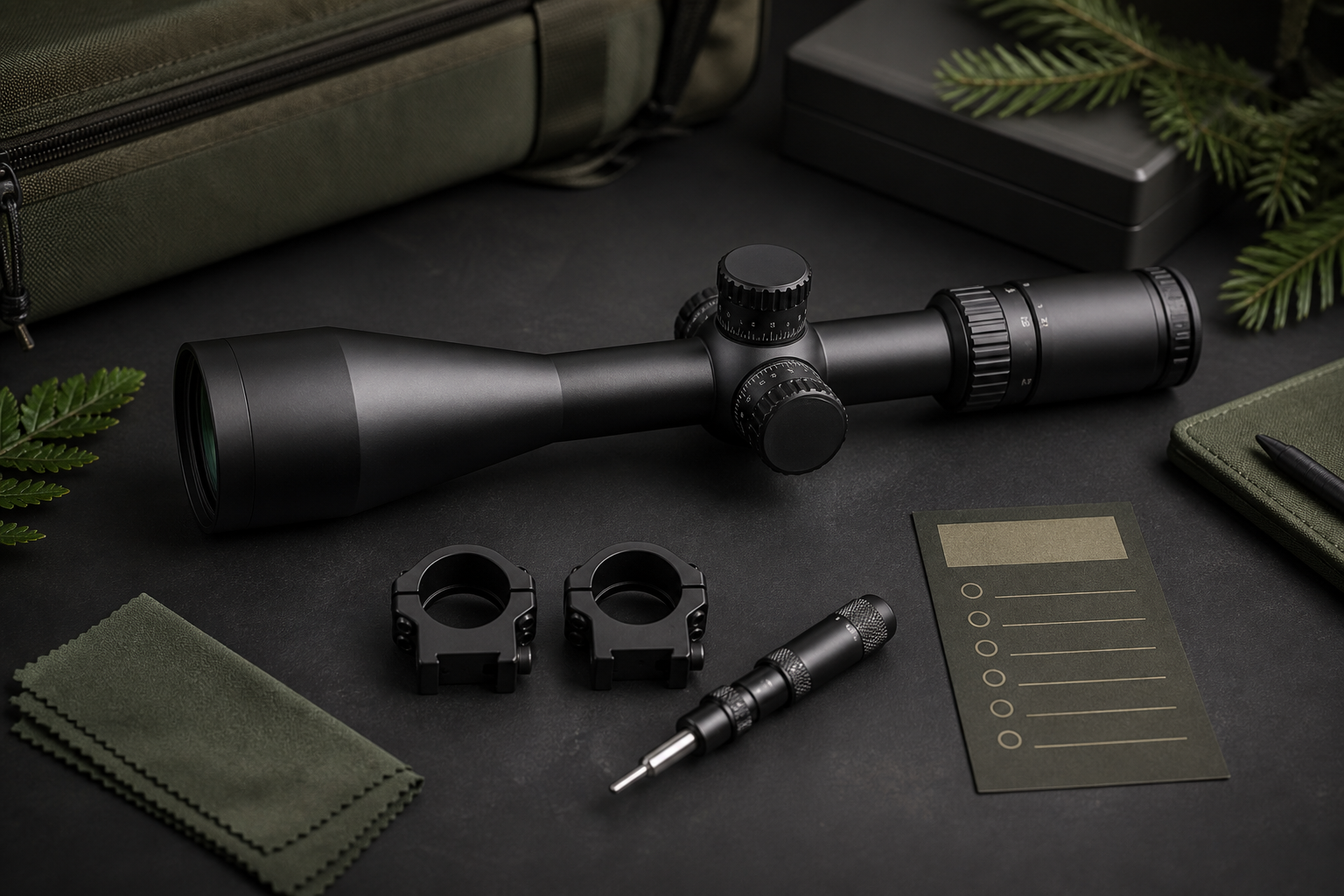
- Compare total system weight, including the mount.
- Check usable tube length, not only overall length.
- Confirm objective and eyepiece clearance.
- Make sure the mount allows enough fore-and-aft adjustment for eye relief.
- Decide whether compact handling or extra optical/features matter more for your normal use.
The best specification is the one that fits the complete system. Weight and length are not secondary details; they are part of how the optic will feel every time it is picked up.
For more category-level comparisons, browse Sporting Optics or continue with the USEEIN Buying Guides.


Leave a comment