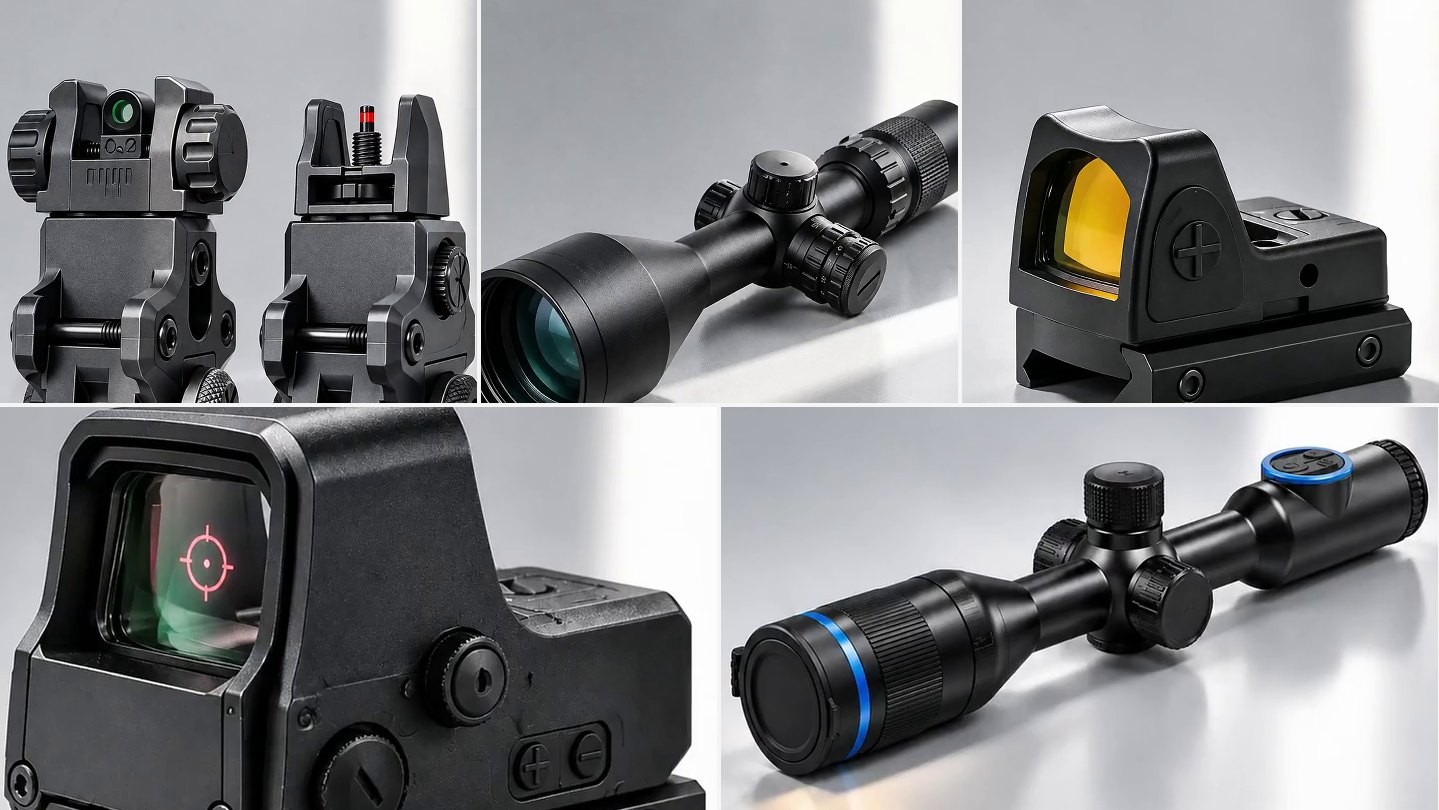
A sighting system should match the task, not simply look more advanced than the alternatives. The short video supplied for this article presents five familiar categories: iron sights, magnified riflescopes, red dot sights, holographic sights, and electronic optics with night-vision or thermal capability.
That is a useful starting point, but the categories do not all describe the same thing. Some are defined by the way they form an aiming reference. Others are defined by magnification, power source, or sensor technology. A better comparison asks what the shooter needs to see, how quickly the sight must be used, whether power is acceptable, and how much setup the system requires.
The Short Answer: Choose by the Job, Not the Shape
- Iron sights are the simplest option when independence from batteries and a compact backup matter most.
- Magnified riflescopes help reveal distant detail and support more deliberate aiming, but eye position and setup become more demanding.
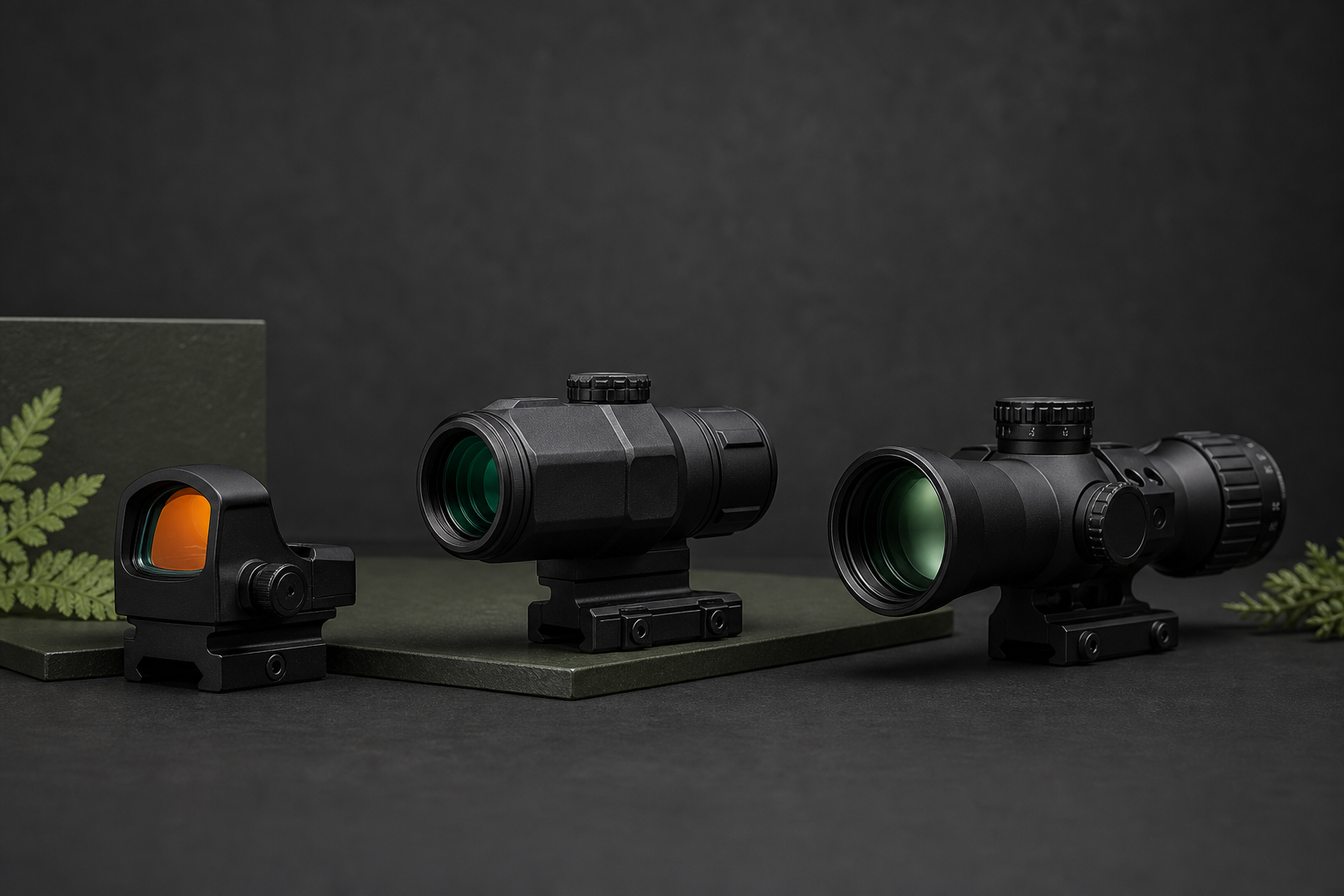
- Red dot sights provide an illuminated aiming point in a largely unmagnified view and favor fast, intuitive alignment.
- Holographic sights also provide a heads-up, usually unmagnified view, but create the reticle through holographic optics rather than a conventional LED-reflector arrangement.
- Electronic optics may add digital night vision, thermal imaging, recording, ranging, or other functions. They need to be compared by sensor type and intended conditions, not treated as one mechanism.
There is no universal winner. A durable backup sight, a daylight scope, a compact red dot, a true holographic sight, and a thermal device solve different problems.
1. Iron Sights: Simple, Compact, and Power-Free
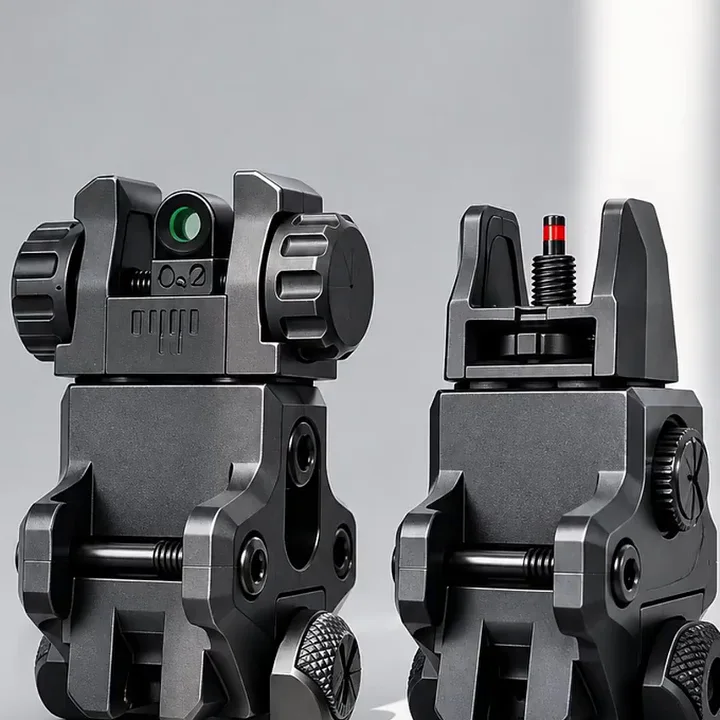
Iron sights use physical front and rear references. They do not need a battery to display the aiming reference, and they can remain compact when folded. That makes them useful as a primary sight on simple equipment or as a backup to another optic.
Their simplicity does not mean they require no skill. The user must align the eye, rear aperture or notch, front sight, and target. The eye also cannot keep every distance perfectly sharp at once, so a consistent focus strategy and repeatable head position matter.
Choose iron sights when low complexity, minimal power dependence, and backup capability are the priorities. Check mounting compatibility, deployed height, adjustment method, and whether the front and rear units are designed to share the same sight plane. A rugged-looking housing alone does not prove the pair will align correctly on a particular platform.
2. Magnified Riflescopes: Detail and Deliberate Aiming
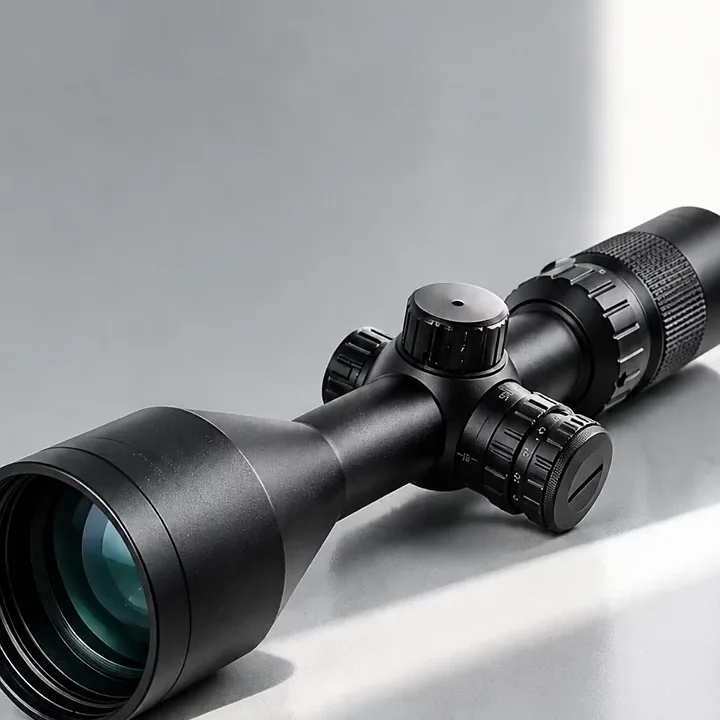
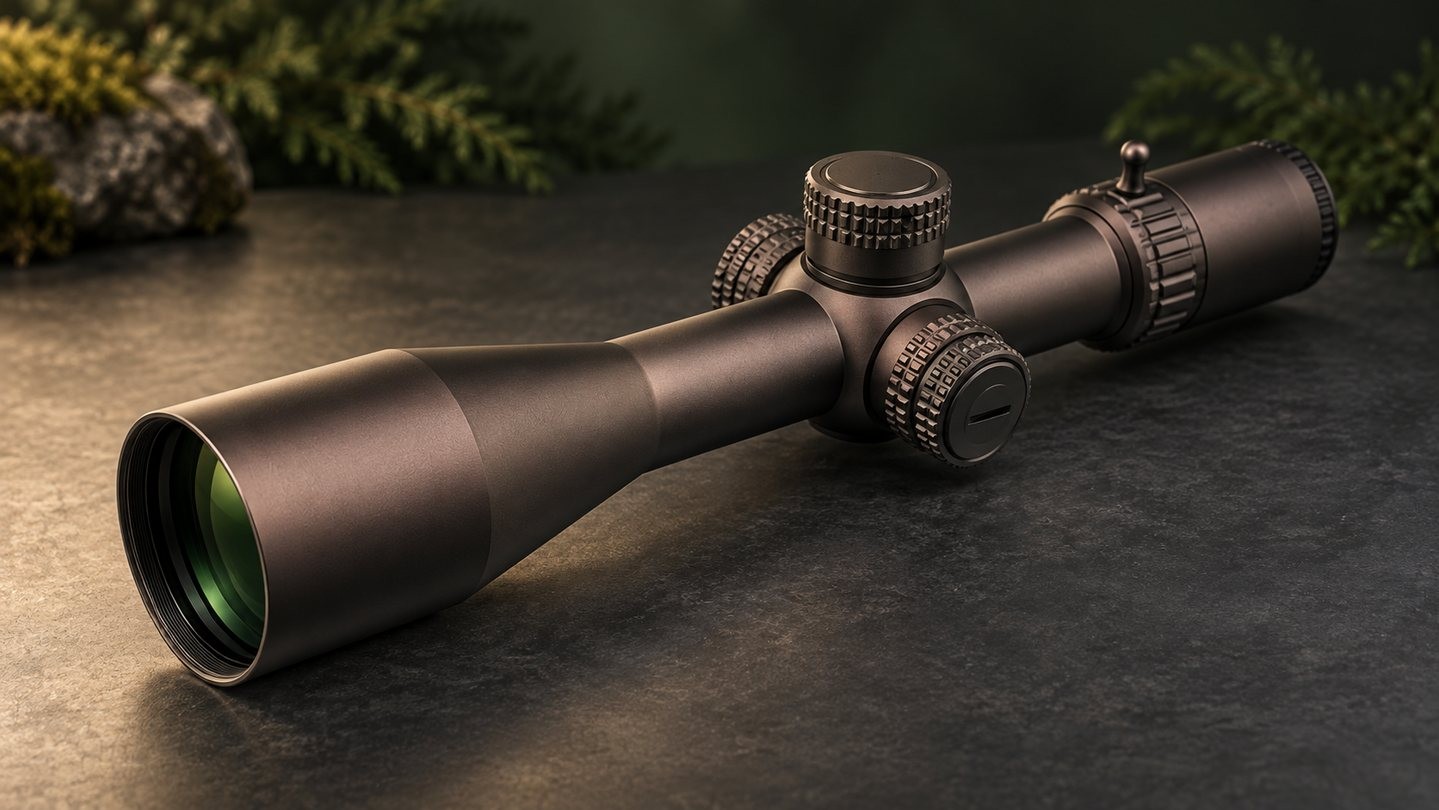
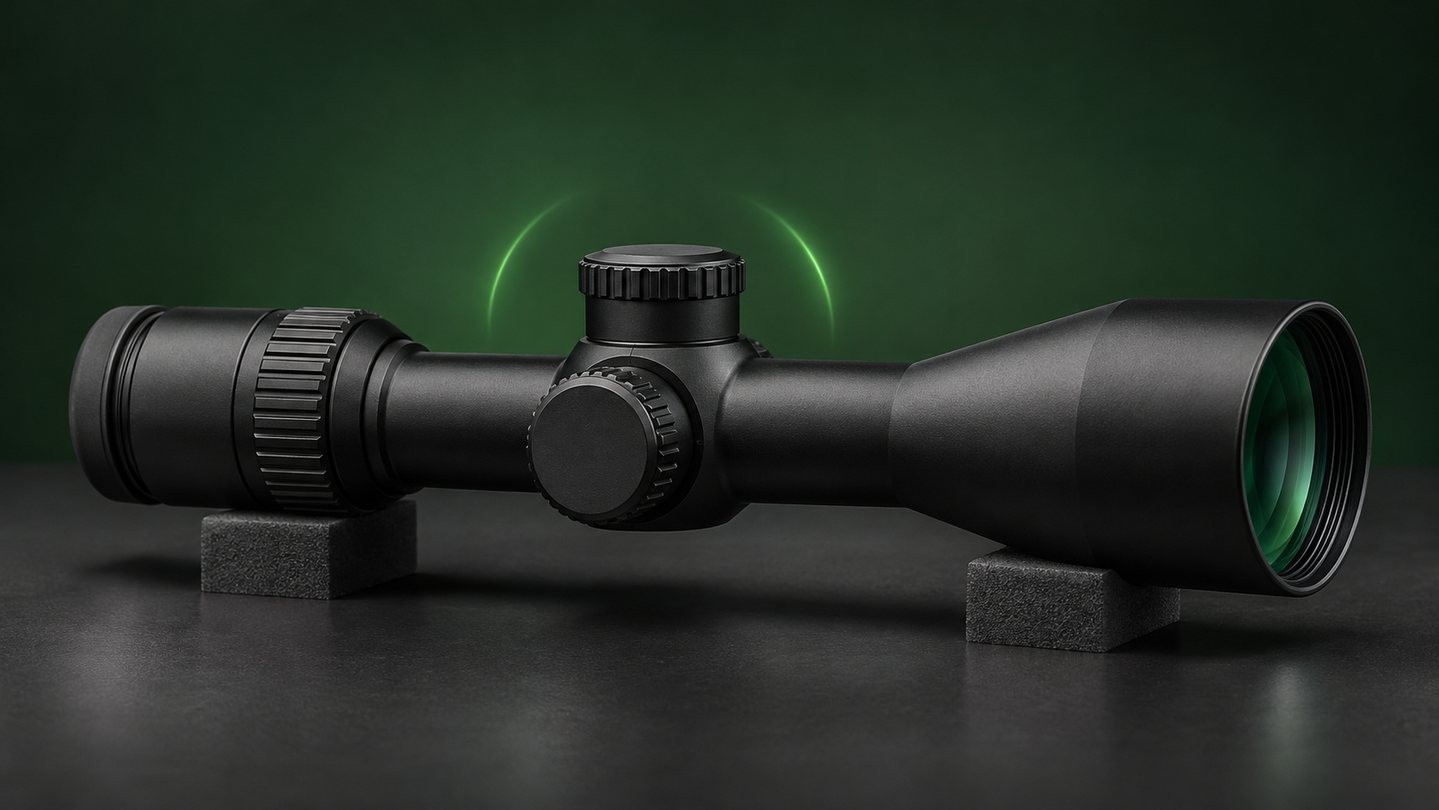
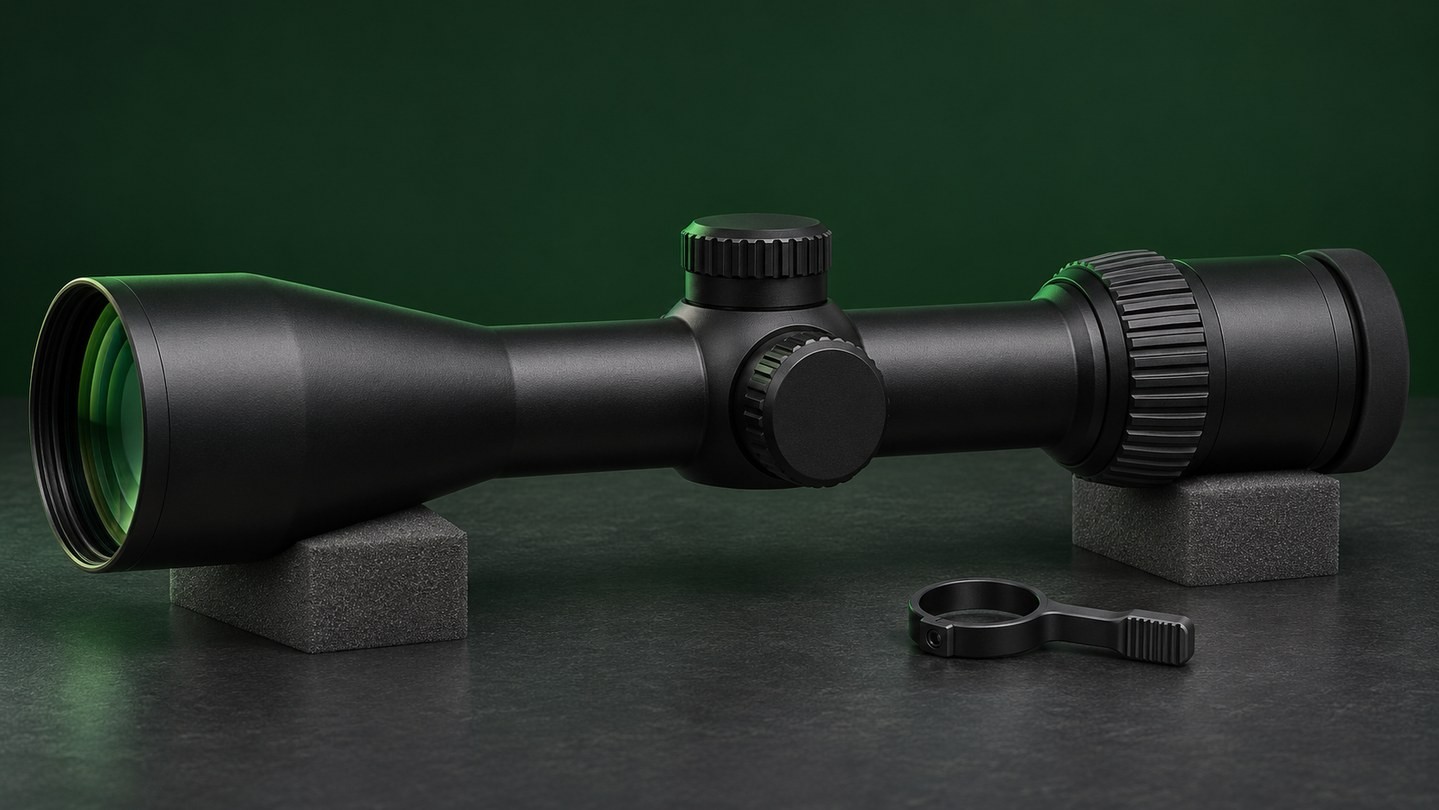
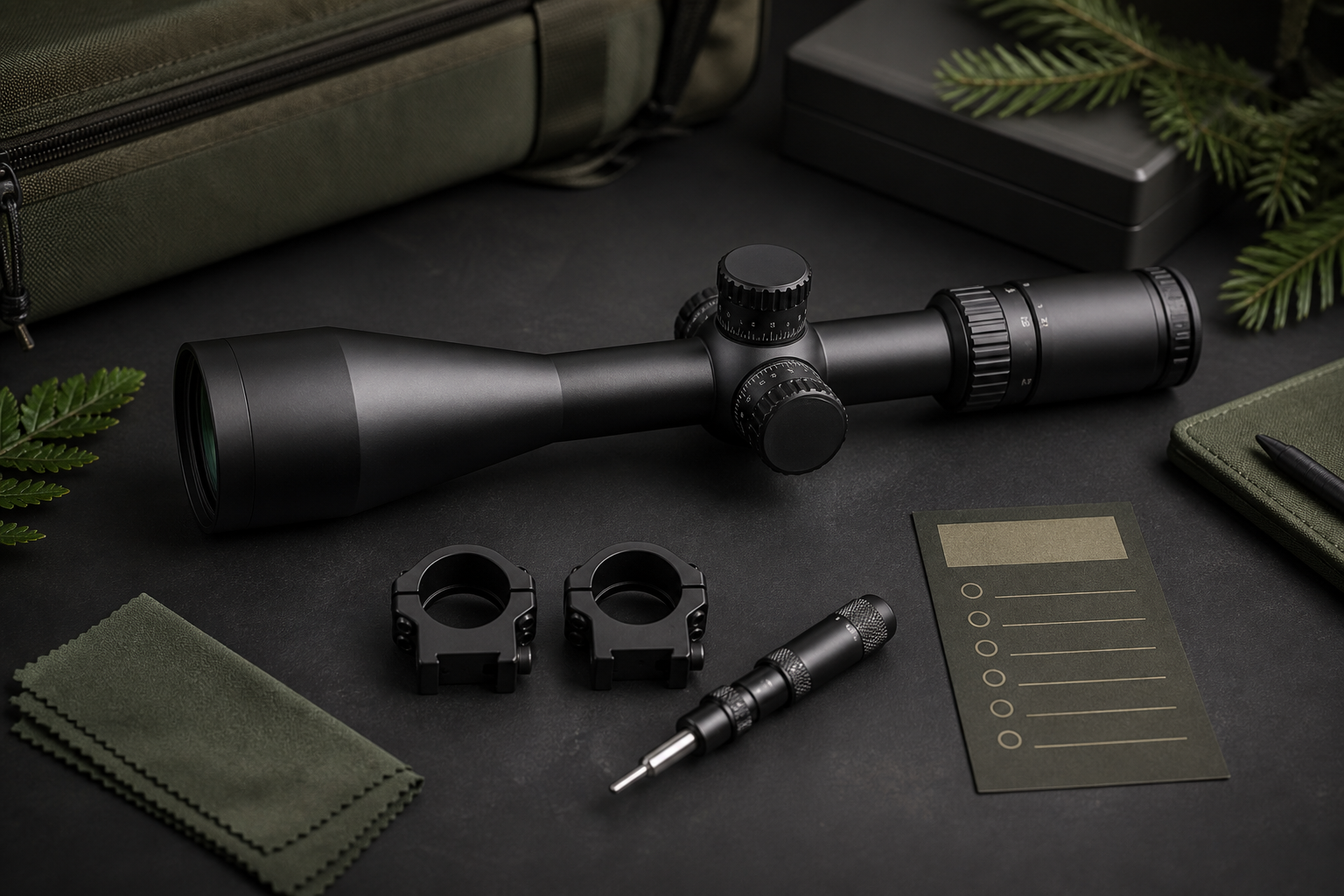
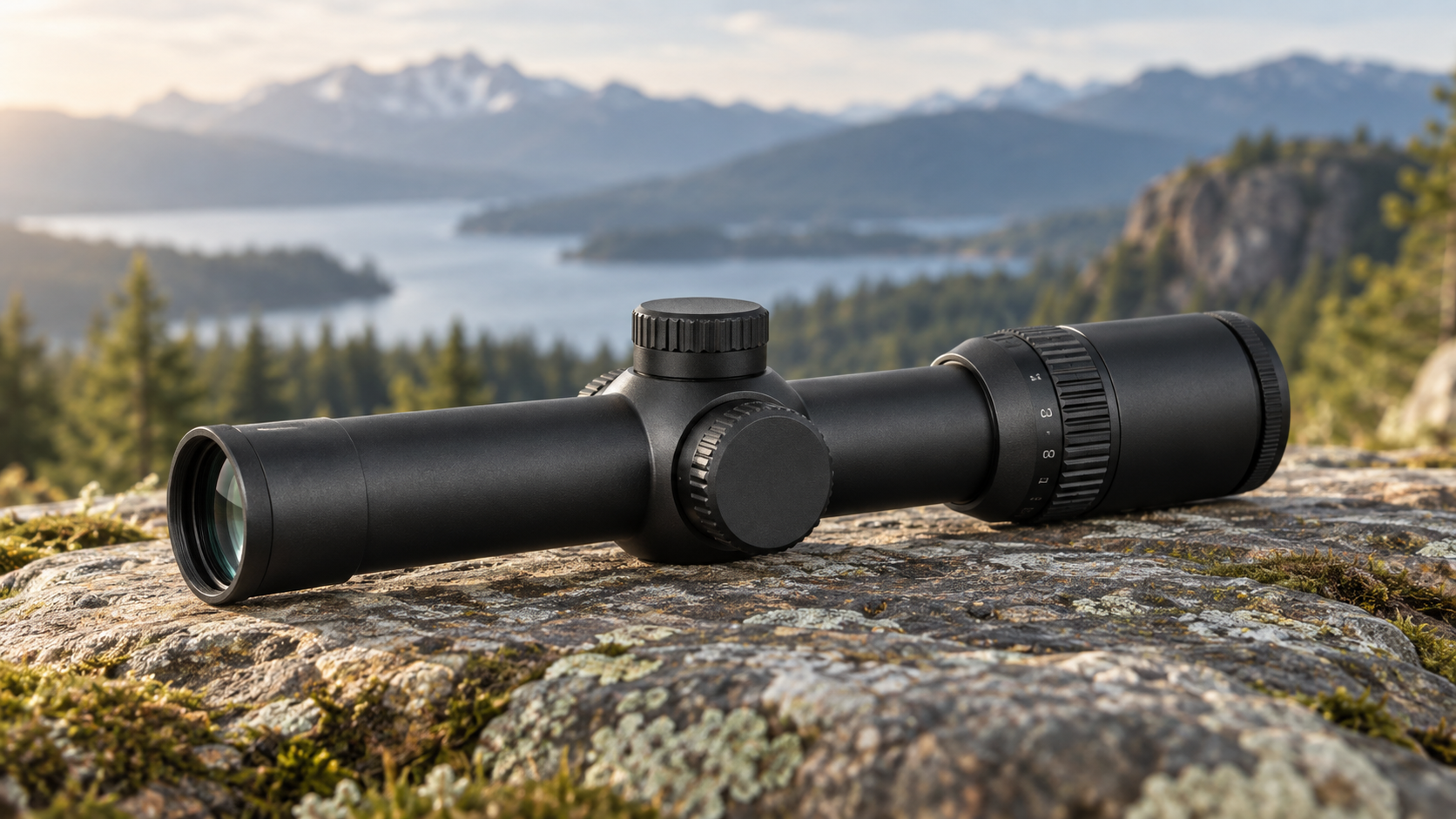
A conventional riflescope uses lenses to enlarge the apparent size of distant details. Variable-power models let the user trade field of view for magnification, while fixed-power models keep the viewing system simpler. The numbers on the scope describe magnification and objective-lens size; our guide to rifle-scope numbers explains how to read them without turning them into a quality score.
Magnification is helpful only when the image, reticle, and eye position remain usable. Higher power normally narrows the field of view and makes a consistent position more important. Eye relief, eyebox, parallax setup, reticle design, mounting length, and total weight can matter as much as the maximum magnification number.
Choose a magnified scope when identifying or aiming at smaller details at distance is more important than the fastest possible heads-up view. Use the lowest magnification that still shows the required detail, and confirm that the scope can be mounted with safe clearance and natural eye relief. More power is not automatically more useful.
3. Red Dot Sights: Fast Alignment in an Open View
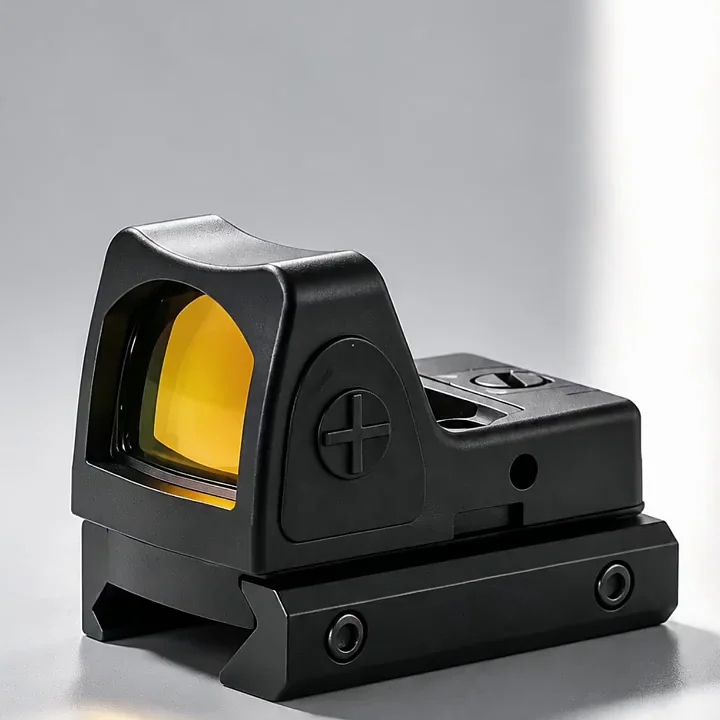
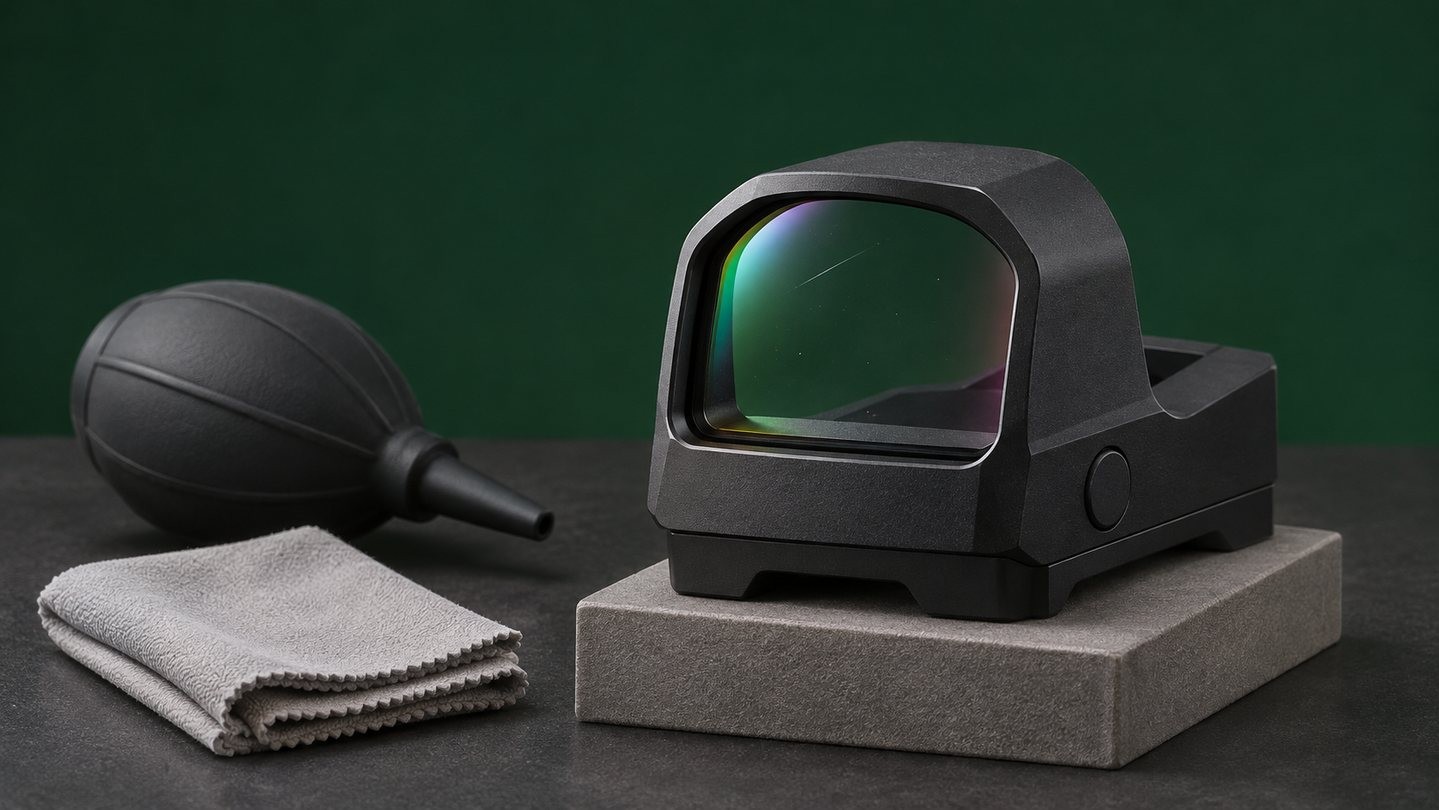
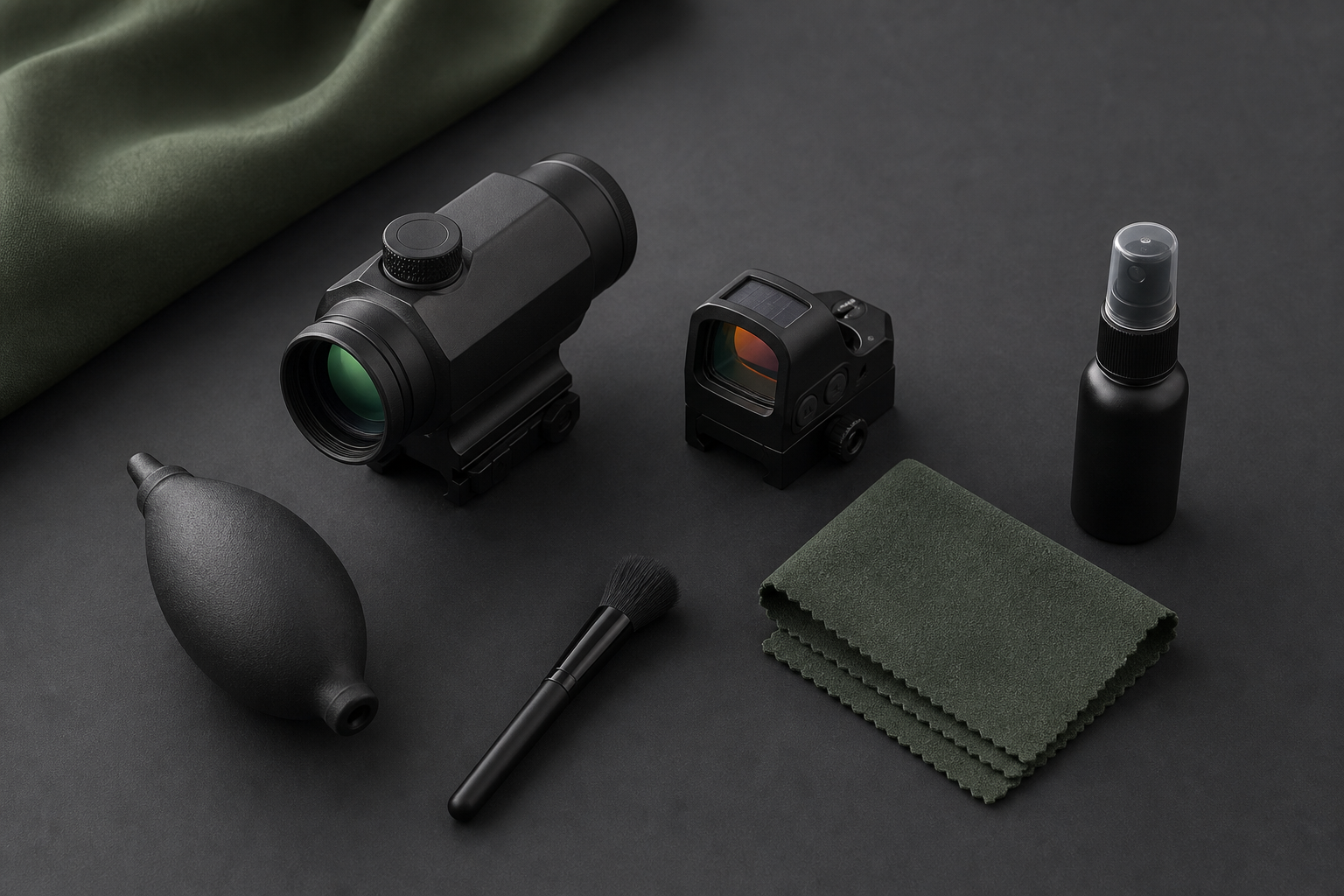
A red dot sight uses an LED and reflective optical surface to place an illuminated aiming point in the viewing window. The dot is seen through the sight; it is not a laser spot projected onto the target. Most red dots provide little or no optical magnification, allowing the user to keep a broad view and, where appropriate, use both eyes open.
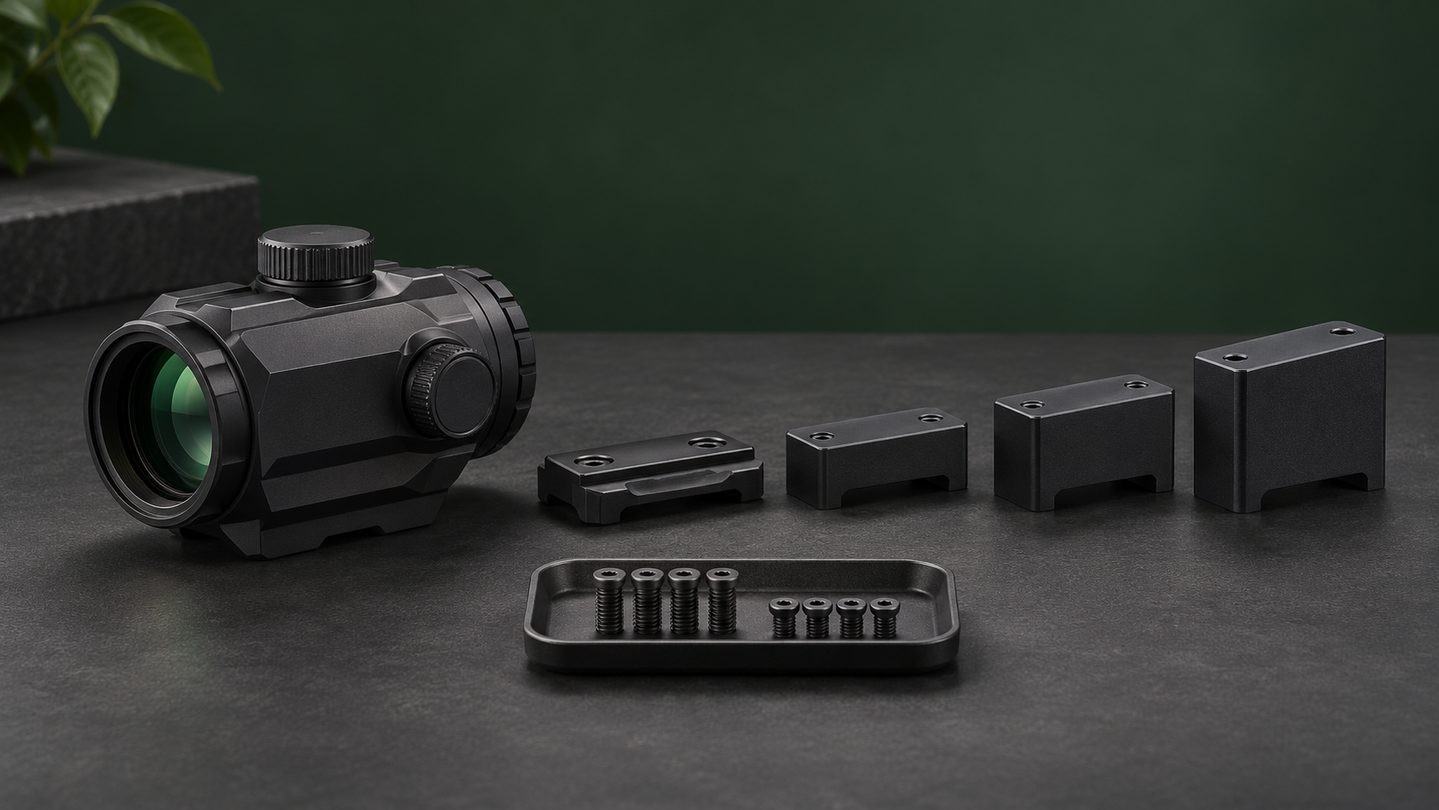
Red dots are popular when speed, a simple aiming reference, and a compact package matter. They also introduce new decisions: open or enclosed housing, window size, dot size, brightness control, battery access, mounting footprint, and optical-centerline height. The open-versus-enclosed red dot guide covers the environmental and maintenance trade-offs between those housing styles.
The dot should not be turned brighter than necessary. Excessive brightness can make it bloom or look larger, while eyesight or camera behavior can make a clean dot appear irregular. If the dot looks like a starburst, compare brightness levels and view it with a camera before assuming the emitter is defective. Users with astigmatism may also find an etched reticle easier to interpret; see our prism scope vs red dot comparison.
4. Holographic Sights: Similar Use, Different Optical Method
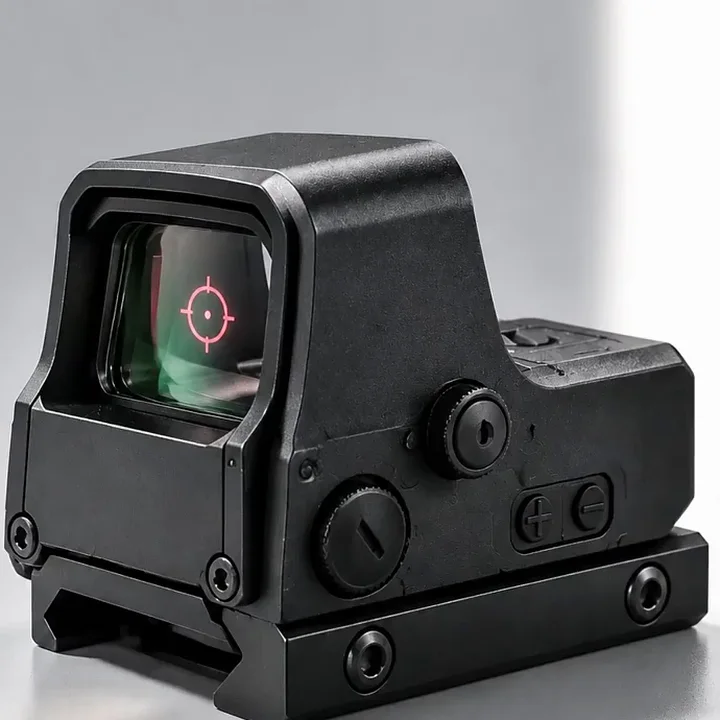
A holographic weapon sight can resemble a boxy red dot from the outside, and both categories usually provide an unmagnified, heads-up view. Their internal methods are different. A true holographic sight uses holographic optics to reconstruct the reticle image, while a conventional red dot reflects light from an LED toward the user's eye.
That difference can affect reticle presentation, power consumption, viewing characteristics, and cost, but exterior shape is not proof of the technology inside. Some sights copy the hooded appearance of a holographic product while using ordinary reflex-sight internals. Check the manufacturer's technical documentation rather than naming the category from the housing alone.
Choose a true holographic sight when its particular reticle, window, controls, and optical behavior suit the intended use—and when its battery, size, weight, and price are acceptable. Do not assume “holographic” is automatically faster or better than every red dot. The useful comparison is between verified models, mounts, and viewing needs.
5. Electronic Optics: Separate Night Vision from Thermal Imaging
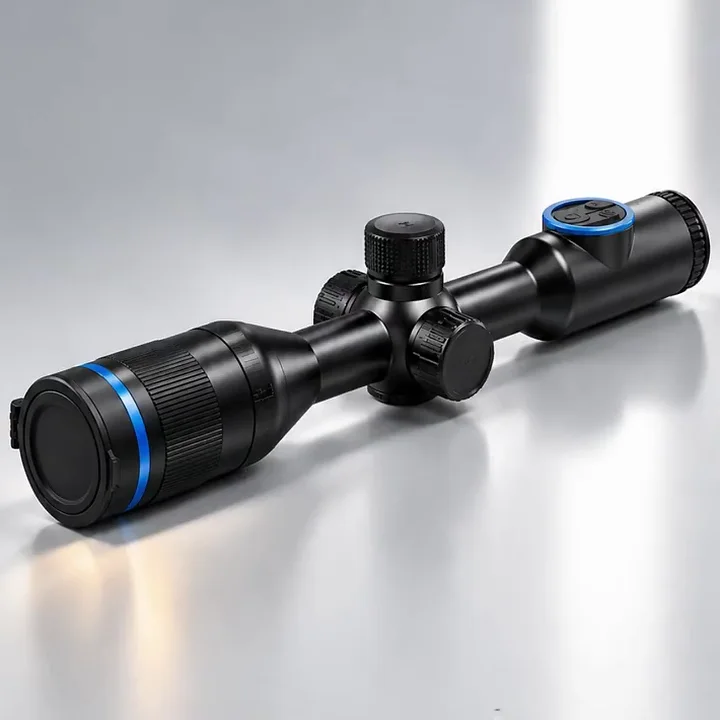
“Electronic sight” is an umbrella term, not a single optical design. The video correctly points toward low-light viewing and heat detection, but those functions are produced in different ways.
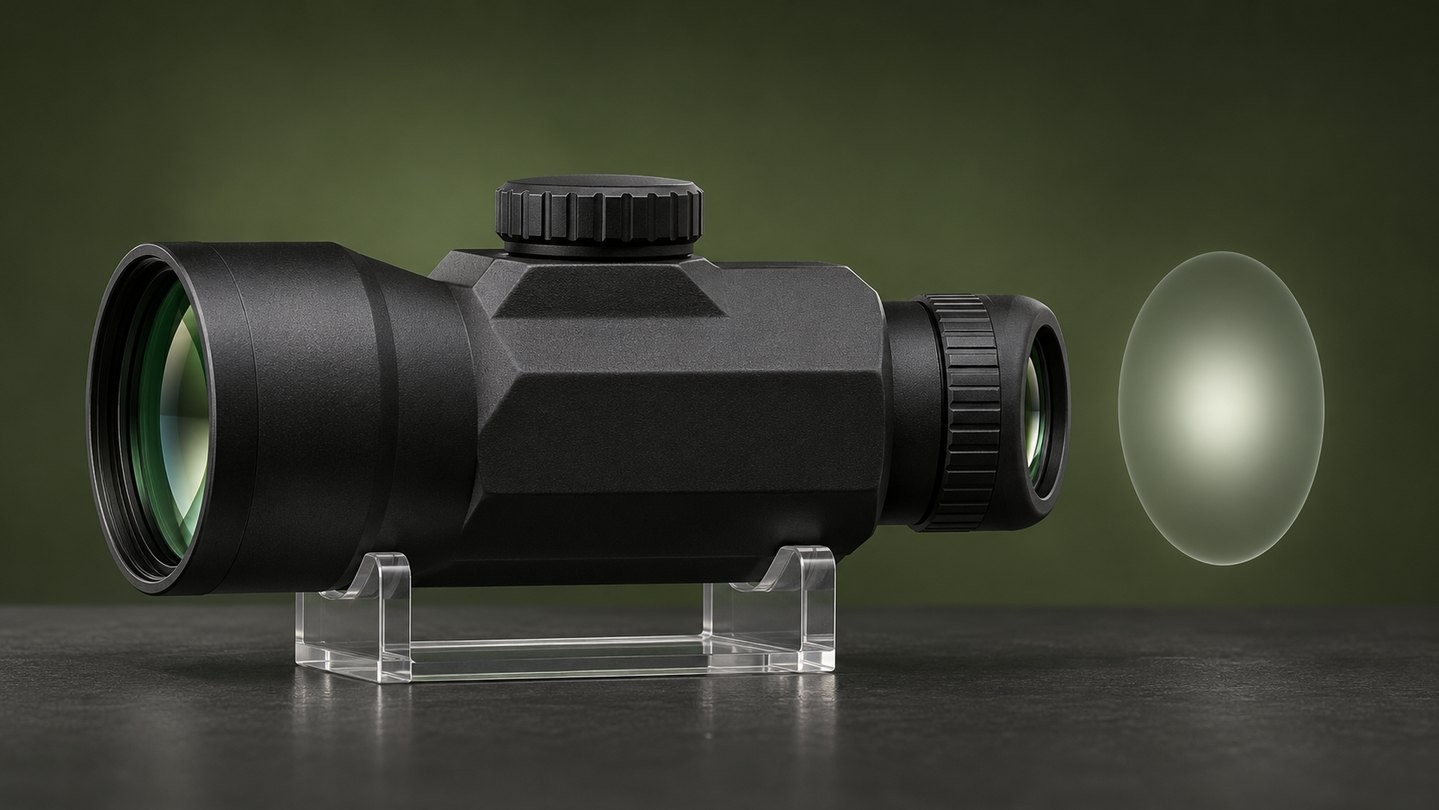
Digital night vision uses a light-sensitive sensor, processing electronics, a display, and an eyepiece. It works with available light and may use an infrared illuminator. Thermal imaging detects temperature differences and builds an image from emitted thermal energy; it does not need visible light and is not simply a brighter version of night vision.
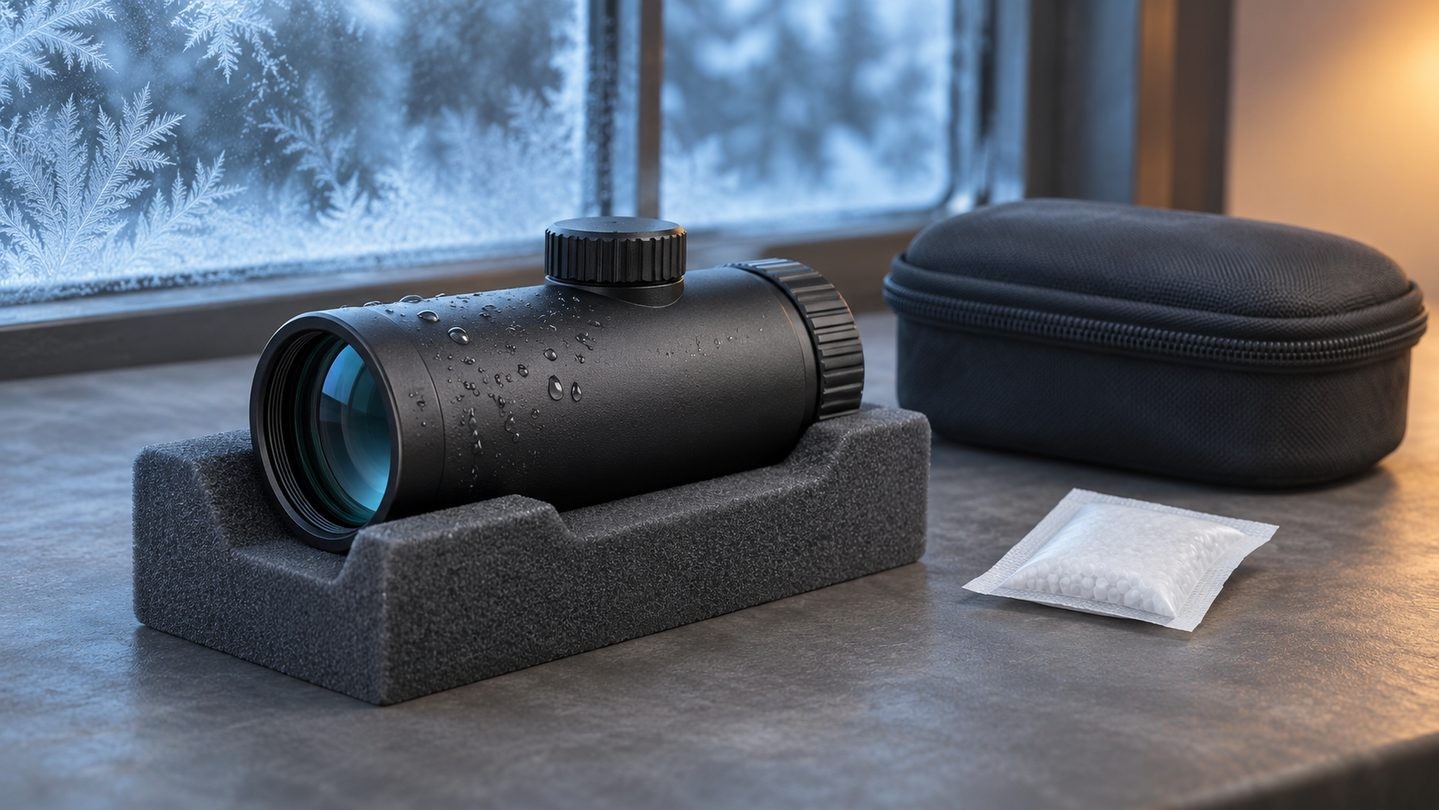
Some products combine digital, thermal, rangefinding, recording, or ballistic features, but the channels may still have separate calibration, image quality, field of view, and zeroing requirements. Battery runtime, startup time, refresh rate, display resolution, sensor resolution, weather resistance, storage behavior, firmware support, and local rules are all part of the decision.
Choose digital night vision when recognizing visible detail in low light is the main requirement and suitable illumination is available. Choose thermal when detecting heat differences is the priority. For a separate explanation of form factor and mode changes, read thermal clip-on vs standalone scope mode.
Six Questions That Narrow the Choice
Before comparing brands or feature lists, answer these questions:
- What distance and target detail matter? Iron sights and unmagnified electronic sights emphasize speed and field of view. Magnified optics reveal more distant detail.
- Must the sight work without power? Iron sights do. Some prism or magnified scopes retain an etched reticle without illumination. Red dots, holographic reticles, digital night vision, and thermal displays depend on power for their electronic aiming or viewing functions.
- Will the equipment be used mainly in daylight, low light, or darkness? A bright daytime view, a light-amplifying sensor, and a thermal sensor solve different visibility problems.
- How forgiving must head position be? Unmagnified heads-up sights tend to allow more positional freedom than magnified scopes, but mount height and window placement still matter.
- How much weight and setup are acceptable? Magnified and sensor-based systems can add bulk, controls, batteries, and menu complexity.
- What mounting interface is actually available? Confirm rail type, footprint, ring diameter, eye relief, centerline height, and clearance before choosing the optic.
If the choice sits between a red dot, prism, and low-power variable optic, our practical red dot, prism, and LPVO comparison examines that narrower decision.
Common Comparison Mistakes
The first mistake is treating all five categories as a straight upgrade ladder. Iron sights are not simply an outdated version of a thermal scope. They have a different role, power requirement, and failure profile.
The second is choosing by maximum specification. More magnification, a larger window, a more complex reticle, or a longer feature list can add cost and handling compromises without helping the intended task.
The third is identifying technology by appearance. A hood does not prove a sight is holographic, and a riflescope-shaped housing does not reveal whether the device uses conventional glass, digital night vision, thermal imaging, or a combination.
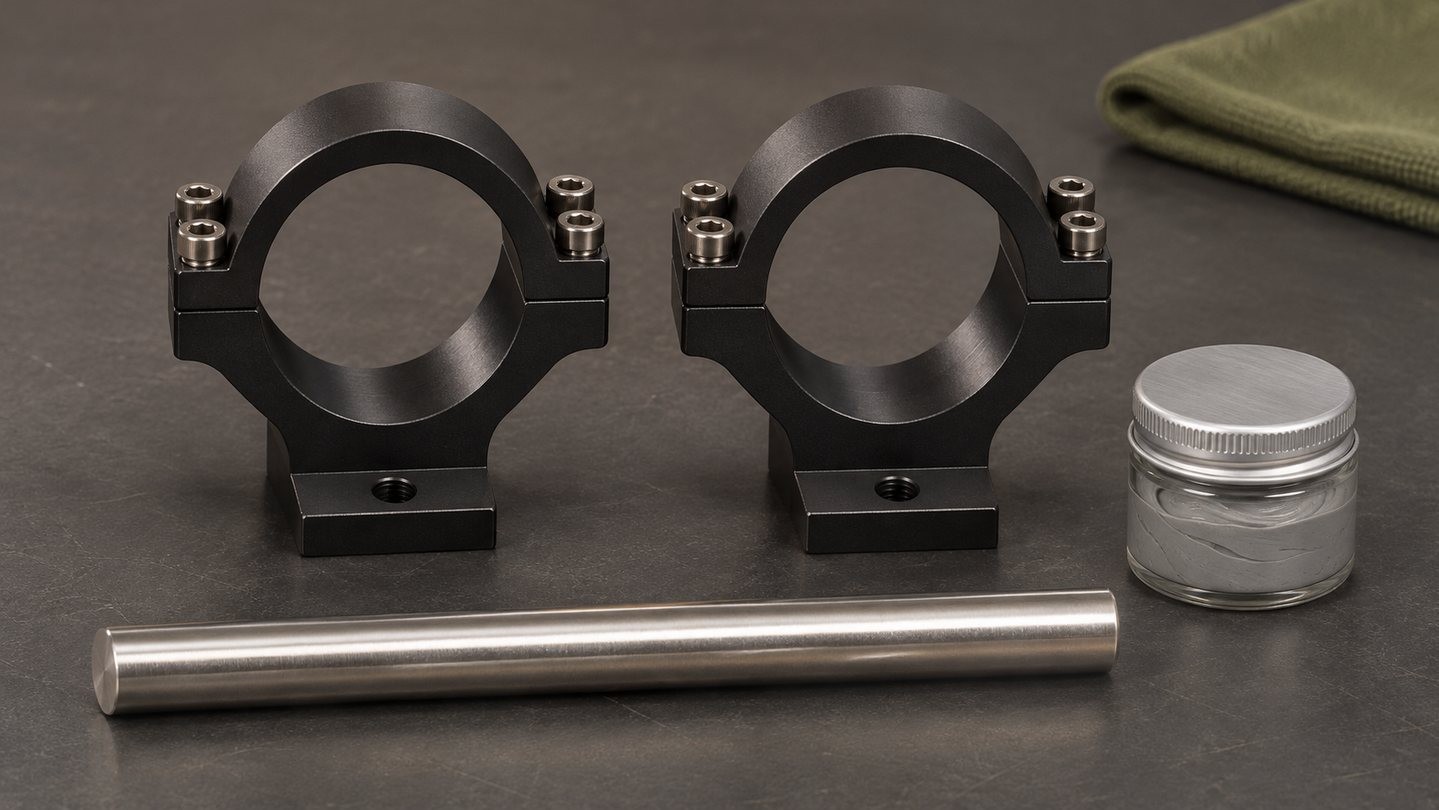
The fourth is ignoring the mount. A suitable optic can still be uncomfortable or unusable if its height, eye relief, footprint, or ring spacing does not fit the equipment and the user. Mounting is part of the optical system, not an afterthought.
Finally, do not rely on promotional imagery to establish performance. Confirm the maker's manual, stated technology, mounting specification, environmental rating, power behavior, and warranty terms for the exact model.
A Practical Selection Rule
Start with the viewing problem. If power-free simplicity is essential, begin with iron sights. If distant detail is the priority, compare magnified scopes. If fast alignment through an open view matters most, compare red dots and verified holographic sights. If darkness or heat detection defines the task, compare digital night-vision and thermal systems separately.
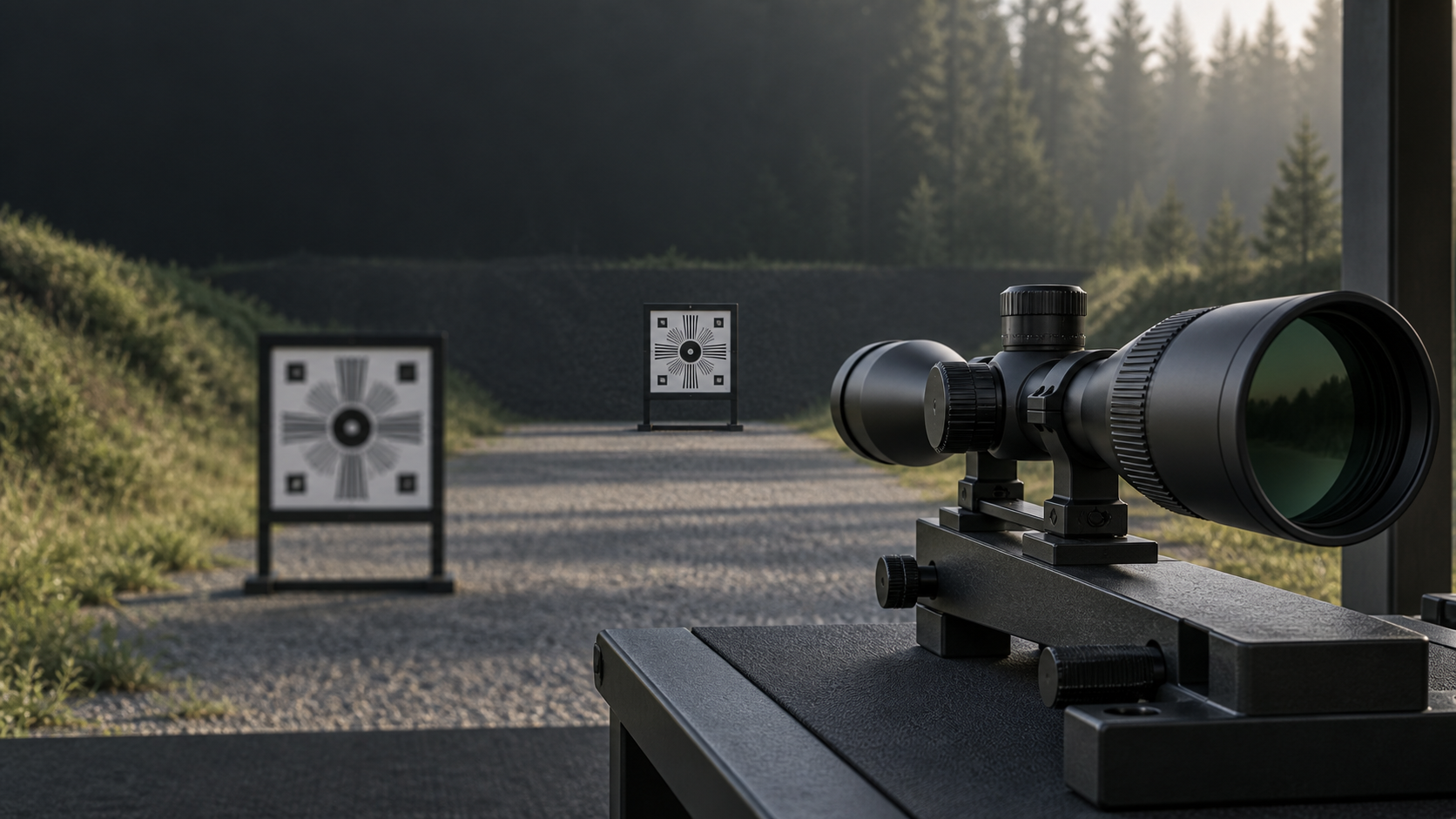
Then test the human factors: can the eye find the full image naturally, are the controls understandable, is the reticle visible without being distracting, and does the complete setup remain balanced? A specification sheet can narrow the field, but fit and viewing comfort decide whether the sight is practical.
Browse USEEIN Sporting Optics only after identifying the category, mounting interface, viewing conditions, and power requirements that genuinely match the intended use.


Leave a comment