People with astigmatism sometimes report that a projected red dot looks like a comma, cluster or star rather than a clean point. A prism scope is often suggested as an alternative. That suggestion can be useful, but it needs a realistic explanation.
The two sights create the aiming reference differently
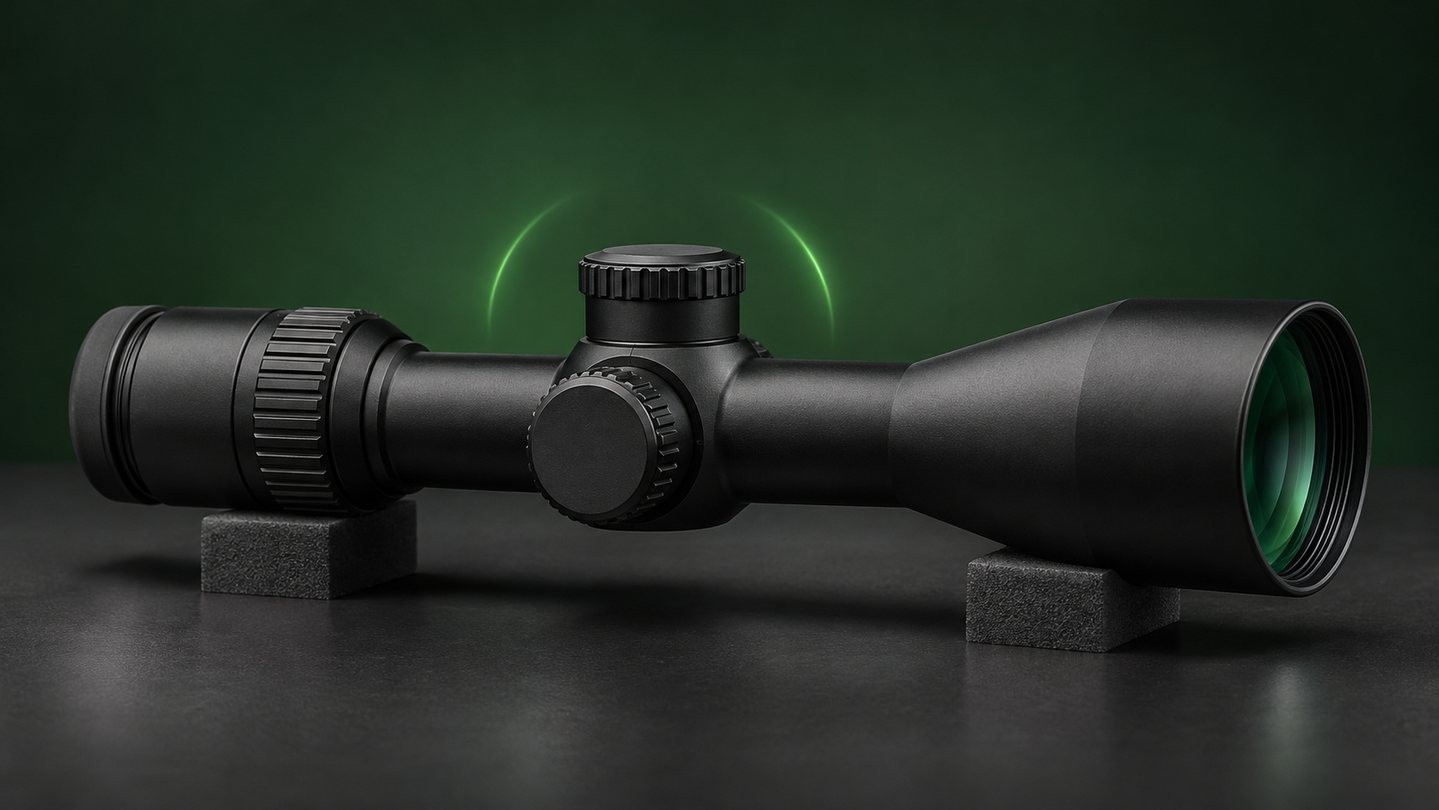
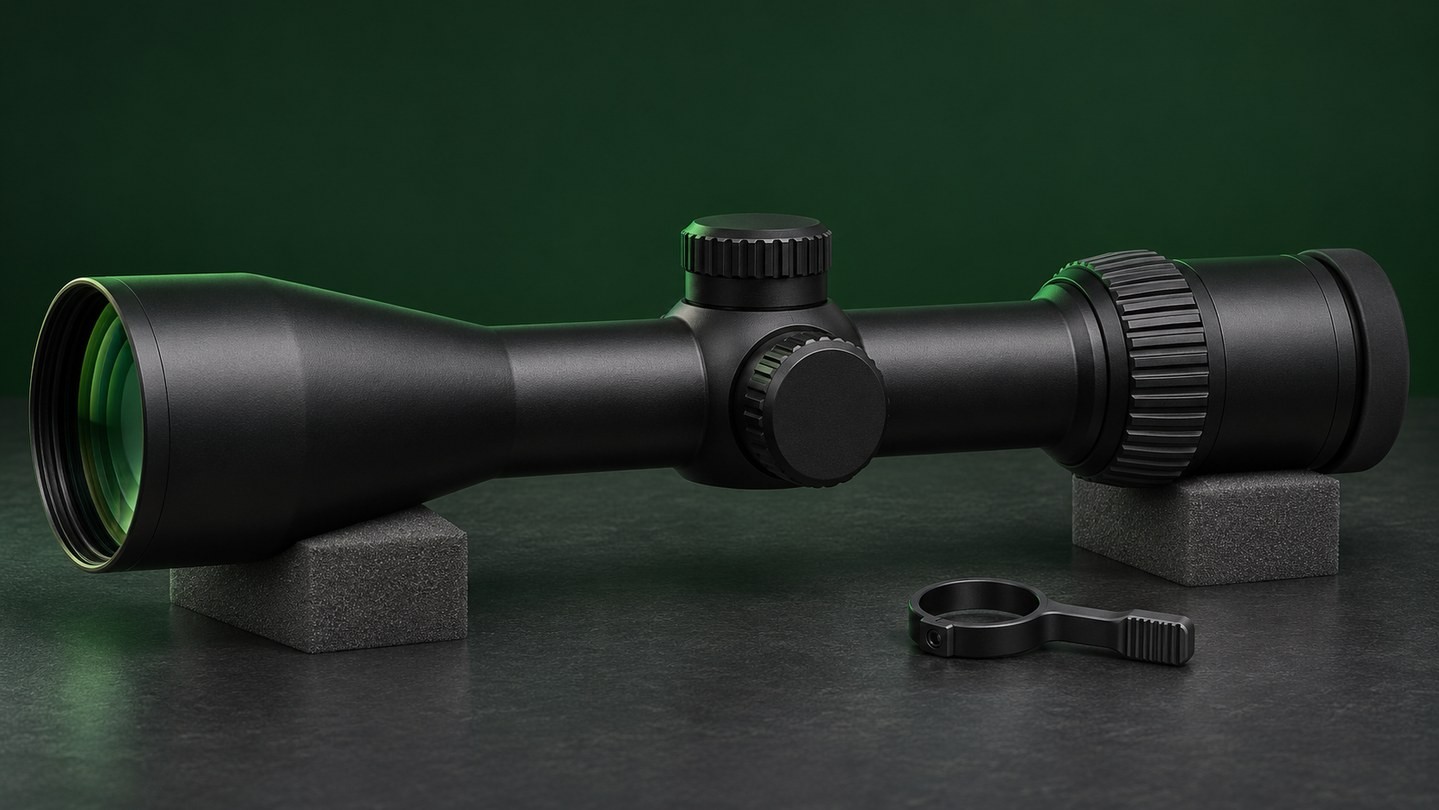
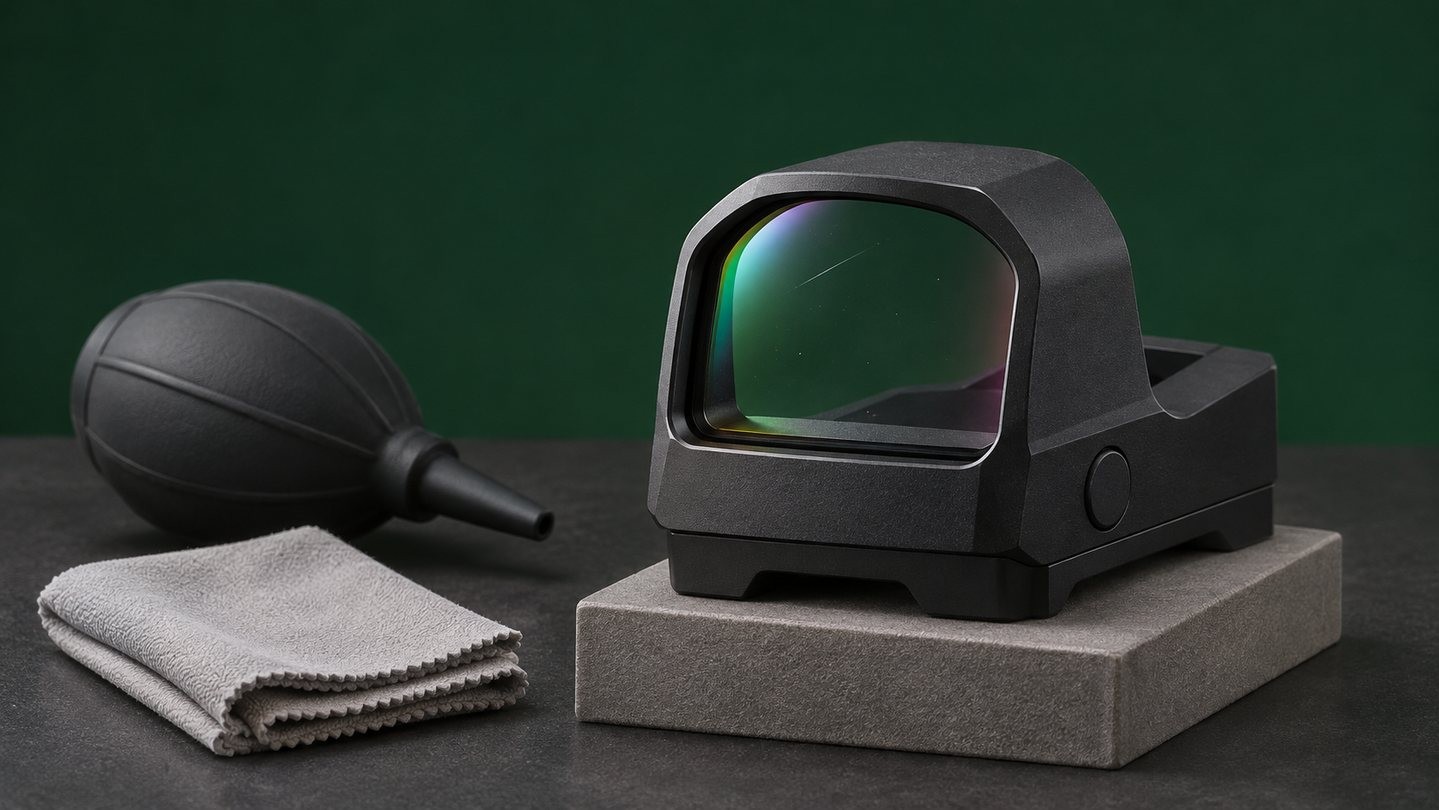
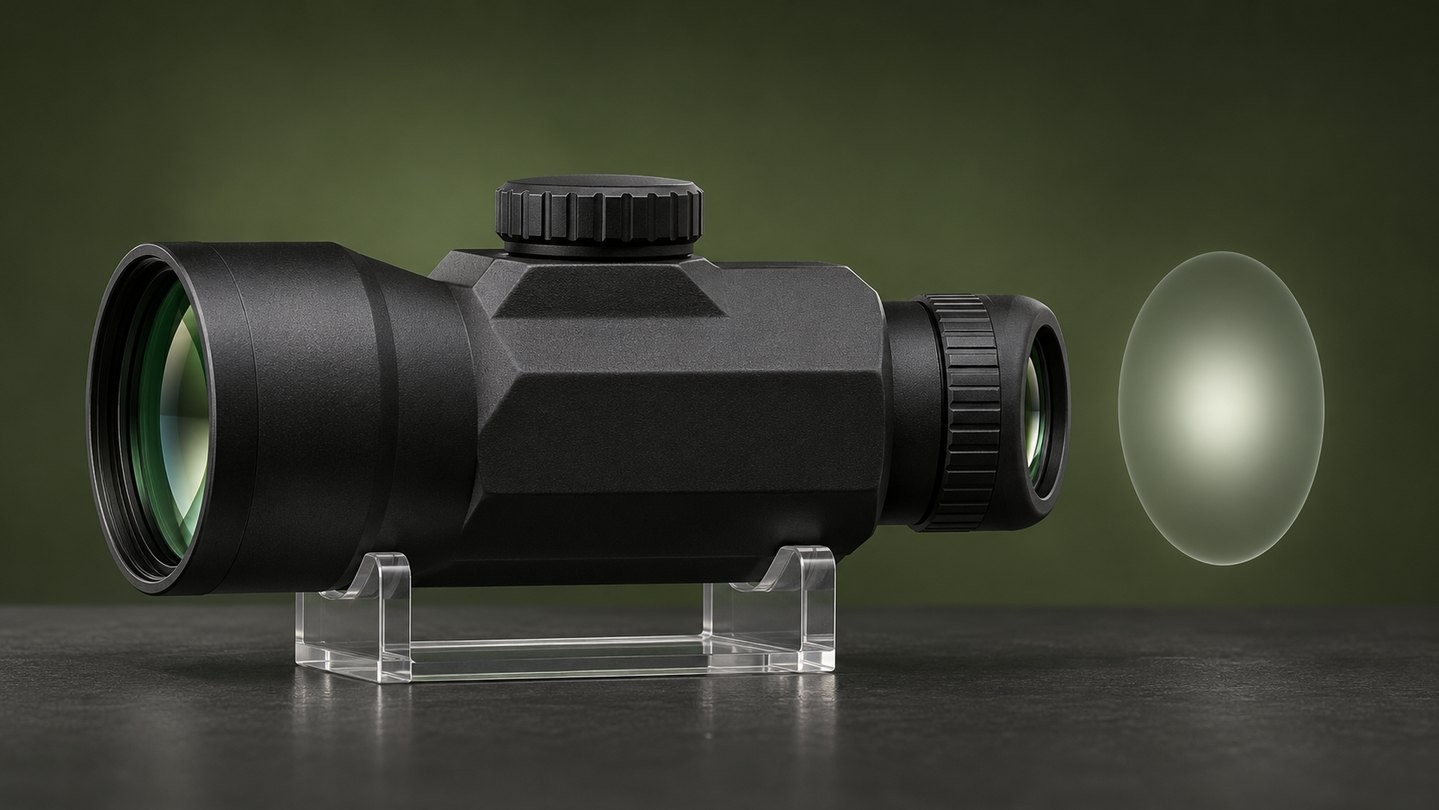
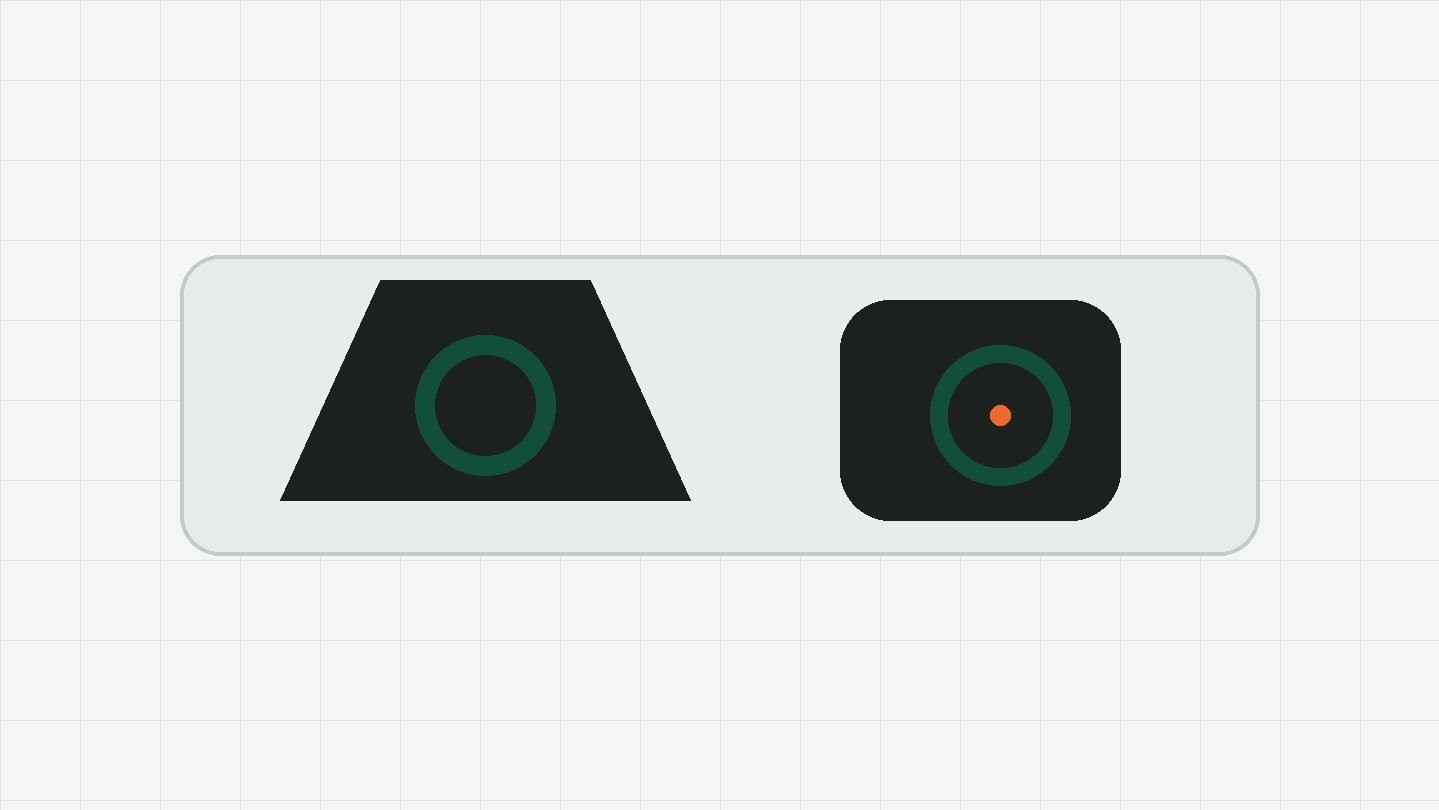
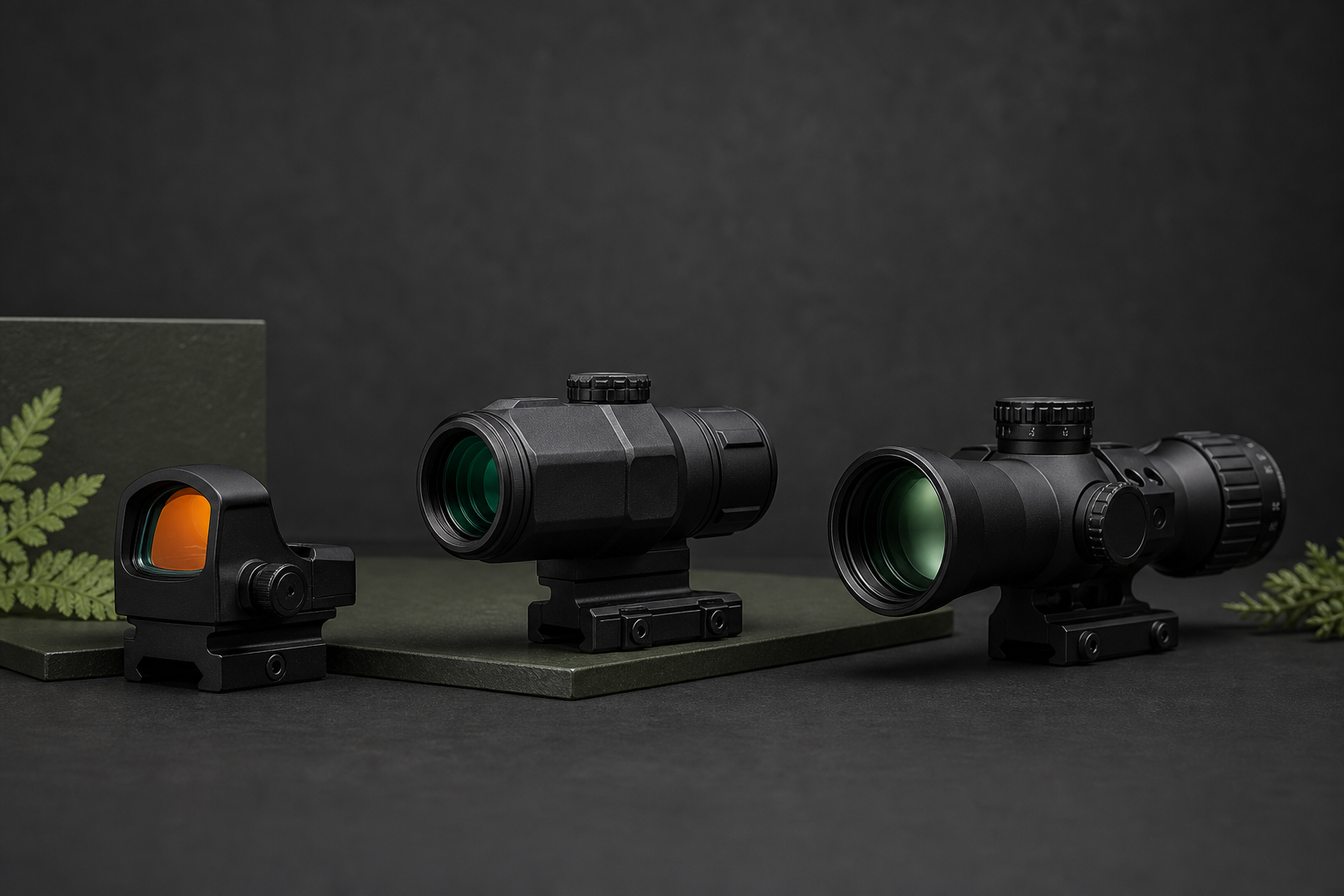
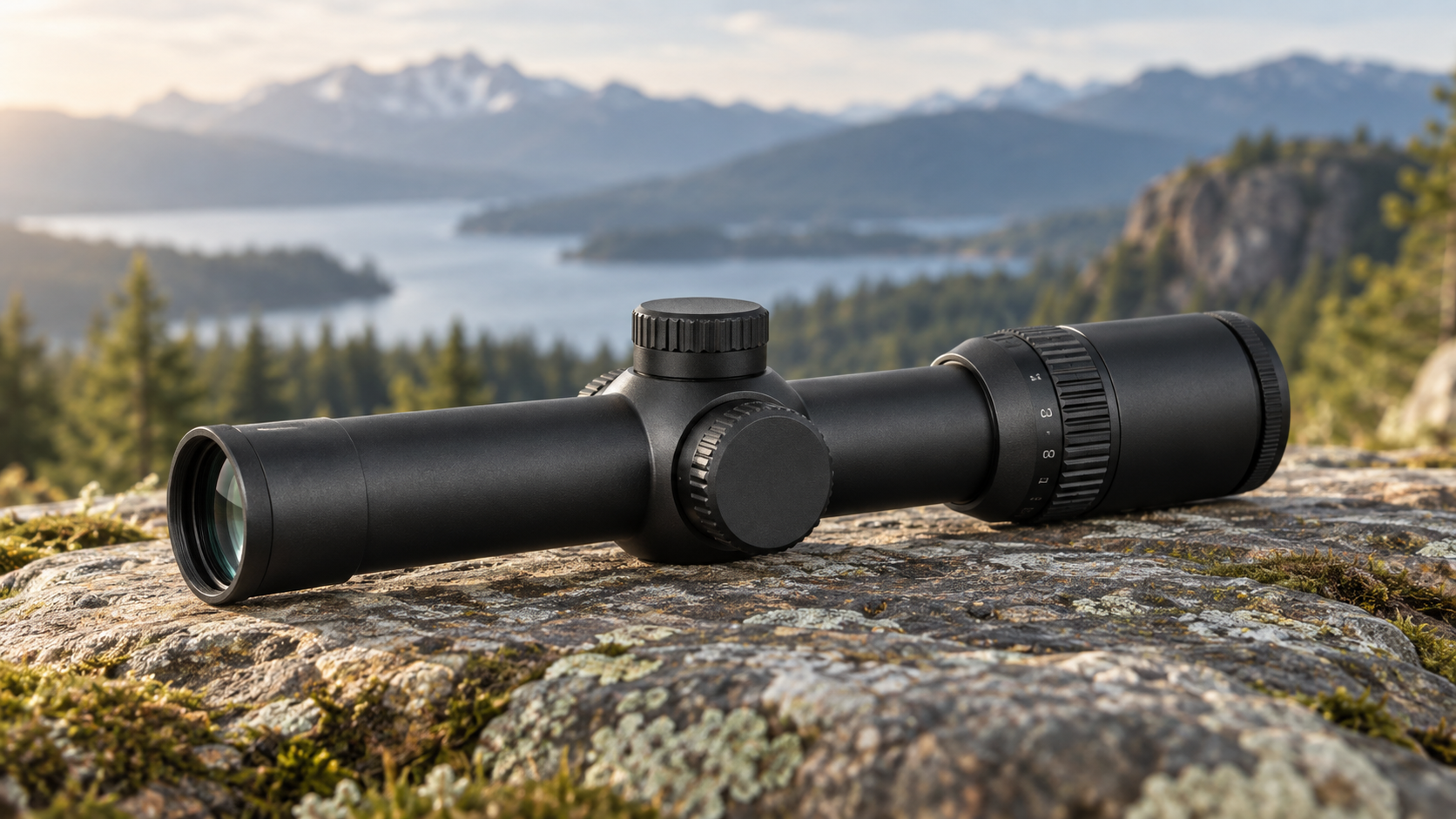
A red dot sight uses an LED and reflective lens to present a virtual illuminated point. A prism scope forms the image through a prism and normally uses a reticle etched into glass. The etched reticle remains visible without battery power; illumination is an added option rather than the only reference.
Because the references are produced differently, some viewers find an etched reticle more defined. Individual eyesight still varies, so a prism is not a guaranteed visual solution.
A prism does not cure astigmatism
Astigmatism is a refractive condition of the eye. Changing optics can change how an aiming reference appears, but it does not treat the underlying condition. Persistent concerns belong with an eye-care professional, not a product label.
Red dot strengths remain relevant
A red dot normally offers a simple aiming point, broad viewing awareness and flexible eye position. It can be compact and light. Before replacing it, reduce brightness and use the camera and one-eye checks in our brightness guide; over-brightness alone can create blooming.
Prism trade-offs
A prism scope normally has a defined eye relief and eye box. Head position matters more than with a typical non-magnifying red dot. Magnified prism models also narrow field of view compared with an unmagnified sight. Diopter adjustment must be set for the user so the etched reticle appears sharp.
Try before deciding
- View both types at realistic brightness and distance.
- Set the prism diopter for your eye.
- Check the red dot with each eye and a phone camera.
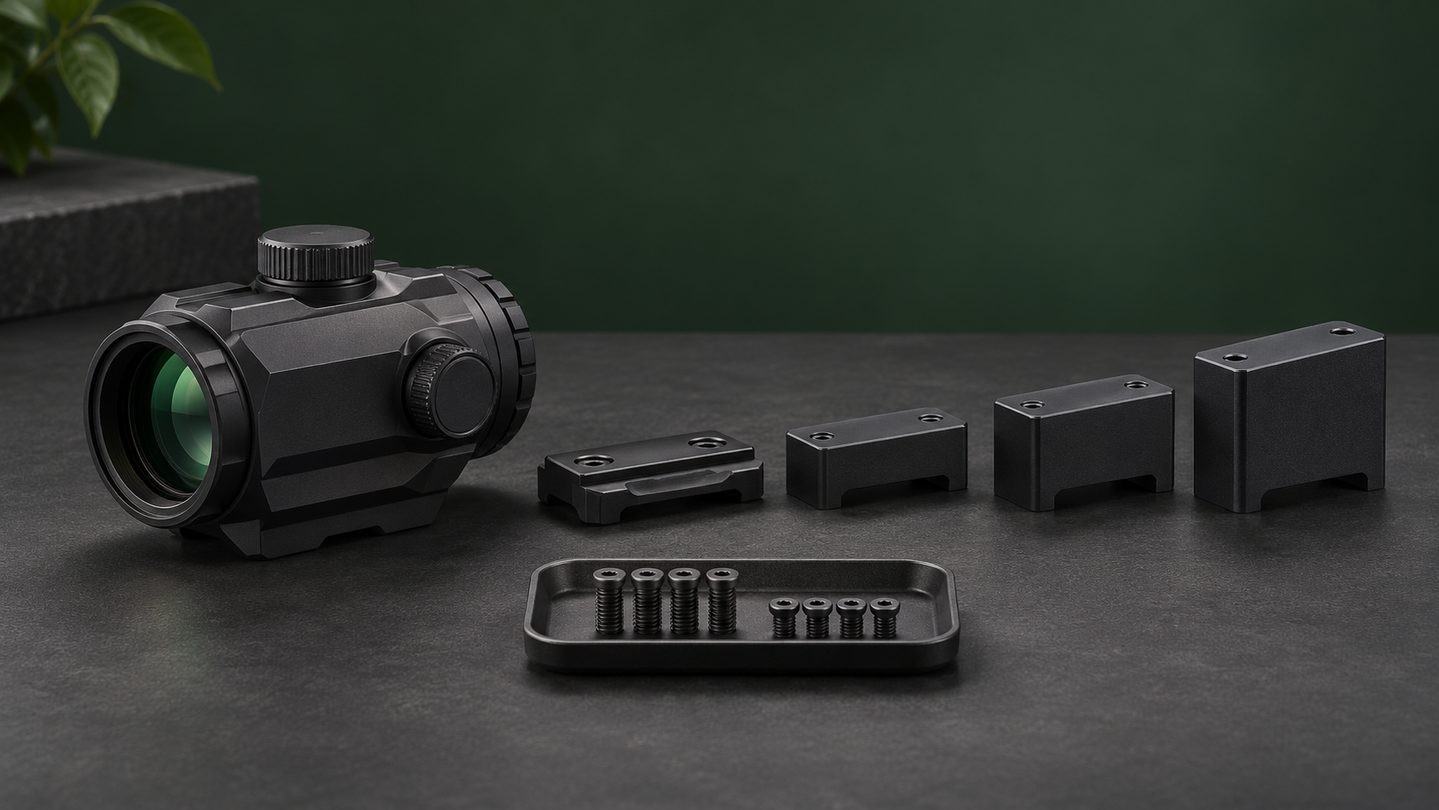
- Compare weight, eye relief, field of view and mounting height.
- Do not assume another person’s preferred reticle will look the same to you.
A prism can be a practical alternative when an etched reticle is easier for a particular viewer to use. The decision should still include the complete handling and mounting trade-off—not only the shape of the illuminated point.
For more category-level comparisons, browse Sporting Optics or continue with the USEEIN Buying Guides.


Leave a comment