Lens caps, sunshades and honeycomb anti-reflection devices all live near the ends of an optic, so it is easy to treat them as variations of the same accessory. They are not.
A lens cap protects the glass when you are not looking through it. A sunshade helps block stray light arriving from outside the field of view. A honeycomb anti-reflection device—often shortened to ARD—reduces reflections from the front of the optic. One scope may accept all three, but that does not mean they should be stacked together without checking fit and image quality.
Here is what each accessory does, what it does not do and what to check before adding one.
Lens Caps: Protection First
The basic job of a lens cap is simple: keep dust, fingerprints, rain and loose debris away from the exposed glass while the optic is stored or carried. That matters because fewer contaminants on the lens means less cleaning, and less cleaning means fewer chances to drag grit across a coating.
Lens caps do not make an optic waterproof, and they do not replace a padded case. They are the first layer of protection, not a complete storage system. Our guides to cleaning optics safely and storing optics cover the rest of that routine.
Flip-Up Caps
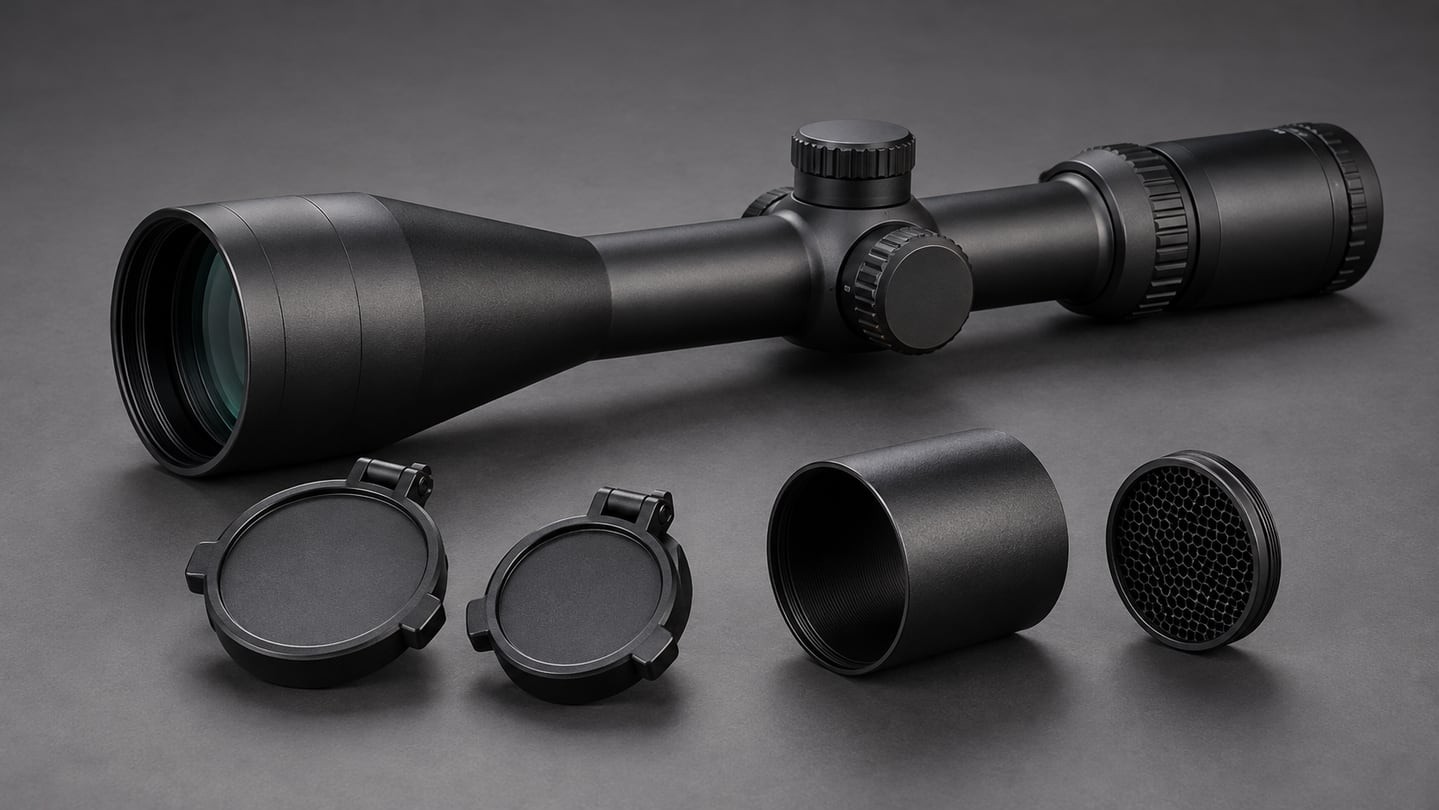
Flip-up caps stay attached to the objective bell and eyepiece. Press or lift the cover and it pivots out of the sight line. They are convenient when the optic moves repeatedly between covered and ready-to-view states.
Their main trade-off is clearance. An open cap can touch a mount, turret, bolt handle or another accessory if its hinge is positioned badly. Some threaded designs can be rotated before tightening; slip-on designs may allow similar adjustment. In either case, open both caps and move every nearby control through its normal range before relying on the setup.
Elastic or “Bikini” Covers
A bikini-style cover connects the front and rear caps with an elastic strap. It is light, simple and often forgiving of small differences in outside diameter. Removing it exposes both ends at once.
The compromise is that the entire cover comes off the optic. It can be dropped, misplaced or left dangling if it is not managed deliberately. Elastic also ages, so replace a cover that has become loose, cracked or permanently stretched.
Threaded or Press-Fit Caps
Separate caps can screw into accessory threads or press over the outside of the housing. Threaded versions tend to be secure and low profile, but the thread specification must match exactly. Press-fit caps depend on the actual outside diameter and the material's grip.
Do not choose a cap only from the objective-lens number printed on the scope. A “50mm scope” describes the nominal objective lens, not necessarily the outside diameter of the objective bell. Measure the location where the cap will fit or use the manufacturer's compatibility chart.
What a Scope Sunshade Actually Changes
A sunshade is an open tube fitted in front of the objective. Its purpose is to block some off-axis light before that light reaches the objective lens. This can reduce veiling glare when a bright source is outside the field of view, and the extra depth can help keep light rain or loose debris away from the front glass.
A sunshade does not increase the objective diameter, gather extra light or improve the underlying glass. In fact, a poorly matched or excessively long shade can clip the usable light cone and create a dark edge. Correctly sized accessories are designed around the optic's objective housing and field of view.
The added length is also real. Check that the shade does not contact a case, cover, support or other equipment. If the scope has an adjustable objective, confirm that the shade does not hide the distance scale or make the ring awkward to turn.
The relationship between lens size and the rest of the optic is explained in our guide to 40mm, 44mm, 50mm and 56mm scope objectives.
What a Honeycomb ARD Does
An ARD places a field of small tubes or cells in front of the objective. Viewed straight through, those cells allow the sight picture to remain usable. Viewed from an angle, the cell walls block much of the light that would otherwise reach the objective or reflect back toward the observer.
This is why the accessory is often called a honeycomb filter or killflash. Its main job is reflection control, not physical lens coverage. It can also act as a barrier against larger debris, but it is not a substitute for a closed cap during storage.
An ARD introduces material in front of the lens. Depending on cell depth, diameter, alignment and lighting, it may slightly reduce apparent brightness or contrast. That trade-off can be acceptable when reflection control matters, but it is not automatically helpful for every user or every condition.
If you already use a sunshade or flip-up objective cap, confirm whether the manufacturer permits the accessories to share the same thread or attachment point. Do not force two parts together simply because their diameters look similar.
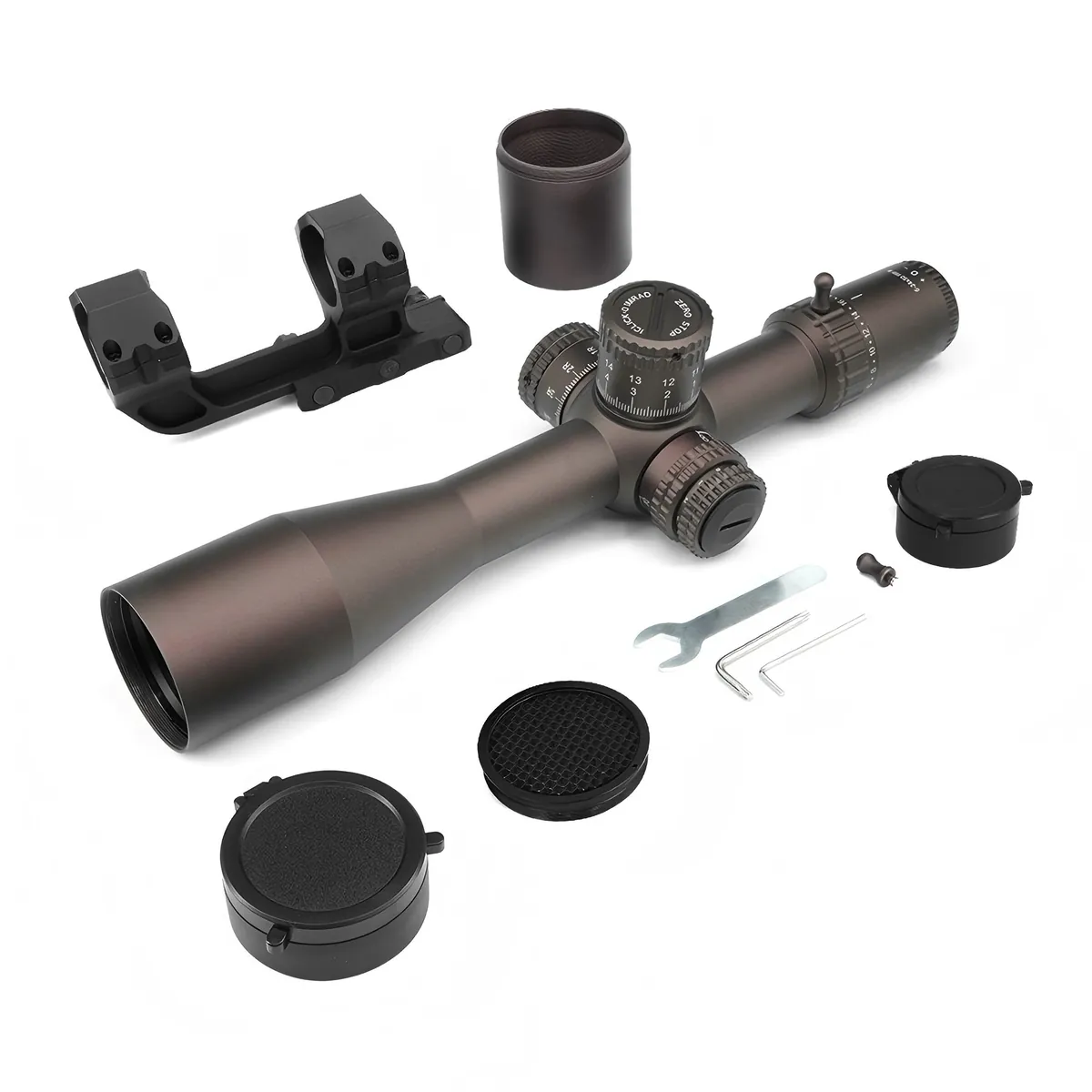
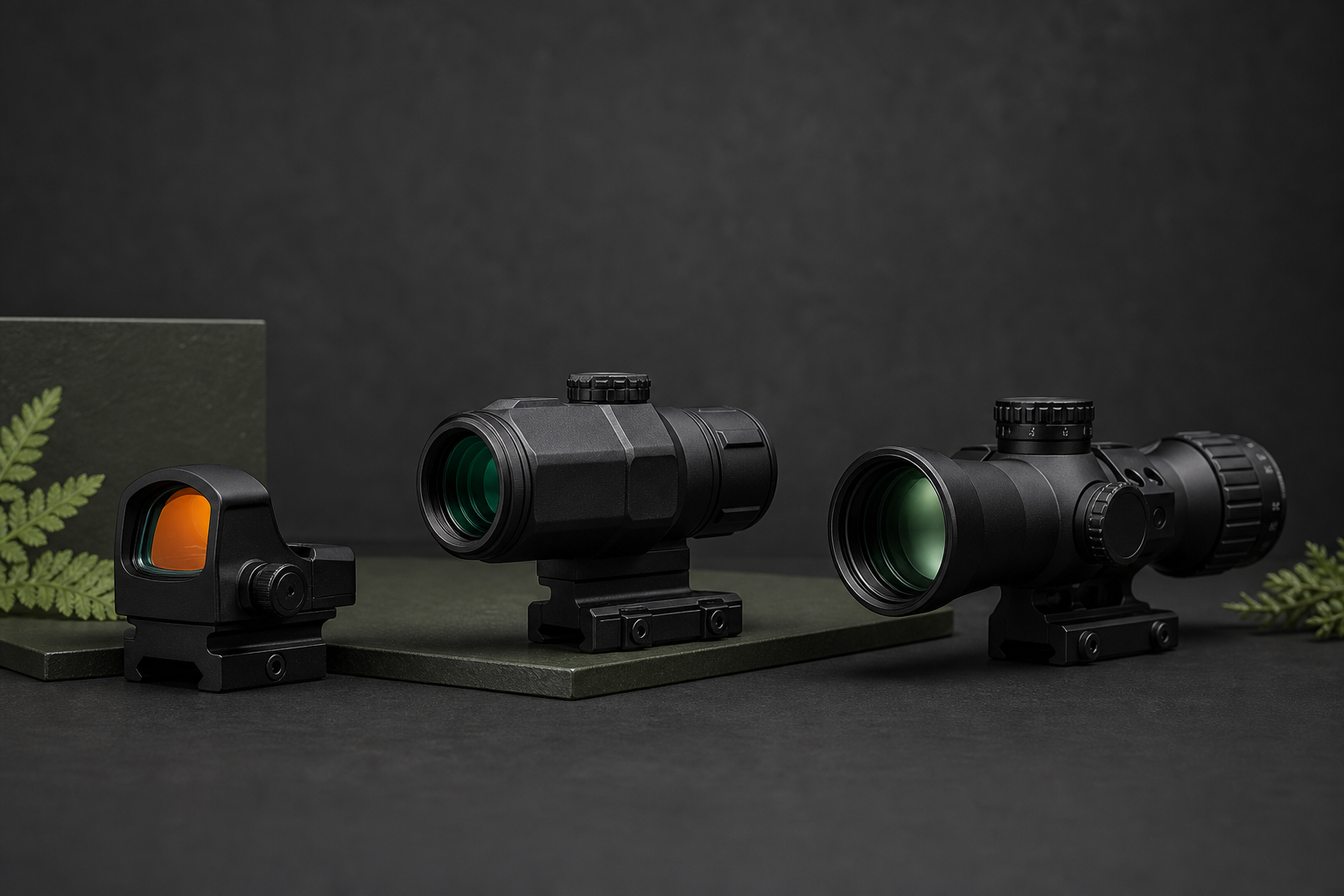
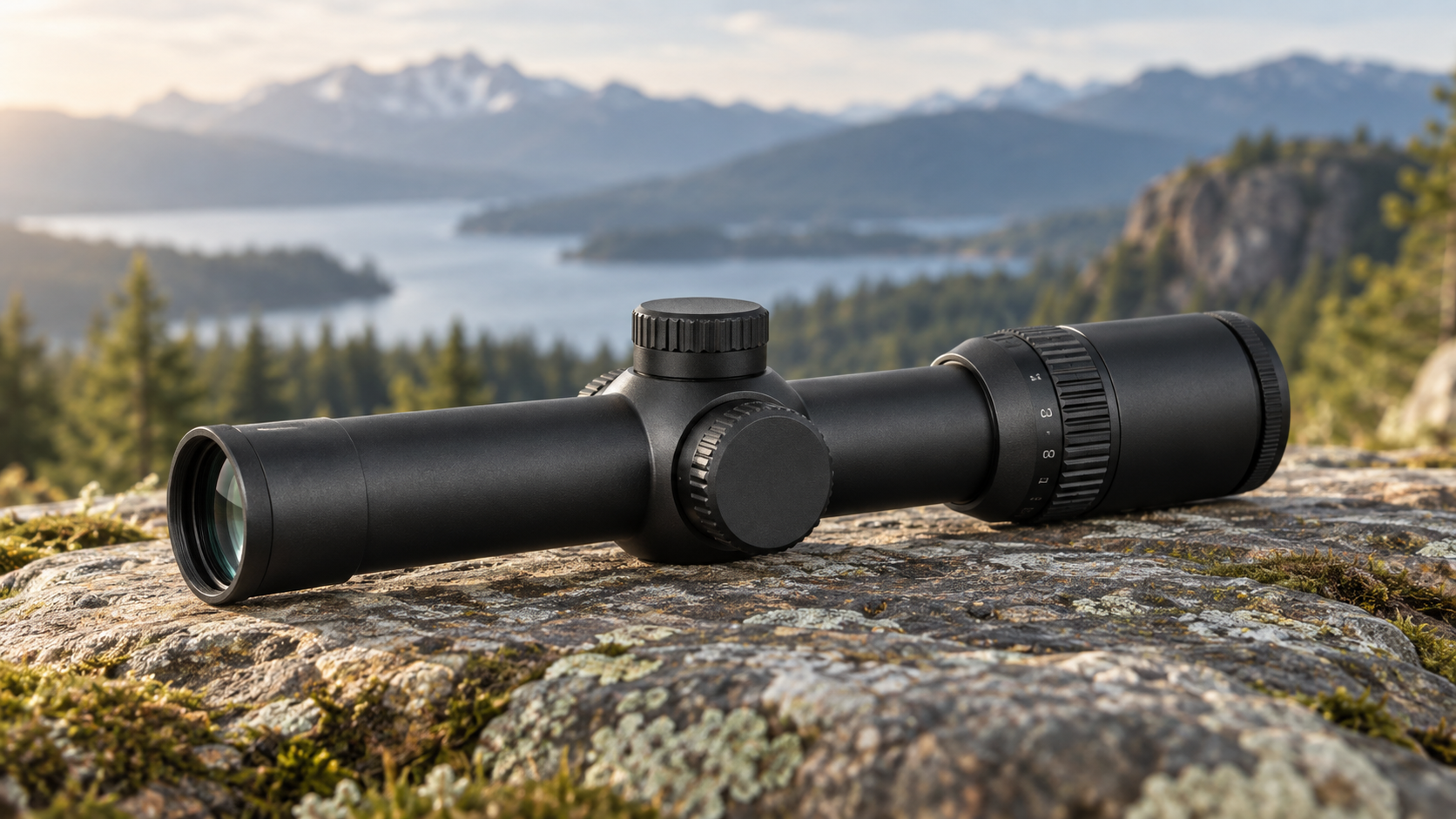
A real project photo showing several common scope accessories. The exact attachment method and compatibility vary by model.
These Accessories Do Not Replace Lens Coatings
Lens coatings work directly on the glass surfaces to manage reflection, transmission and durability. Caps, shades and ARDs sit outside the optical system and solve different problems.
A cap covers the lens when the optic is not in use. A shade blocks some off-axis light. An ARD controls front-surface reflections from certain angles. None of them upgrades an uncoated lens into a fully multicoated one. For the terminology used on specification sheets, see our guide to rifle-scope lens coatings.
Likewise, an exterior accessory does not prove that an optic is waterproof or fogproof. Those claims depend on the optic's sealing, construction and stated test standard, as explained in Waterproof, Fogproof and IP Ratings on Optics.
A Practical Fit Check
Before using any front- or rear-mounted accessory, run through this short check:
- Confirm the exact optic model and the attachment method.
- Measure the actual outside diameter when the accessory is slip-on; confirm the exact thread when it is screw-in.
- Install the part by hand without forcing it or cross-threading.
- Check that caps open fully and stay out of the sight line.
- Turn the magnification, diopter and adjustable-objective controls through their normal ranges.
- Look through the optic at low and high magnification for a new dark edge or partial obstruction.
- Confirm the complete setup still fits its case without pressure on the cap, shade or ARD.
If the image develops a dark ring only after an accessory is installed, remove the accessory and recheck before changing eye relief or scope position. The difference may be physical obstruction rather than an eye-position problem.
The Useful Rule of Thumb
Choose the accessory for the problem you actually have.
- Use lens caps when the priority is keeping exposed glass clean and protected between viewing sessions.
- Use a sunshade when off-axis light or exposed front glass is the practical issue.
- Use a honeycomb ARD when reducing front-lens reflections matters enough to accept a possible small light or contrast trade-off.
Fit matters more than appearance. Match the part to the exact housing or thread, check clearance through the full operating range and do not stack accessories unless the optic maker supports that arrangement.
Explore more optics guides
Browse more plain-English explanations of scope setup, care and optical specifications.


Leave a comment