You turn the side-focus dial until the target looks sharp, settle back behind the scope—and the reticle still looks soft. It is easy to assume the side-focus setting is wrong. In most cases, however, the scope is asking for a different adjustment.
Side focus and the eyepiece diopter do separate jobs. Side focus works on the target image and helps reduce parallax at a given distance. The diopter at the rear of the scope focuses the reticle for your eye. If the target is clear but the crosshair is fuzzy, the diopter is usually the first control to revisit.
The short answer
- Target clear, reticle blurry: adjust the eyepiece diopter.
- Reticle clear, target blurry: adjust side focus or the adjustable objective.
- Both look clear, but the reticle appears to move when your eye shifts: refine the parallax setting.
- The full view disappears or develops a dark crescent: correct your eye position and eye relief.
These symptoms can overlap, especially when your eye tries to compensate for a poor setting. The solution is to separate the adjustments and make them in the right order.
Side focus does not focus the reticle
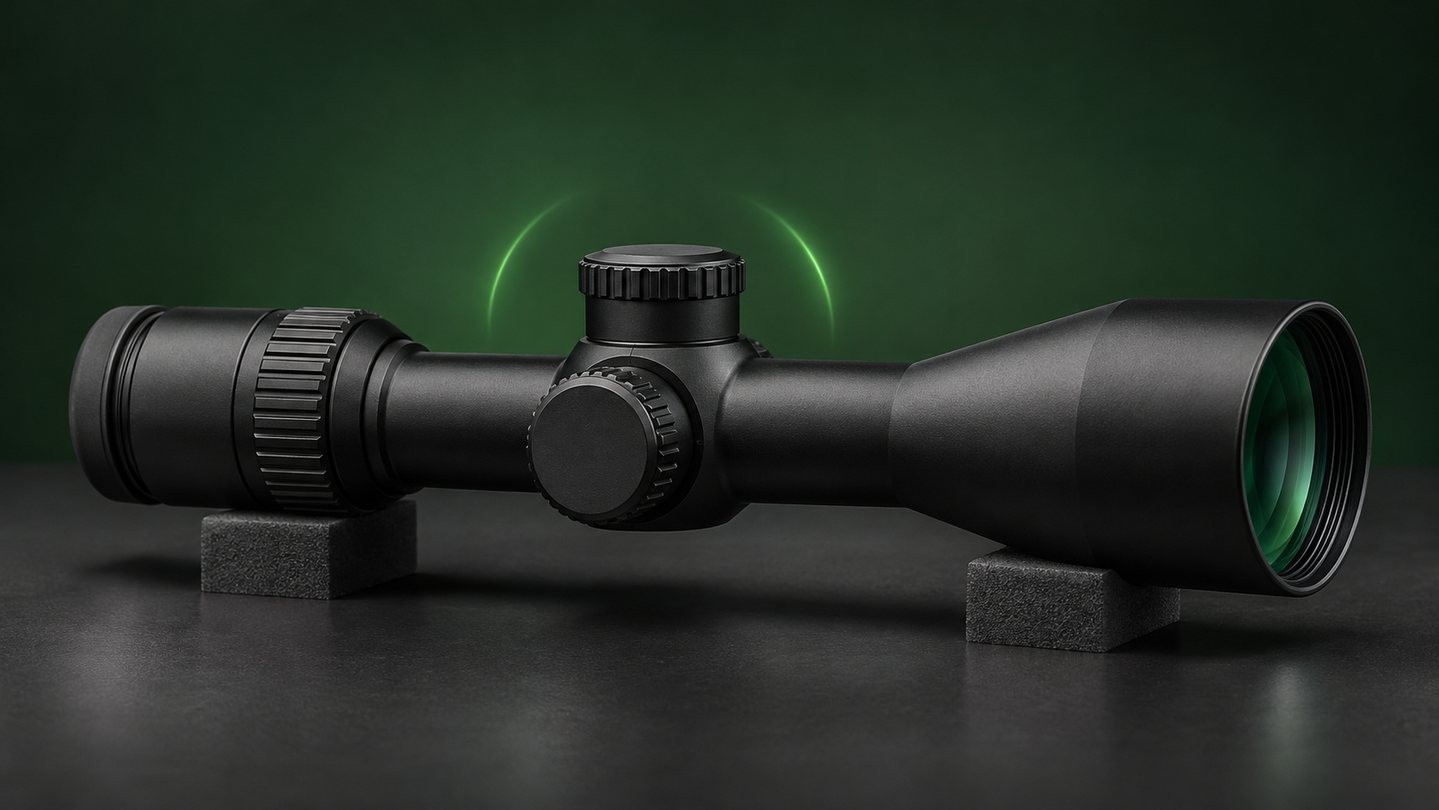
The label “side focus” causes some of the confusion. Turning that dial often makes the target look noticeably sharper, so it feels like the scope’s main focus control. Optically, it is the target-side adjustment. It moves the target image toward the same optical plane as the reticle and helps reduce parallax error.
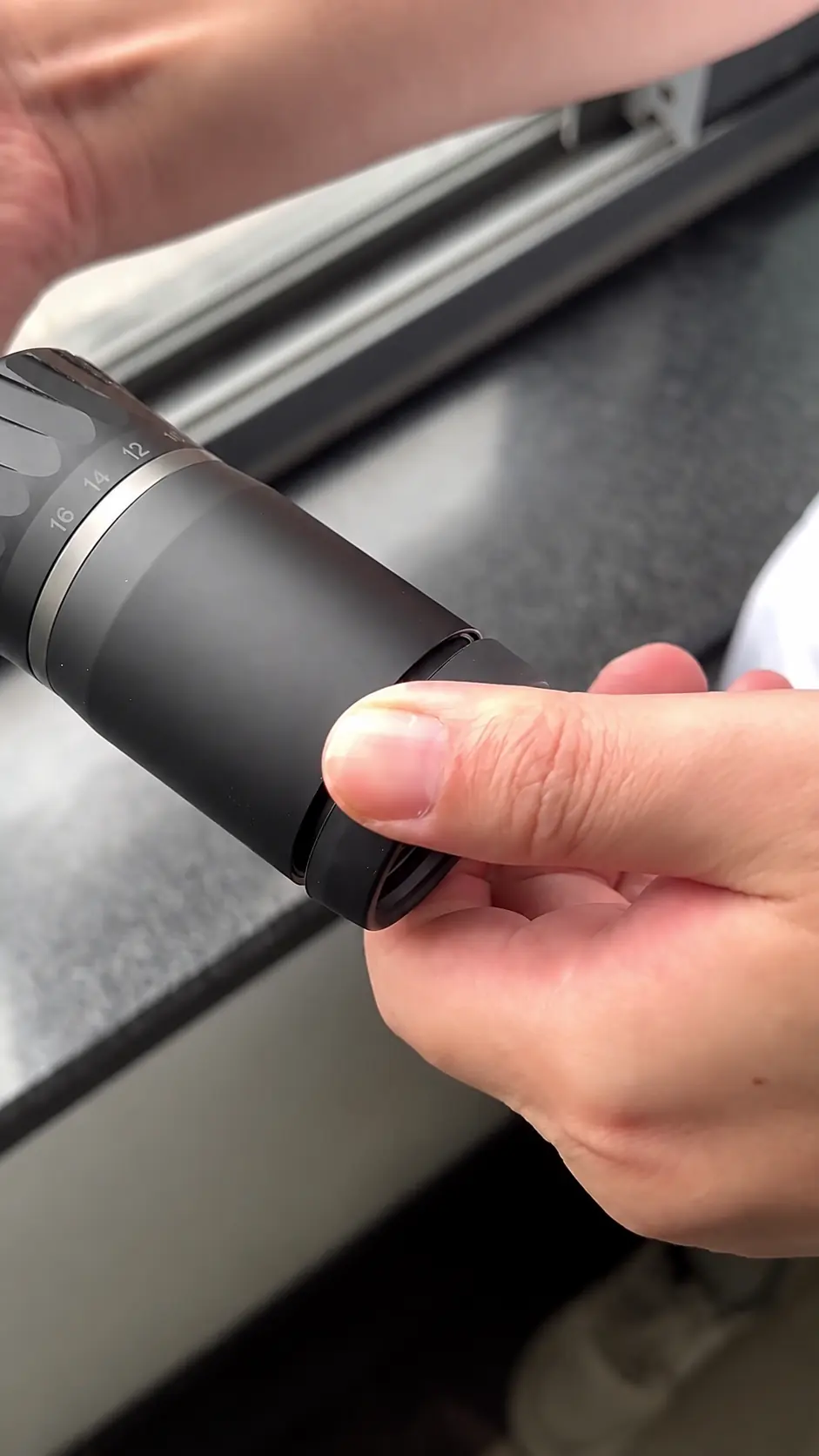
The reticle has its own focus control: the diopter on the eyepiece. Its job is to match the reticle image to your eyesight. Once it is set correctly, you should not need to chase it every time the target distance changes.
For a fuller explanation of the three related—but different—ideas, see our guide to parallax, target focus and diopter adjustment.
Set the diopter before touching side focus
The cleanest setup starts with the reticle. Do this with the firearm unloaded, pointed in a safe direction and supported so you are not fighting the rifle while making small adjustments.
- Choose a plain, bright background. A blank wall or open sky works well, but never look at the sun.
- Set a comfortable magnification. Mid-to-high power usually makes the reticle easy to judge without making eye position unnecessarily demanding.
- Look away for a few seconds. Let your eye relax on a distant object.
- Glance through the scope briefly. Judge the reticle immediately rather than staring through it.
- Turn the diopter a small amount. Look away again, then take another quick glance.
- Repeat until the reticle snaps into focus at once. If it looks sharp only after a second or two, your eye may be doing the focusing for the scope.
Some scopes use a fast-focus eyepiece; others use a threaded eyepiece with a locking ring. The direction and amount of adjustment vary, so the exact scope manual takes priority over a generic rule.
Our step-by-step rifle scope diopter guide covers this process in more detail.
Then focus the target and check parallax
Once the reticle stays crisp during a quick glance, aim at the actual target and adjust side focus.
Start near the distance marking that seems appropriate, but treat the printed number as a reference rather than a range measurement. Turn the dial slowly until the target is as clear as conditions allow. Then, without moving the rifle, shift your eye slightly behind the eyepiece.
If the reticle appears to slide across the target, make a small side-focus correction and check again. The useful setting is the one that minimizes apparent movement—not necessarily the one that places the dial exactly on a printed distance.
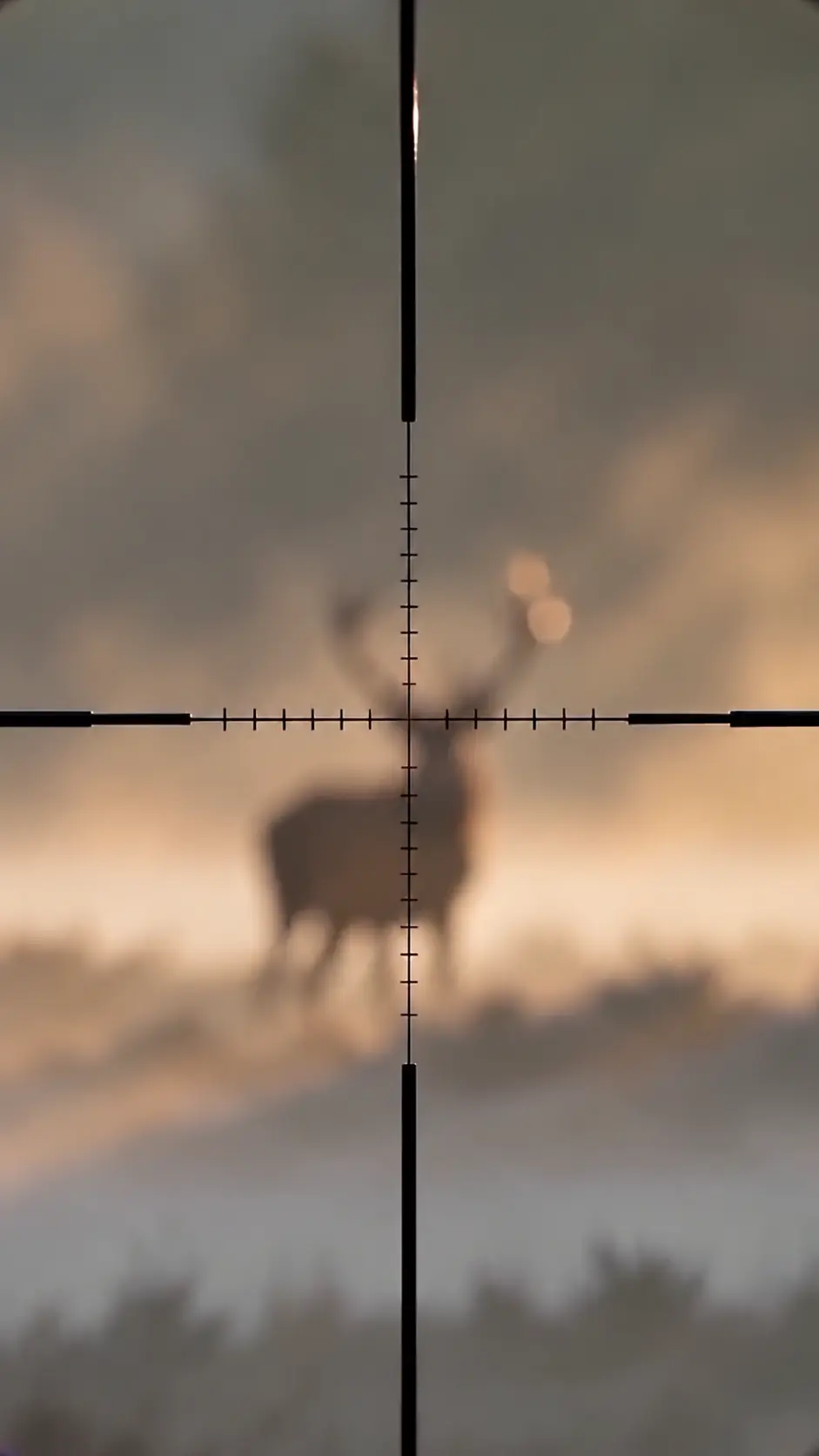
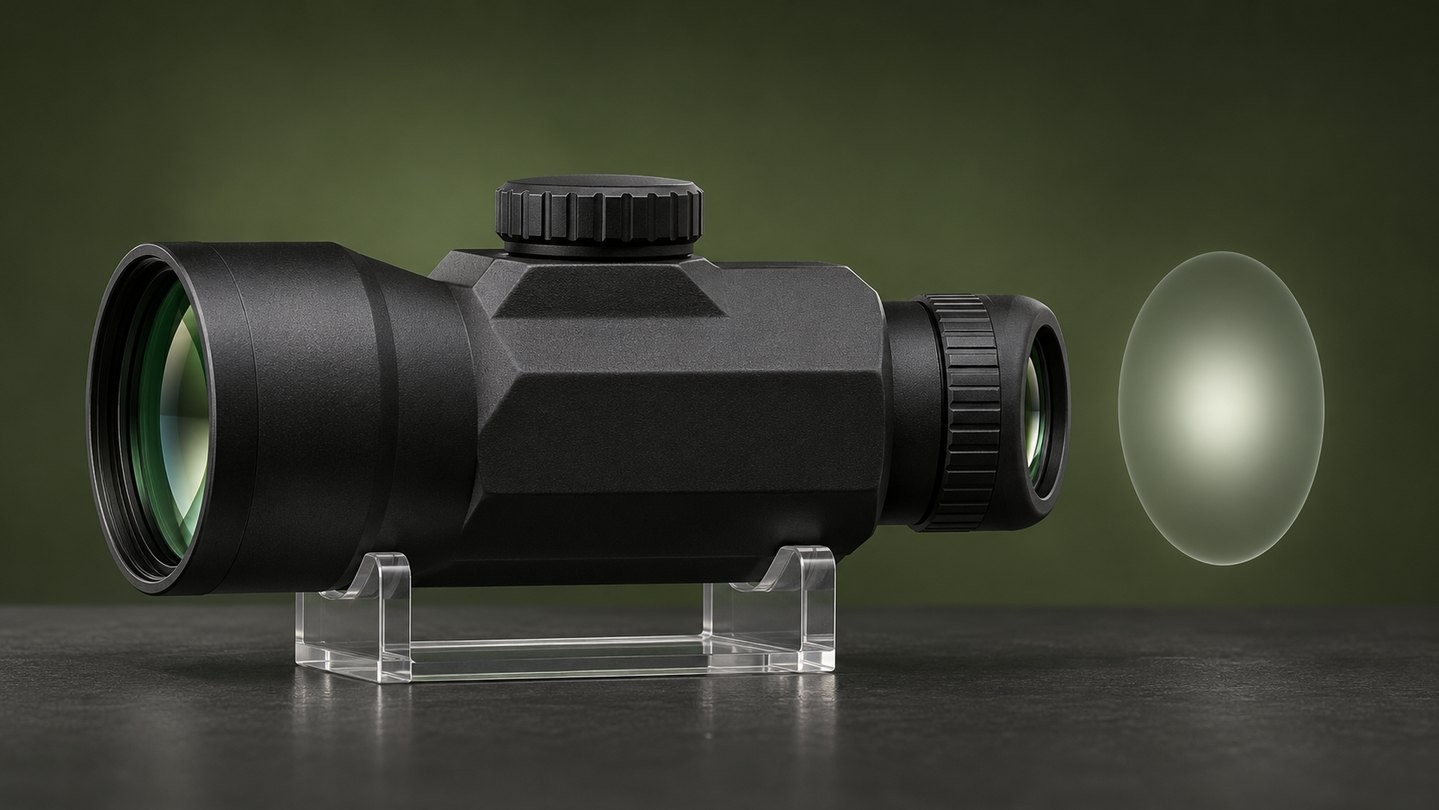
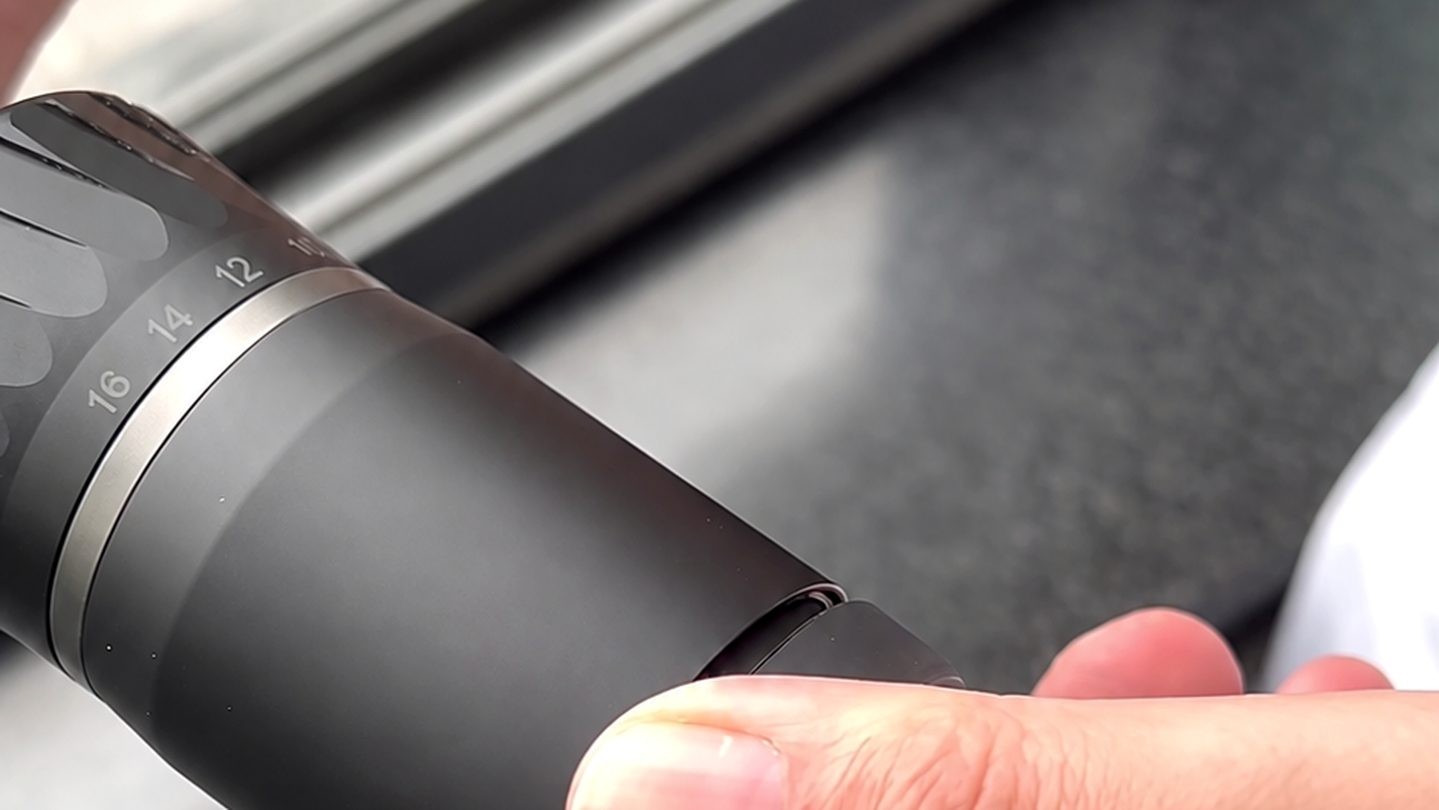
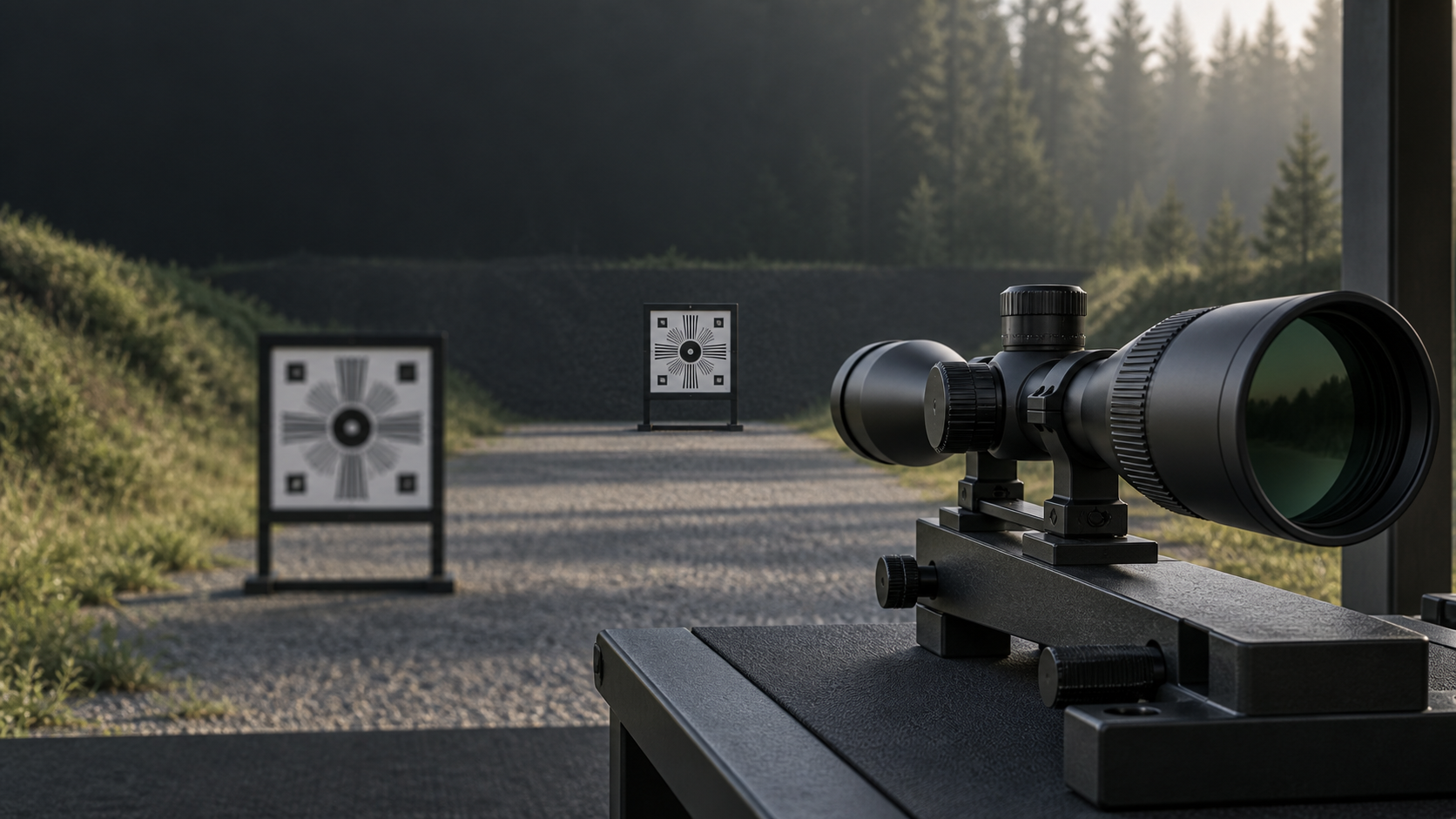
The image above illustrates an important point: a crisp reticle can remain sharp even while the target is deliberately out of focus. That is why target focus cannot be used to set the diopter.
Why staring through the scope can fool you
The human eye is surprisingly good at rescuing a slightly poor focus setting. If you stare through the scope, your eye may accommodate and make the reticle appear sharper. That temporary correction can hide the real diopter setting and may leave your eye feeling strained.
Short glances make the test more reliable. Look away, relax, then check the reticle immediately. You are looking for a reticle that appears crisp without effort, not one that slowly comes into focus while you concentrate on it.
This also explains why a scope can seem fine at the bench and uncomfortable after several minutes of use. Your eye may have been doing extra work from the beginning.
What if the reticle still will not become sharp?
If careful diopter adjustment does not solve the problem, work through the following checks before assuming the optics are defective.
Check your eye position
Move your head until the sight picture is full and evenly illuminated. A dark edge or crescent is usually an eye-relief or alignment issue, not a focus problem. Keep the same natural cheek position while judging clarity.
Reduce magnification temporarily
High magnification makes a narrow eyebox, small head movements, atmospheric shimmer and minor setup errors more obvious. Lower the power and repeat the test. If the reticle becomes easy to see, establish a stable position before increasing magnification again.
Make sure you are turning the correct ring
The numbered ring near the eyepiece may be the magnification ring, while the diopter is normally at the very rear. A side dial may control parallax, illumination or both in a concentric arrangement. Identify each control from the markings and the manual before making large changes.
Clean the external lenses carefully
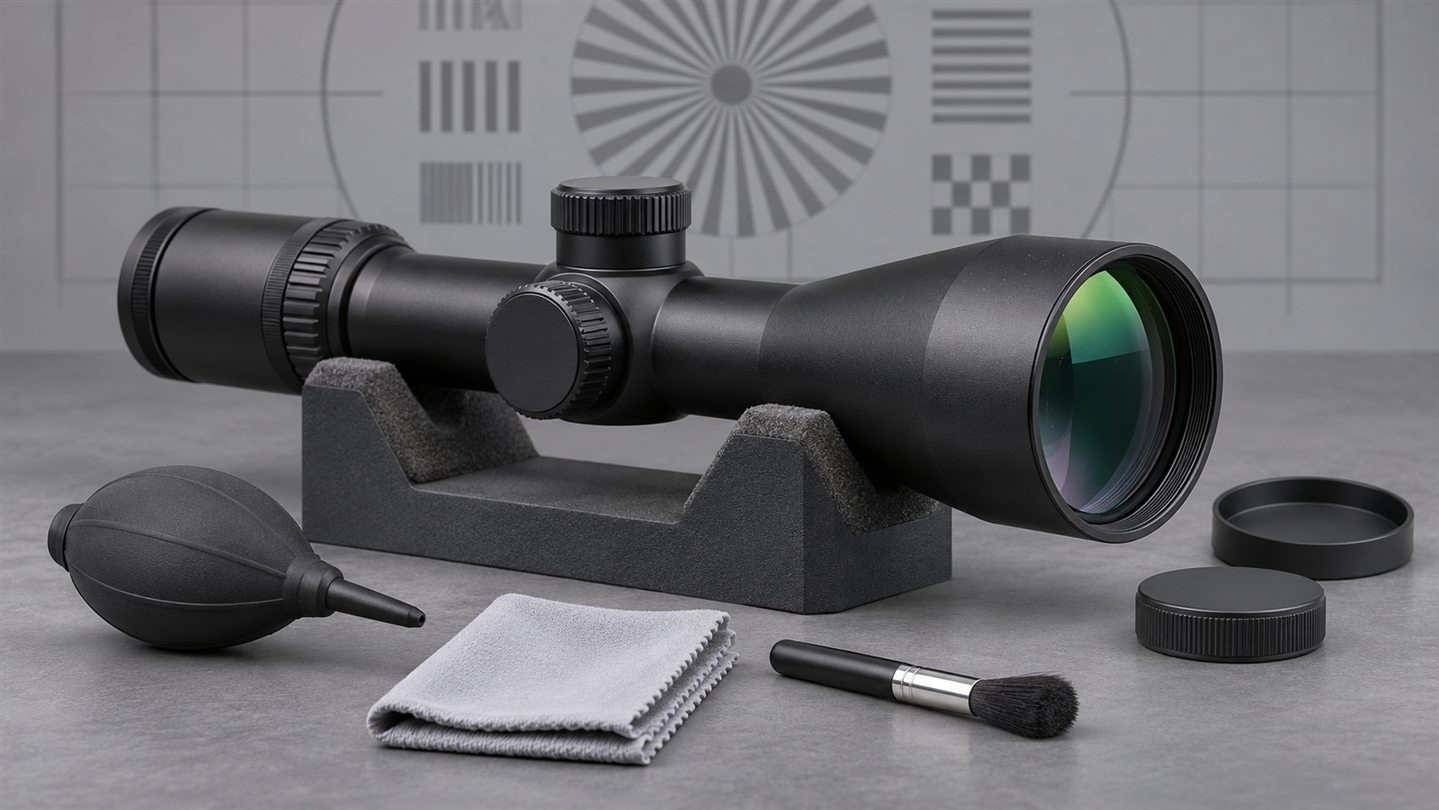
Fingerprints, dust or condensation can reduce contrast and make the entire view look hazy. Use suitable lens-cleaning tools and avoid aggressive rubbing. Dirt on the lens will not normally make only the reticle blurry, but it can make diagnosis harder.
Consider eyesight and corrective lenses
Set the diopter while wearing the same glasses or contact lenses you normally use with the scope. If one eye cannot obtain a clear reticle anywhere in the adjustment range, or if the view changes suddenly, an eye-care professional can help rule out a vision issue.
Compare at more than one distance
A properly set diopter should keep the reticle clear while side focus changes with target distance. If the reticle only looks right at one particular side-focus setting, repeat the setup from the beginning and verify that the rear eyepiece is actually moving through its adjustment range.
Common mistakes that keep the reticle blurry
Adjusting side focus first
This encourages you to judge two kinds of blur at the same time. Set the reticle first against a plain background, then move on to the target.
Turning the diopter while studying the target
Fine target detail distracts the eye and makes accommodation more likely. The diopter test should be about the reticle alone.
Treating the side-focus scale as exact
Distance markings are useful starting points. They are not a substitute for observing target clarity and apparent reticle movement under real conditions.
Expecting side focus to fix eye relief
Side focus cannot correct a shadowed sight picture. If the view has black edges, move your eye into the scope’s usable eye box and confirm the mounting position.
Re-adjusting everything at once
Changing magnification, diopter, side focus and head position together makes it hard to identify the cause. Change one variable, look away, and check again.
A reliable adjustment order
- establish a comfortable, repeatable eye position;
- set the diopter for an instantly sharp reticle;
- choose the required magnification;
- use side focus or AO to sharpen the target;
- shift your eye slightly and fine-tune parallax;
- return to your normal cheek position and confirm the complete sight picture.
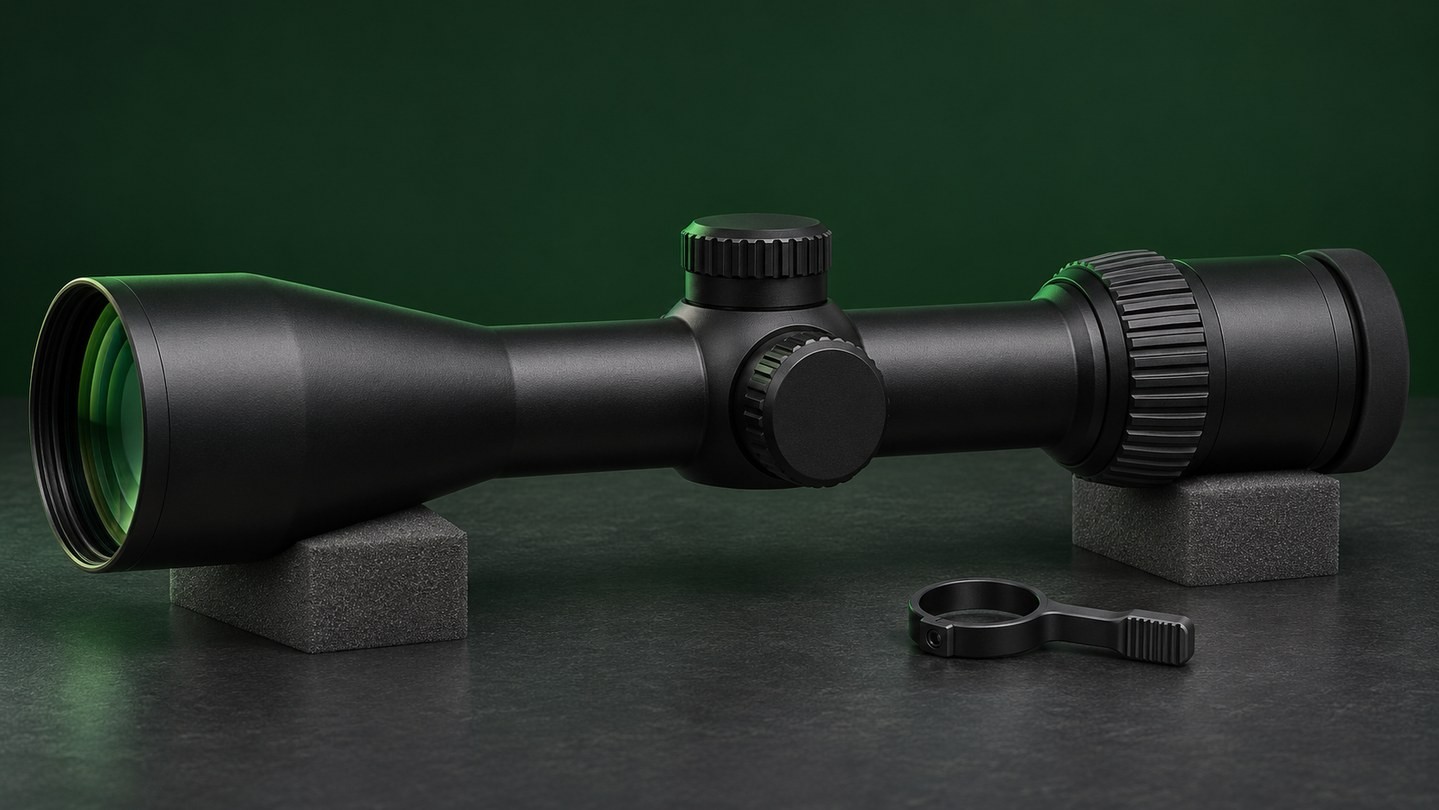
Whether the parallax control is on the side turret or the objective bell, the optical job is essentially the same. Our comparison of side focus and adjustable objective scopes explains the practical difference between the two layouts.
Keep the two focus jobs separate
A sharp target and a sharp reticle are not produced by the same control. Set the eyepiece diopter so the reticle is immediately clear to your eye. Then use side focus to bring the target into focus and reduce parallax at the working distance.
Once that distinction becomes familiar, troubleshooting is much faster: reticle blur sends you to the eyepiece, target blur sends you to side focus, and apparent reticle movement calls for a parallax check.


Leave a comment