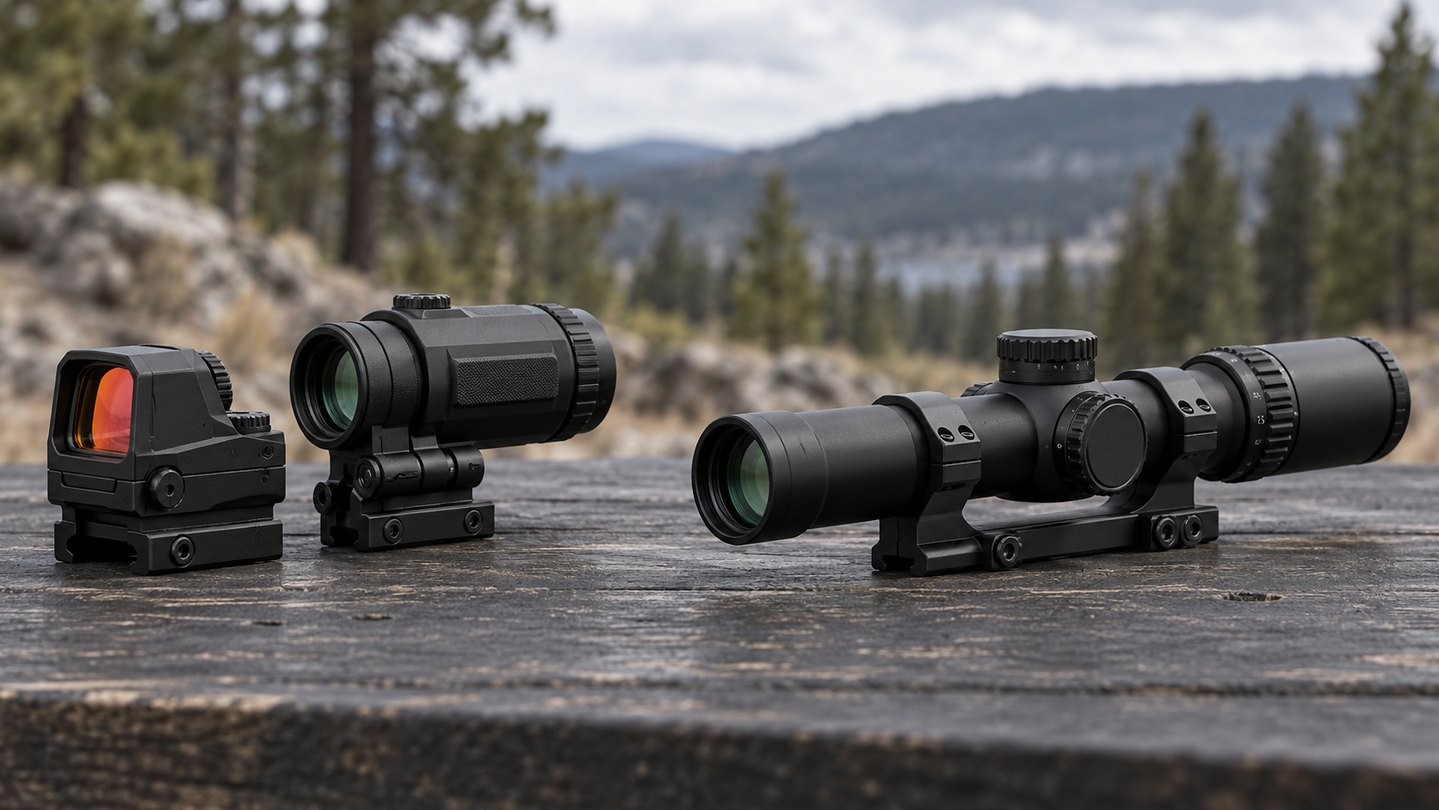
Adding magnification sounds simple until you compare the two common routes. A flip-to-side magnifier keeps a red dot as the primary sight and adds a fixed-power view when you need it. An LPVO puts low and higher magnification in one variable-power scope.
Both can cover close and more distant viewing. They do not feel the same, however, and the better choice usually comes down to what you want the optic to do most of the time.
They Start From Different Ideas
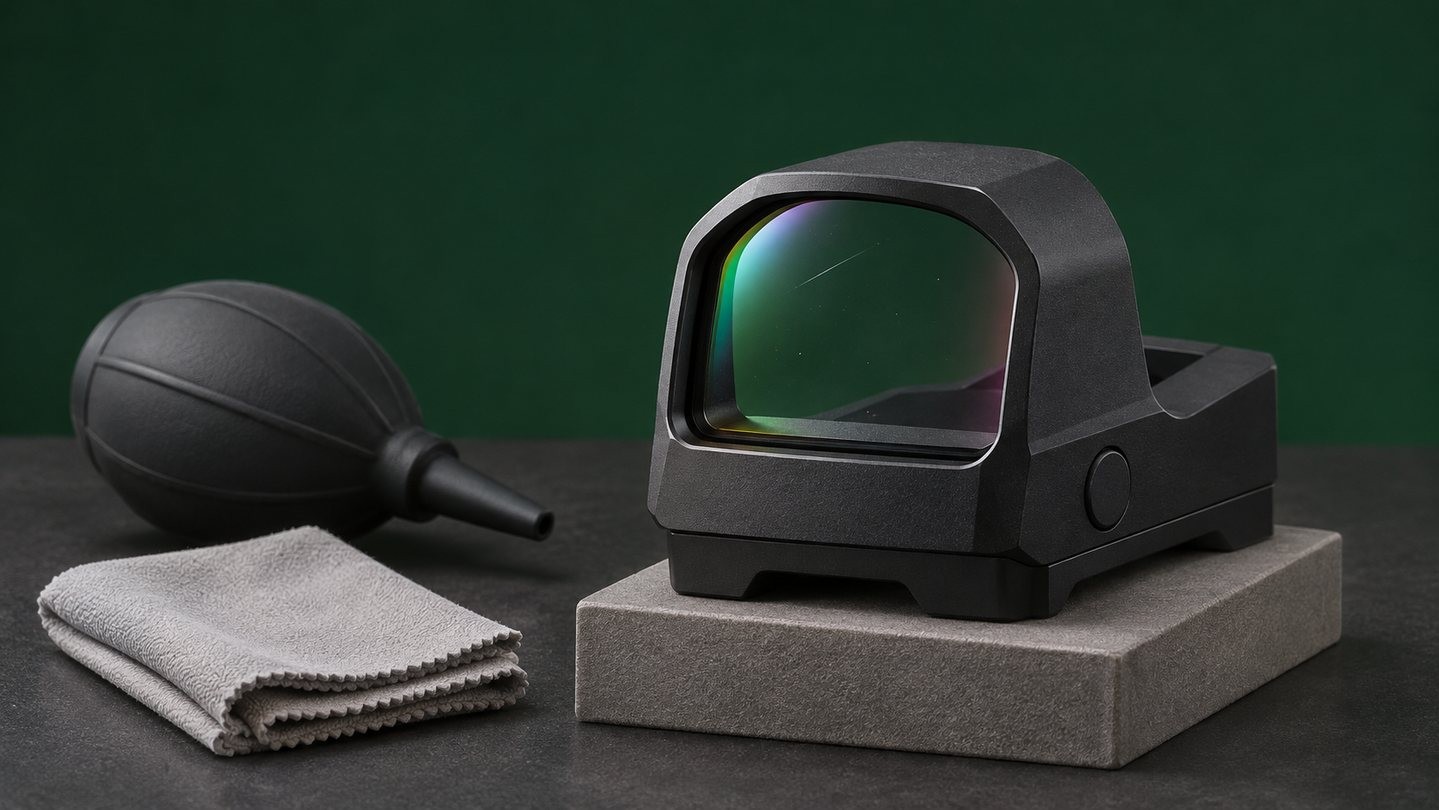
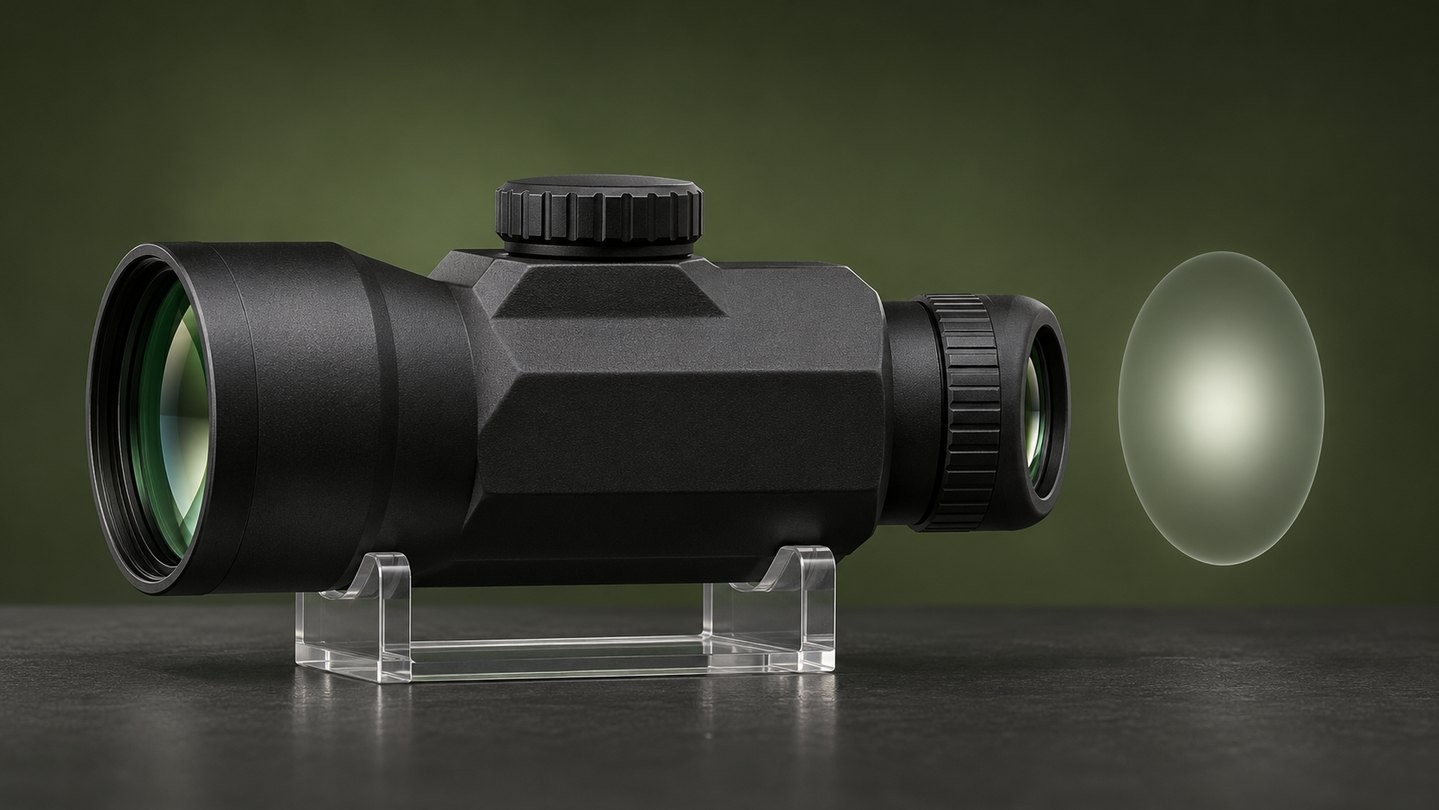
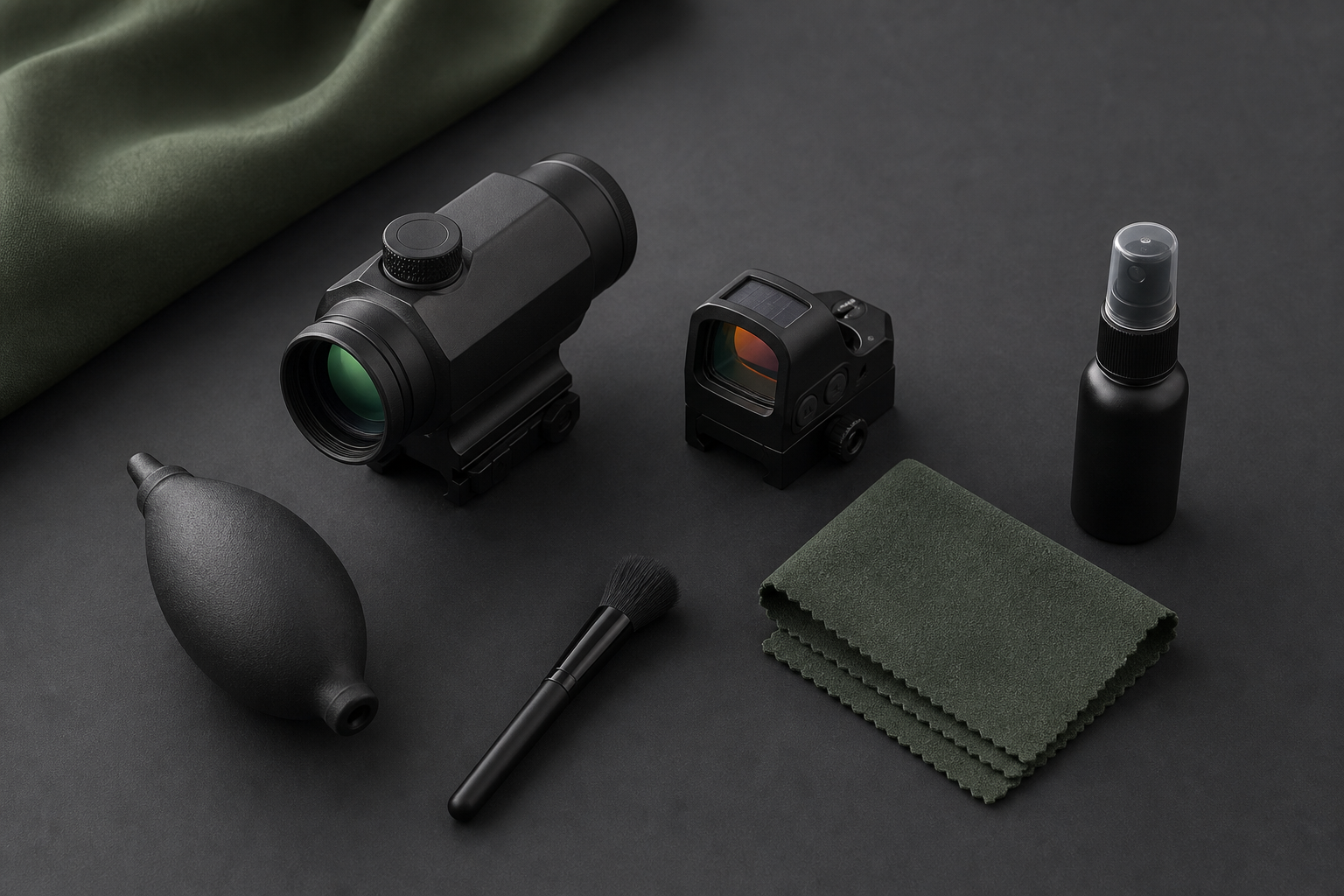
A red dot and magnifier is still a red-dot system. With the magnifier moved aside, you look through the red dot alone. Swing the magnifier back into line and it enlarges the target image and the aiming point together.
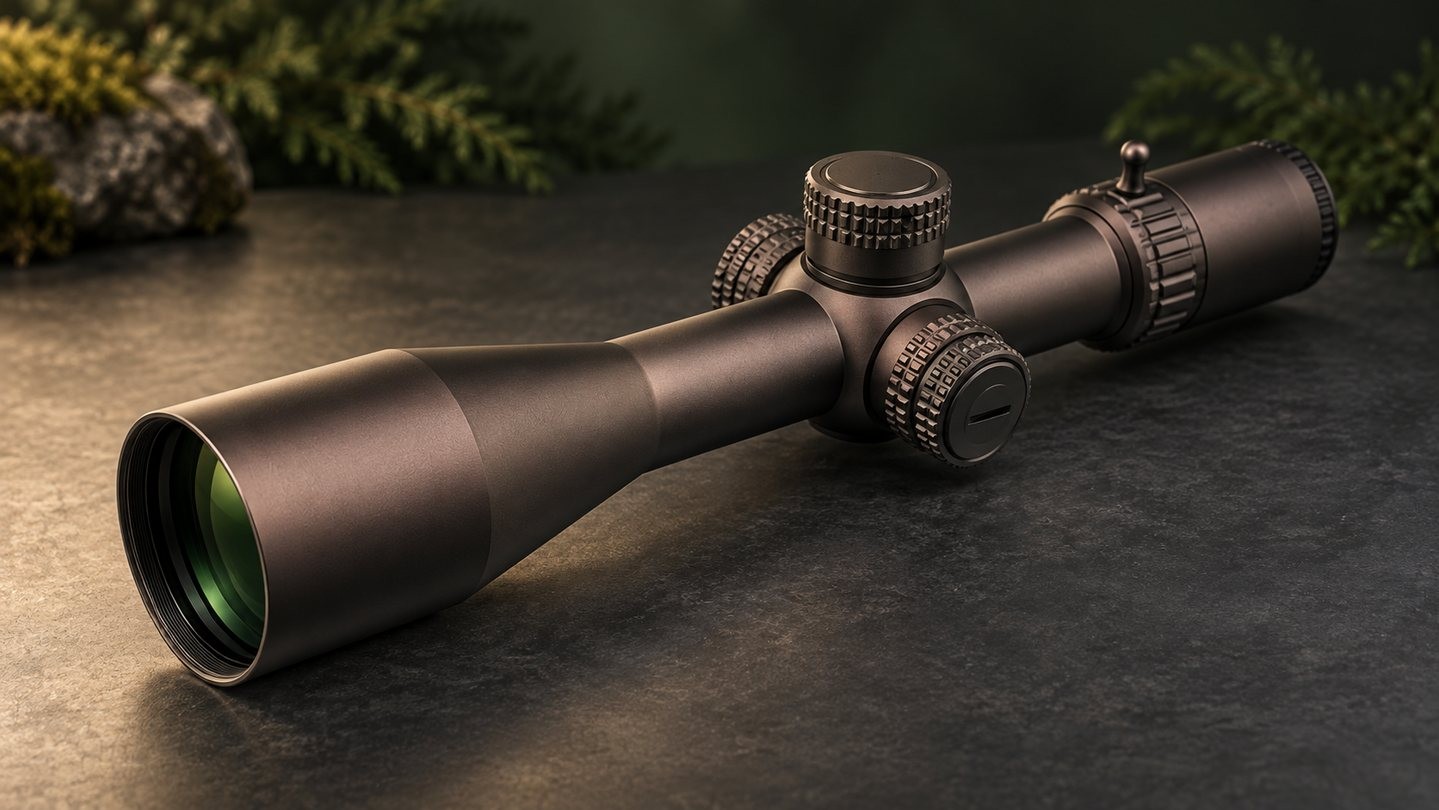
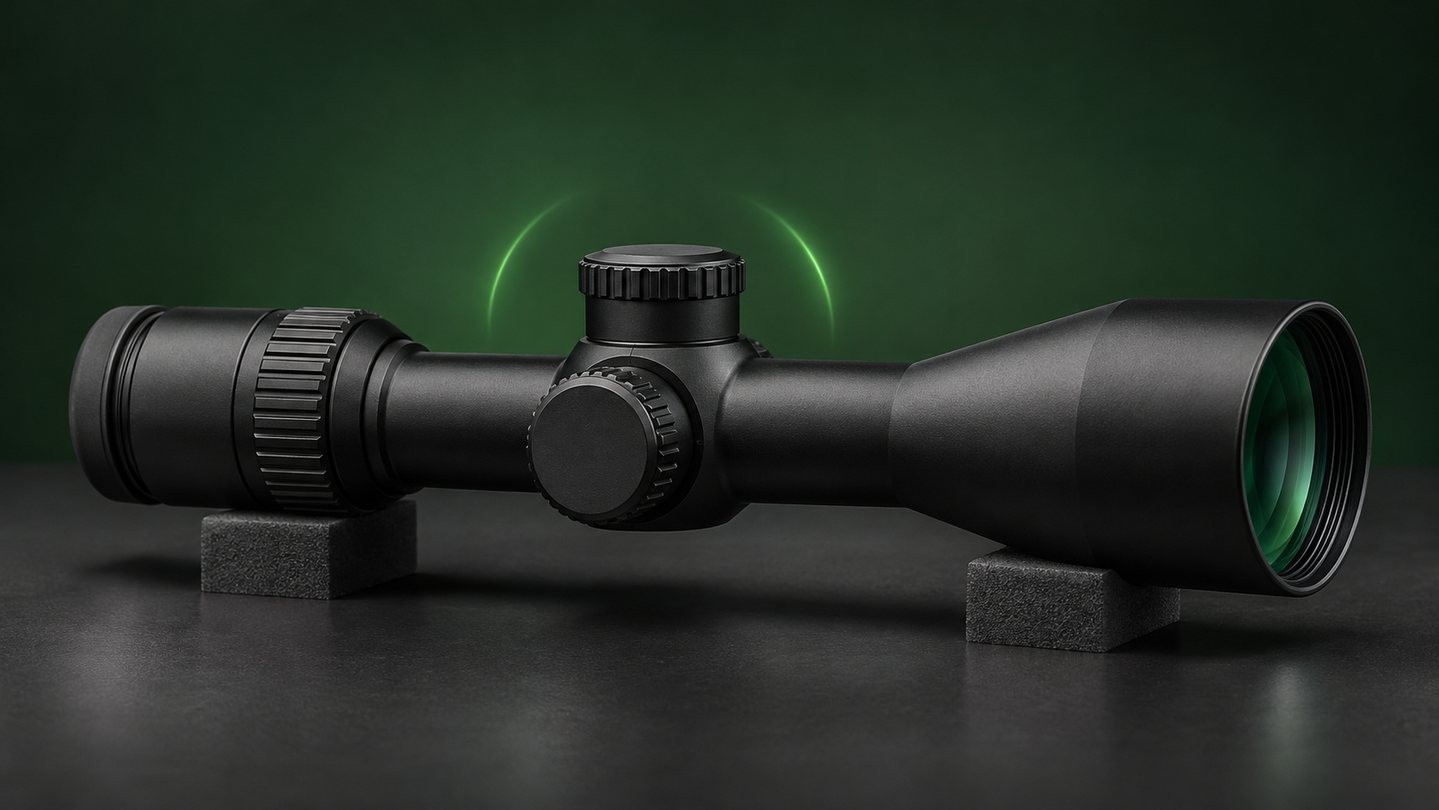
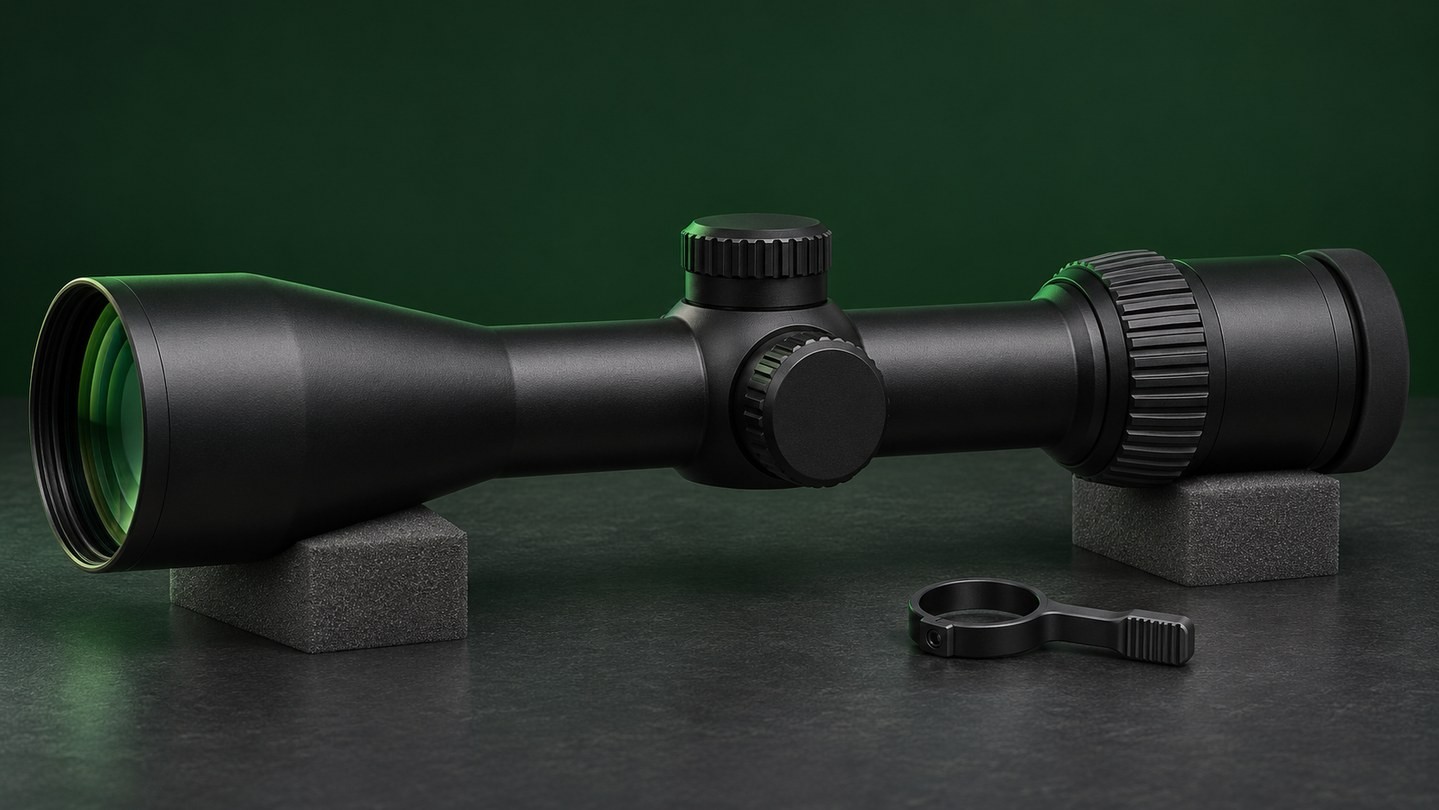
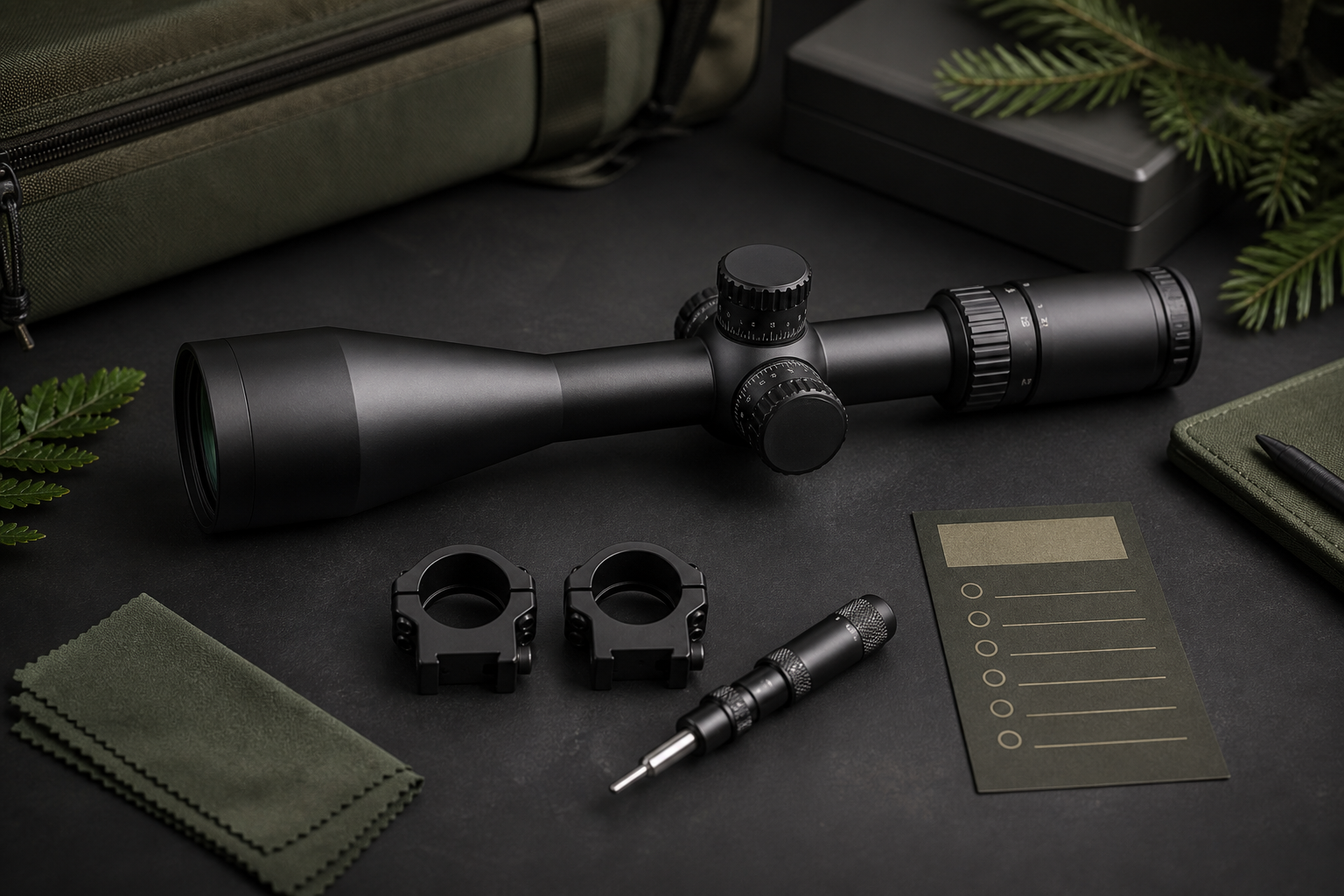
An LPVO is a riflescope from the start. Even at its lowest setting, you are looking through a scope with a defined eye-relief range, an eyebox, an etched reticle and a magnification control. Moving from low to high power means turning the magnification ring rather than moving a second optic into place.
That distinction matters more than the numbers on the box. A 3× magnifier and an LPVO set to 3× may show a similarly enlarged scene, but the way you reach that view—and the way you position your eye behind it—can be quite different.
What a Red Dot and Magnifier Does Well
The main appeal is the unmagnified red-dot experience. When the magnifier is parked to the side, the red dot keeps its open, forgiving view. There is no scope tube surrounding the image, and head position is generally less critical than it is behind a magnified riflescope.
When more detail is useful, a flip mount can bring the magnifier into line quickly. Many magnifiers use fixed 3× power, although other powers exist. The magnifier normally has a diopter so you can focus the viewed image for your eye, plus windage and elevation controls used to center the red-dot image in its window. Those centering controls do not replace the red dot's zero. EOTECH's own magnifier instructions, for example, describe the adjustment as aesthetic and state that it does not affect the sight's zero.
There is another useful detail: a correctly paired magnifier does not require a separate aiming zero each time it moves in or out. Aimpoint describes the same principle for its magnifier systems. The red dot remains the aiming optic; the magnifier changes what you see through it.
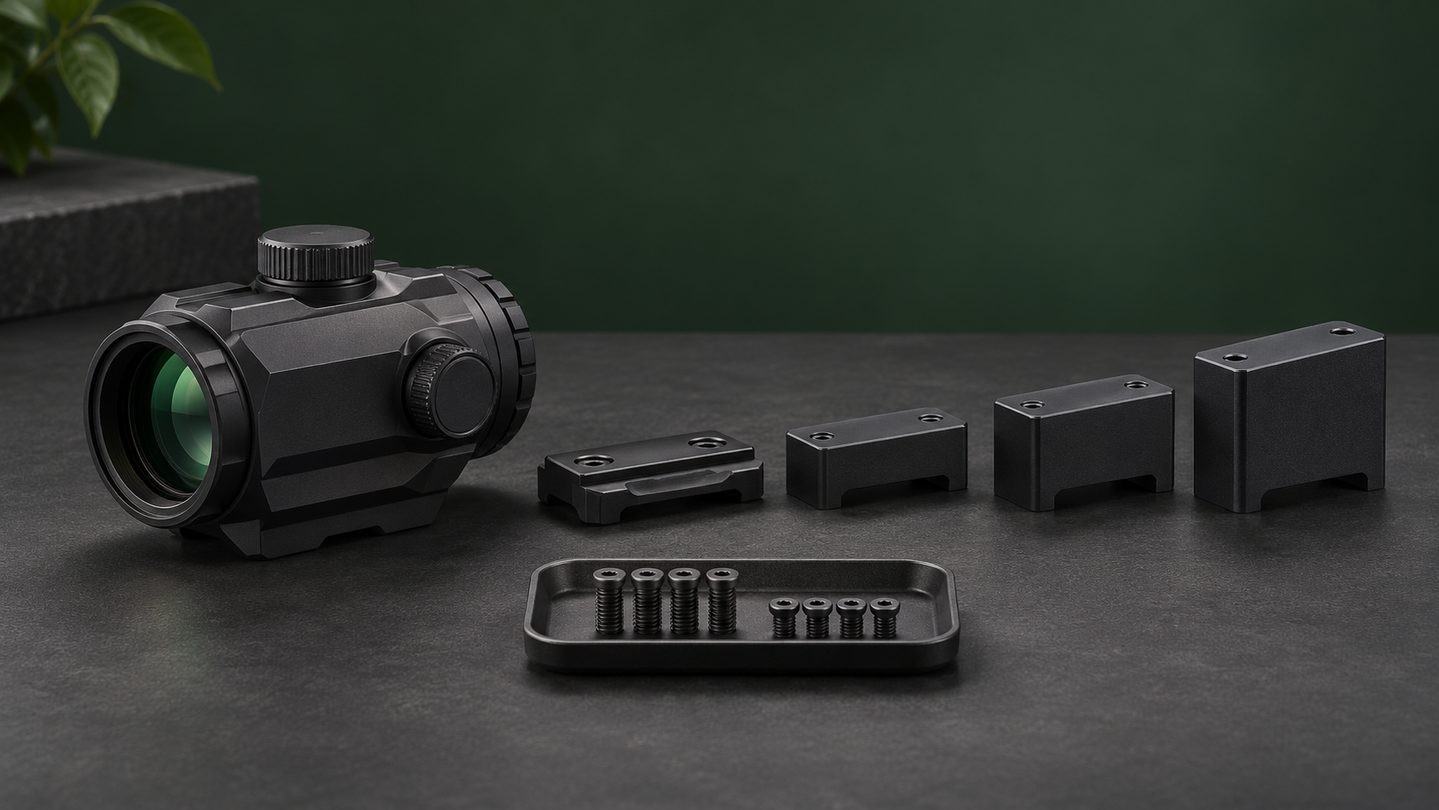
The trade-offs are physical. A red dot, magnifier and flip mount create a two-piece optical system. It needs enough rail space, compatible centerline heights and a mount that locks firmly in both positions. When folded aside, the magnifier still occupies space and shifts some weight away from the center. Eye relief is also limited, so its position cannot be chosen only for appearance.
If you are still deciding on dot size, our 2 MOA vs 3 MOA vs 6 MOA guide explains what the dot covers at distance. Magnification can make the shape and brightness of the dot easier to inspect, but it does not turn a large dot into a finer one.
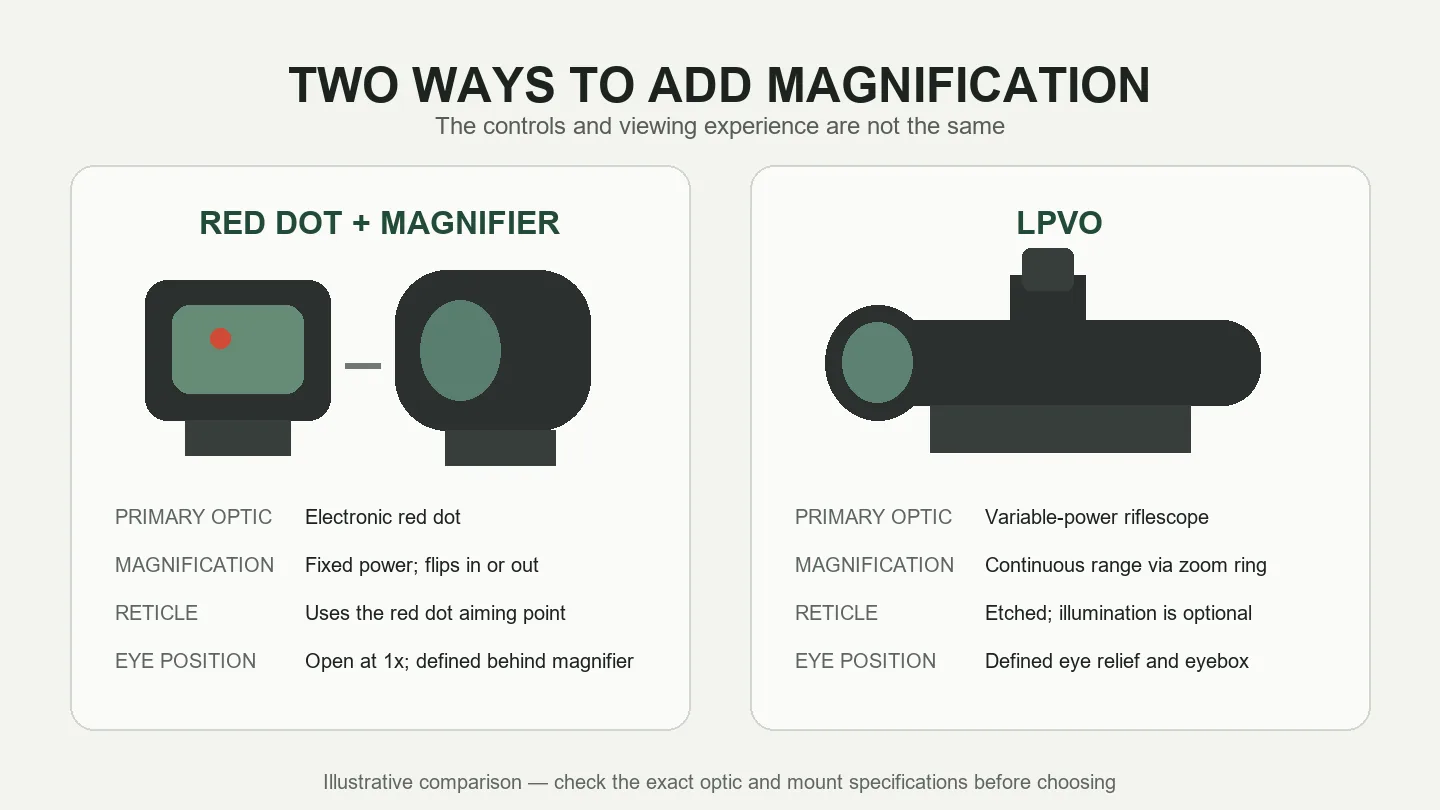
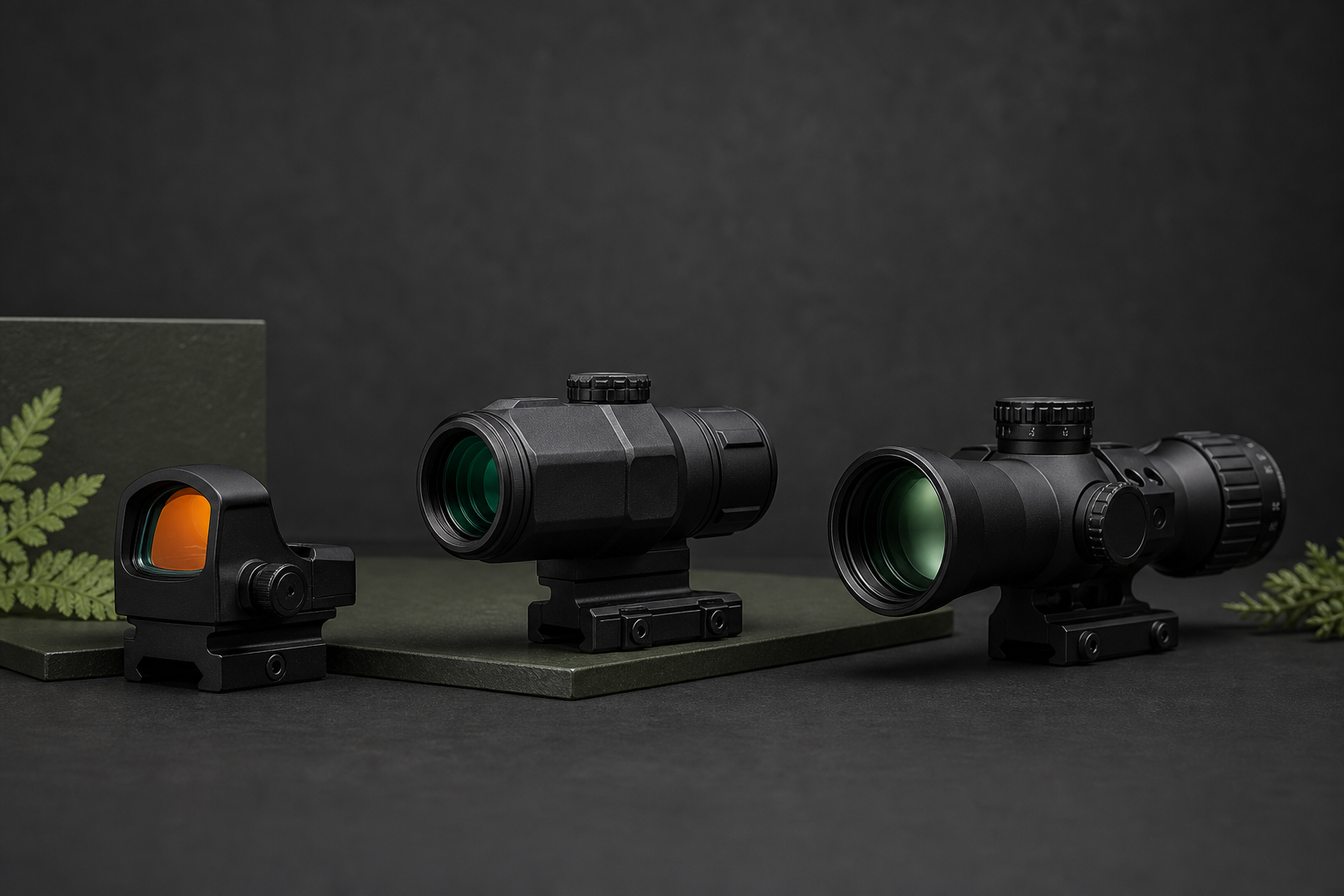
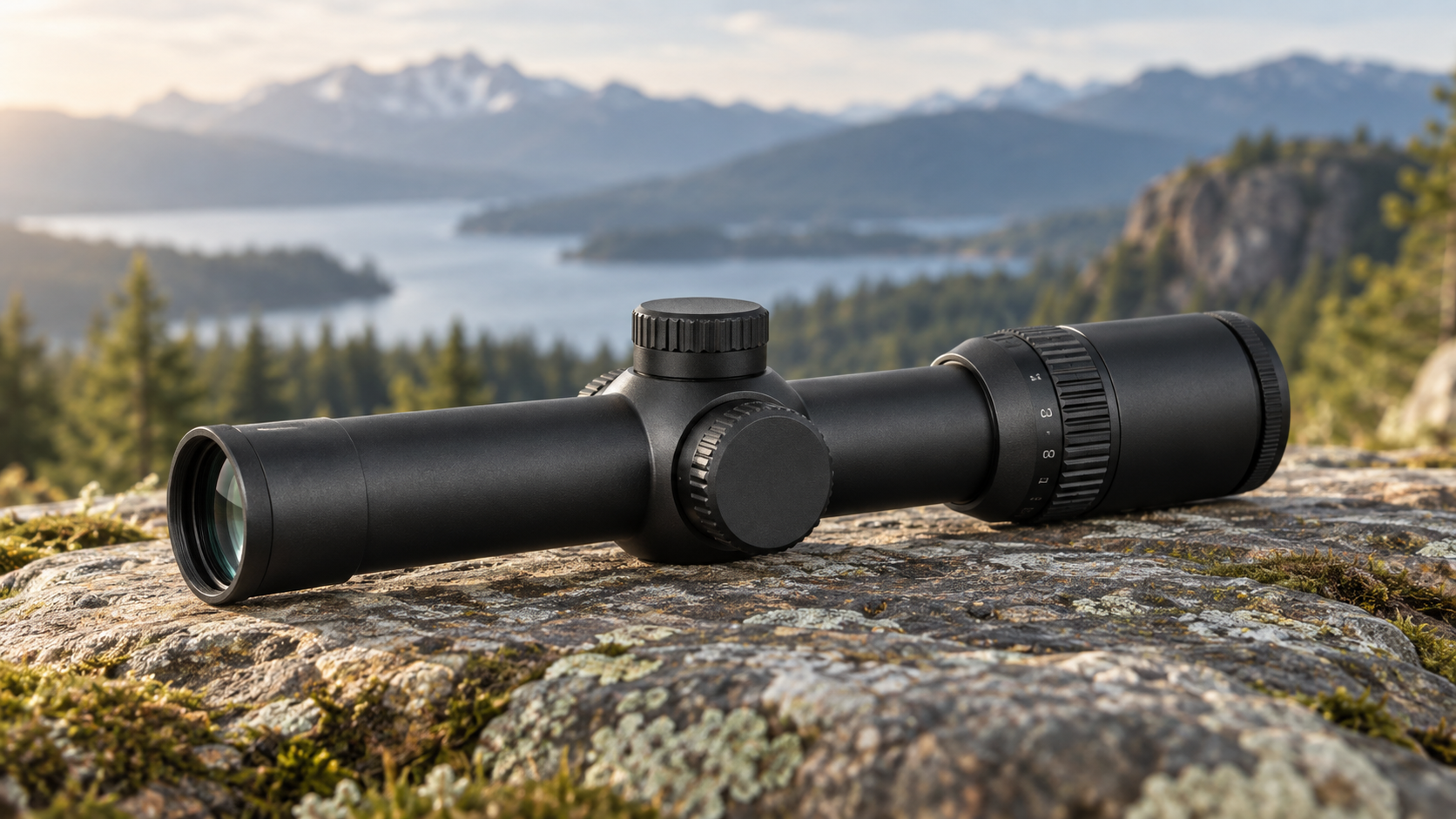
A magnifier adds a fixed-power view to a red dot; an LPVO combines low and higher power in one scope.
What an LPVO Does Well
An LPVO gives you a range of magnification rather than one fixed step. A 1–6× model, for instance, can move through the settings between its low and high ends. That flexibility helps when the useful view is not simply “no magnification” or “full magnification.”
The etched reticle is another important difference. It remains visible without illumination, and it can include references for holds or measurement depending on the design. Illumination may make part of the reticle easier to find, but the scope is not reduced to a blank window when the light is switched off.
The cost of that integrated design is a more defined viewing position. Eye relief and the eyebox matter at every power, and the usable head-position range often becomes less forgiving as magnification increases. Mounting height and fore-aft position therefore deserve more attention. Our rifle-scope eyebox guide covers that relationship in detail.
Low power also deserves a realistic expectation. “1×” on a scope does not automatically mean the view will feel identical to looking through a red dot. Apparent image size, distortion, field of view, reticle design and eye position all influence how natural the low-power view feels. If the top end is part of your decision, see our comparison of 1–6×, 1–8× and 1–10× LPVOs.
The Differences at a Glance
| Question |
Red dot + magnifier |
LPVO |
| What is the primary sight? |
Electronic red dot |
Variable-power riflescope |
| How does magnification change? |
Fixed-power magnifier moves in or out |
Magnification ring moves through a range |
| What happens with power off? |
The red dot aiming point normally needs power |
The etched reticle remains visible |
| How critical is eye position? |
Forgiving through the red dot; more defined behind the magnifier |
Defined eye relief and eyebox at all settings |
| What must be mounted? |
Red dot, magnifier and compatible flip mount |
Scope and rings or a one-piece mount |
| What is the main strength? |
Preserves the red-dot-first experience |
Gives intermediate magnification and an etched reticle |
The table describes the basic architecture, not a promise that every model behaves alike. Field of view, eye relief, weight, optical quality and mount design vary substantially.
Choose a Magnifier When the Red Dot Comes First
A magnifier setup makes the most sense when you already like the speed and viewing freedom of a red dot and expect to use magnification only when the target is smaller or farther away. It is a particularly logical upgrade if a suitable red dot and mount are already installed.
It can also be the simpler mental model: magnifier out for an open unmagnified view, magnifier in for a closer look. There is no need to remember which intermediate zoom setting was left on the optic.
Before committing, check the complete assembly rather than the magnifier alone. Confirm rail space, mount height, eye relief, folding direction and whether the magnifier clears nearby controls. A compact optic can still create an awkward setup if its mount places the eyepiece too far forward or folds into something else.
Browse the Magnifiers category and Red Dot Sights category to compare the two parts as a system rather than as unrelated accessories.
Choose an LPVO When the Magnified View Matters More Often
An LPVO is usually the more natural choice when you expect to work at several magnification settings or want an etched reticle to remain available without illumination. The single optical path also avoids the alignment and folding considerations of a separate magnifier.
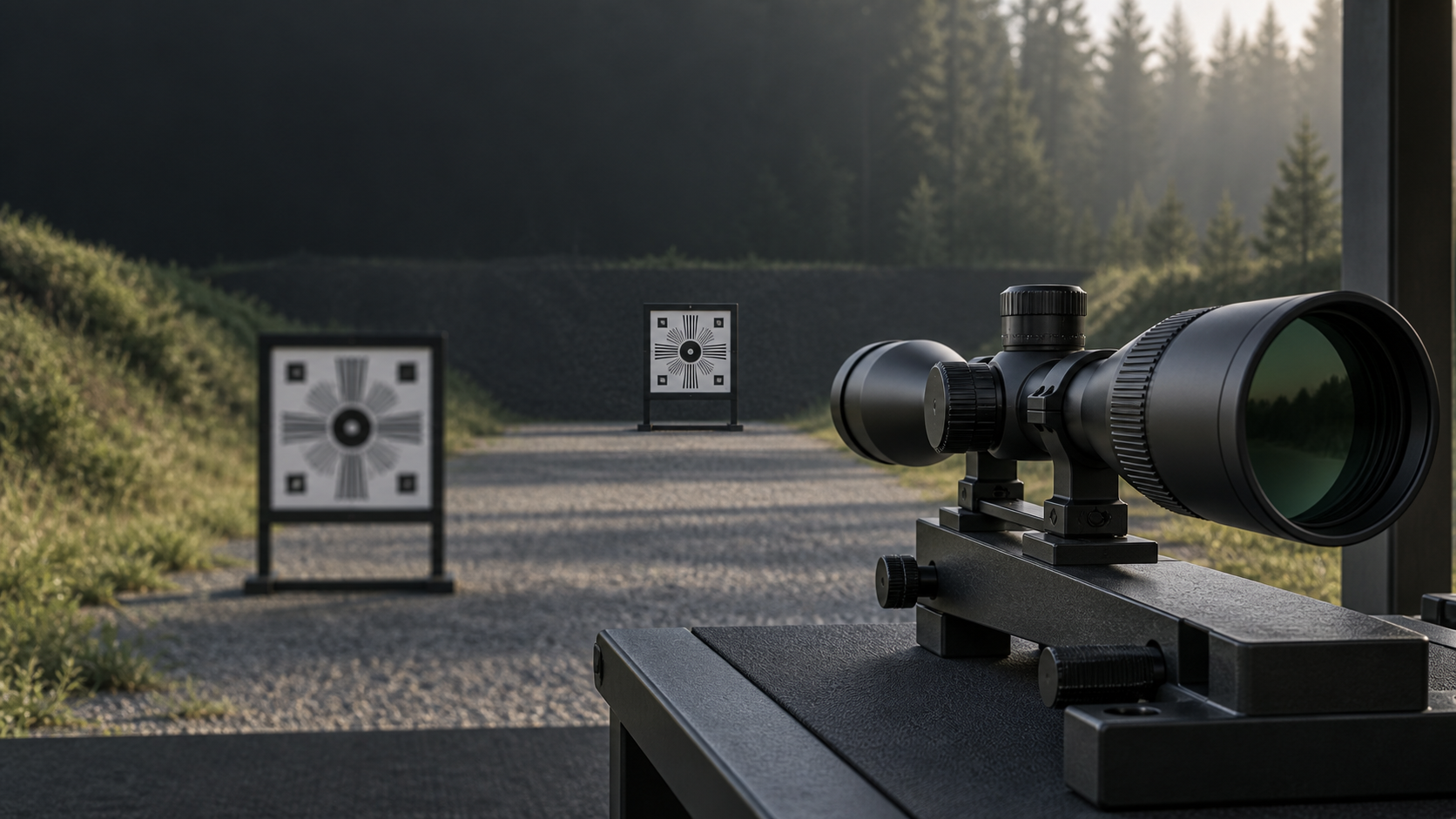
It rewards careful setup. You need to establish comfortable eye relief, place the scope so the full view appears in your normal position, set the diopter correctly and confirm that the magnification ring is easy to reach. None of those steps is difficult, but skipping them can make a capable scope feel slow or restrictive.
An LPVO is not automatically the lighter or heavier answer. A compact scope and mount can compare favorably with a red dot, magnifier and two mounts, while other combinations go the opposite way. Compare complete installed systems, not bare optic weights from unrelated product pages.
Five Questions That Usually Settle the Choice
1. Which view will you use most?
If the answer is an open red-dot view, start with the red dot. If you expect to spend significant time at 2×, 3×, 4× or beyond, the LPVO's continuous range becomes more useful.
2. Do you want an etched reticle?
A magnifier enlarges the reticle that the red dot already provides. An LPVO can offer crosshairs, hold references or other etched information. More detail is not always better, but it can matter when the magnified view is central to your use.
3. How tolerant are you of a defined head position?
A red dot is typically forgiving when used alone. Both a magnifier and an LPVO introduce eye-relief and alignment requirements, but the LPVO makes that relationship part of the view at every setting.
4. What fits the available mounting space?
Do not assume the shorter-looking option will fit better. Measure the usable rail or mounting area, note the required centerline height, and allow room for controls and charging handles where applicable. Use equipment only in a lawful, safe configuration and follow the optic and mount manufacturers' instructions.
5. How do you prefer to change views?
Some people prefer a positive flip movement. Others prefer turning a zoom ring and choosing exactly how much magnification they want. This is partly mechanical preference, so trying both controls is more informative than comparing specifications alone.
Common Expectations to Avoid
Do not expect a magnifier to correct a poorly focused or irregular-looking dot for every eye. Its diopter focuses the magnified view, but higher apparent detail can also make flare, brightness bloom or eyesight-related distortion easier to notice.
Do not expect every LPVO at its lowest setting to behave like a red dot. The quality of the low-power view depends on the complete optical design, and your eye still needs to remain inside the usable eyebox.
Finally, do not judge either system from magnification alone. A useful comparison includes field of view, eye relief, reticle, mount height, total installed weight, control access and how the setup feels in your normal viewing position. Our broader red dot, prism or LPVO comparison can help if you are still deciding which optic family to start with.
The Practical Answer
A magnifier is an add-on to a red-dot-first system. An LPVO is a variable riflescope that can be turned down for close viewing. That one distinction explains most of the practical trade-offs.
Choose the magnifier when preserving the red dot's unmagnified feel is the priority and magnification is occasional. Choose the LPVO when the magnified view, etched reticle and intermediate settings are the priority. Then compare the complete mounted systems—eye position, controls, weight and fit included—before deciding.
For more category-level information, browse Sporting Optics.


Leave a comment