You’ve dialed elevation for a longer shot at the range. Now you want to get back to your original zero without counting every click in reverse. That’s where the terms zero reset and zero stop often enter the conversation. They sound similar, but they describe different conveniences—and the details depend on the turret in front of you.
Zero reset: making the scale easier to read
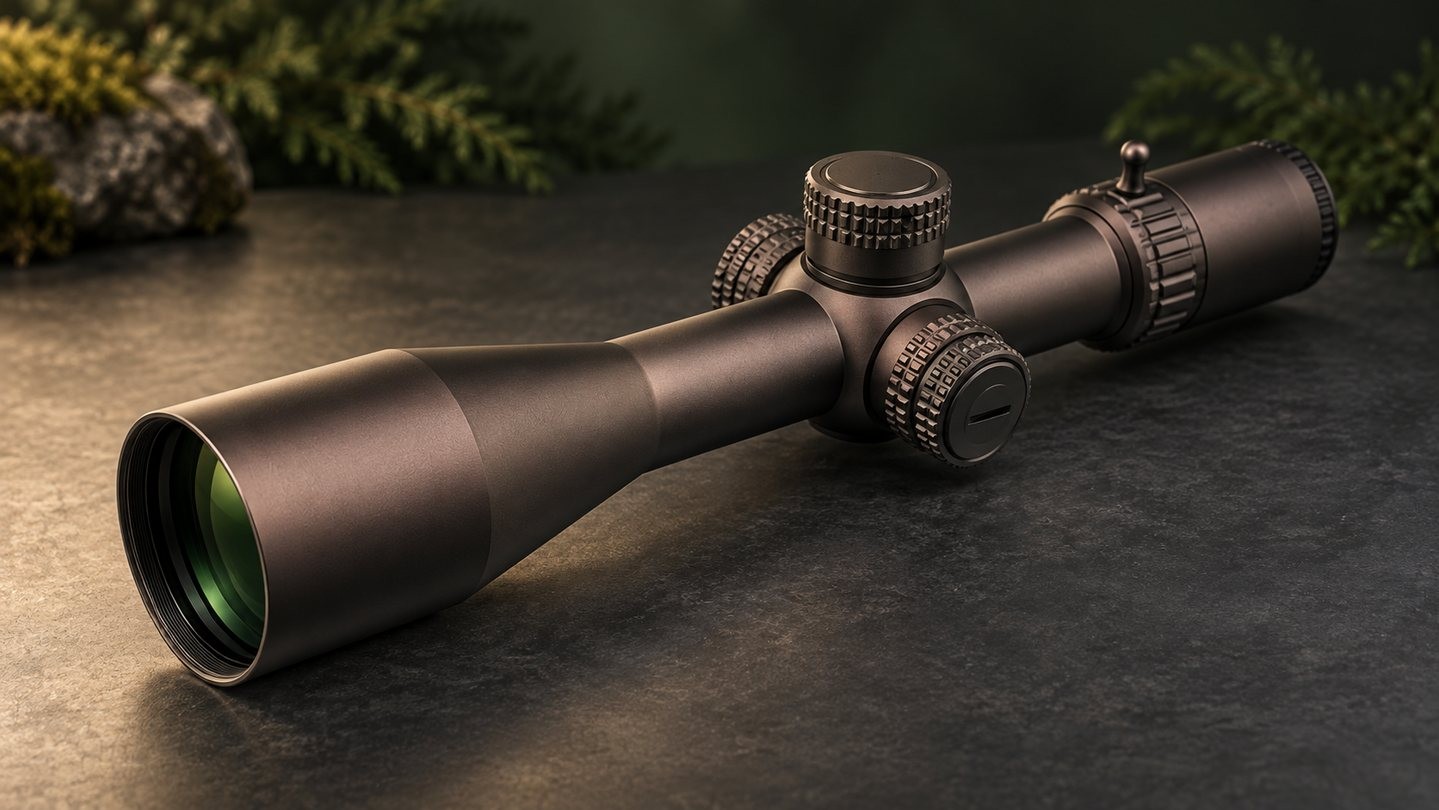
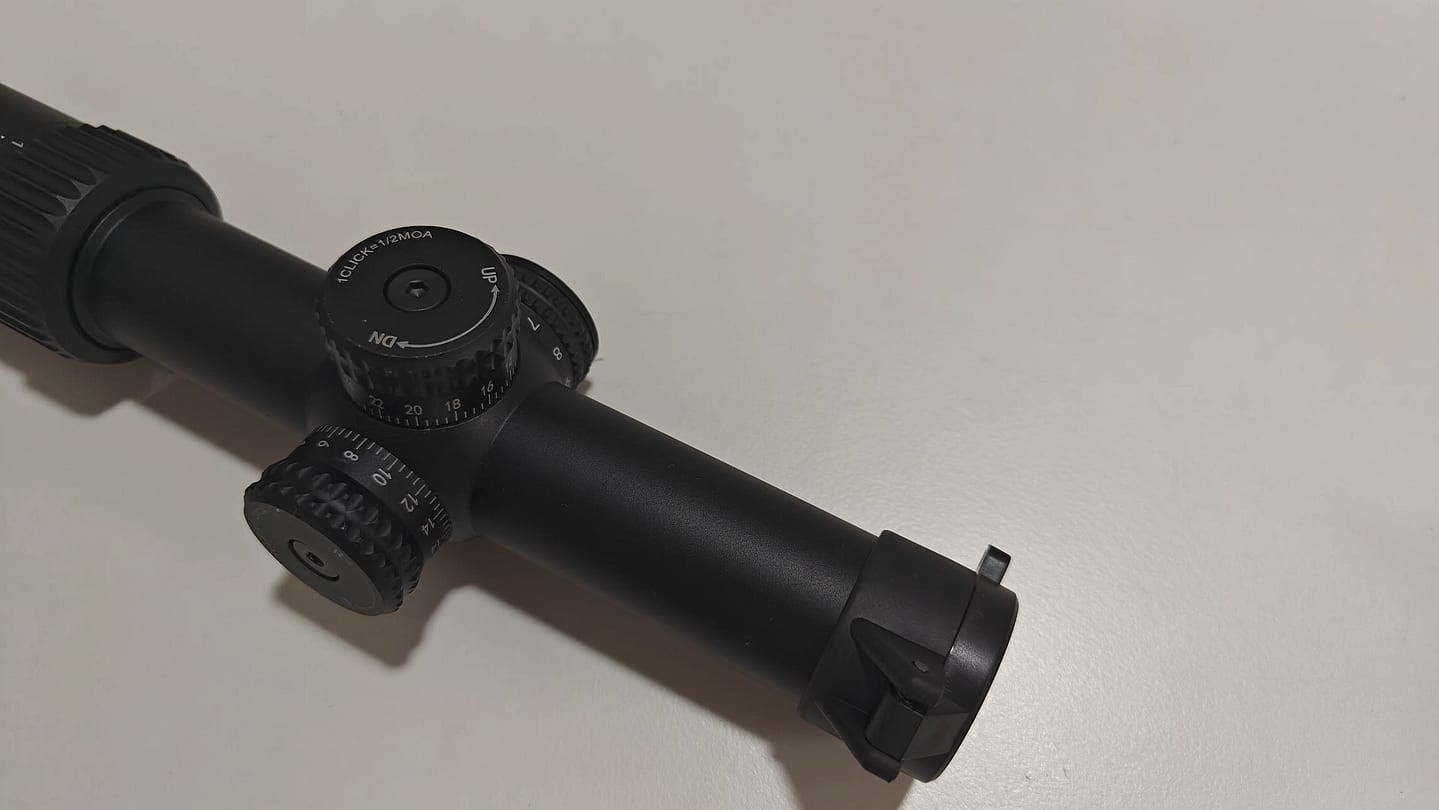
After a scope has been zeroed, some turrets let you reposition the numbered dial so its “0” lines up with the index mark. This is commonly called resetting the turret to zero. It gives you a clear reference for future adjustments; it does not, by itself, prove that the turret has a physical stop at that position.
The distinction matters when you have made several turns of elevation. A dial can display “0” more than once as it rotates. If the mechanism offers no turn indicator or stop, the number alone may not tell you which revolution you are on. Check the exact scope’s instructions before loosening a dial or collar: reset methods differ, and a screw that looks familiar may serve another purpose on a different model.
If elevation and windage controls are still new to you, start with our guide to rifle-scope turrets.
 A zero reset aligns the scale; a zero stop adds a defined return reference. The exact mechanism varies by model.
Zero stop: a reference you can feel
A zero-stop system is intended to give the elevation turret a defined stopping point at or near the established zero when you dial back down. In use, that can be quicker to recognize than a printed number, particularly after you have dialed well above your starting setting.
“At or near” is deliberate here. Manufacturers implement stops in different ways, and some designs allow a small amount of travel below zero. A stop also does not set your zero for you: the scope still needs to be properly zeroed, and the stop must be configured according to the instructions for that particular turret.
Some scopes have a resettable numbered dial but no zero stop. Others combine a resettable scale with a stop, a turn indicator, or a locking feature. Those terms are not interchangeable. If a feature matters to you, confirm it in the specifications and manual for the exact model rather than assuming it from the turret’s appearance.
Do you need a zero stop?
It is most useful when you frequently dial elevation away from your normal zero and want a repeatable tactile reference for the return. If you usually leave the elevation setting alone and use the center of the reticle for most shots, a clear zero mark may be all you need. Neither arrangement makes a scope inherently more accurate. The more important question is whether its controls suit the way you actually use it.
Before comparing features, make sure the turret’s adjustment units make sense alongside your reticle and your range notes. Our MOA vs MRAD guide explains those units without treating one as universally better.
A quick check before you buy—or adjust anything
Look for four separate answers in the model-specific documentation: Can the numbered dial be reset after zeroing? Is there a mechanical zero stop? Does the turret show which revolution it is on? Is there a lock? A product may offer some of these and not others.
If you already own the scope, identify its exact model and turret version before following any setup video. Do not force a locked dial or loosen a center screw based on another manufacturer’s instructions. Once any setting is changed, confirm your zero on the range under safe conditions rather than relying on the markings alone.
For the bigger picture—magnification, objective size, and the other numbers on a scope—see what rifle-scope numbers mean, or browse our Optics Buying Guides.



Leave a comment