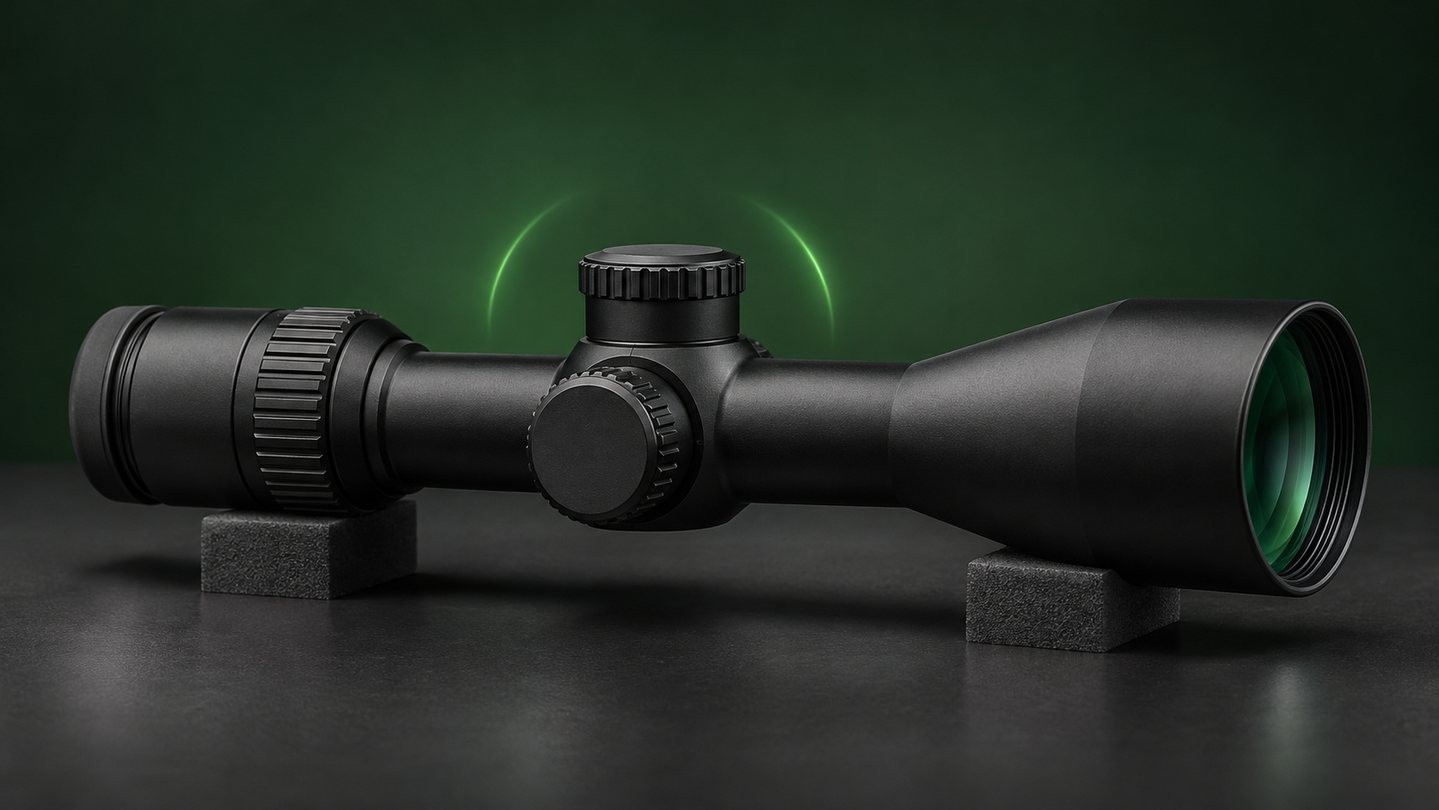
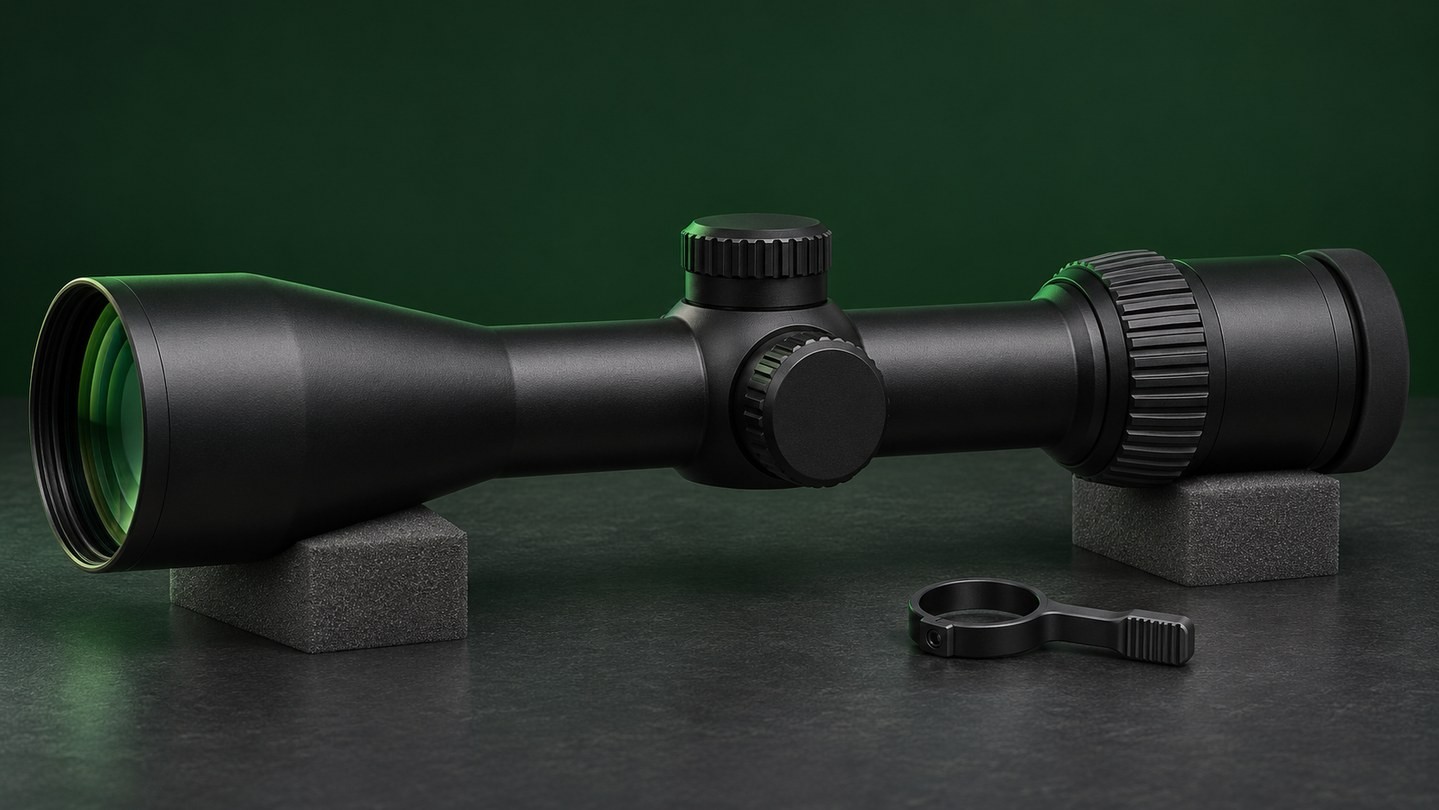
Fog on a rifle scope does not always mean the optic has failed. Moisture can condense on an exposed lens when the scope moves between different temperatures, just as it can on glasses or a camera lens. Moisture that appears trapped behind the glass is different: it can indicate that humid air has entered a space intended to stay sealed.
The useful first step is not to guess at the cause. Identify which surface is fogged, let the optic stabilise, and avoid opening or loosening parts that are not intended for user service.
A quick way to tell where the fog is
Start in a dry, well-ventilated place. Look at the objective and eyepiece from several angles without touching the glass.
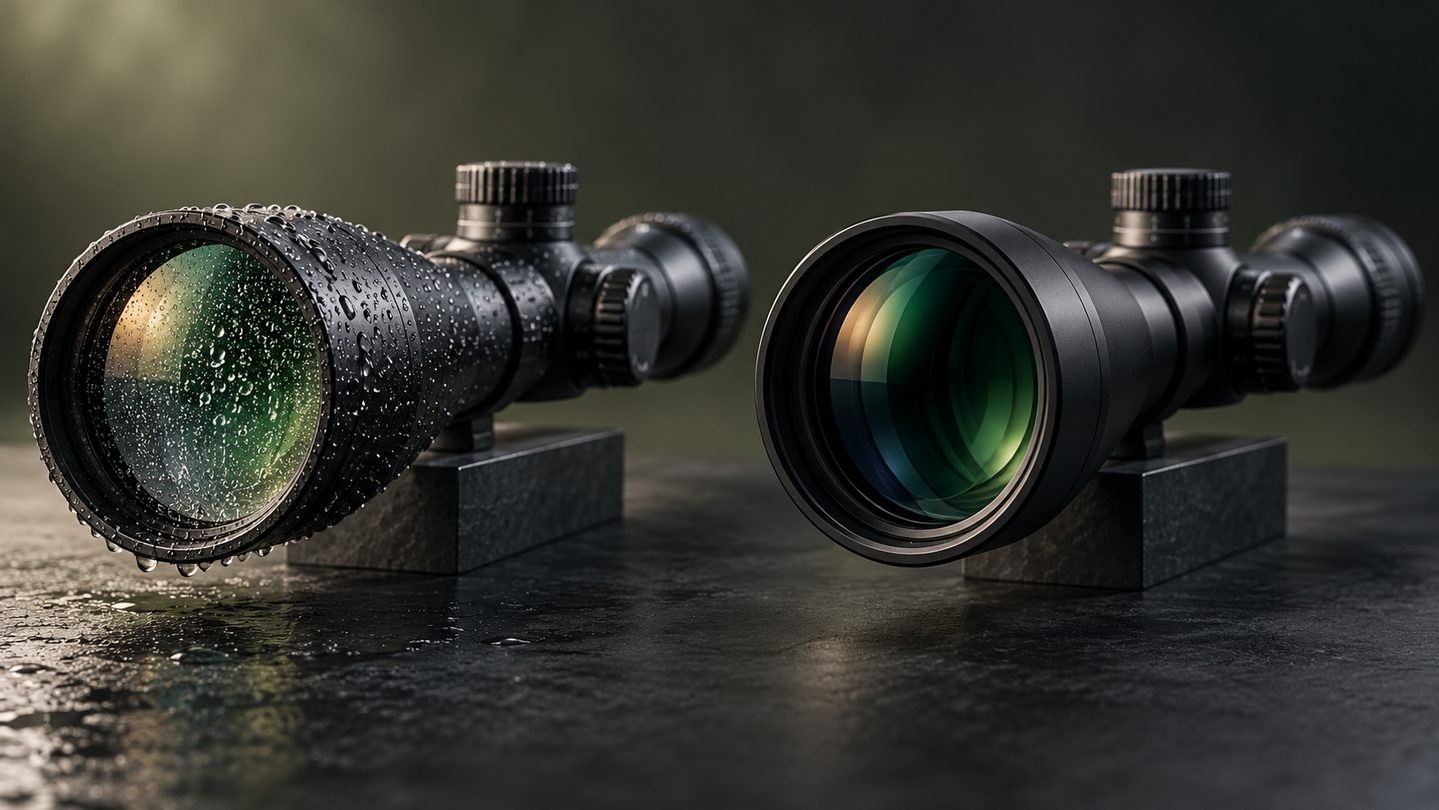
- If the haze changes or clears when the outside surface is gently dried or allowed to warm, it was probably external condensation.
- If the outside surface is visibly dry but the haze remains behind the glass, the moisture may be internal.
- If the image is simply soft rather than cloudy, first rule out focus, diopter and parallax settings before diagnosing moisture.
Do not use a fingernail, tool or abrasive cloth to “test” a lens. Loose dust and grit should be removed before anything wipes the glass. Our safe lens-cleaning routine explains the correct order.
External condensation is a surface condition
External condensation forms when moist air contacts a lens or metal surface that is colder than the surrounding air. A common example is taking an optic from an air-conditioned room or vehicle into warm, humid weather. Fine droplets may appear on the objective, eyepiece or body even when the housing seals are functioning normally.
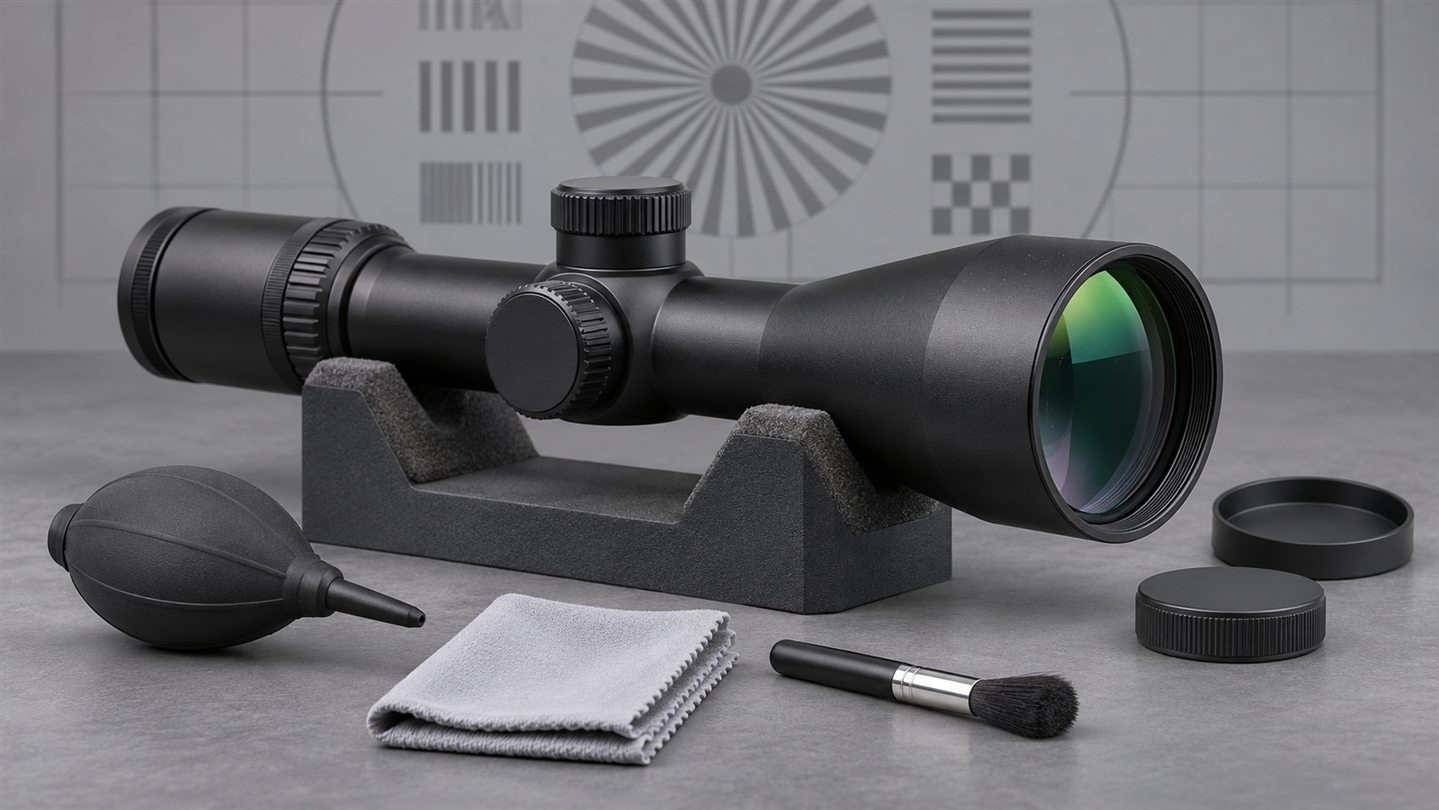
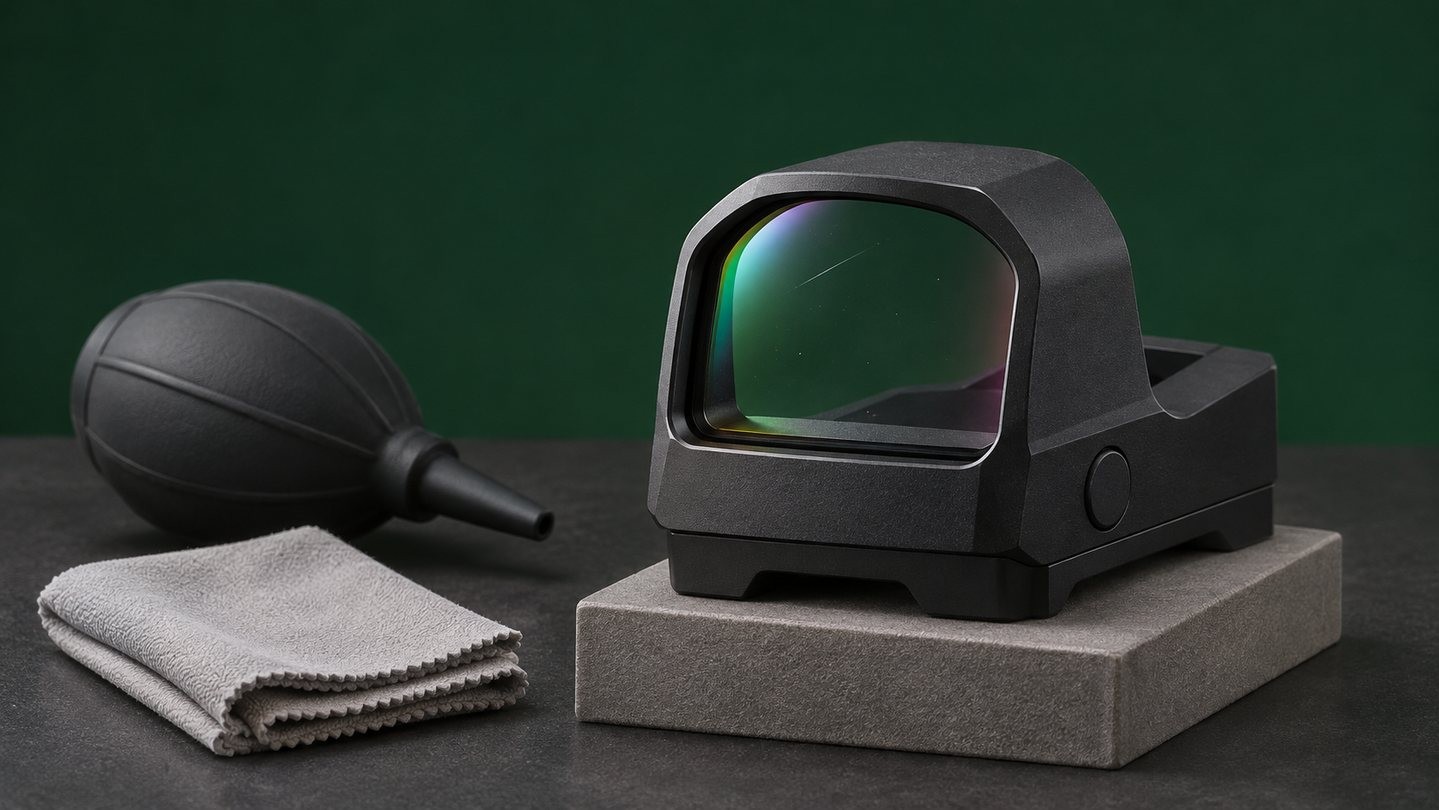
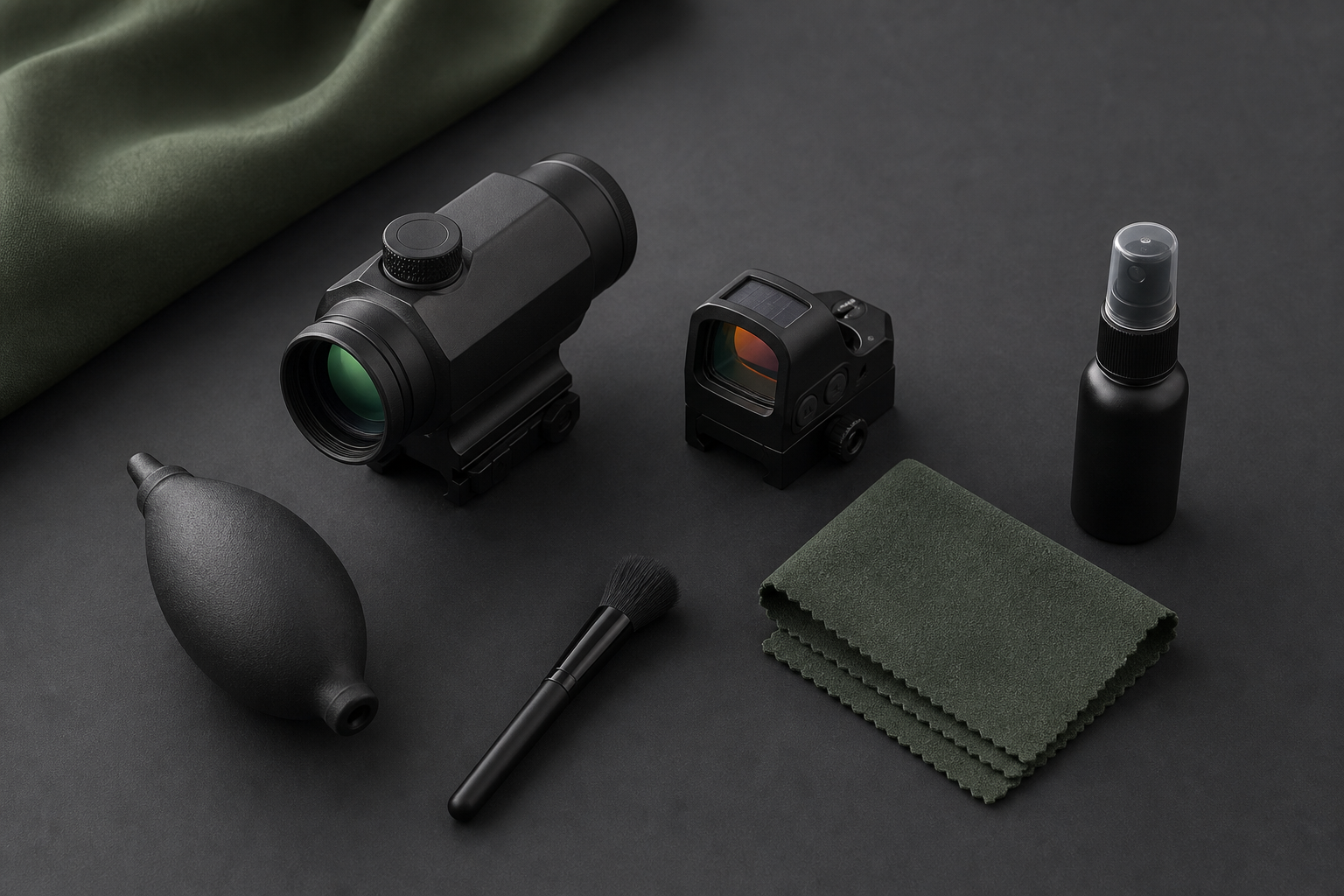
This kind of fog is usually temporary. Move the optic to a dry place with normal air circulation and allow its temperature to equalise gradually. If the lens needs cleaning after the moisture has evaporated, first remove loose particles with an air blower or a clean optical brush, then use a suitable lens cloth and cleaner only as needed.
Avoid sudden high heat. A hair dryer, heater or direct strong sunlight can create unnecessary temperature stress and may damage finishes, seals or lubricants. Do not trap a damp optic in a closed case.
Internal fogging is different
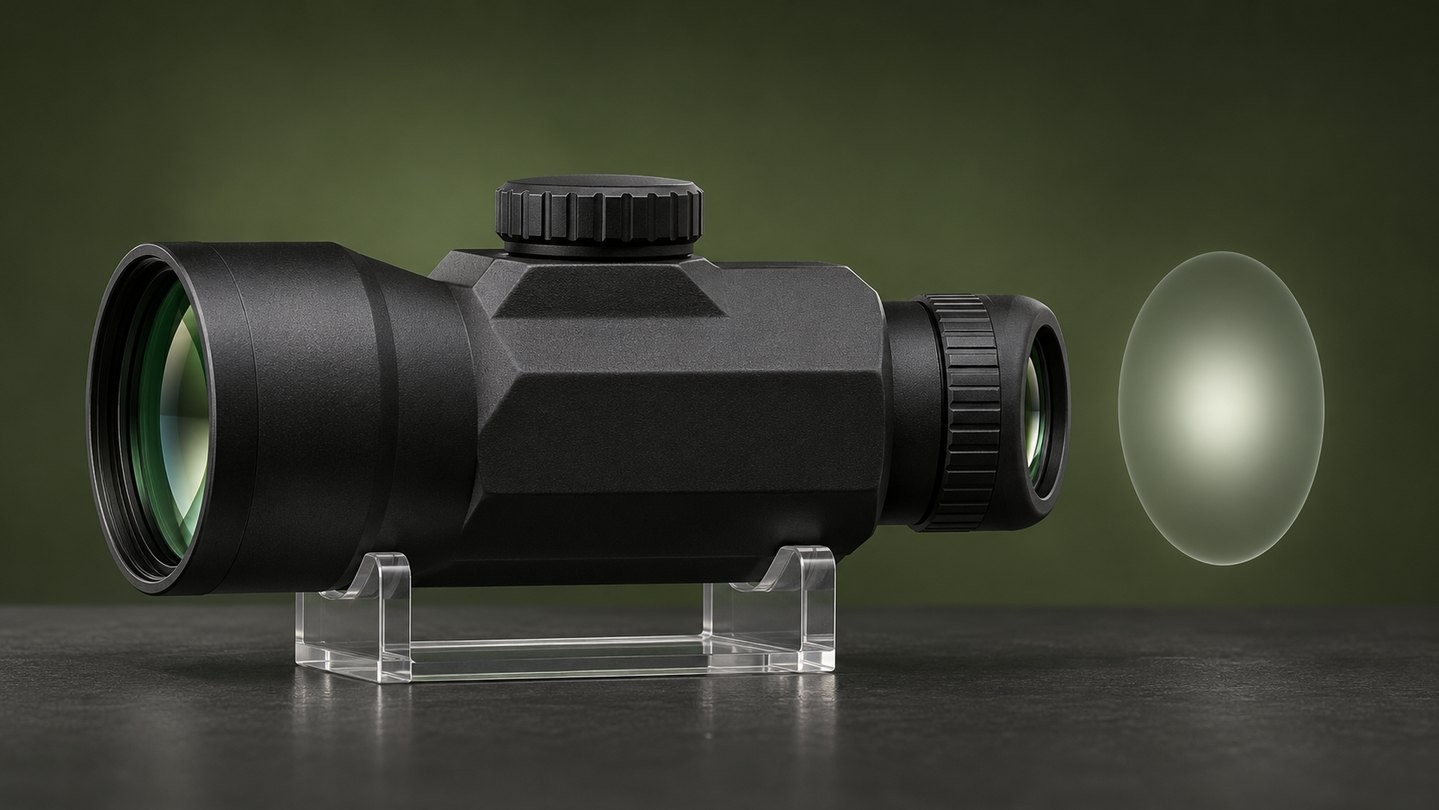
Many weather-resistant scopes use sealed housings and a dry internal gas fill to reduce the risk of moisture condensing inside. Manufacturer documentation also warns that loosening the wrong screw can release that internal gas or disturb the operating mechanism.
If clouding remains behind the lens after the outside is dry and the optic has reached room temperature, treat it as a possible seal or service issue. The same applies if droplets appear inside the tube, the haze returns repeatedly under mild conditions, or moisture appeared after impact or unauthorised disassembly.
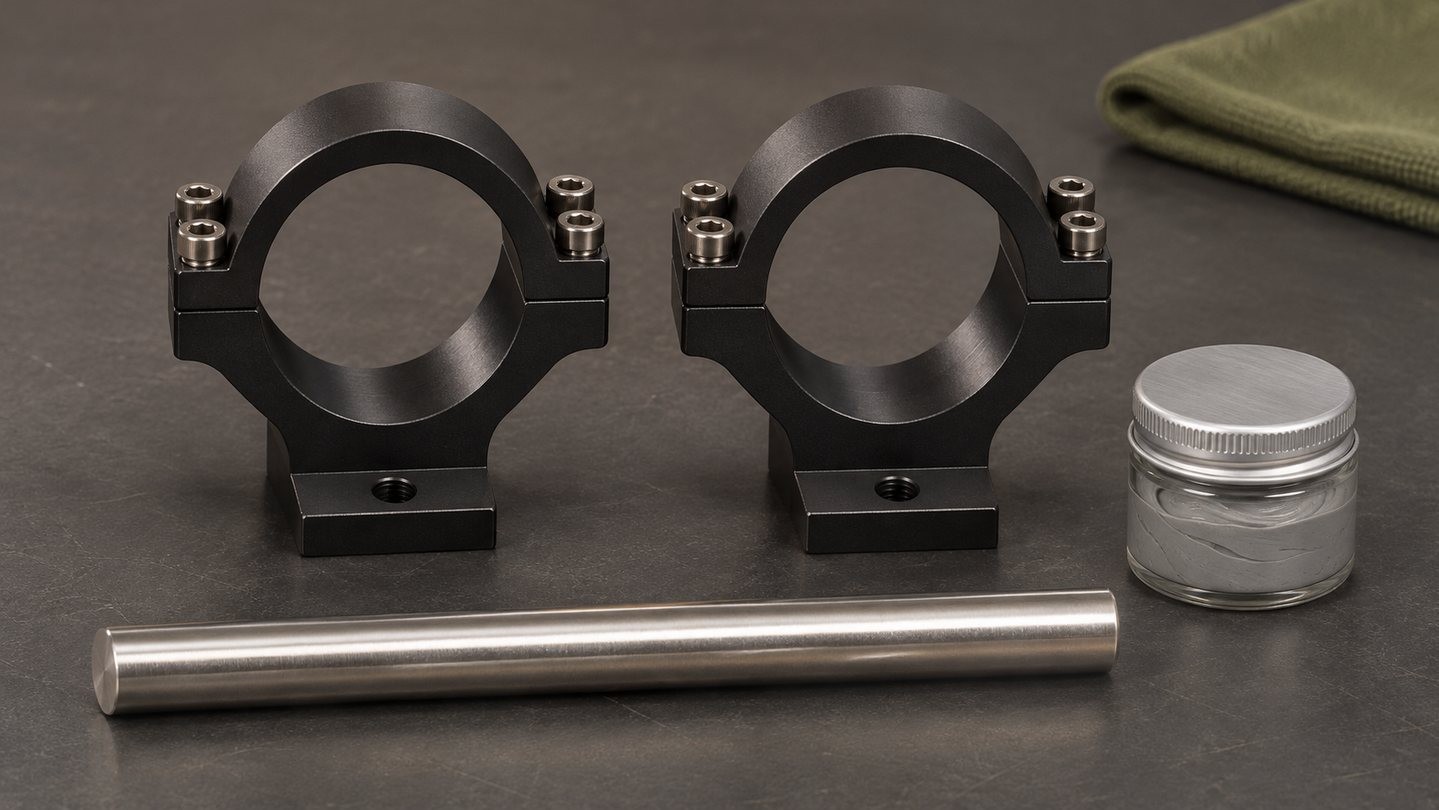
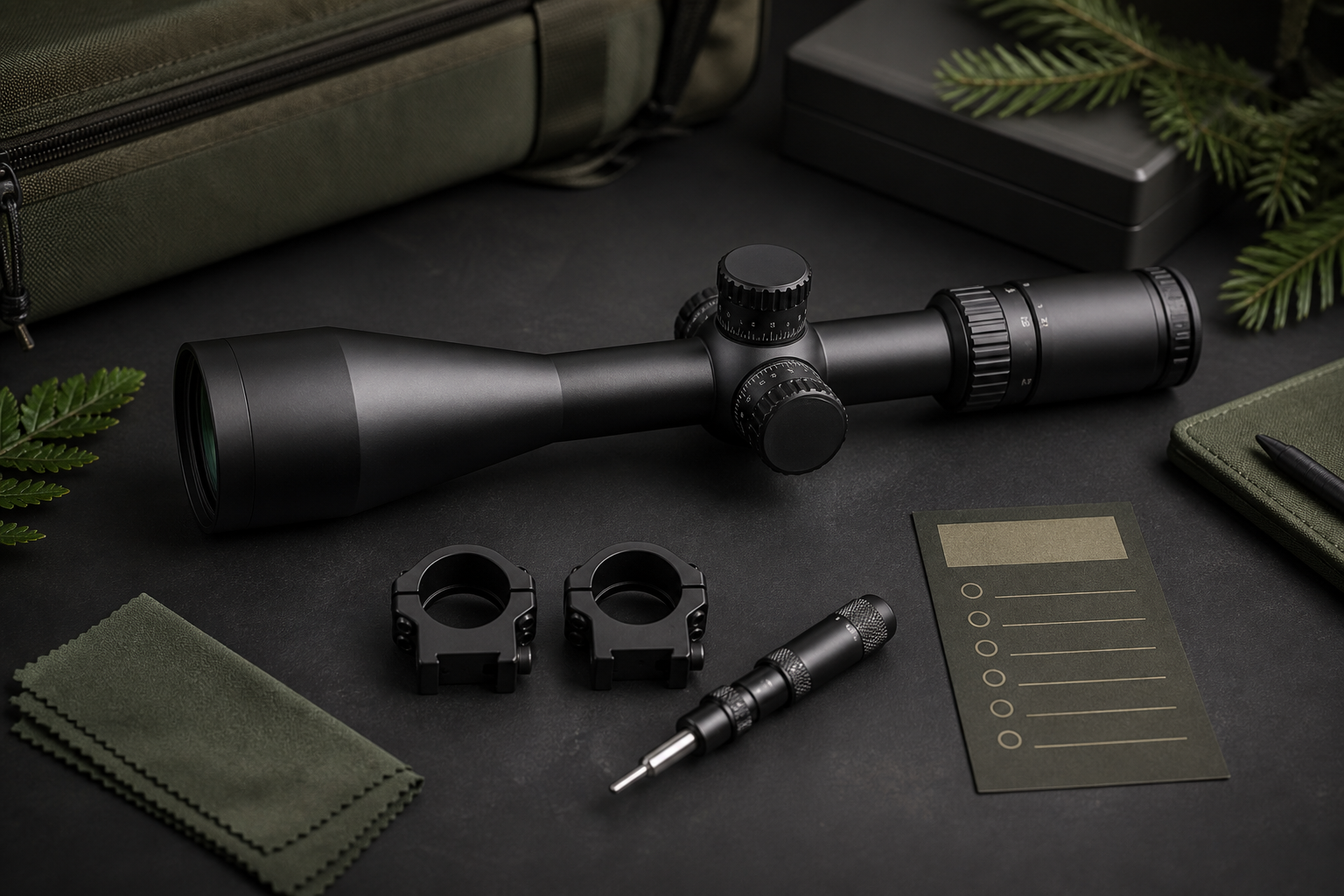
Internal optical components are generally not user-serviceable. Opening the housing, applying lubricant, or loosening a power-ring or turret screw can make the problem worse and may affect warranty support. Record the model and serial information, take clear photos or video, and contact the seller or manufacturer for the correct inspection process.
Fogproof does not mean the outside can never mist
“Fogproof” normally describes protection against internal fogging under the conditions claimed by the manufacturer. It does not prevent ordinary condensation from forming on an exterior lens when temperature and humidity change.
Likewise, a waterproof or IP rating answers a different question. It describes a defined level of water protection under a stated test, not permanent immunity to every combination of temperature, pressure, impact, ageing and maintenance. See our guide to waterproof, fogproof and IP ratings for a fuller explanation.
What should you do after rain or a cold-to-warm transition?
Use a simple, low-risk routine:
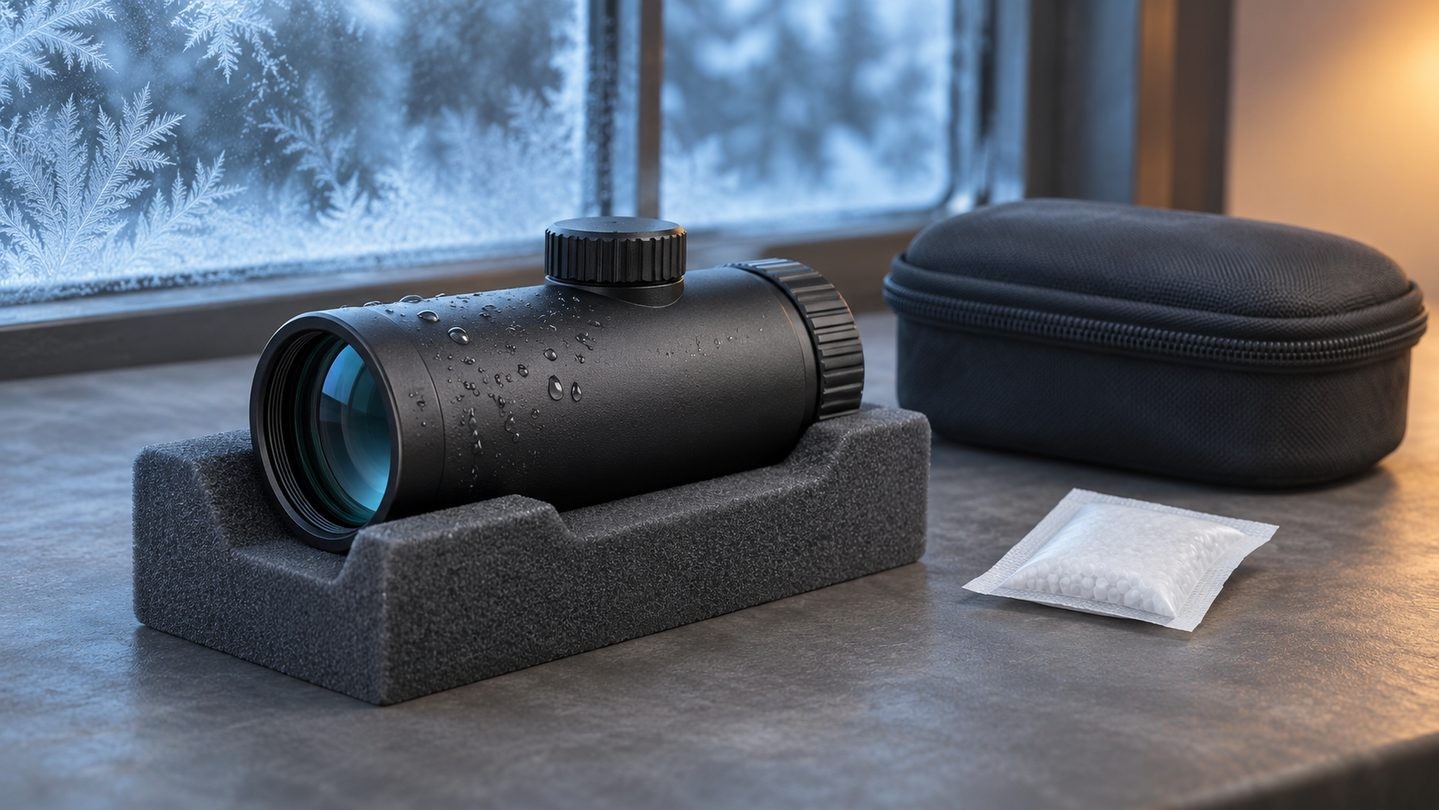
- Remove the optic from a wet case or enclosed bag.
- Wipe moisture from the housing with a clean, soft cloth without grinding debris into the finish.
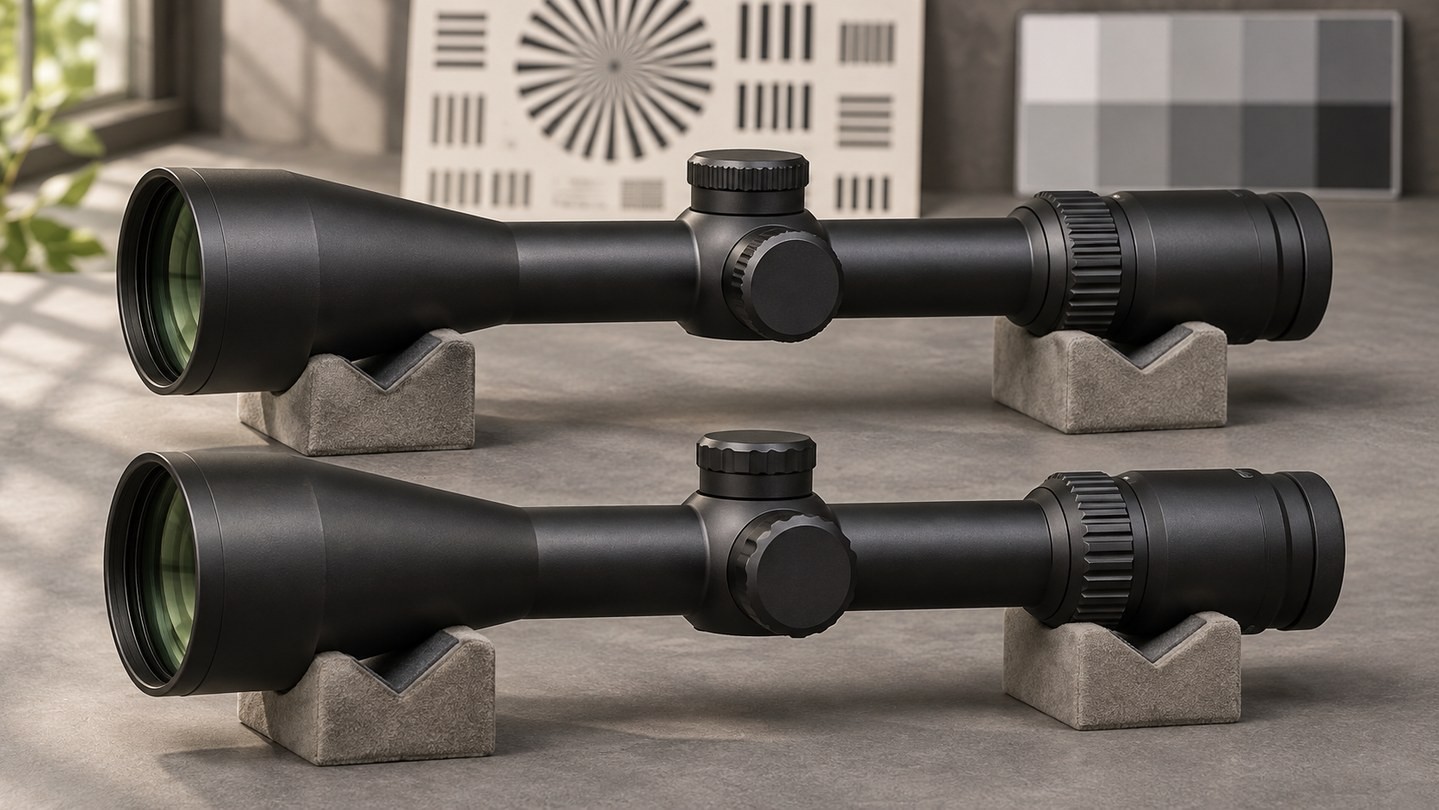
- Let the optic dry at room temperature with normal ventilation.
- Leave lens caps open until the exterior surfaces are dry.
- Inspect the objective and eyepiece again after the temperature has stabilised.
- Store the optic only when it is dry.
For longer storage, avoid sealing residual moisture inside a case and inspect batteries and lens surfaces periodically. The optics storage guide covers moisture control, batteries and lens protection in more detail.
When should you request service?
Contact support when haze or droplets appear to be inside the optic, when fogging returns repeatedly after the exterior is dry, or when image quality changes after impact. Do not present a home diagnosis as certain; provide the conditions, timing, photographs and any recent incident that may help the service team evaluate it.
If the optic is a USEEIN purchase, email sales@useein.com with the order number, product model and clear photos or video. Claims are reviewed under the warranty and support terms that apply to the purchase.
The practical takeaway
Exterior condensation is usually a temporary surface effect caused by temperature and humidity. Persistent haze behind dry glass points to a different problem and should be assessed without opening the optic. Dry the outside gently, let the temperature stabilise, and use the exact model manual or authorised service route before adjusting anything that may affect the seal.


Leave a comment