A red dot can feel almost indifferent to eye distance. Add a magnifier and that changes immediately. The magnifier has an eyepiece, a defined eye relief and a limited eye box, so the eye must occupy a more specific space to see the full image.
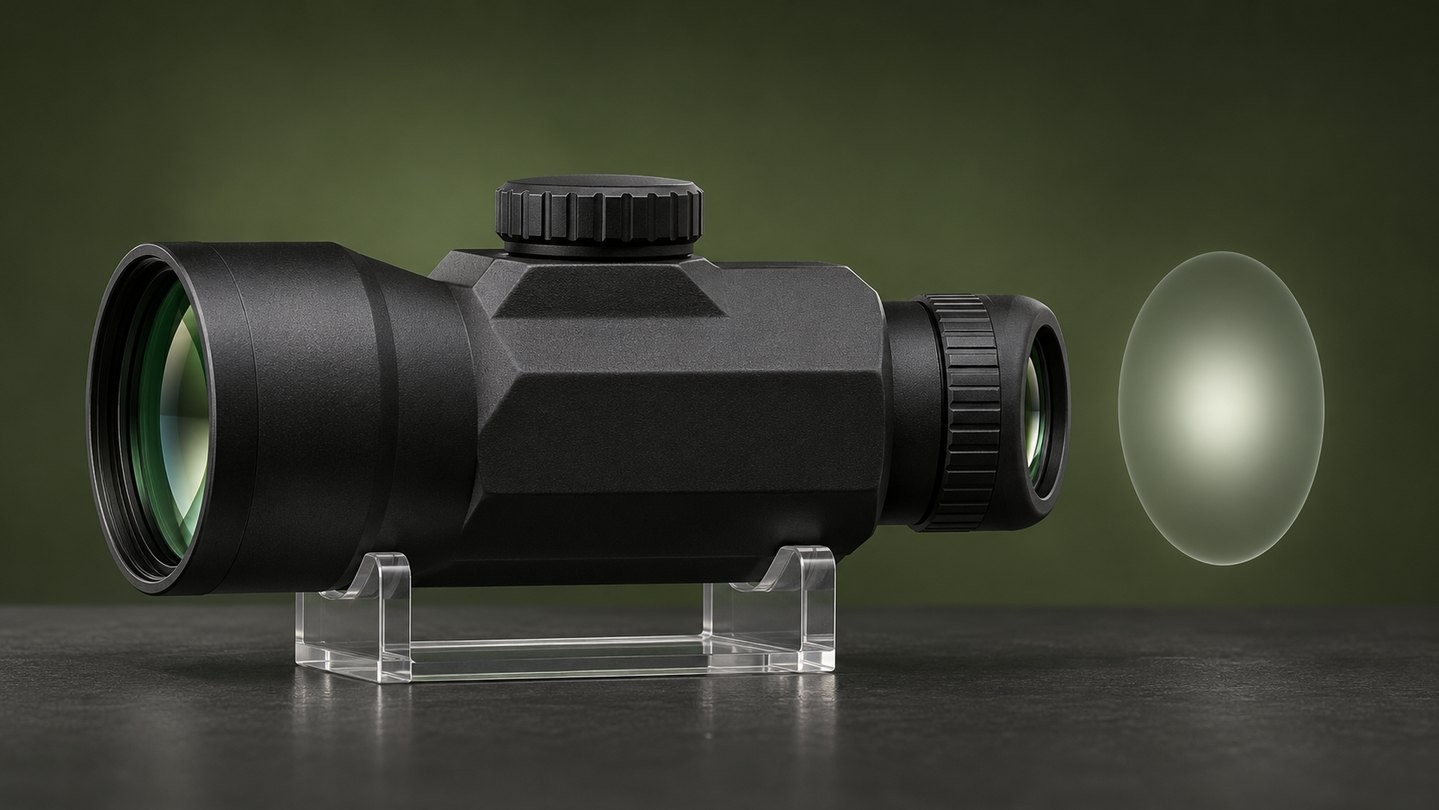
Black edges, a small circular picture or an image that vanishes with slight head movement usually point to geometry before they point to defective glass.
Eye relief is the working distance
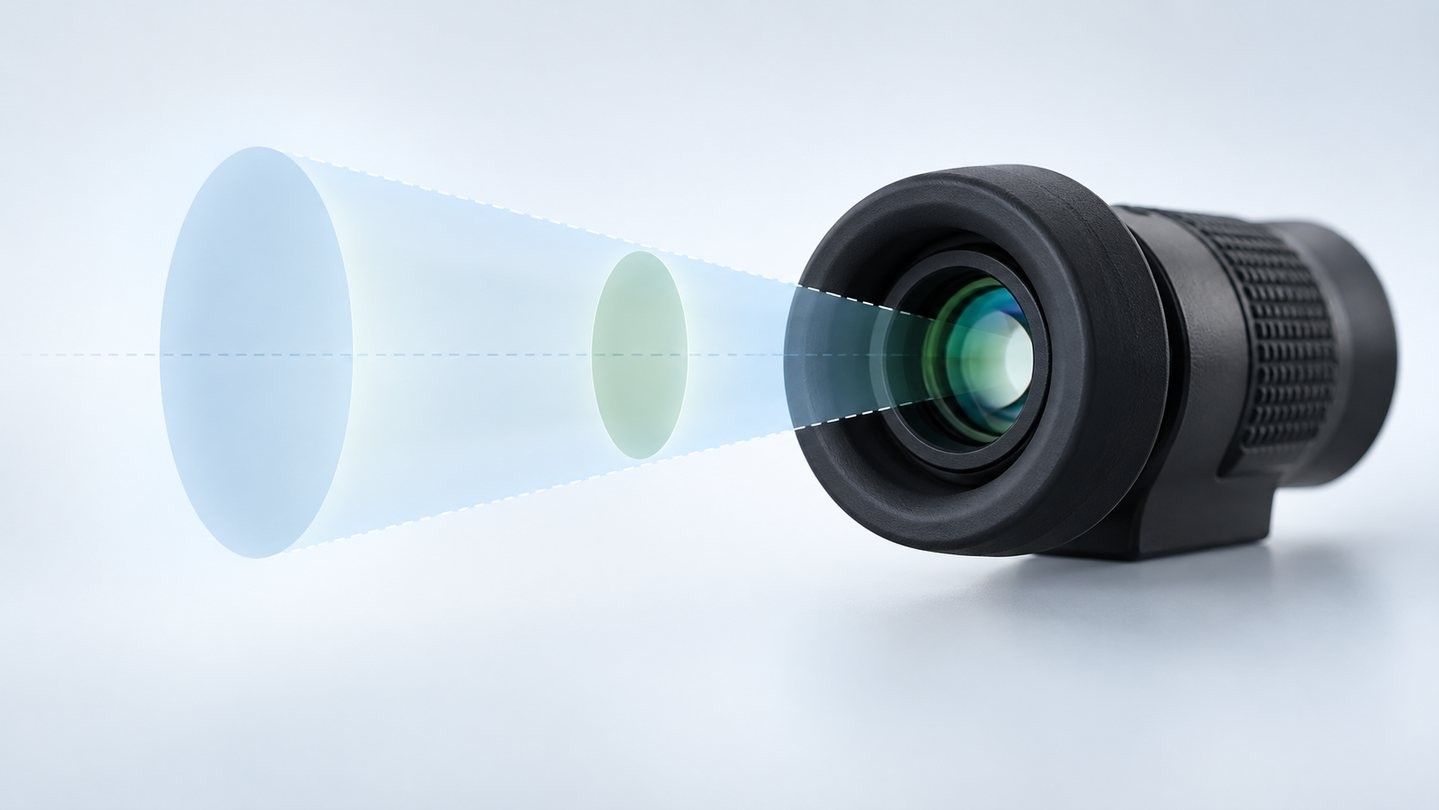
Eye relief describes the distance from the last optical surface to the position where the full field is visible. The listed value is useful, but the real installation still depends on posture, mounting height and the shape of the eyepiece.
Move the magnifier fore and aft only within the mount’s intended range. Do not compromise secure clamping or force the eye into an unnatural position.
The eye box includes sideways and vertical tolerance
Even at the correct distance, moving the eye off the optical axis can create a dark crescent or clip part of the field. That three-dimensional tolerance is the eye box.
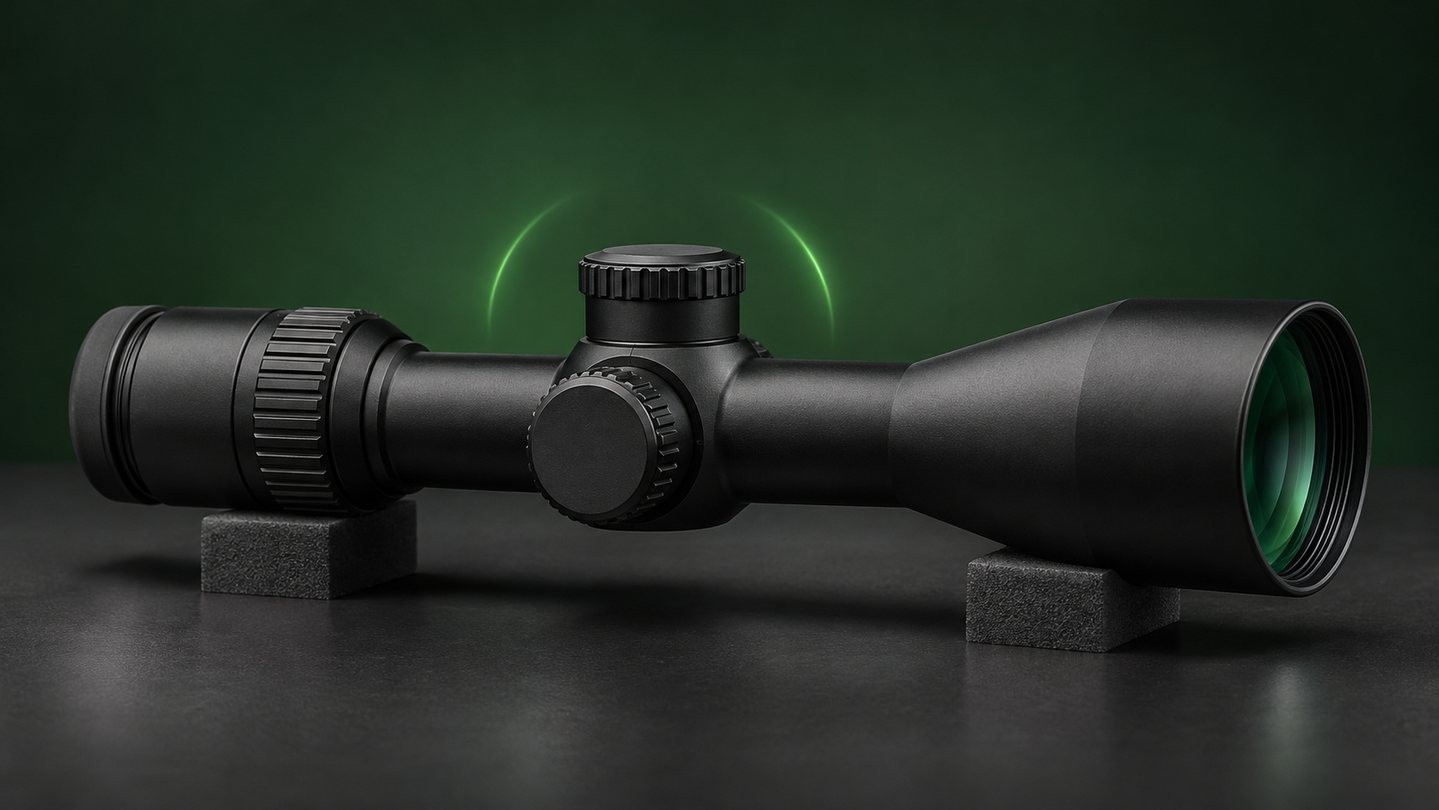
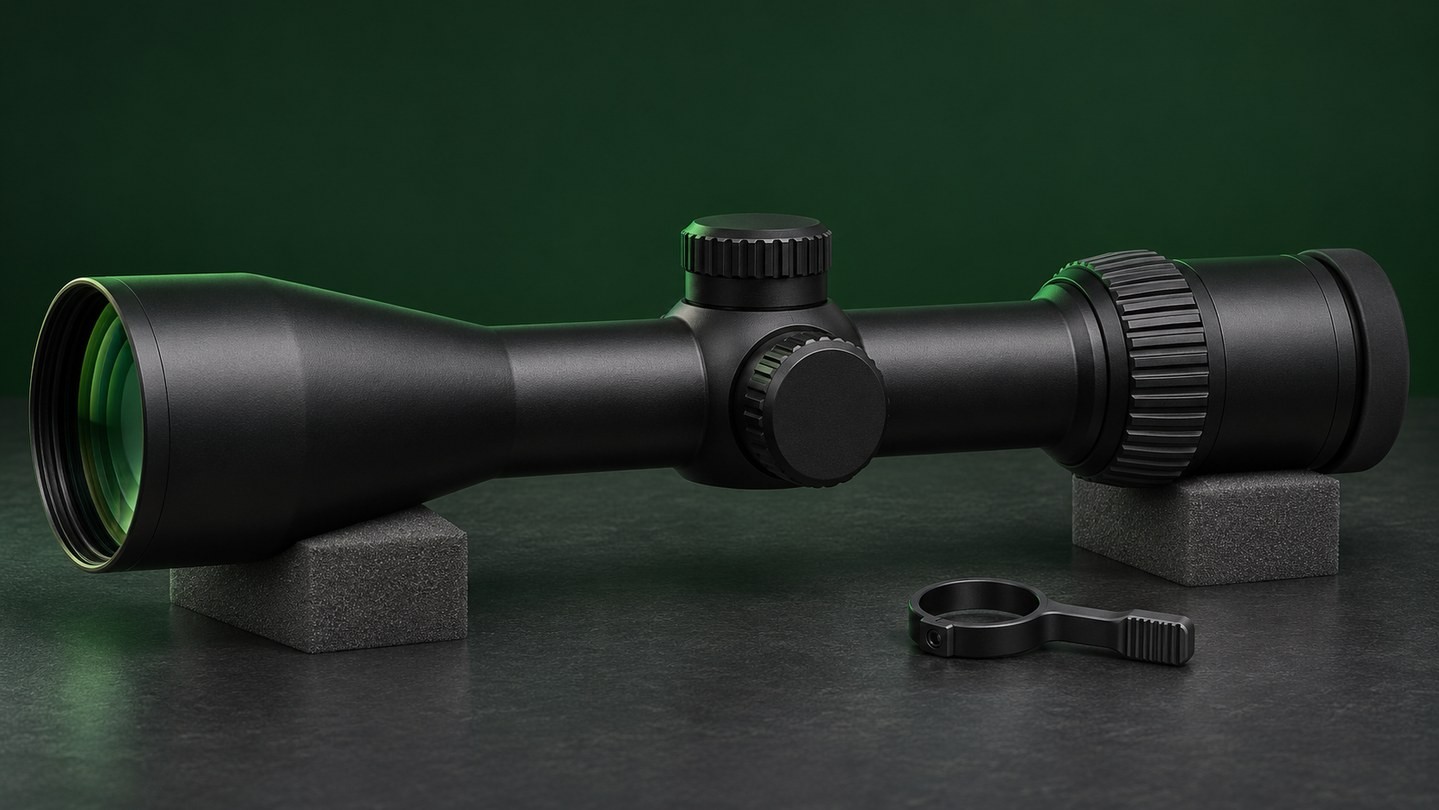
Mount height and cheek position decide whether the eye returns to the box naturally. Our scope eye-box guide explains the same principle in magnified scopes.
More magnification usually feels less forgiving
A higher-power magnifier may provide more apparent detail, but it often requires more exact eye placement and presents a narrower field. Compare the complete viewing experience, not only the magnification printed on the housing.
Diopter and alignment are separate adjustments
Use the diopter to make the viewed image or reticle appear sharp according to the manual. Use mount position to establish eye relief. Use centering adjustments to align the magnifier’s view behind the red dot. One control should not be used to hide a problem belonging to another.
The broader choice between a magnifier and variable scope is covered in our magnifier vs LPVO guide.
Protect clearance when the magnifier moves
A flip-to-side or flip-to-center mount needs room for the housing, controls and any protective cap throughout its movement. Check nearby rear sights, charging handles and the user’s normal hand position where applicable. A magnifier that has excellent eye relief on paper can still be awkward if the hinge forces it into the wrong rail slot.
Adjustment order
- Set the red dot at the correct height and position.
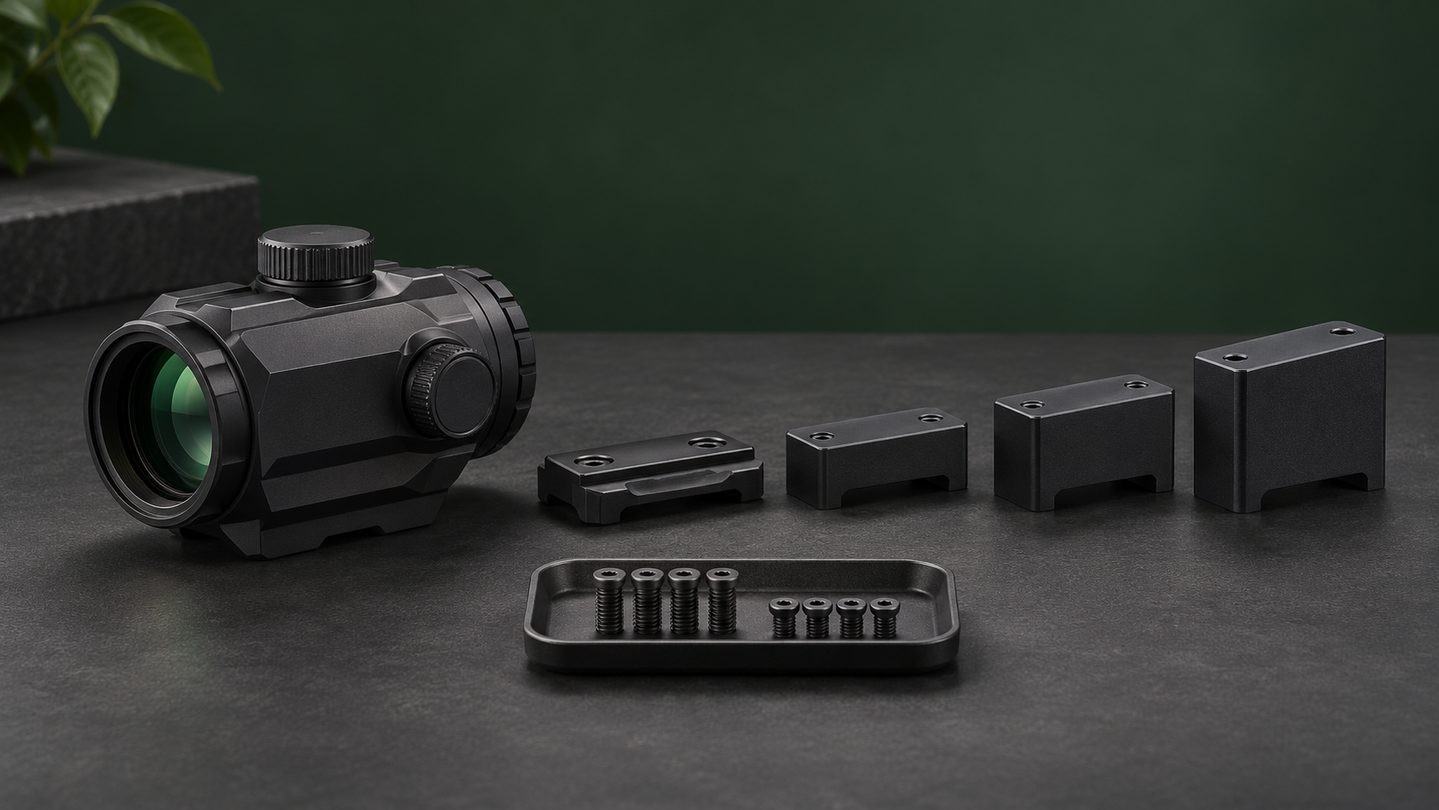
- Install the magnifier at the matching optical height.
- Assume the normal viewing posture.
- Move the magnifier until the full field appears comfortably.
- Set the diopter for a sharp view.
- Then center the image according to the magnifier manual.
A magnifier is not a red dot with extra power; it is a small telescope behind one. Give the eyepiece the position it needs, and the viewing experience becomes much more consistent.


Leave a comment