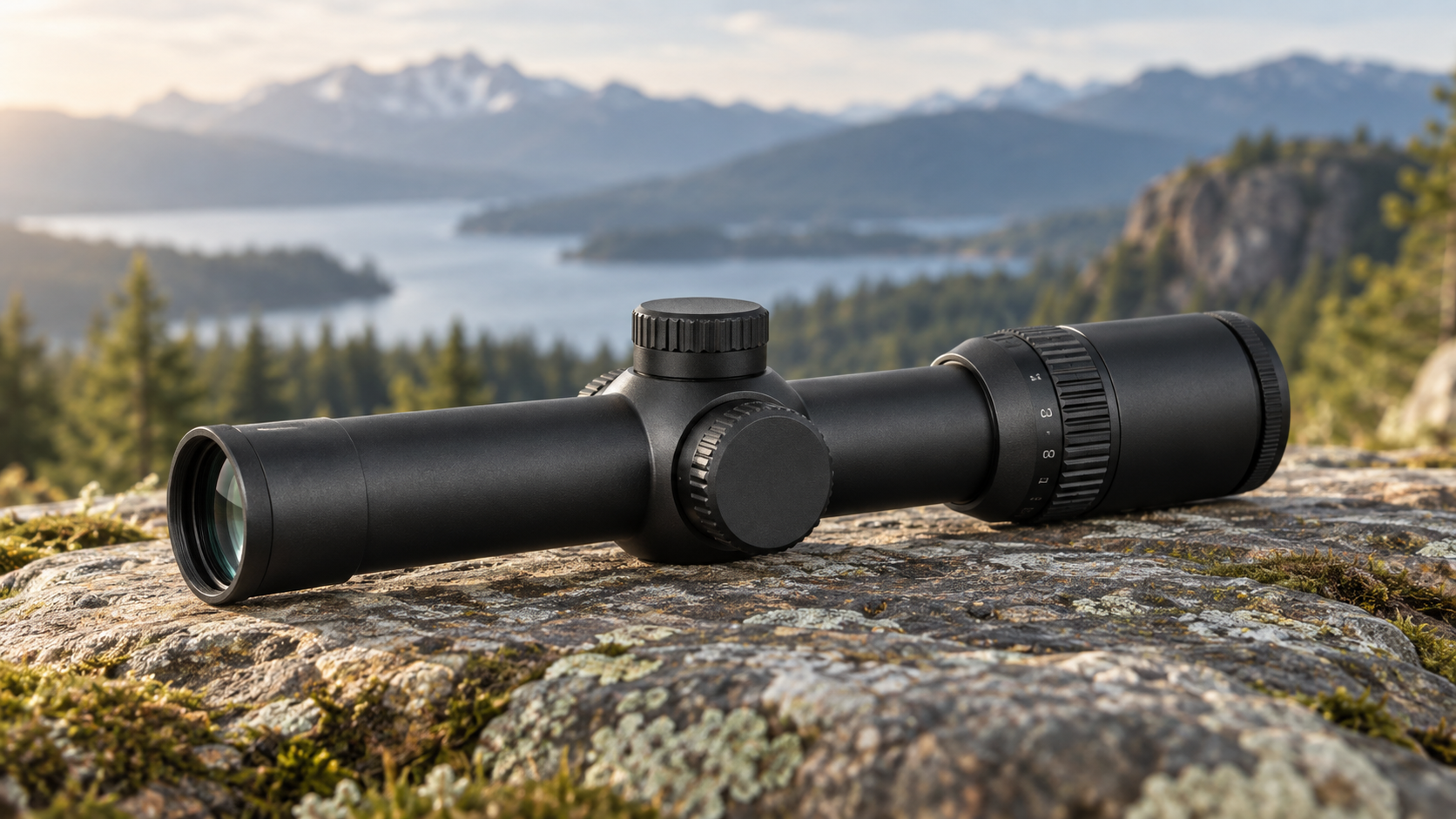
A fixed-power scope provides one magnification. A variable-power scope lets you move through a range. That definition is easy; choosing between them is less about which design is more advanced and more about how much flexibility you actually need.
What fixed power does well
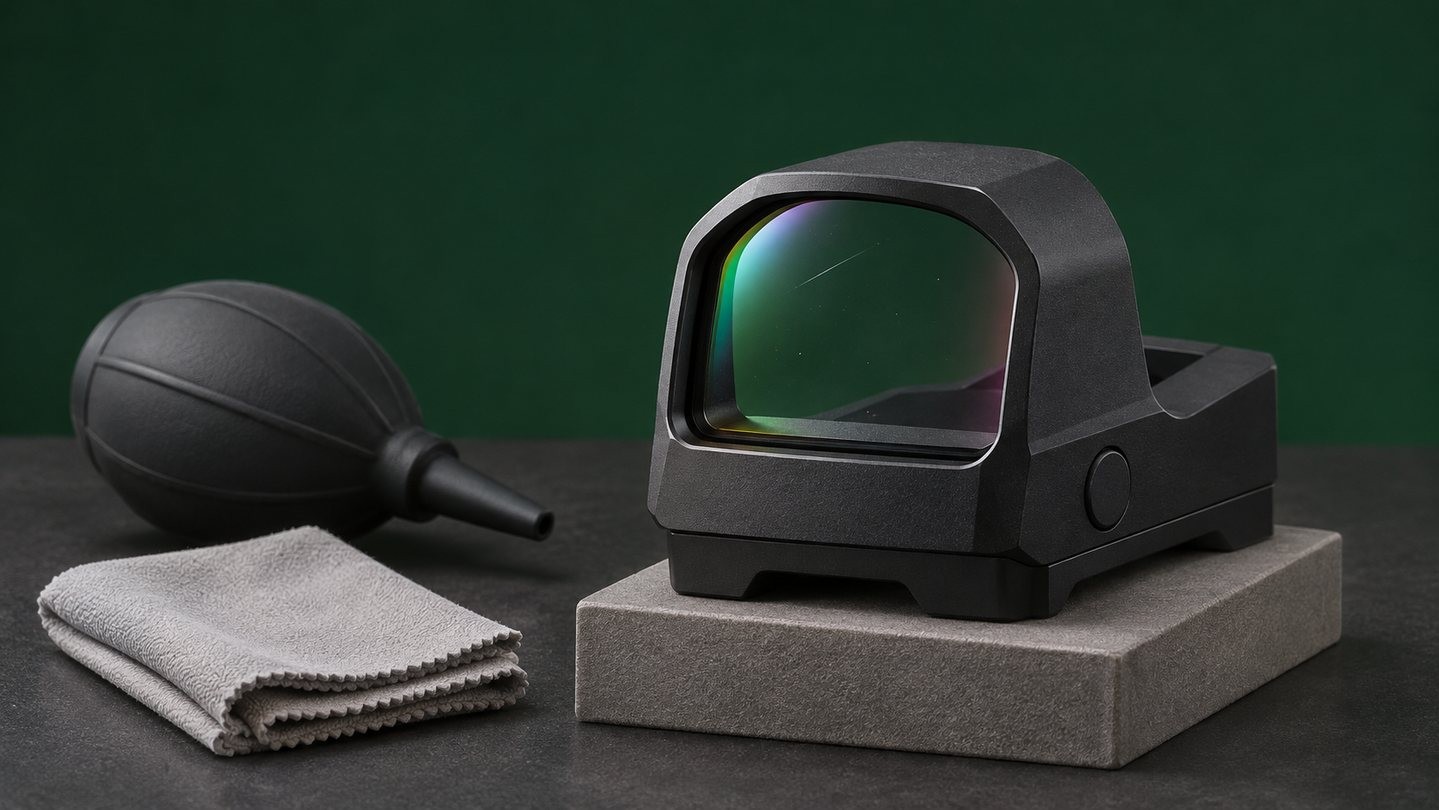
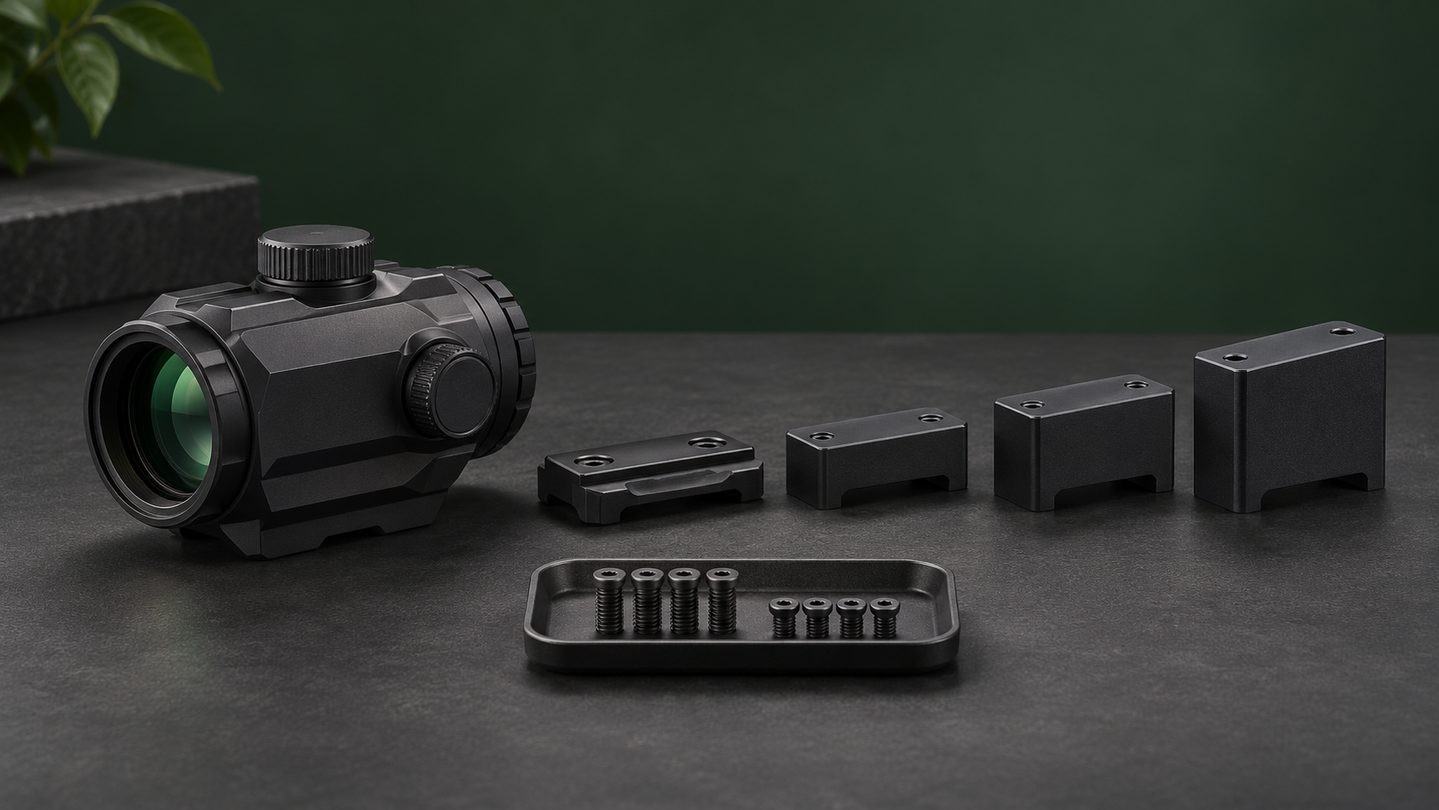
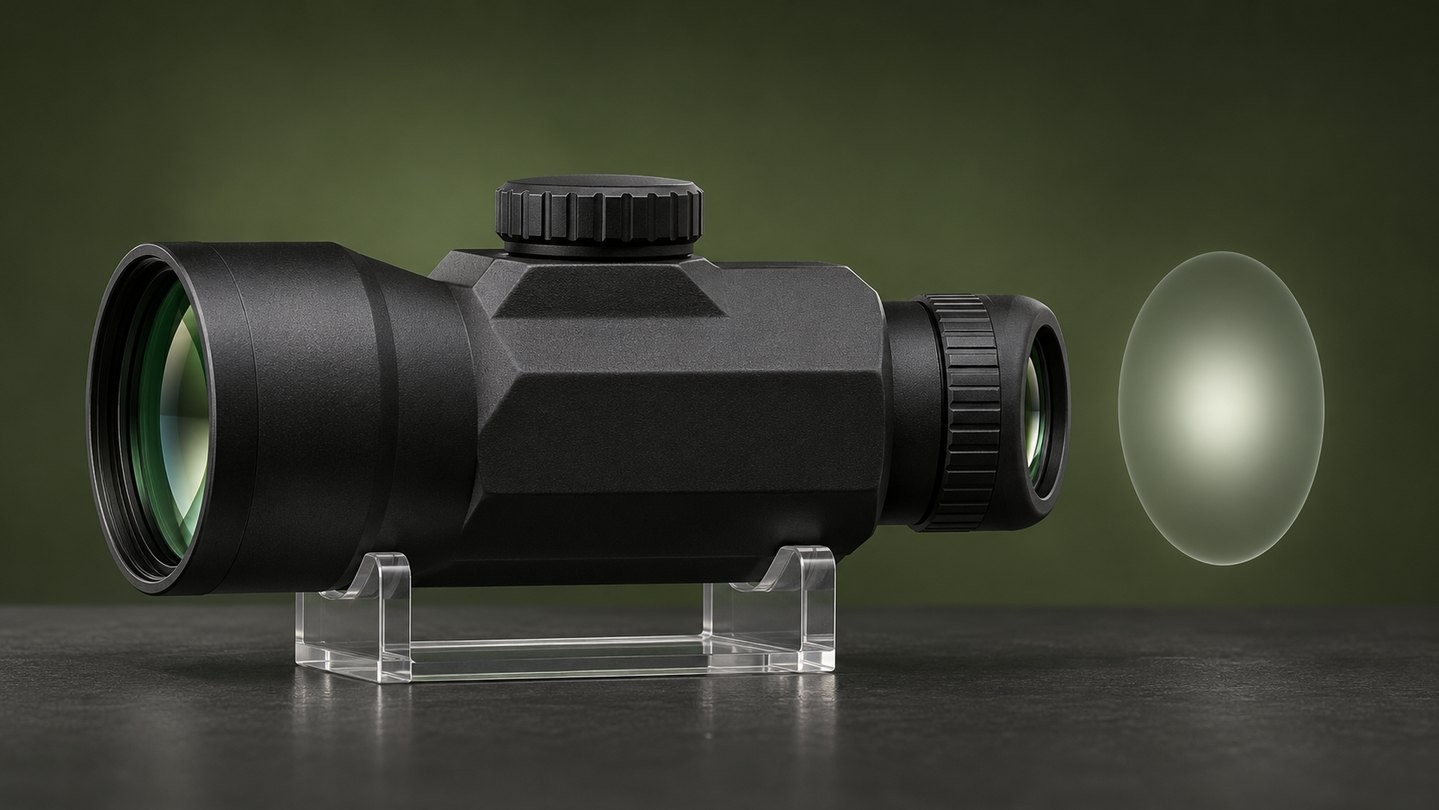
With no magnification ring to manage, a fixed-power optic presents the same field of view, apparent reticle size and eye-position demand each time. That consistency can make it quick to learn. The design may also be compact, though size and weight still depend on the exact model.
The limitation is obvious: the chosen power must suit most of your use. Low fixed magnification preserves a broad view but does not reveal as much small detail. Higher fixed magnification shows more apparent detail but narrows the field and becomes less forgiving at short distance.
What variable power adds
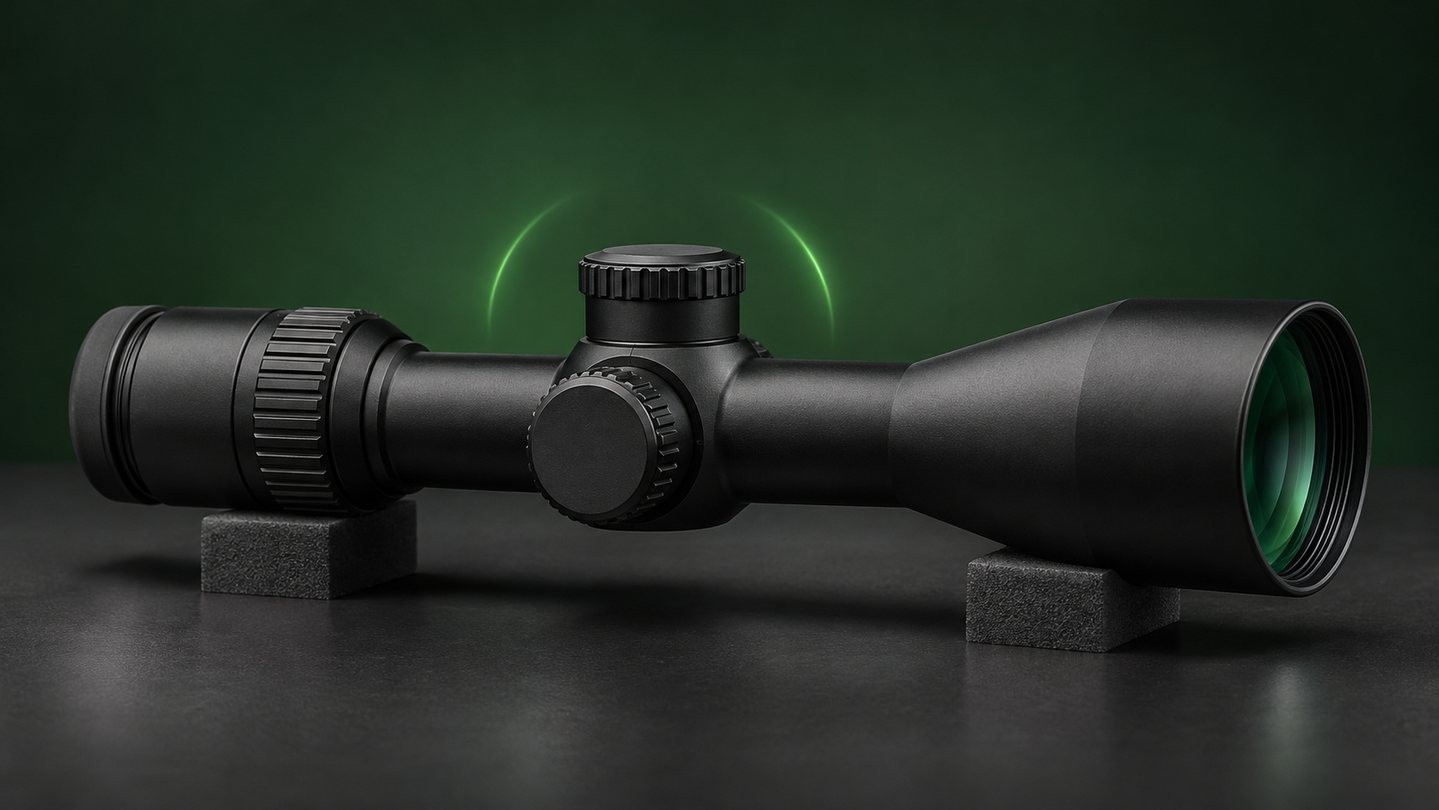
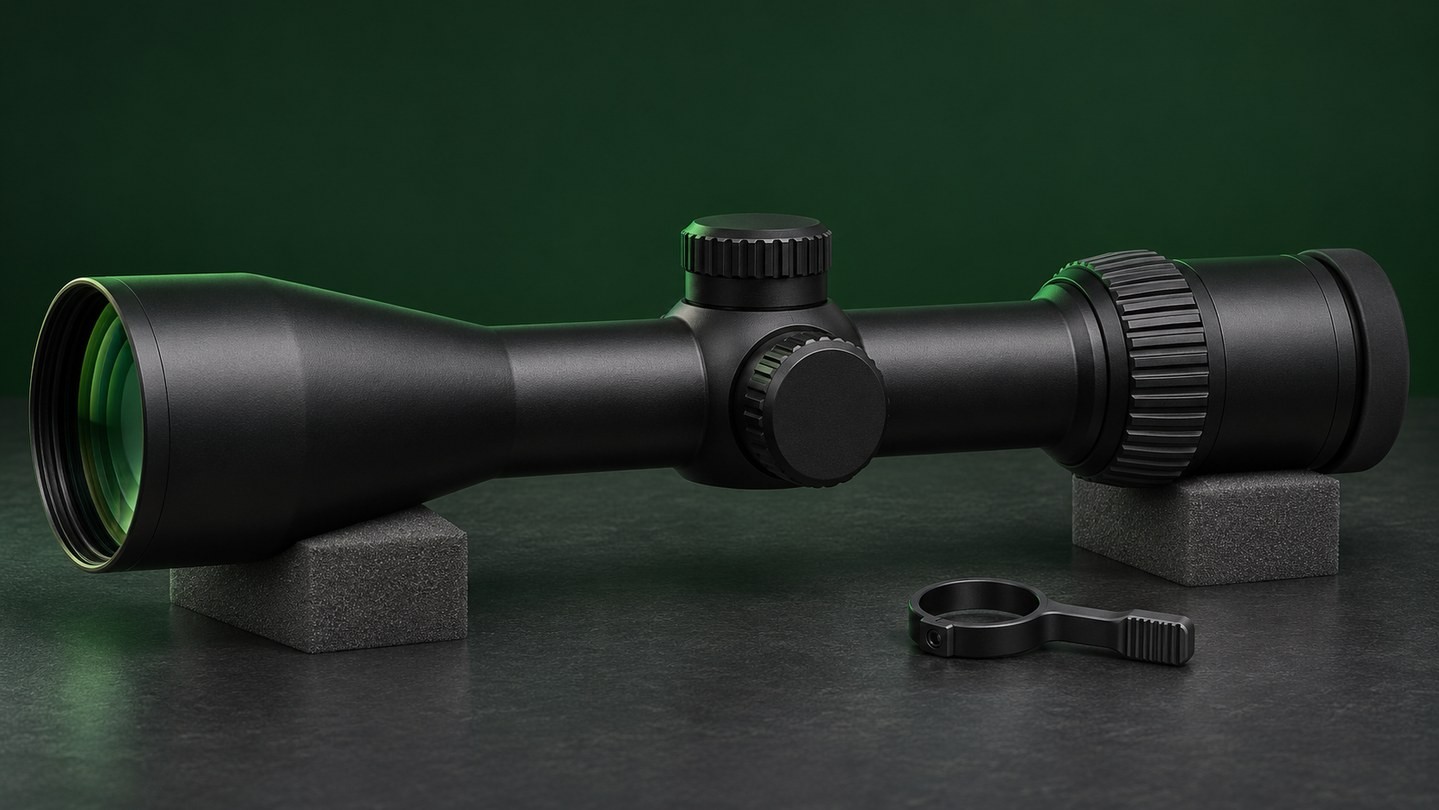
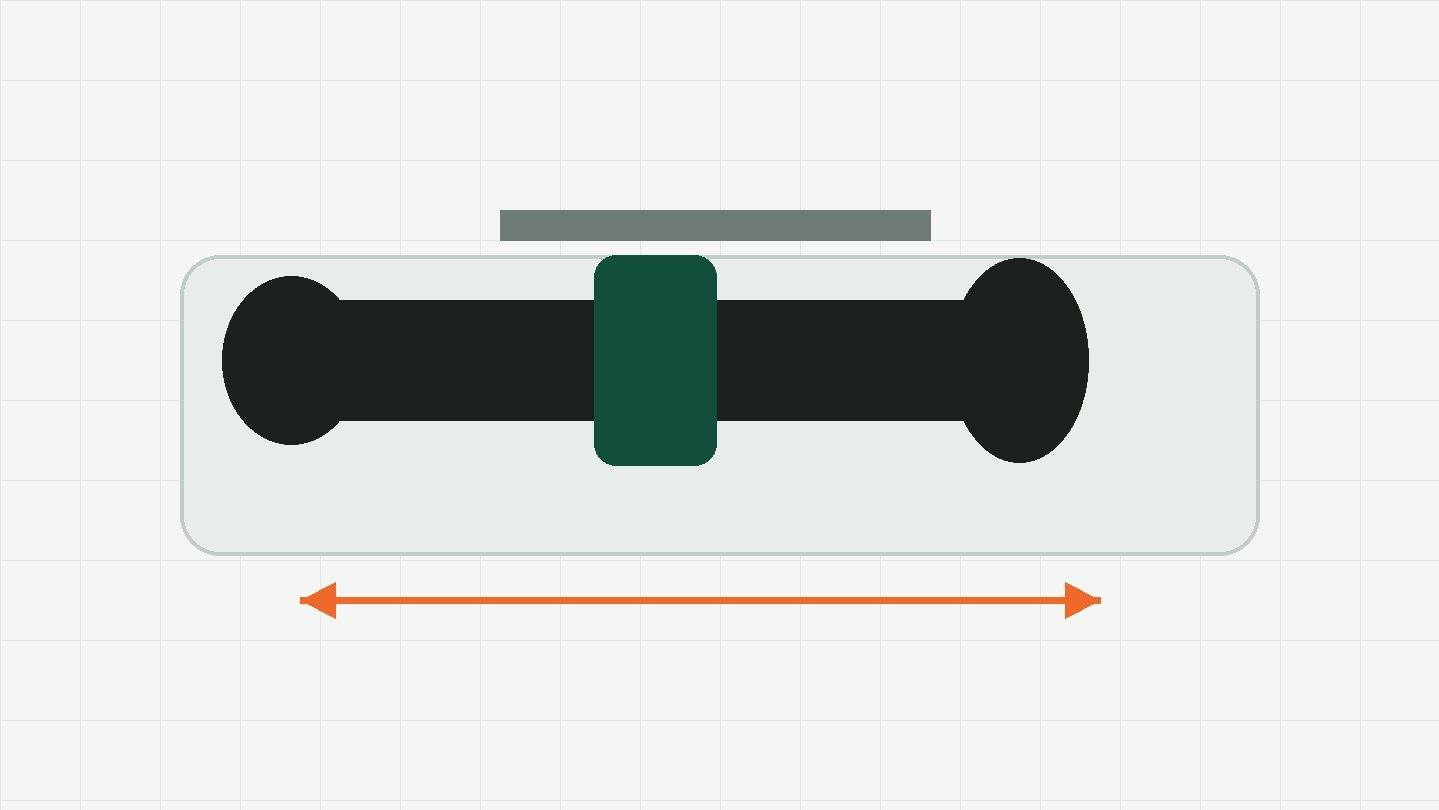
A variable scope can provide a wider view at the low end and more apparent target detail at the high end. It adapts better when distances and target sizes change. It also introduces another control, a wider set of optical compromises and often more size, weight or cost.
A large ratio printed on the box does not guarantee a better image at every setting. Resolution, contrast, eye box and distortion still matter. Our resolution vs magnification guide explains why extra power cannot create detail the optical system does not resolve.
Field of view and eye position change with power
At higher magnification, field of view normally narrows and head position can become more critical. A variable scope should therefore be evaluated across its range, not only at the bright and comfortable low end. Check whether the high end remains usable in your normal position.
Reticle behaviour matters
In a first focal plane variable scope, the reticle changes apparent size with the target image and measuring marks can keep their angular value across the range. In a second focal plane design, the reticle appears constant and marked subtensions are normally correct at one specified power.
A fixed-power optic avoids that particular magnification question, but the reticle still needs appropriate thickness and layout. Read our FFP vs SFP guide if you plan to use reticle references rather than only the centre.
Choose around a normal use case
- Choose fixed power when one magnification genuinely covers the task and consistency matters most.
- Choose variable power when distances change enough to justify the added control.
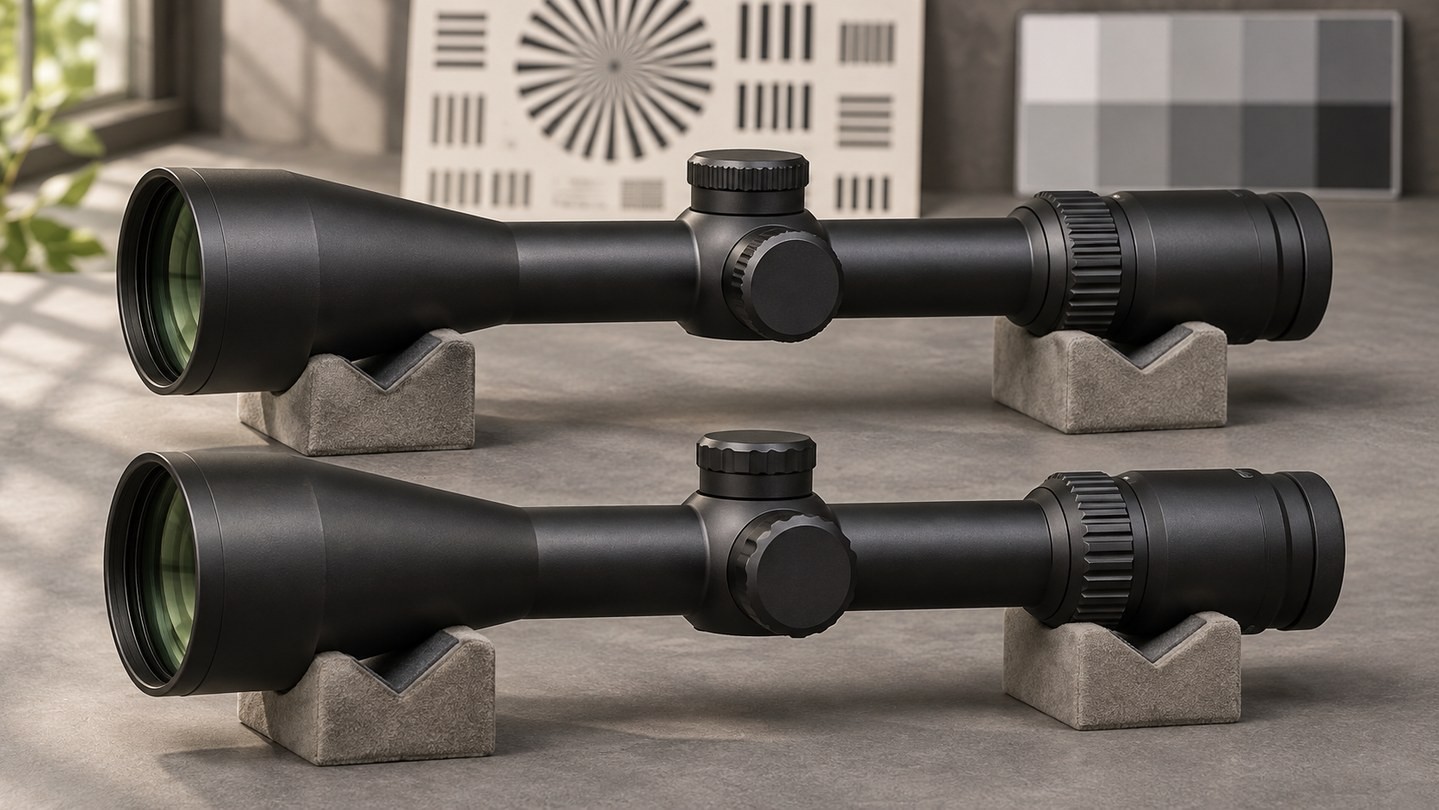
- Compare field of view and eye box at both ends of a variable range.
- Do not buy a larger ratio only because the number looks more capable.
- Include weight, length and mount position in the decision.
Fixed does not mean outdated, and variable does not automatically mean complicated. The simpler choice is the one that removes unnecessary decisions without removing capability you will regularly use.
For more category-level comparisons, browse Sporting Optics or continue with the USEEIN Buying Guides.


Leave a comment