Two sights can offer a similar heads-up view and still create the aiming image in very different ways. That is why “red dot” and “holographic sight” should not be treated as interchangeable labels. A conventional reflex red dot uses an LED and a reflective optical surface. A true holographic sight reconstructs a recorded holographic reticle with laser illumination.
The difference matters, but it does not produce a universal winner. Reticle design, battery type, controls, size, weight, mount, night-vision settings, magnifier behavior and support all depend on the exact model. The practical comparison starts with verified technology and ends with the complete product—not with the shape of the housing.
Start With the Optical Method
In a reflex red dot, an LED sends light toward a coated lens. The lens reflects selected light back toward the user, who sees the dot or other illuminated pattern over the scene. The dot is not projected onto the target. Aimpoint’s current FAQ describes this distinction directly: the aiming point exists in the sight picture seen by the user, not as a visible spot on the object.
A true holographic sight works differently. Its window contains a holographic reticle pattern, and laser light reconstructs the reticle image for the observer. EOTECH’s current HWS manuals describe the holographic window and laser-illuminated virtual image as parts of that system. These are different optical architectures even when both sights are non-magnifying and used with both eyes open.
The Housing Shape Does Not Prove the Technology
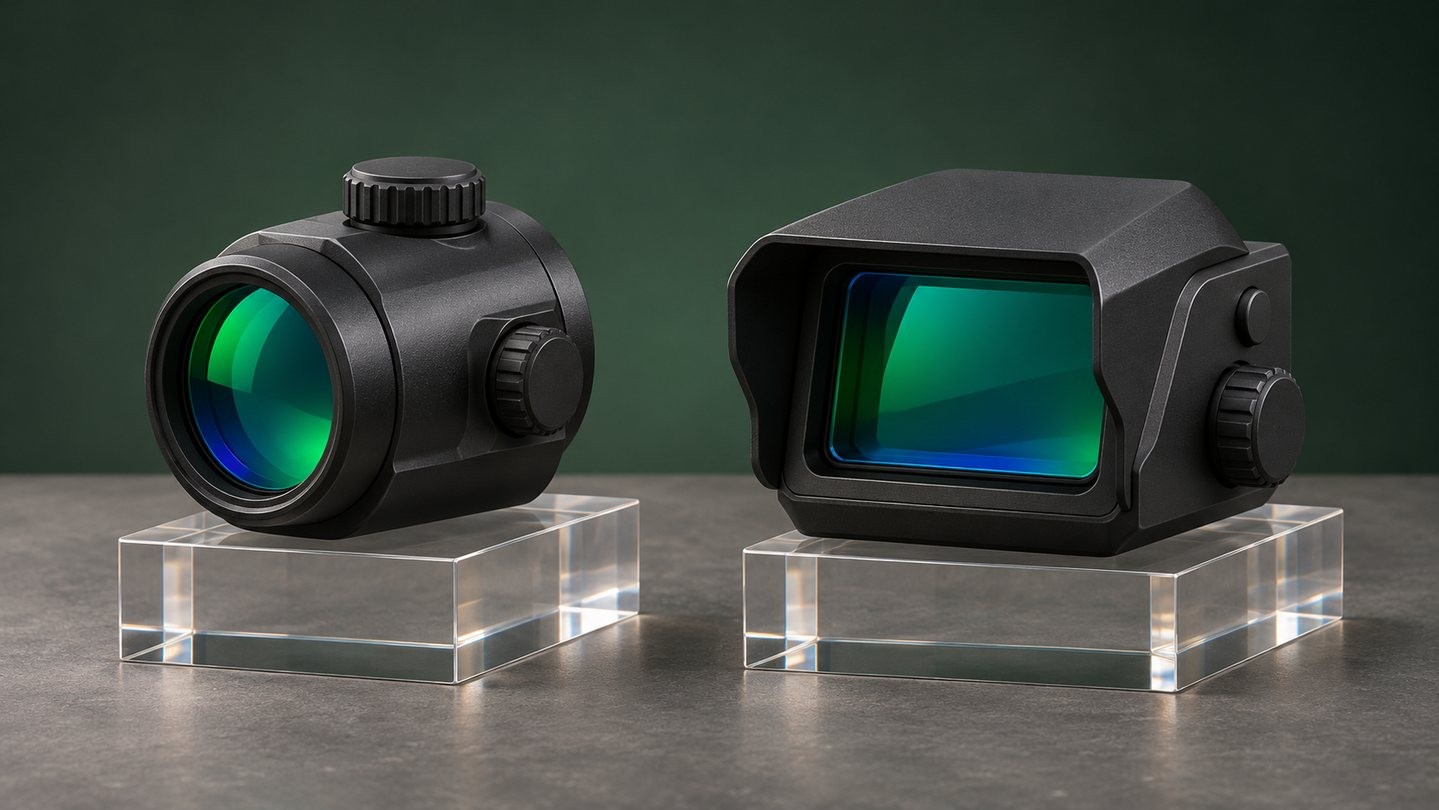
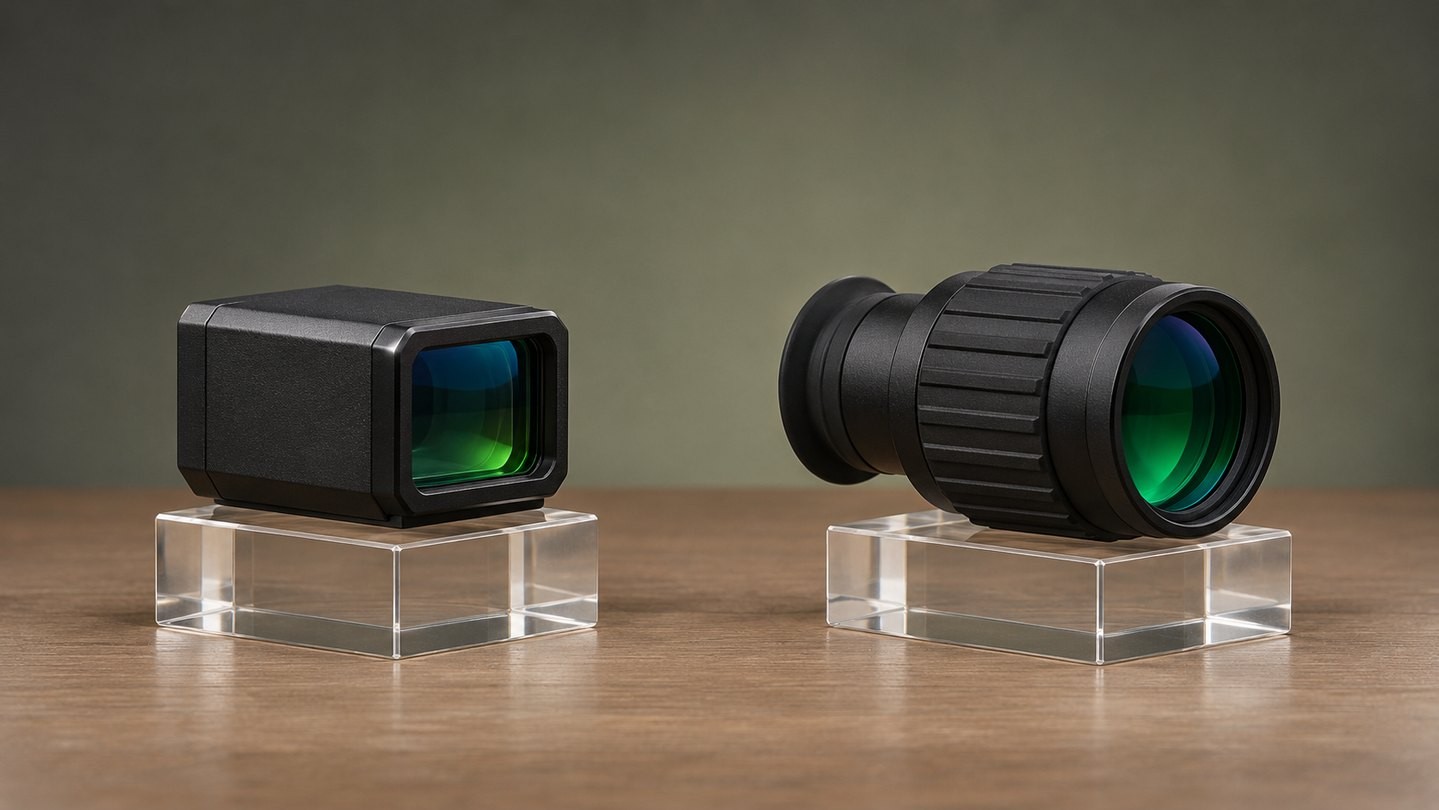
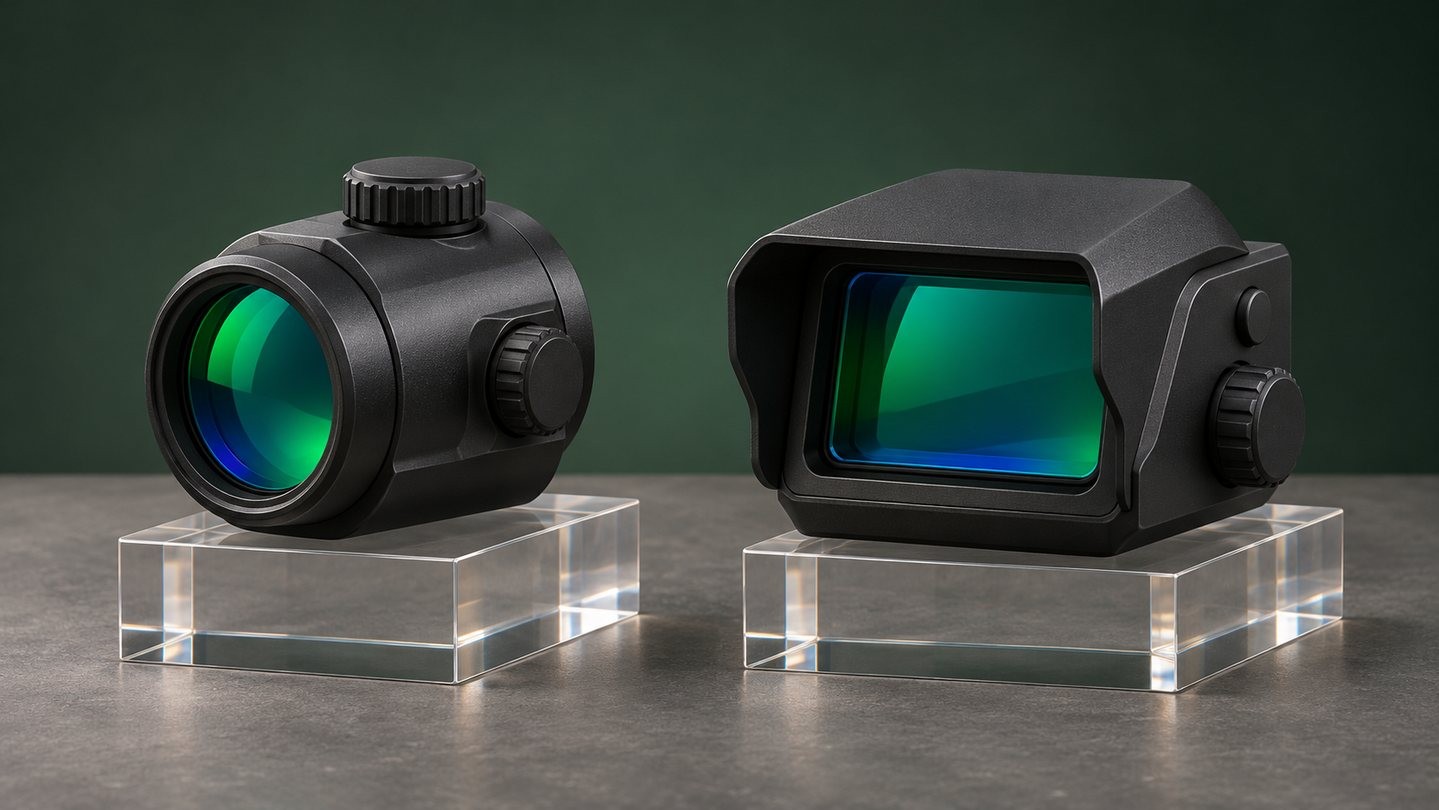
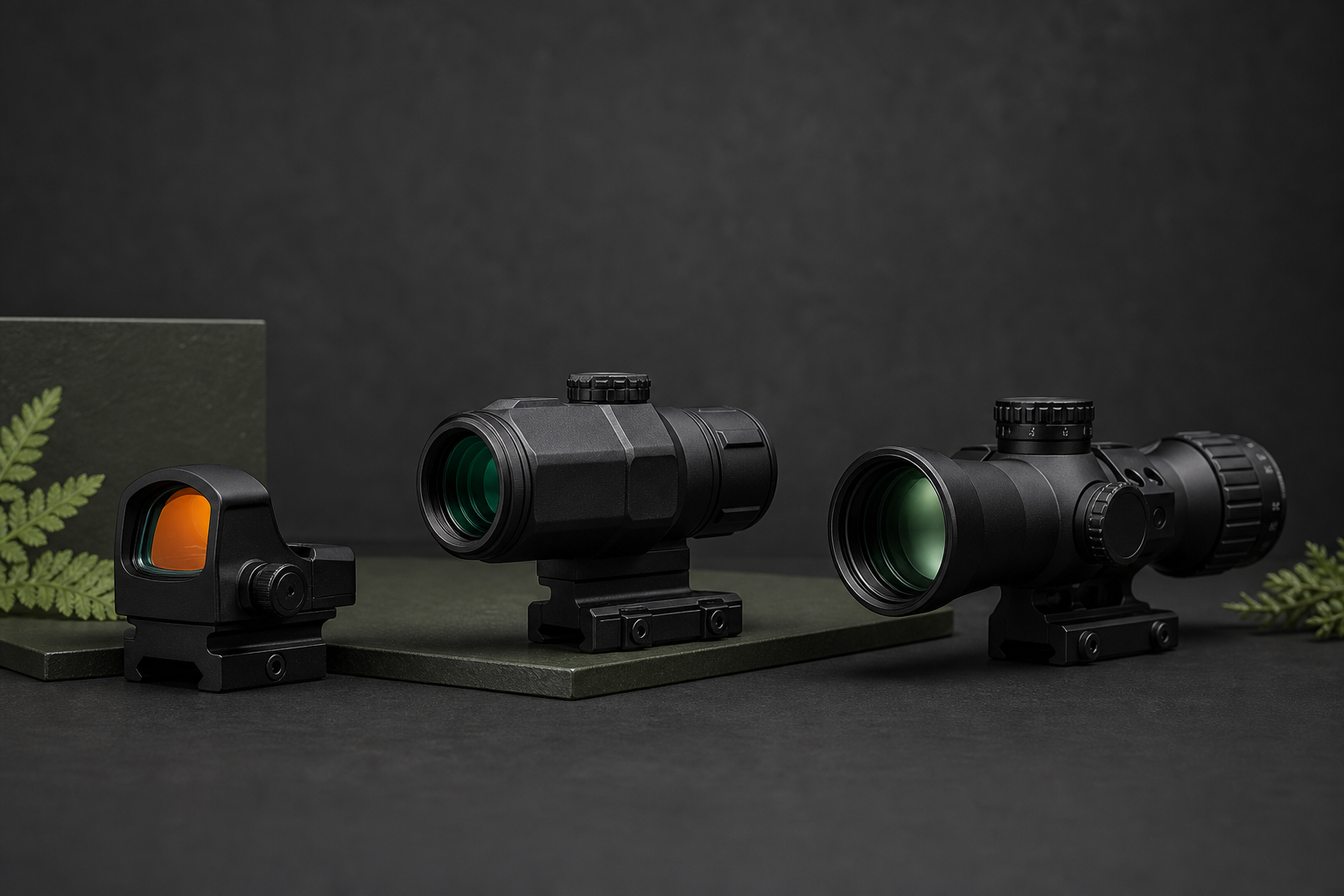
A rectangular window is not proof that a sight is holographic, and a tube-shaped body is not the definition of a red dot. Reflex sights can be open or enclosed, compact or full-size. A product can also copy the external look of a holographic sight while using a conventional LED-reflector system inside.
Read the manufacturer’s technical description and manual. Look for a clear statement about holographic optics rather than relying on marketplace wording such as “holo style.” If the listing only describes an LED emitter, dot size and reflective coating, treat it as a reflex sight unless the maker provides evidence otherwise. The broader guide to common sight types explains where both categories sit alongside prism and magnified optics.
Reticle Shape Is a Separate Choice
Neither technology is limited to one visible pattern. Reflex sights may offer a single dot, circle-dot or selectable multi-reticle system. Holographic products can also use different rings, dots and reference marks. A circle-dot does not automatically make a sight holographic.
Compare the reticle as a model-level feature. Check the angular size of the center point, the diameter of any outer ring, whether patterns are selectable, and whether the manual explains what additional marks mean. Our guide to 2 MOA, 3 MOA and 6 MOA dot sizes shows why a number has to be interpreted as an angular measurement rather than a statement about technology or quality.
Magnifier Behavior Needs Careful Wording
Manufacturers may describe different apparent reticle behavior behind a magnifier. EOTECH states that the 1 MOA center dot in its HWS reticle retains its angular size while the target is enlarged. A conventional reflex sight uses a different optical method, so its apparent dot and bloom through a magnifier should not be assumed to behave identically.
That is a product-specific comparison, not permission to make a blanket promise for every sight. Brightness, eyesight, camera focus, magnifier diopter and alignment can all change how clean or large the aiming point appears. The practical troubleshooting article on why a red dot can look bigger through a magnifier separates those variables before anyone calls the optic defective.
Battery Life Is Not a Technology Shortcut
It is tempting to say that every red dot has extremely long runtime and every holographic sight does not. That shortcut is too broad. Power demand can differ between LED-reflector and laser-based systems, but published runtime still depends on battery type, brightness level, temperature, automatic modes and the test conditions chosen by the manufacturer.
Compare the exact figures under stated conditions. Check whether the sight has manual brightness, automatic adjustment, motion activation, auto-off or a constant-on mode. Confirm how the battery is accessed and whether changing it disturbs the mount. A high runtime number without its setting and battery assumptions is not a complete comparison.
Brightness and Night-Vision Settings Are Model Specific
Both categories can provide multiple daylight levels, and selected products may include settings intended for use with compatible night-vision equipment. The presence of a button marked “NV” or an unusually dim level is not something to infer from appearance. Verify the manual, because settings and compatible devices vary.
Night-vision compatibility normally means the reticle output can be reduced enough for an image-intensifying device; it does not mean the sight itself sees in darkness. The dedicated guide to night-vision-compatible red-dot settings covers that boundary in more detail. For ordinary use, choose the lowest brightness that remains clearly visible against the scene to reduce bloom and preserve surrounding detail.
Size, Weight and Window Feel Come From the Complete Design
Reflex sights are available in very small open housings, enclosed tubes and larger windows. Holographic sights often use a protective hood and a boxier body, but model-to-model dimensions still vary. Window size alone does not describe how open the view feels; housing thickness, lens position, mounting height and eye position also matter.
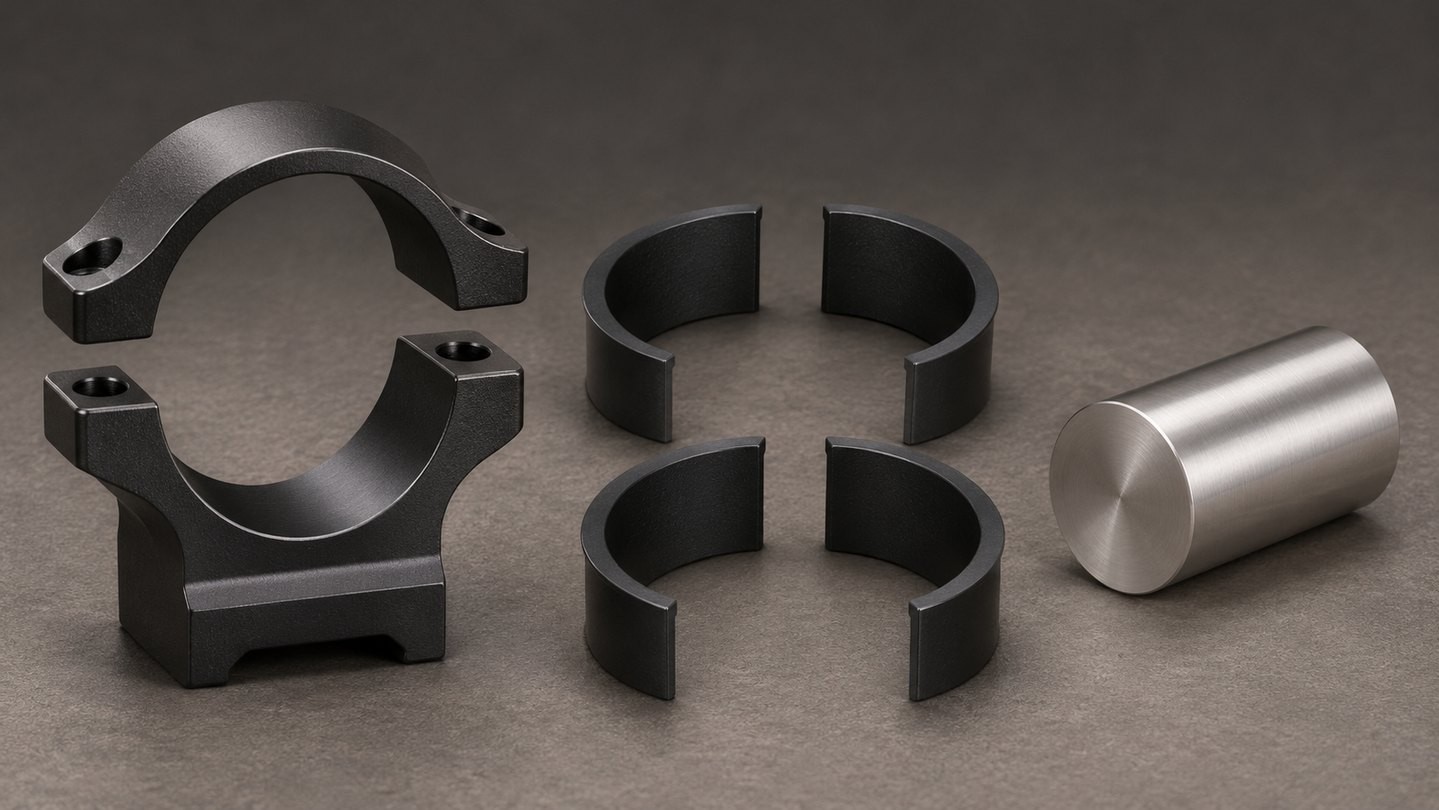
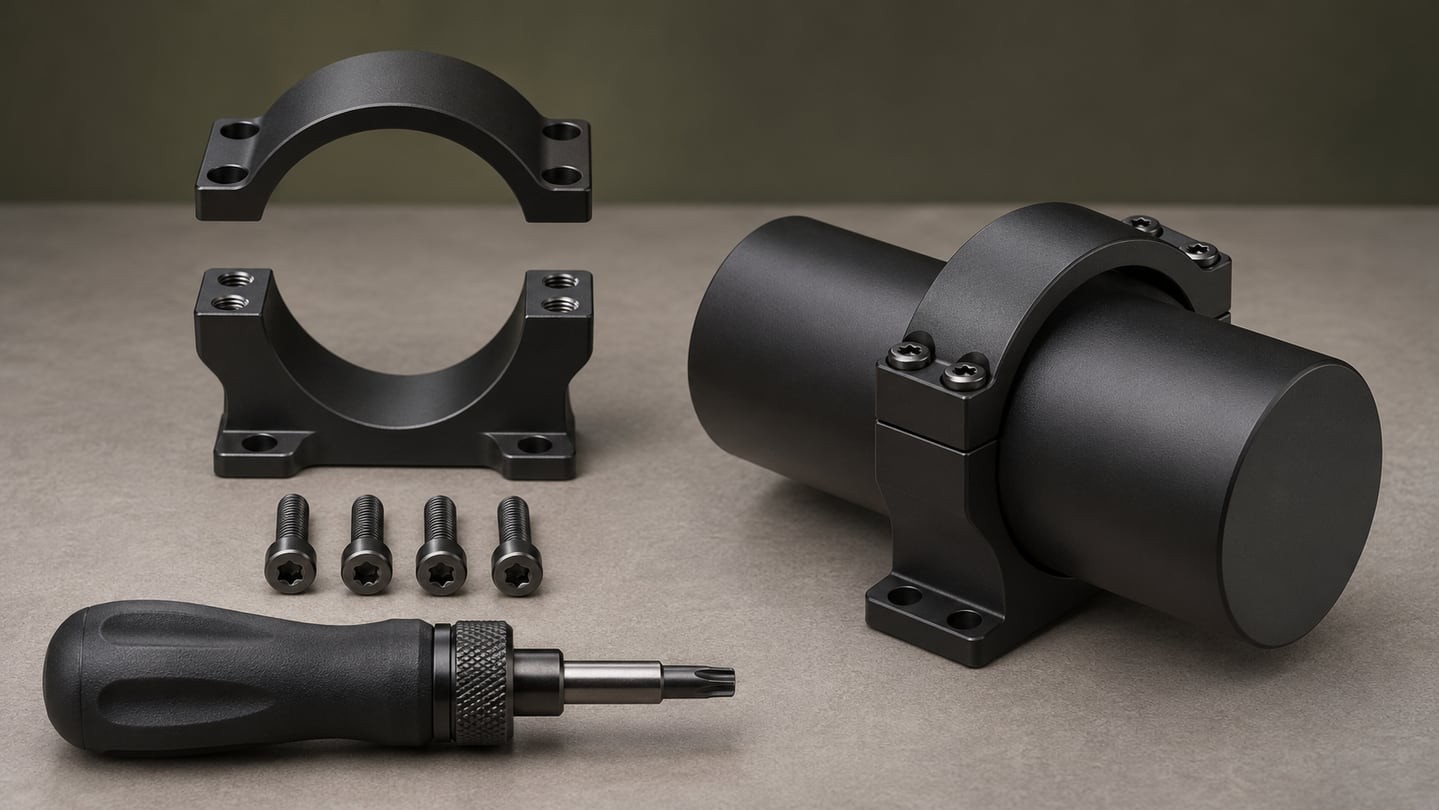
Compare published dimensions and weight with the mount and required spacers included. Confirm the footprint or rail interface, assembled centerline height and control clearance. An optic that looks compact in a photograph may sit taller or occupy more rail space once its mount is installed. Conversely, a larger body may provide controls or a window arrangement that a particular user prefers.
Parallax Claims Still Need a Realistic Test
Neither “red dot” nor “holographic” means that every point in the window is perfectly free of parallax error at every distance. EOTECH’s support material explicitly notes that all optics can show some degree of parallax, with effects often more noticeable at close range. Manufacturers may design their systems to minimize the practical effect, but the result should be read within the exact product claim and test conditions.
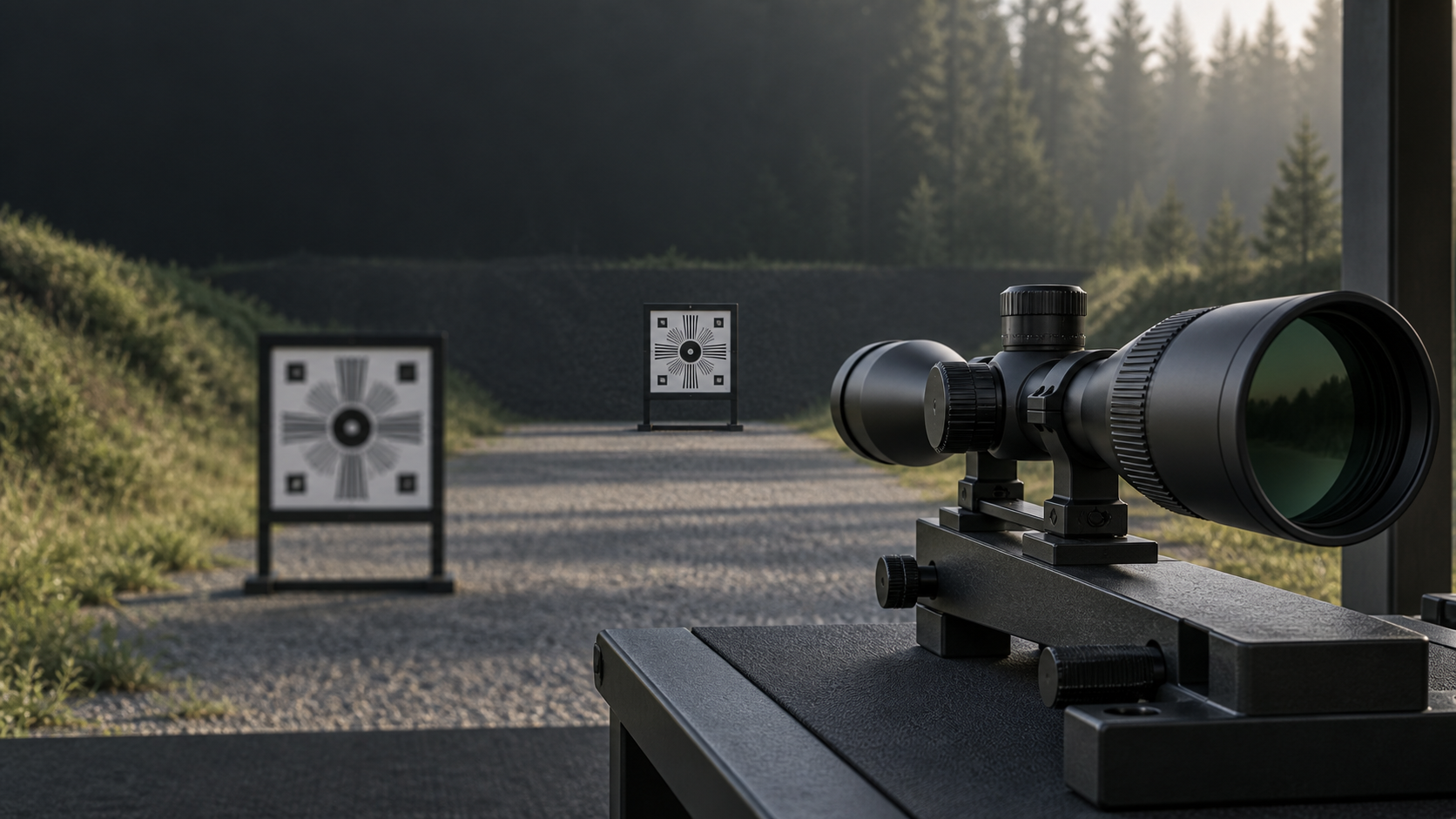
When checking a sight, keep the optic stable, use one target and move the eye slightly while observing whether the aiming point appears to shift. Center the view for controlled zeroing and comparison. The article on whether red dots are really parallax-free explains why the center of the window remains the best reference for evaluation.
Durability Claims Must Stay With the Tested Product
Some holographic-sight manufacturers describe continued function when part of the window is damaged or obscured. That is a claim about a documented system, not a reason to damage an optic or a guarantee that every holographic-looking product behaves the same way. Reflex sights also vary widely in housing protection, window construction, sealing and environmental ratings.
Use published model data for water resistance, operating temperature, impact testing and warranty coverage. Do not turn a technology label into a durability rating. If a window is cracked, the housing is bent, controls change after an impact or the zero becomes unstable, stop using the sight and follow the maker’s inspection or service process.
Use a Model-by-Model Buying Checklist
- Verified technology: reflex LED or documented holographic system.
- Reticle: pattern, center size, selectable modes and meaning of extra marks.
- Brightness: daylight range, low settings, automatic behavior and memory.
- Power: battery type, access, published runtime conditions and shutoff logic.
- Magnifier use: documented compatibility, mount height and stated reticle behavior.
- Physical fit: footprint, mount, spacers, assembled height, weight and control access.
- Environment: verified sealing, temperature range and service guidance.
- Support: authentic product channel, current manual and usable warranty process.
A reflex red dot and a true holographic sight can solve a similar viewing problem, but they do not create the reticle in the same way. Start by confirming the optical technology, then compare the exact reticle, controls, power system, mount, magnifier behavior and verified durability claims. The right choice is the complete sight that fits the user and the equipment—not the category with the more impressive label.


Leave a comment