A scope bubble level is meant to answer a narrow question: is the system being held at the same left-right orientation used as the reference? That can reduce cant-related inconsistency, especially when the reticle is used for vertical holds or adjustments.
It is not a universal accuracy device. A level only reports its own orientation, so the way it is installed matters as much as the bubble.
The level needs a trustworthy reference
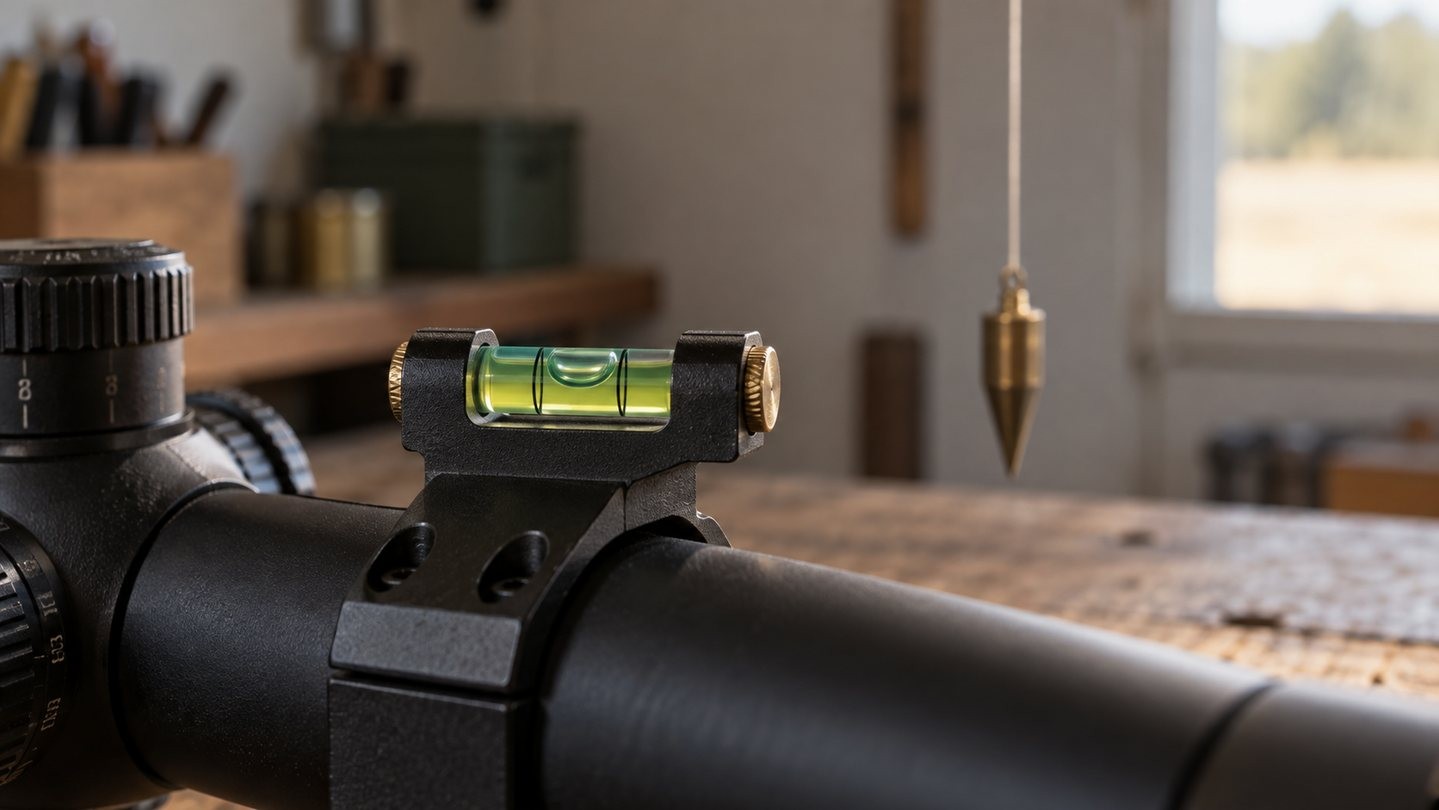
A tube-mounted level can be indexed to the mounted optic, the rail, a verified reticle or another documented surface. Those references should agree, but manufacturing tolerances and installation error can create small differences.
The safest approach is to follow the optic and level manufacturer’s method and verify the result against a real plumb line.
A bubble level helps repeat cant
When the system rotates left or right, the reticle’s vertical axis rotates with it. Vertical correction then gains a horizontal component. A correctly indexed level gives the user a repeatable way to reduce that rotation.
The error grows more important as the vertical correction becomes larger. That does not mean the bubble must be watched continuously at the expense of a stable position.
What a level cannot repair
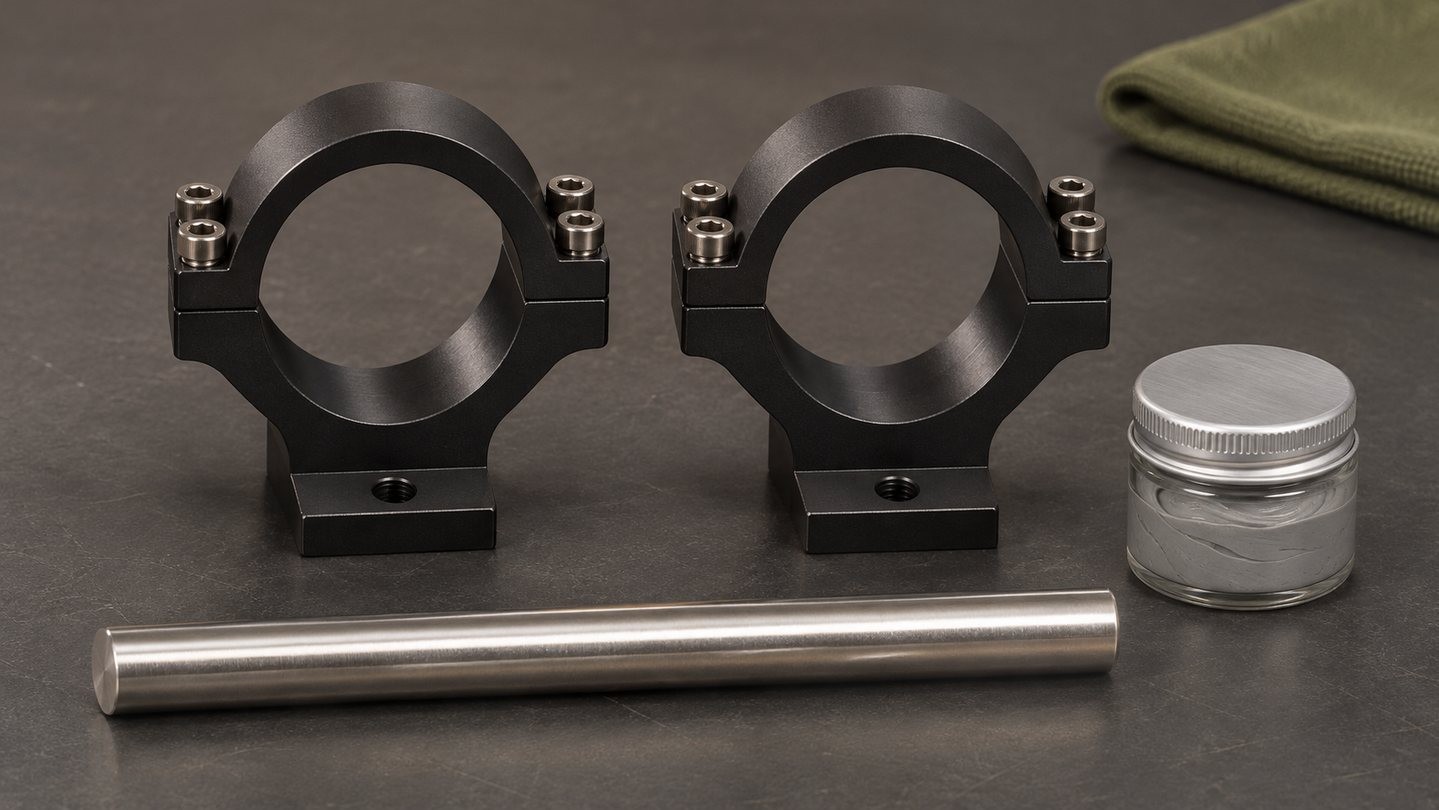
A bubble level cannot straighten a reticle that is rotated inside the optic, correct poor turret tracking, center an incorrectly mounted base or eliminate parallax. It also cannot compensate for an installation that forced the scope tube in misaligned rings.
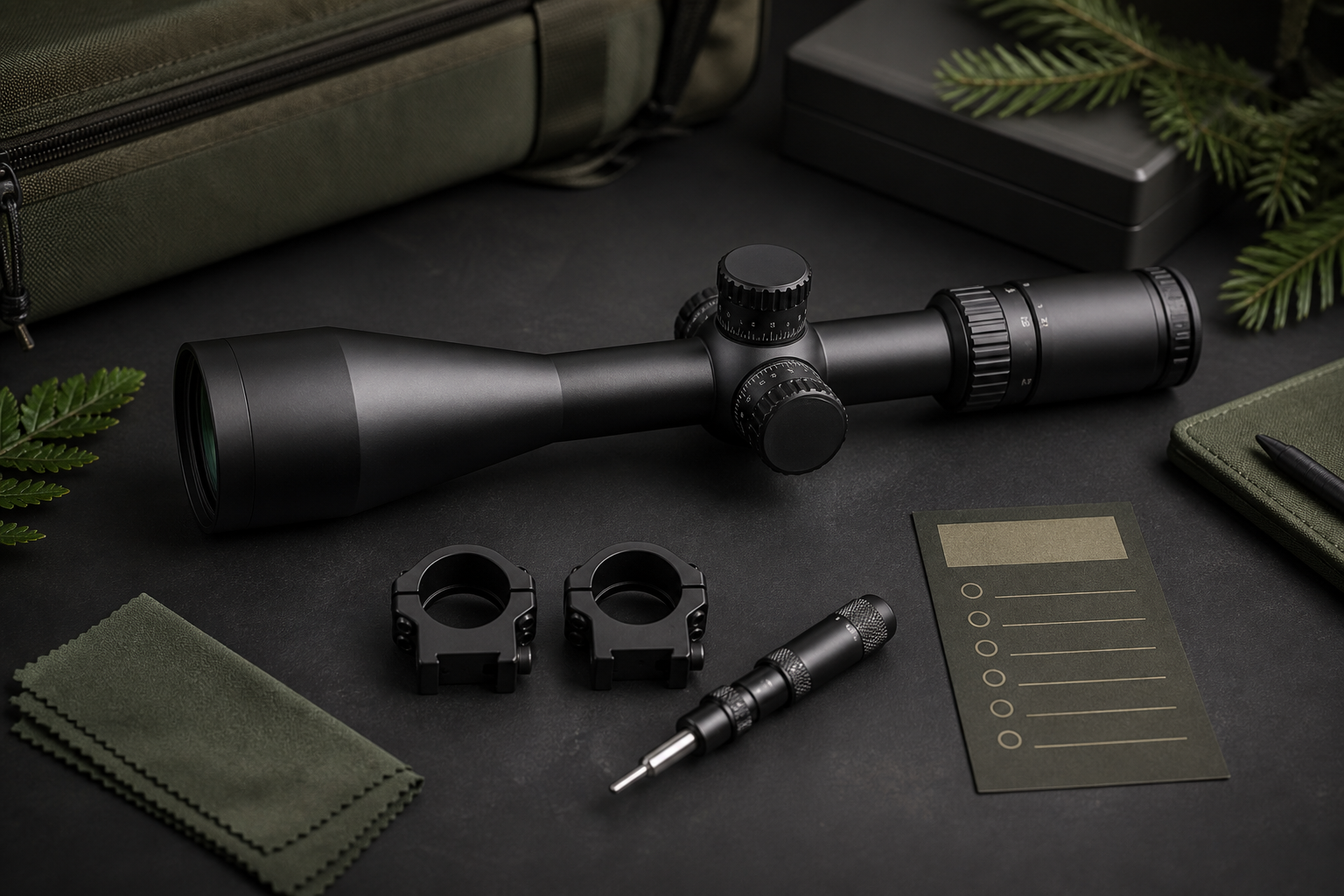
Start with the scope-leveling guide, then add a bubble level only after the optic and mounting reference have been checked.
Placement affects usability
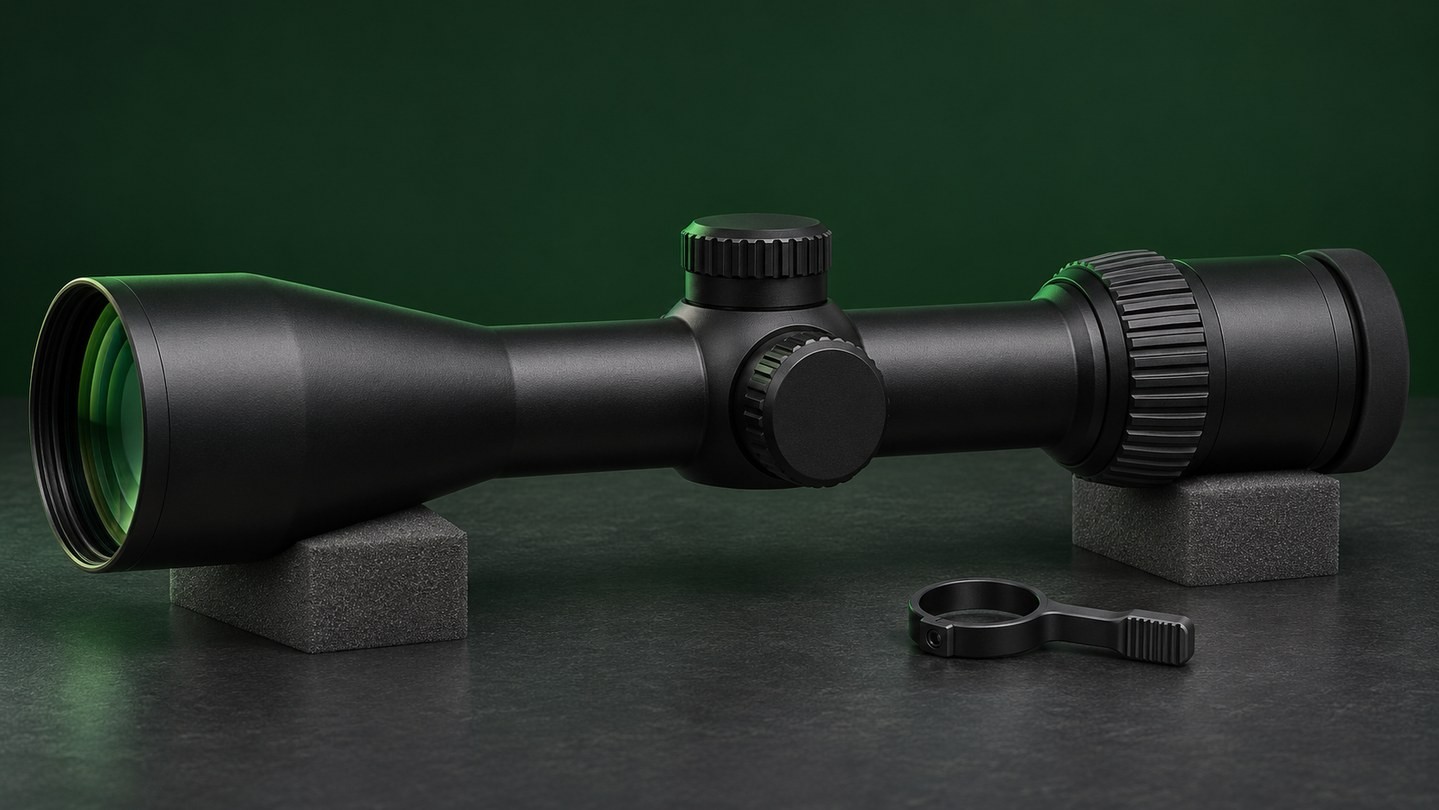
The vial must be visible from the normal position without blocking controls or contacting another part. Folding levels can stay protected when not in use; fixed levels are simpler but may protrude farther. Confirm tube diameter and clearance before ordering.
The bubble also has a sensitivity range
A long, sensitive vial can show small changes clearly but may demand more attention; a compact vial can be easier to package but less precise to read. The bubble should move freely and settle consistently. If it sticks, changes size or disagrees after the device is reversed on the same reference, stop and inspect the level rather than trusting it.
Verification routine
- Stabilize and level the documented mounting reference.
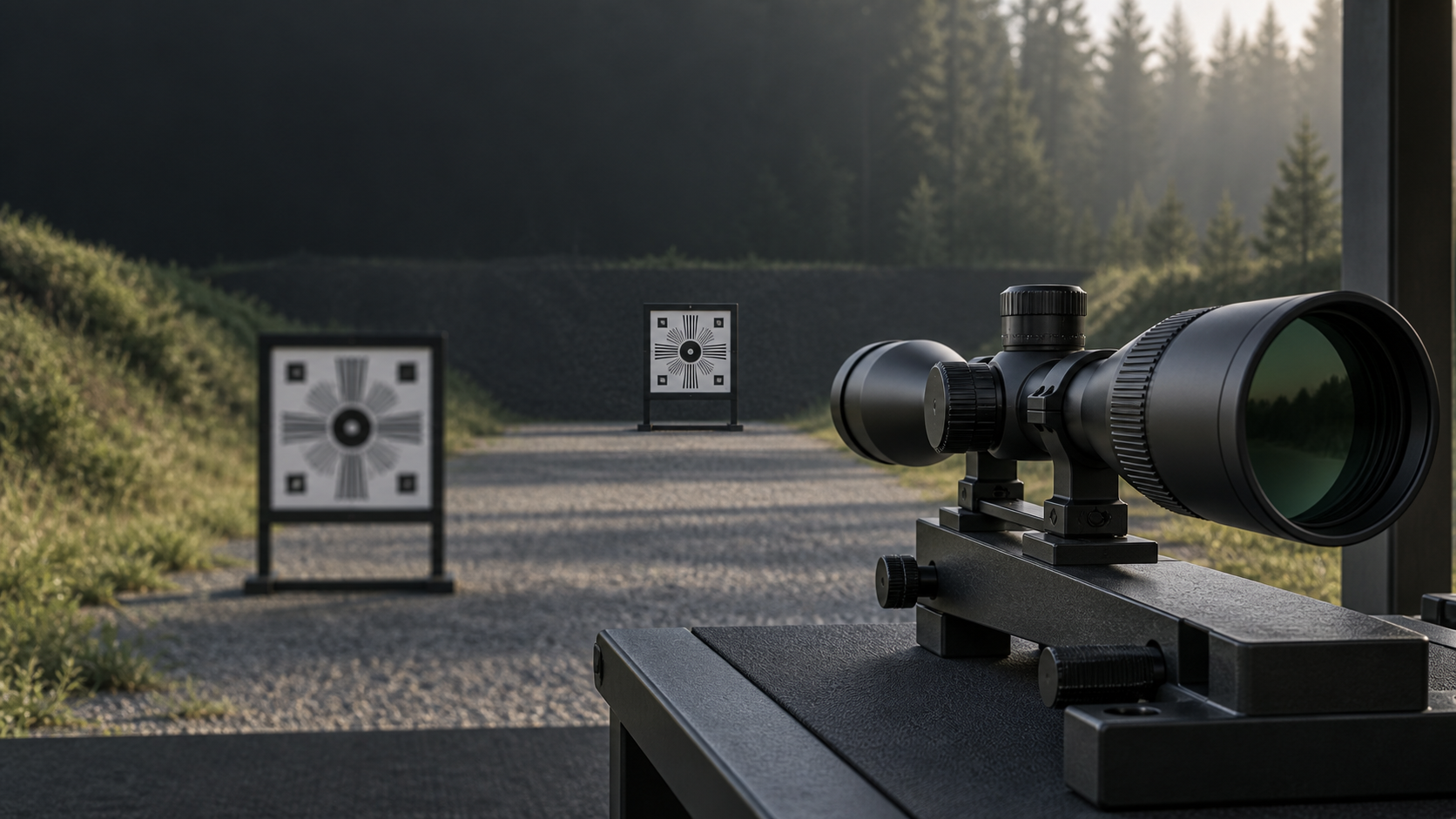
- Align the reticle with a verified plumb line.
- Attach the bubble level without rotating the optic.
- Check the bubble against the same reference.
- Tighten gradually and recheck after every step.
- Repeat the check after transport or any impact.
A bubble level is useful when it preserves a verified relationship. Installed casually, it can make an error look precise.


Leave a comment