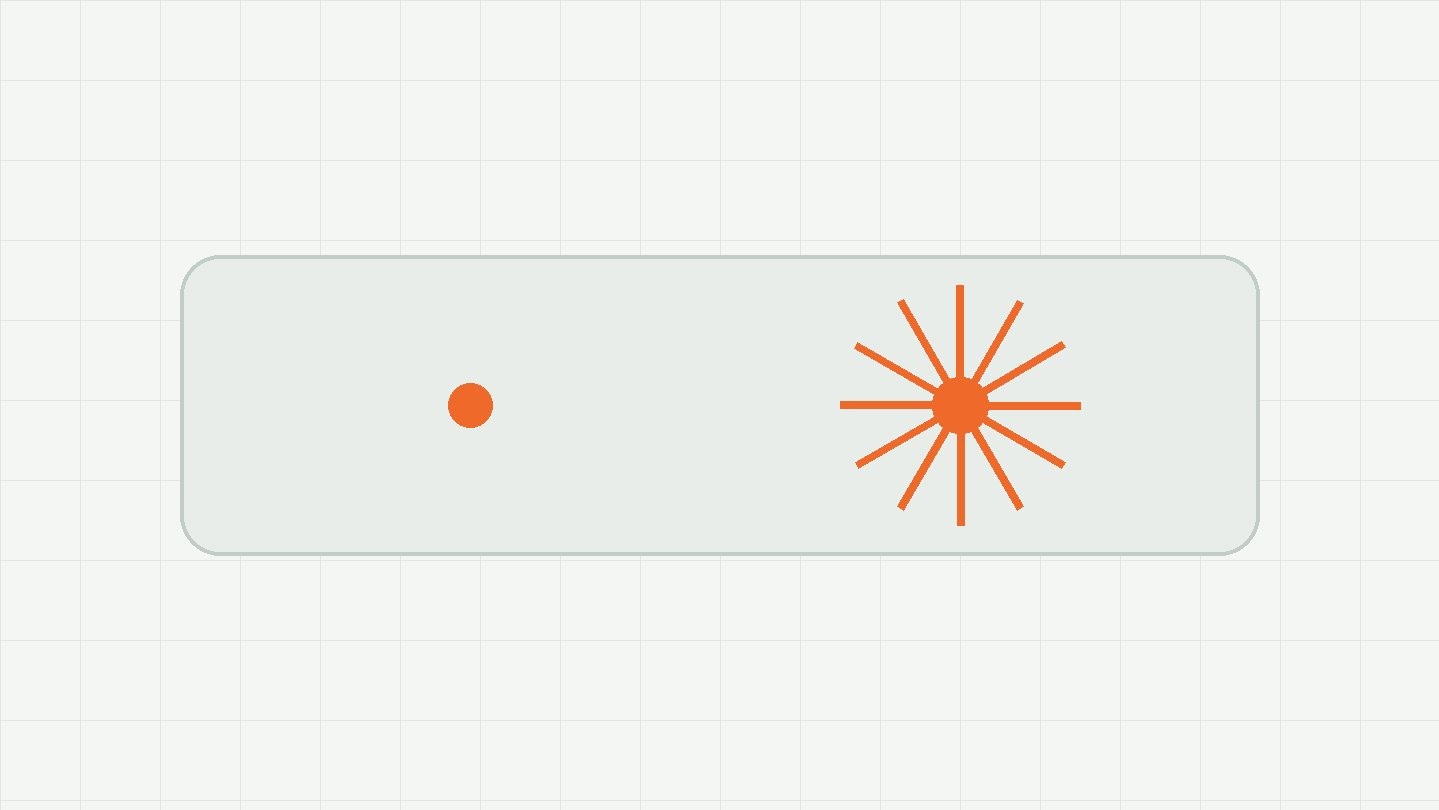
A red dot is supposed to appear as a small, usable aiming point. Sometimes it looks stretched, comma-shaped or surrounded by rays. That effect is often called a starburst, but the name describes an appearance—not a diagnosis.
Start with brightness
A dot that is much brighter than the surrounding scene can bloom, especially indoors or in low light. Turn the intensity down until the dot is only bright enough to see clearly. This simple change often produces a cleaner shape.
Our illumination brightness guide explains why maximum output is rarely the best normal setting.
Use a phone camera as a comparison
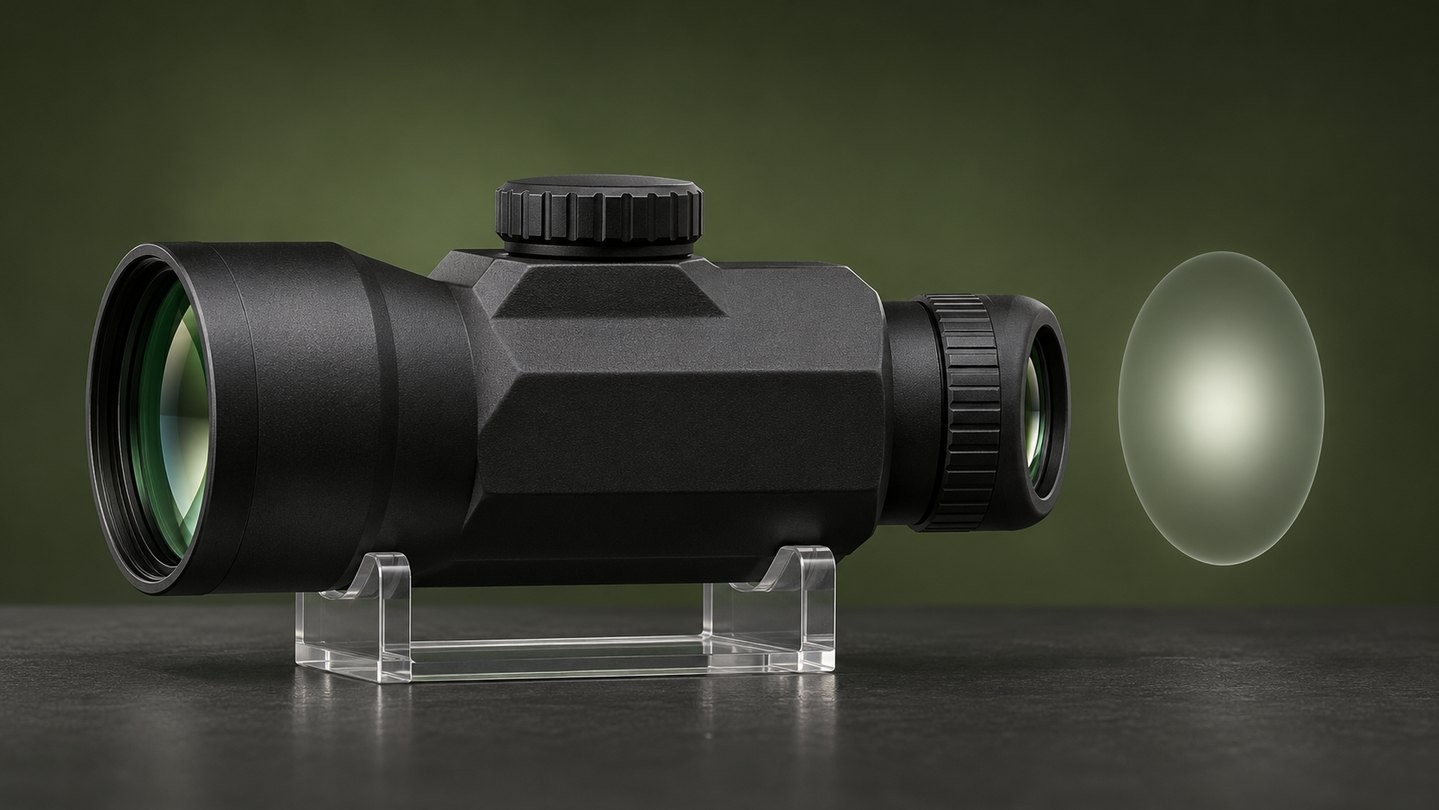
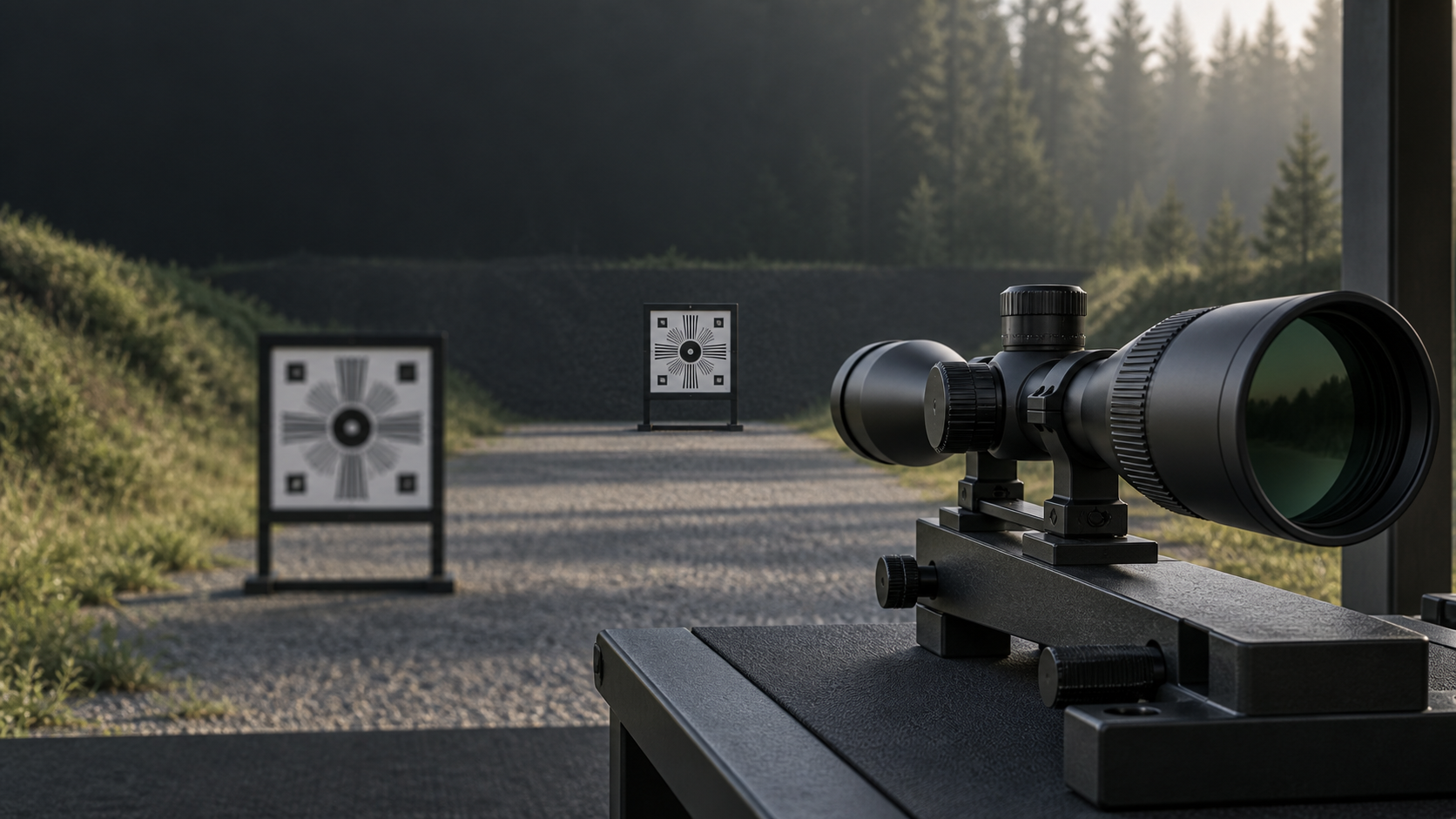
Point the sight toward a plain, dark background, use a reasonable brightness and photograph the dot through the window. Compare the camera image with what your eye sees. A clean camera image and distorted visual image suggest that the eye is an important part of the result. A similarly distorted photograph may justify cleaning and further optic checks.
Compare one eye at a time
View the dot with each eye separately. If the shape changes substantially between eyes, personal vision is likely contributing. Astigmatism is one possible cause, but this test is not a medical assessment.
Rotate the optic carefully
With the sight held safely and without changing the viewing distance, rotate it around its optical axis. If the irregular shape stays in the same orientation relative to your eye, that points toward vision. If the shape rotates with the optic, inspect the lens, emitter window and the sight itself more closely.
Clean the correct surfaces
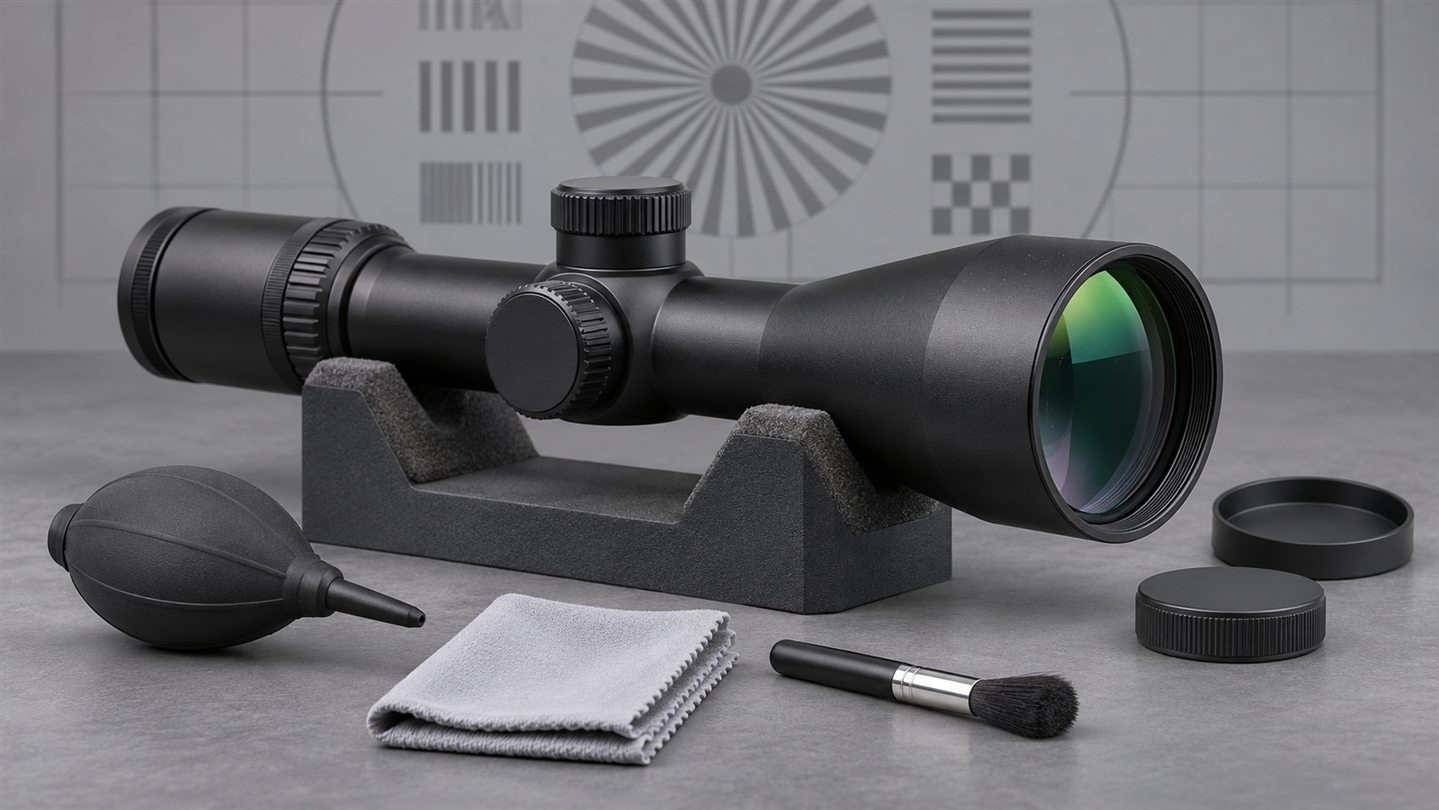
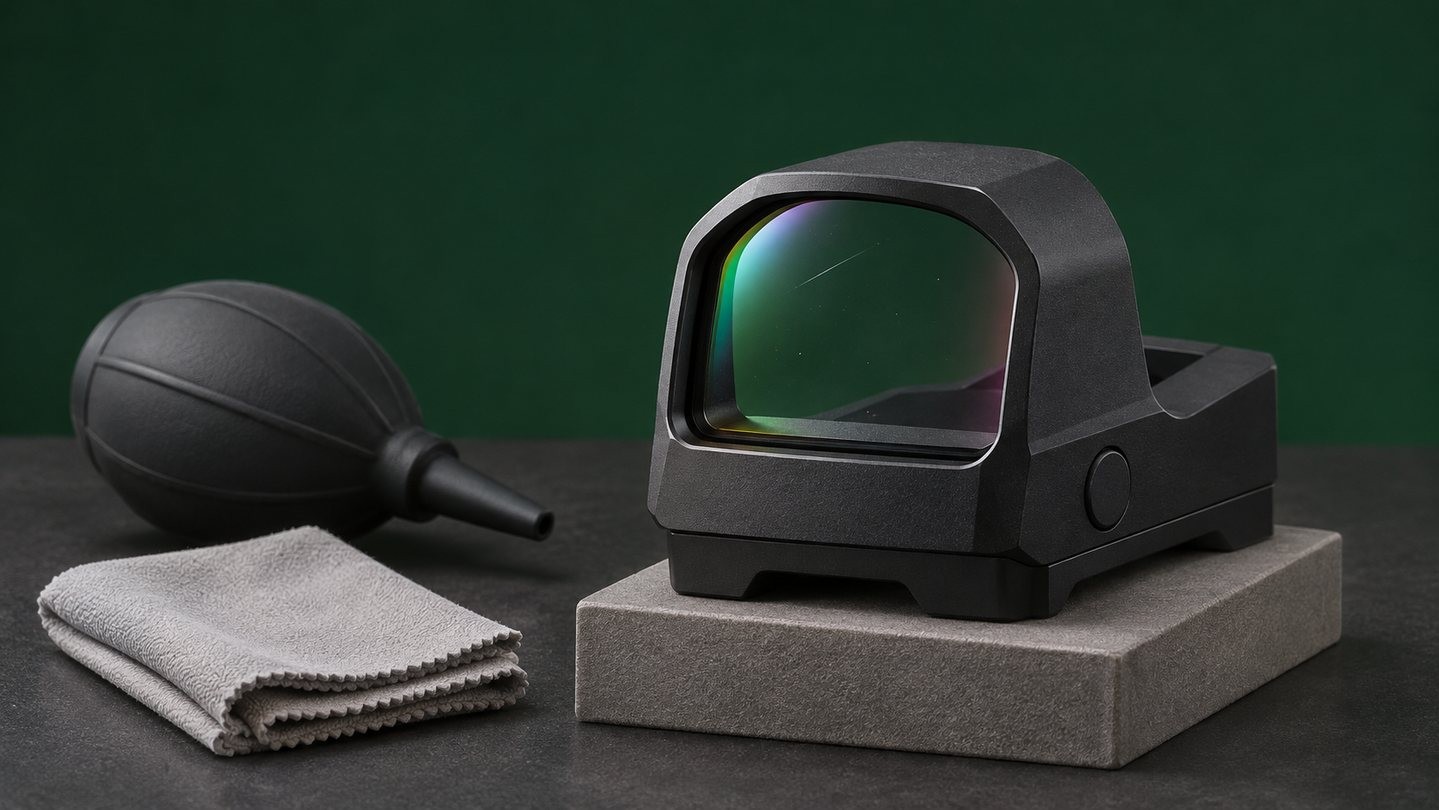
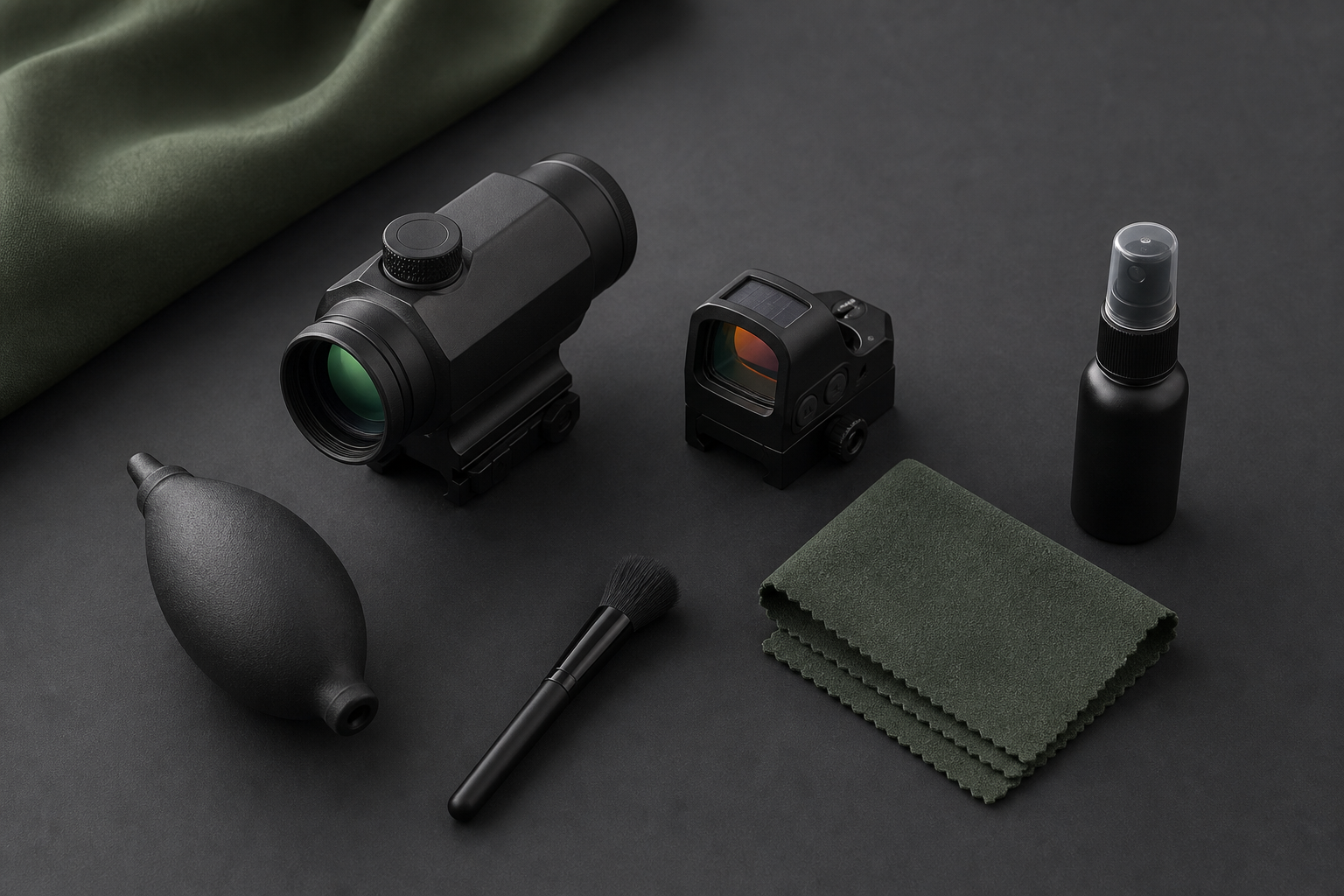
Dust, oil or moisture on the viewing window can scatter light. An open emitter area can also collect debris. Use the manufacturer’s lens-care instructions; do not scrape coatings or flood electronics with an unsuitable cleaner.
When to seek more help
If the dot remains distorted in a controlled camera test after cleaning, contact the manufacturer or seller with photographs and settings. If visual distortion persists in daily life, differs strongly between eyes or causes concern, speak with an eye-care professional.
The useful sequence is brightness, camera, one-eye comparison, rotation and cleaning. It separates common viewing effects from a possible product issue without guessing.
For more category-level comparisons, browse Sporting Optics or continue with the USEEIN Buying Guides.


Leave a comment