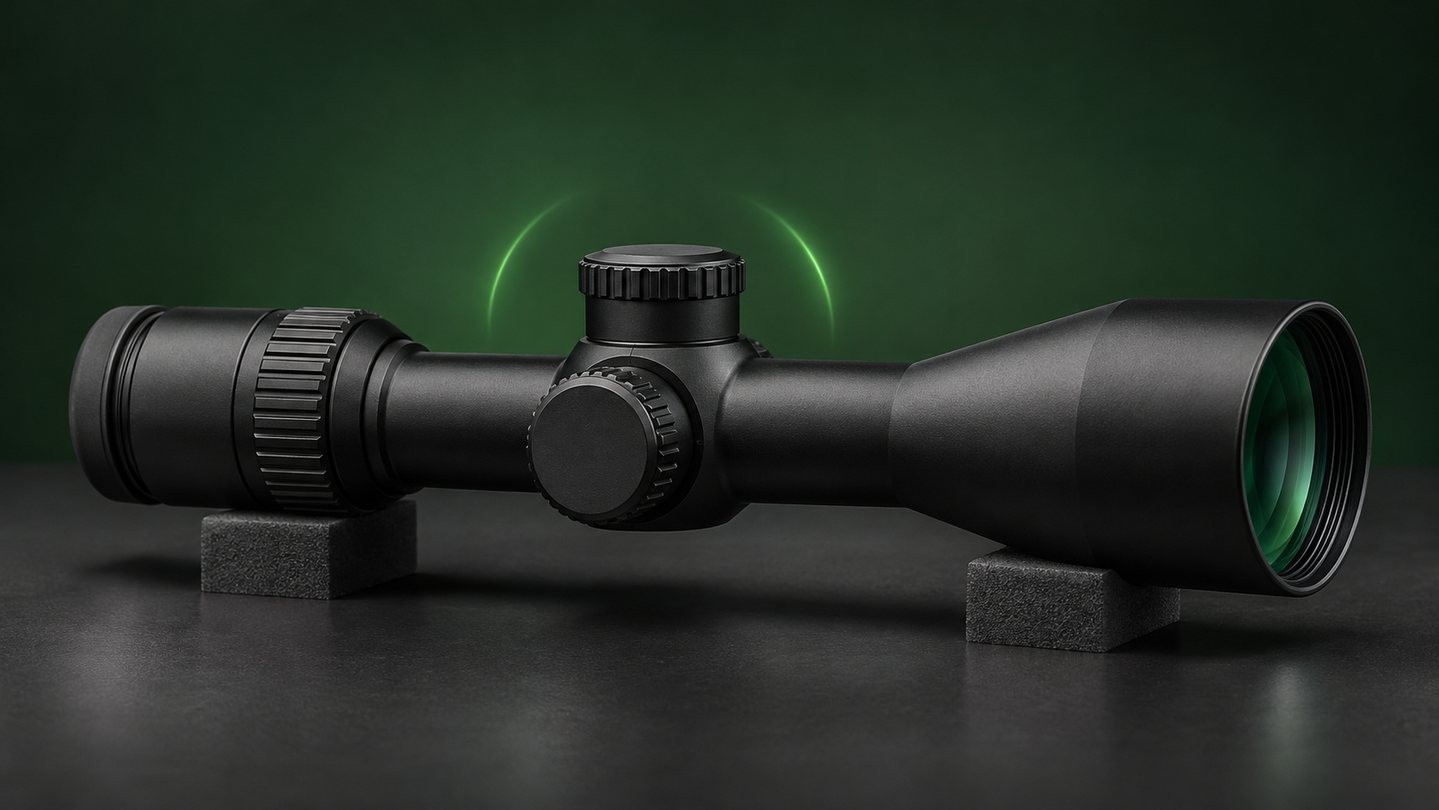
Put the same scope in front of two people and you may get two honest but very different reactions. One sees a sharp reticle and a comfortable image. The other sees blur, a dark edge or an image that disappears when the head moves slightly.
That does not immediately prove that either person is wrong or that the optic is defective. A riflescope is an optical system that must work with an individual eye, eye position and viewing condition.
The diopter is personal
The eyepiece diopter is used to make the reticle appear sharp to the viewer. It is not a general-purpose target-focus knob. Because eyesight differs, the correct position for one person may be wrong for another.
Look at a plain bright background rather than a detailed target, glance through briefly and adjust until the reticle snaps into clear focus. Looking for too long lets the eye compensate and makes the adjustment less reliable. Our diopter guide explains the sequence in more detail.
Eye position changes the picture
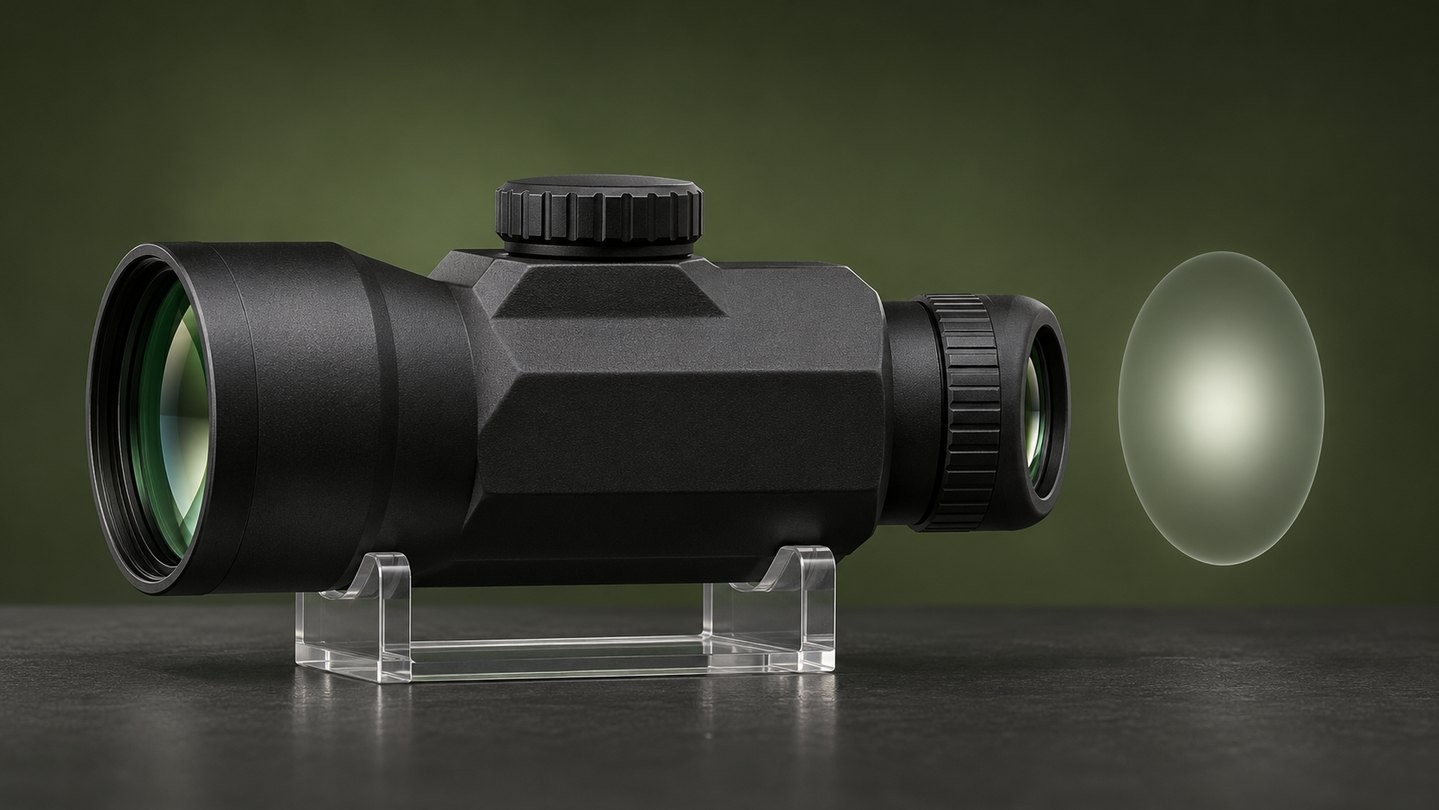
A scope has a limited eye box. If the eye is too close, too far away or off the optical axis, the viewer may see a dark crescent, a small image or intermittent black edges. Different head shapes and postures mean two people do not automatically place their eyes in the same location.
Magnification often makes positioning less forgiving. A scope that feels effortless at low power can require a more precise position at high power. Compare it in the same posture and at the same magnification before drawing conclusions.
Target focus and parallax are separate from reticle focus
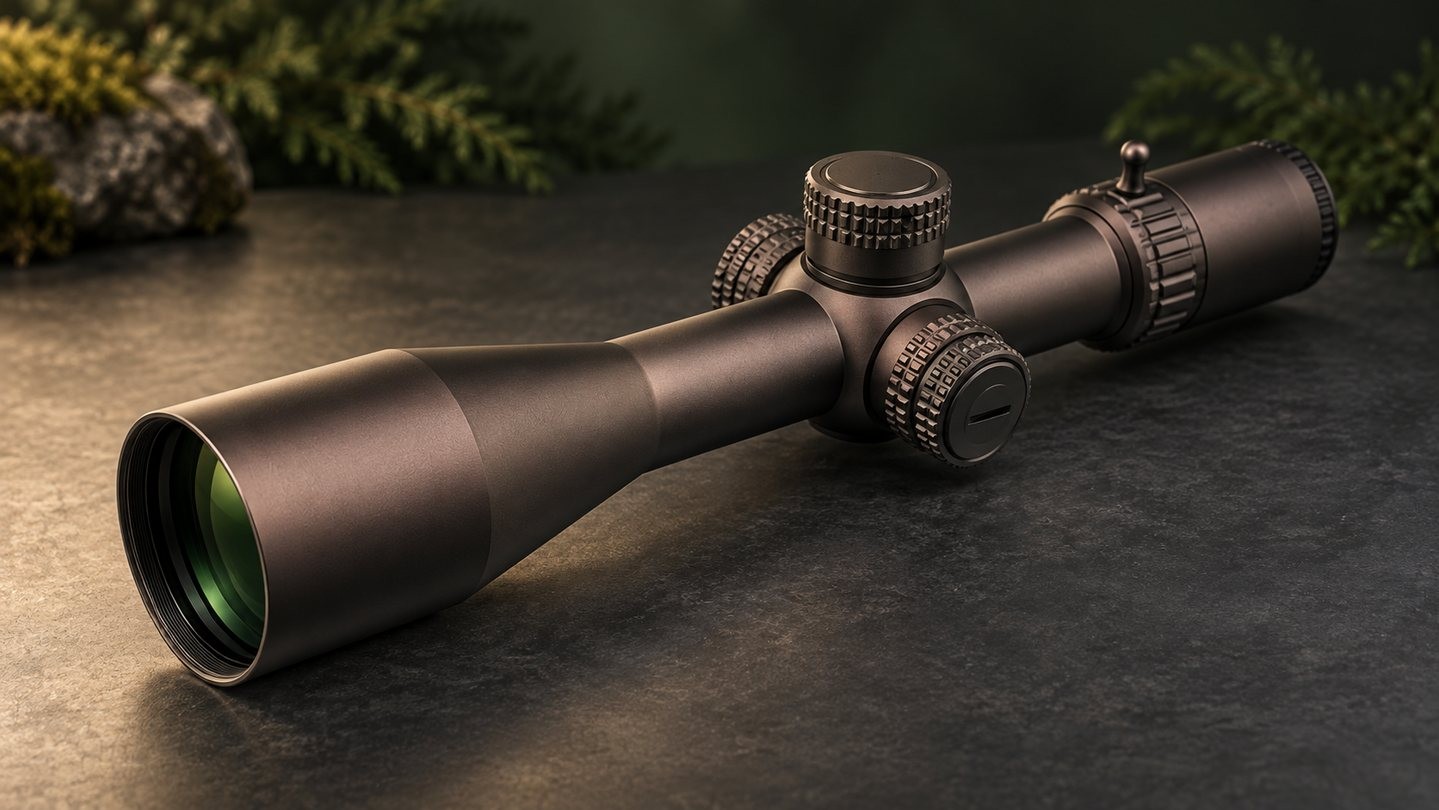
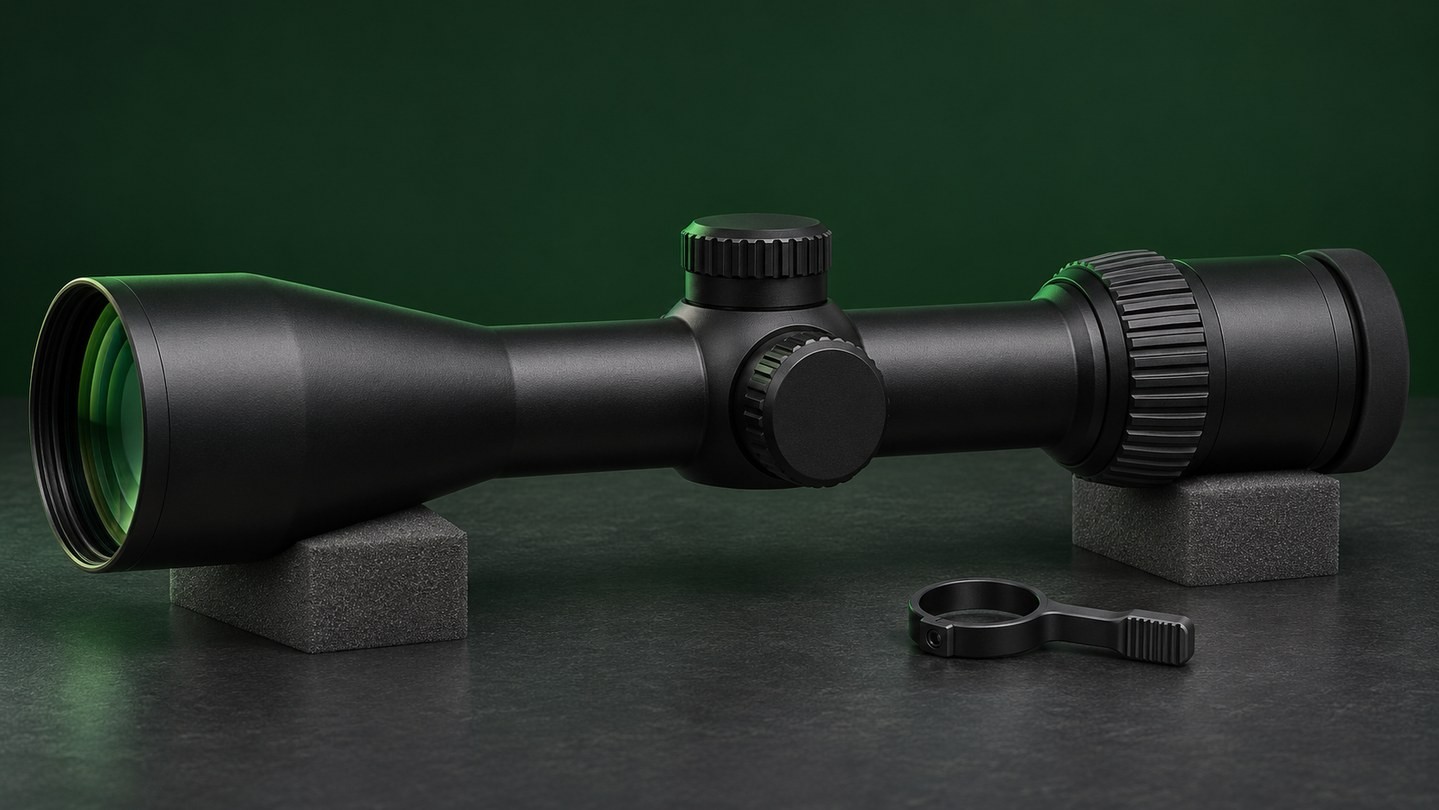
On scopes with side focus or an adjustable objective, the control is used to bring the target image into focus and reduce parallax at the selected distance. It should not be used to compensate for an incorrectly set diopter.
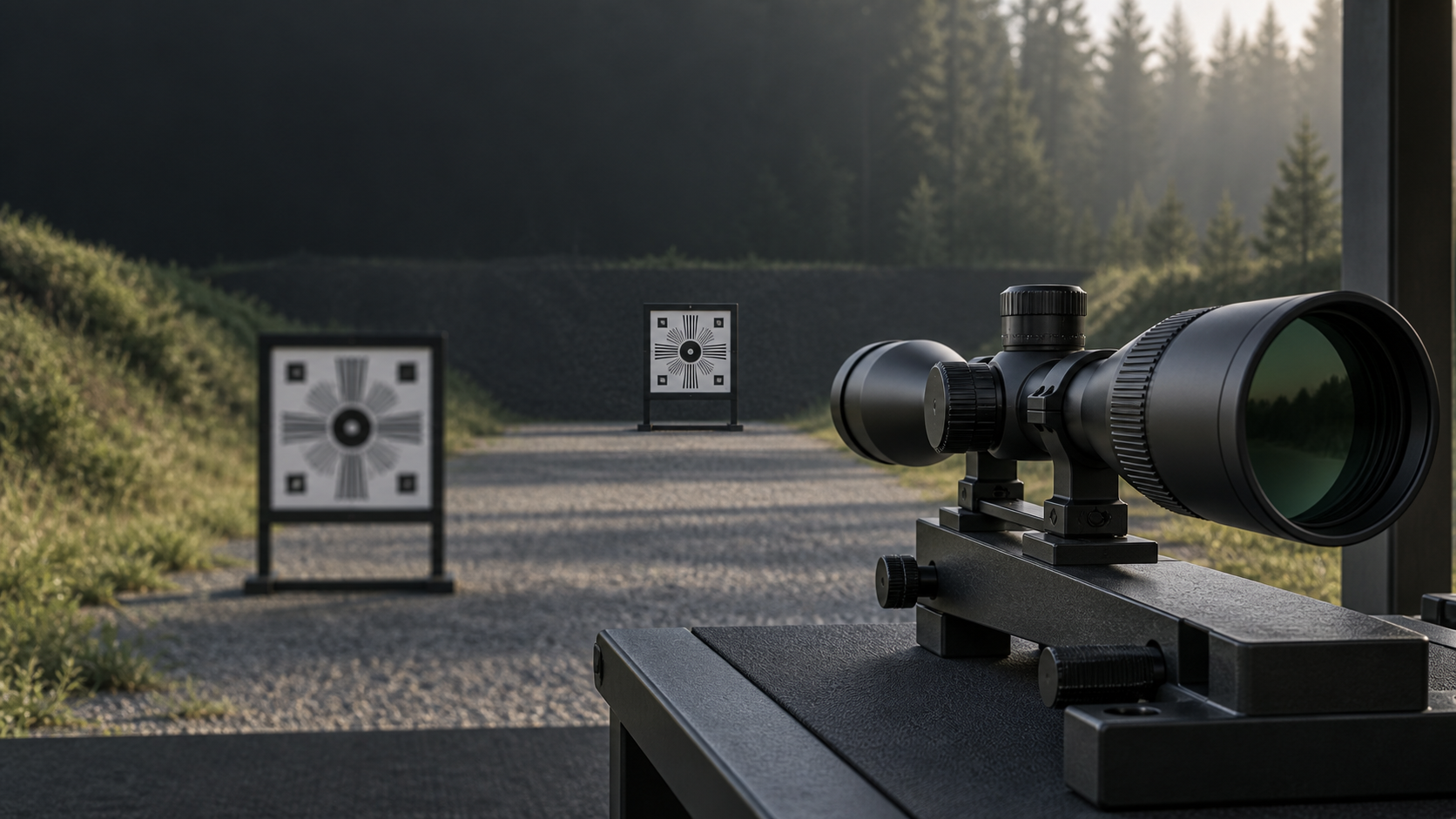
Set the reticle first, then adjust target focus. If the target and reticle seem to move relative to each other when the eye moves slightly, refine the parallax setting. See our fixed vs adjustable parallax guide for the structural difference.
Eyesight and lighting matter
Prescription differences, astigmatism, pupil size, fatigue and dry eyes can change how fine lines or illuminated points appear. Lighting also changes pupil size and perceived contrast. A reticle that looks bold outdoors can feel fine and faint near dusk, while illumination set too high indoors can bloom.
This is not a medical diagnosis. If blur or distortion persists outside the optic, or differs strongly between eyes, an eye-care professional is the appropriate person to assess it.
How to make a fair comparison
- Use the same magnification, distance and lighting.
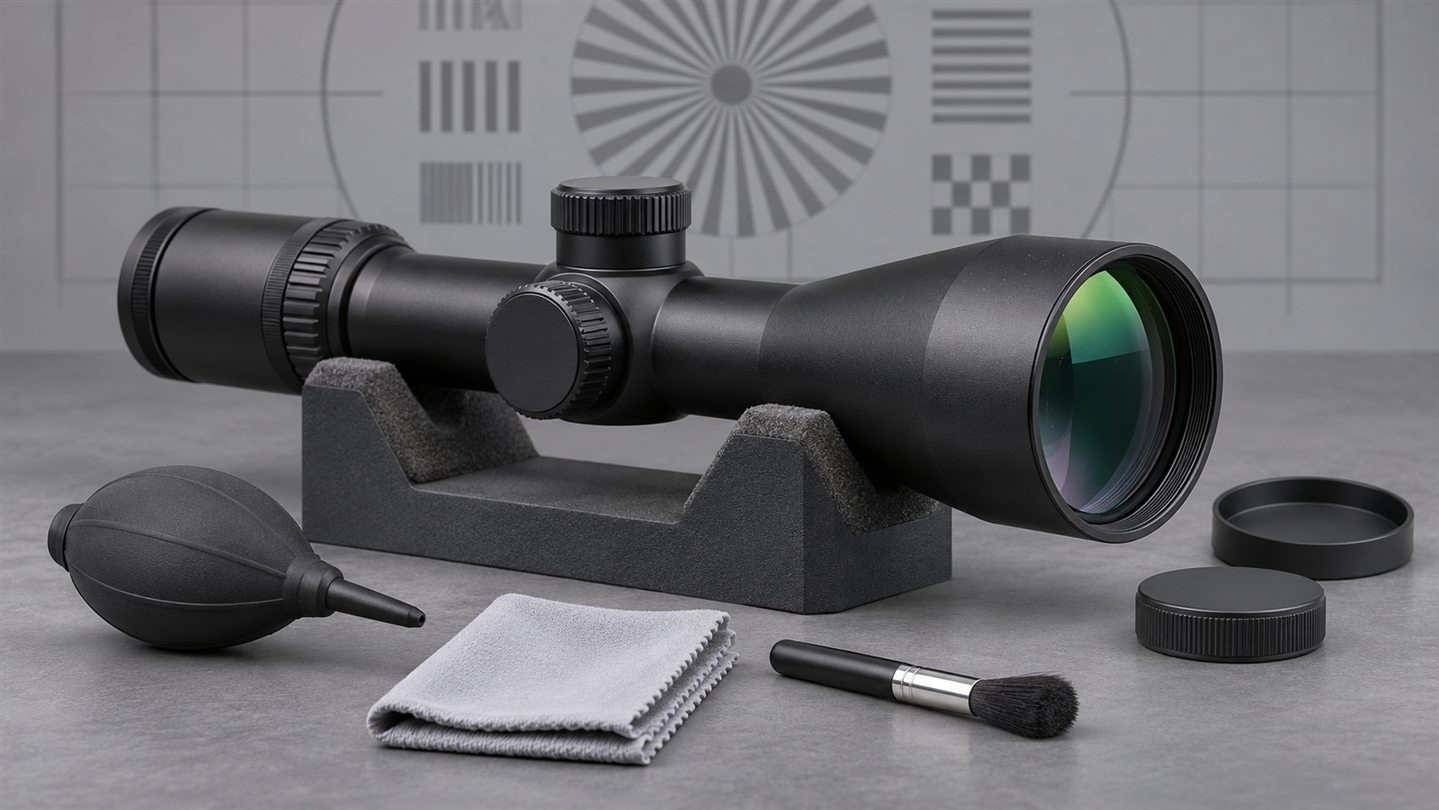
- Clean the external lens surfaces correctly.
- Let each viewer set the diopter independently.
- Confirm a full field of view from a repeatable head position.
- Adjust target focus only after the reticle is sharp.
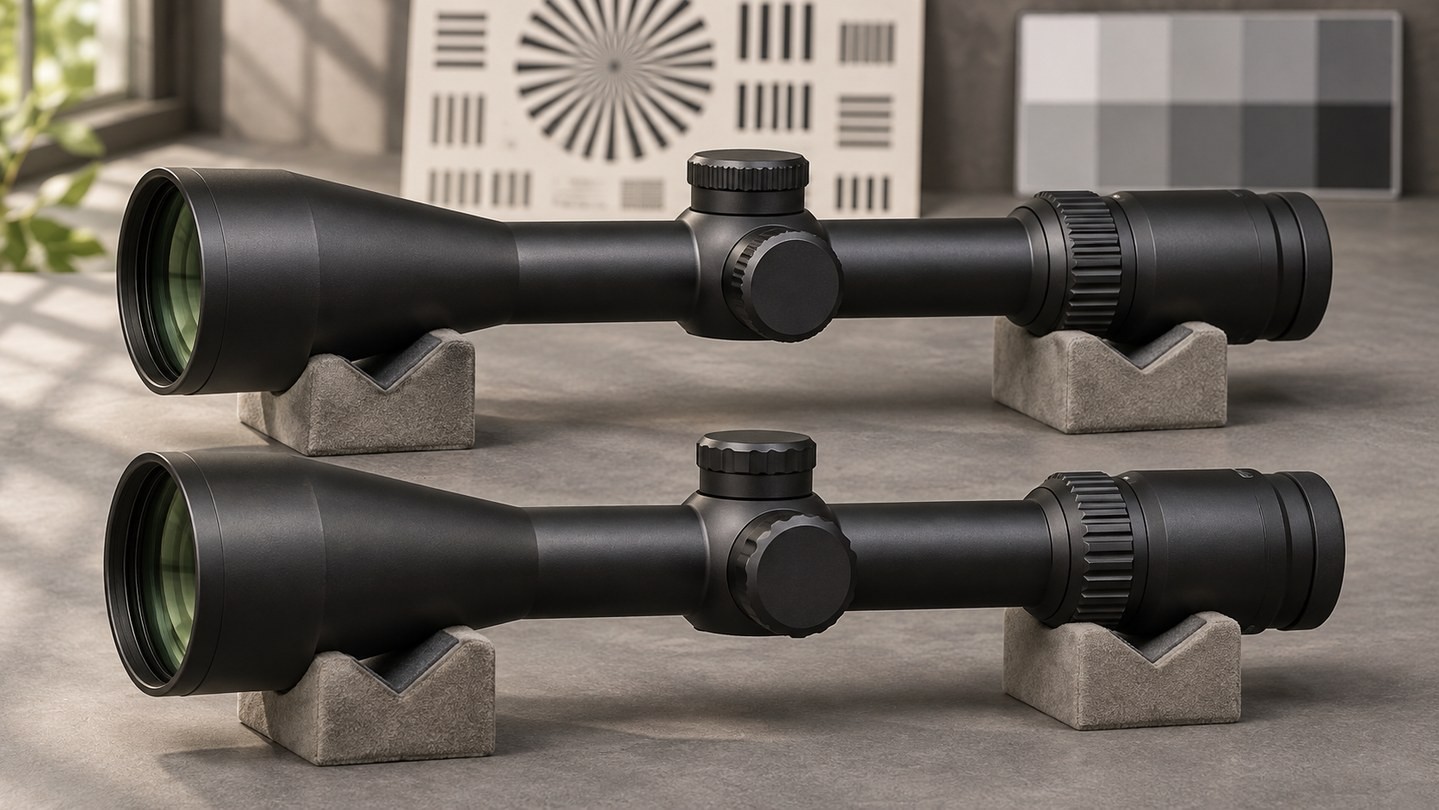
- Compare a second known-good optic if a fault is still suspected.
A scope image is not produced by glass alone. The eye, setup and environment complete the system. Control those variables first, and the comparison becomes much more useful.
For more category-level comparisons, browse Sporting Optics or continue with the USEEIN Buying Guides.


Leave a comment