“Lifetime warranty” sounds reassuring, but it does not tell you whether a second owner is covered, whether electronics have a shorter term, or where you would send the optic for service. A few minutes with the written policy can make two similar products easier to compare. Here is what to check before you buy.
Find the policy for the exact product
Start with the maker's current warranty page and the manual for the model you are considering. A headline on a product card may summarize a broader policy, while an electronic component or accessory can have different coverage. Record the model, policy link and date you checked it. If the product is sold through a dealer in another country, ask which service channel applies to your purchase.
This is especially useful when comparing a conventional optical instrument with an illuminated or electronic one. Leupold, for example, lists a separate five-year limited guarantee for the electronics in certain rangefinders and rangefinding binoculars alongside its broader optics guarantee. The point is to read the product-specific terms, not to assume the shortest or longest period applies to everything.
Check who is covered and what proof is needed
Does the warranty follow the product, or only the original buyer? Must you retain a dated receipt or register the product? These details vary. Leupold says its listed lifetime optics guarantee does not require proof of ownership and can apply beyond the original owner. Aimpoint's published warranty, by contrast, says it is limited to the original owner and requires a copy of the original receipt. Those are examples from the makers' published terms, not rules for every optic or every market.
If you are considering a pre-owned item, confirm the policy before treating a seller's “still under warranty” claim as part of its value. Our used red-dot inspection checklist covers other checks that matter alongside the paperwork.
Read the coverage and exclusions together
Look for the actual covered fault: often a defect in materials or workmanship under stated use. Then read the exclusions immediately below it. Accidental damage, misuse, modifications, disassembly, cosmetic wear and unauthorized repairs may be treated differently. A long duration cannot help with a problem the policy excludes.
Also check whether a claim concerns the complete instrument or a particular part. If a sight has electronics, do not infer that its battery, illumination circuit and optical housing all share one term. If it has been dropped or shows internal moisture, document the symptom and follow the maker's service process rather than opening the housing yourself. Our waterproof and fogproof claims guide explains why a protection label is not a universal promise about every failure.
Calculate the practical cost of a claim
Find out whom you contact first, whether the maker requires an authorization number, and where the item must go. Ask who pays shipping in each direction, whether international service is available, and how an import or cross-border return is handled. Keep these questions separate from the warranty's headline duration: a generous repair promise can still involve time and shipping expense.
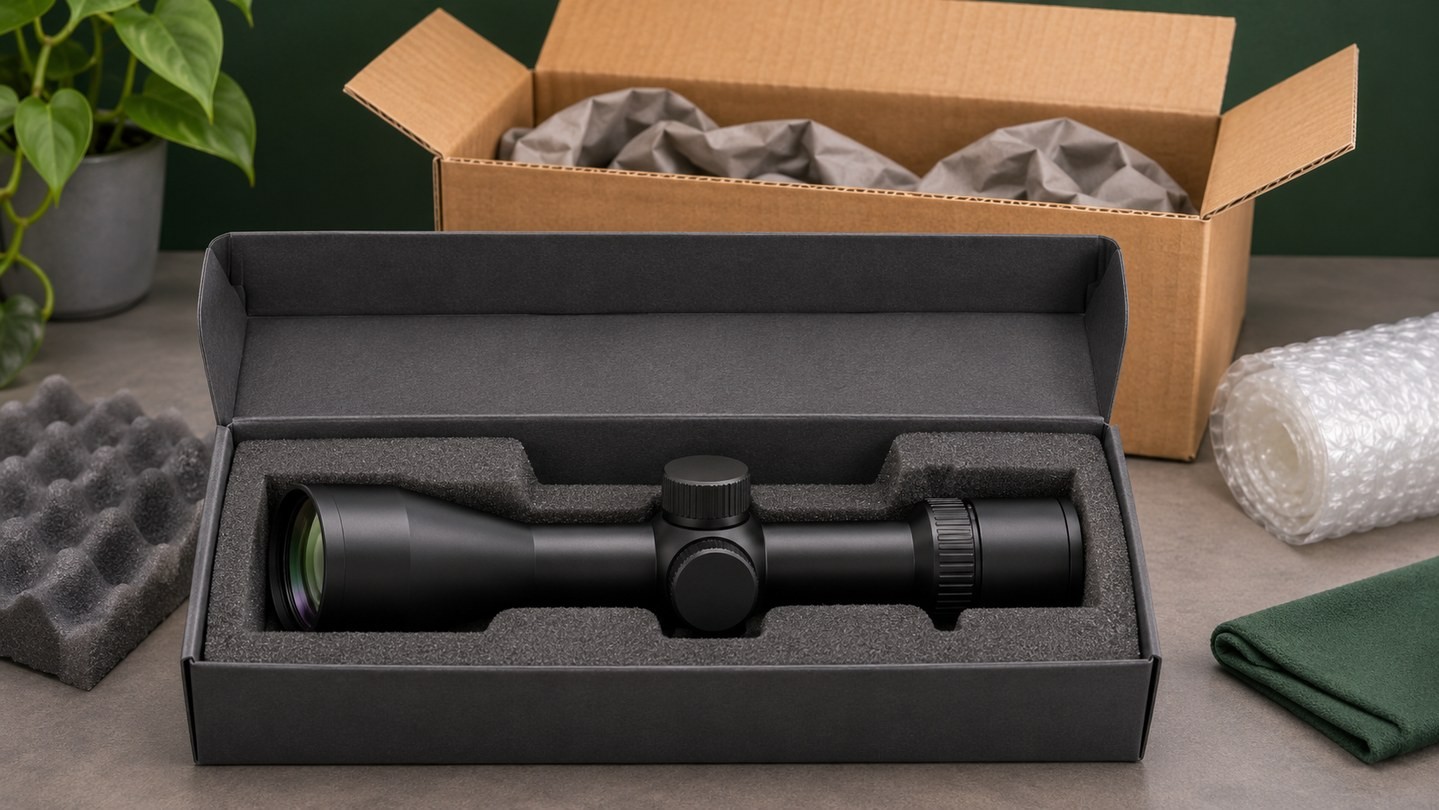
Do not mail an optic before receiving the service instructions. Photograph its condition, record its serial number if present, and retain the tracking number. If service is required, our optic packing guide helps you protect it in transit.
Make a short comparison before checkout
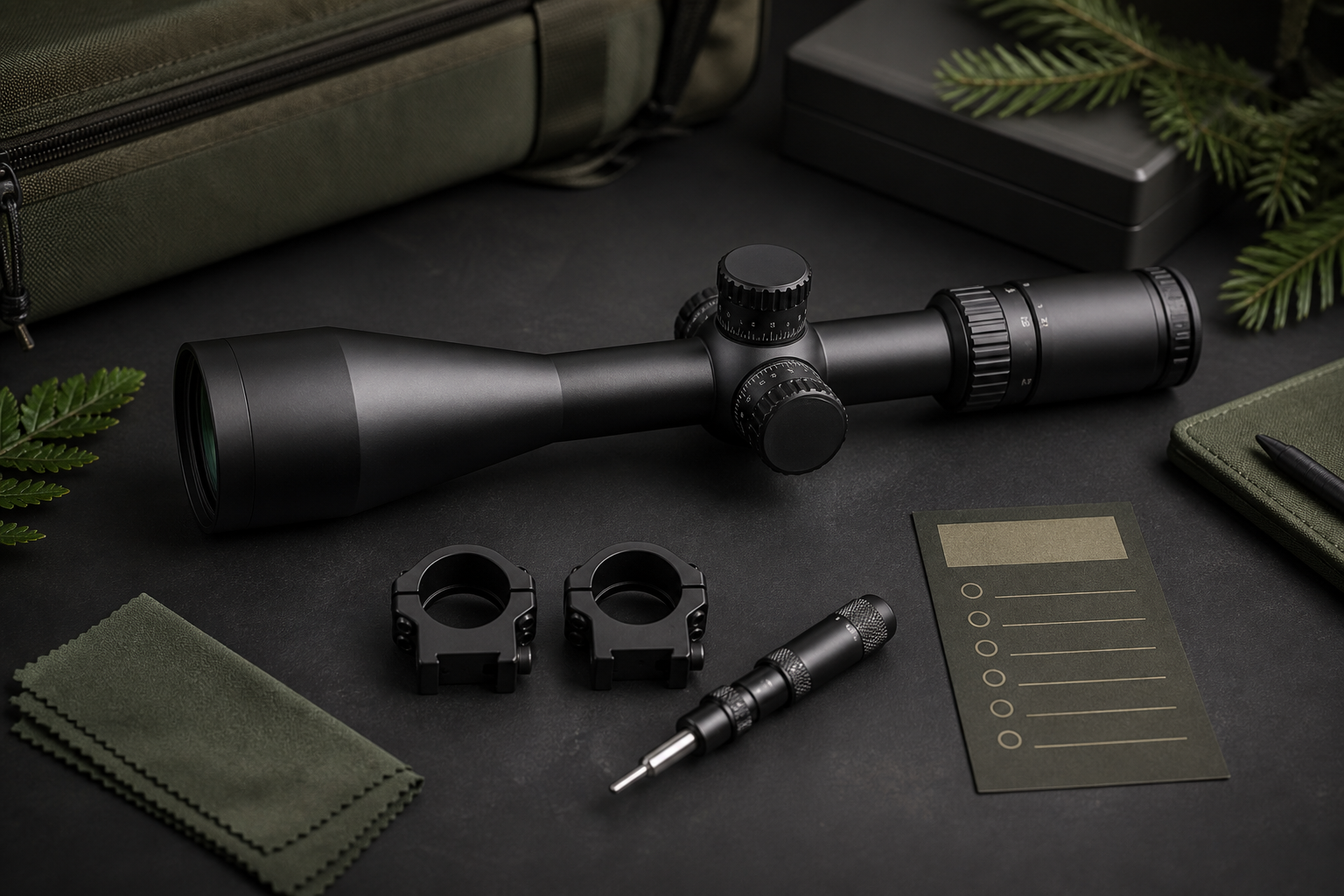
For each candidate, write down six answers: exact covered product and parts; coverage period; eligible owner; required proof; exclusions; and service route with likely shipping costs. If one answer is missing, ask the seller or manufacturer for the current written terms before paying. Save the policy page and purchase record with the model and serial number.
A warranty is useful when you can identify the covered fault and reach the right service desk. Compare those practical terms alongside optical performance and price. The written policy for your exact product and purchase location is the document to rely on.




Leave a comment