A red-dot sight normally gives you a clear view through its window. So it can be surprising to see a manufacturer supply a solid front cover—and state that the sight can still be used with that cover closed. The explanation is not that the covered lens becomes transparent. It is that your two eyes can contribute different parts of the combined view.
This effect is real on documented configurations, but it needs careful wording. It depends on keeping both eyes open, seeing the illuminated dot through the rear of the sight, and letting the other eye view the scene. It is useful as an emergency or special-condition capability, not a substitute for a clear optical path, a normal inspection, or a properly verified zero.
The Short Answer: The Dot Can Remain Visible
On a compatible red-dot sight, closing a solid front cover blocks the scene seen through the optic, but it does not necessarily block the LED-generated dot from reaching the viewing eye. If the rear remains open or uses a transparent cover, that eye can still see the illuminated aiming point against a dark background.
Meanwhile, the other eye sees the scene normally. With both eyes open, the visual system can combine the dot from one eye with the unobstructed scene from the other. Aimpoint explicitly documents this capability for selected Micro T-2 configurations that use a solid front cover and a transparent rear cover.
Why Both Eyes Matter
The covered-front technique is a form of binocular viewing. One eye receives the dot and the dark interior of the sight; the other receives the scene and peripheral information. The apparent result can look as if the dot is floating over the scene even though the front window is covered.
Close the unobstructed eye and the effect changes immediately: you may still see the dot, but the scene disappears behind the solid cover. Close the eye behind the optic and you see the scene but no dot. The combined view therefore depends on both eyes contributing at the same time. This is also why red dots are commonly designed for a both-eyes-open view in normal use.
The Front and Rear Covers Do Different Jobs
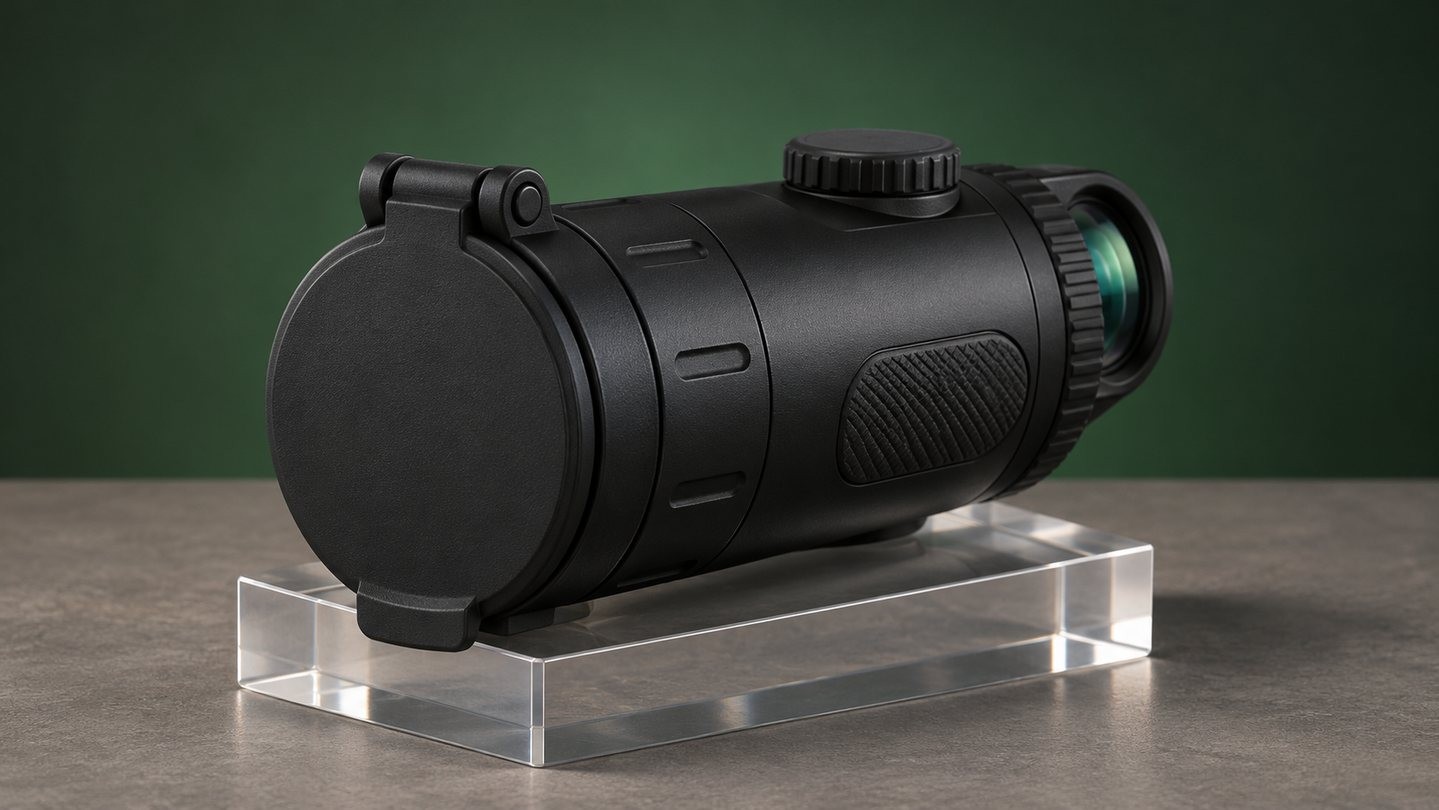
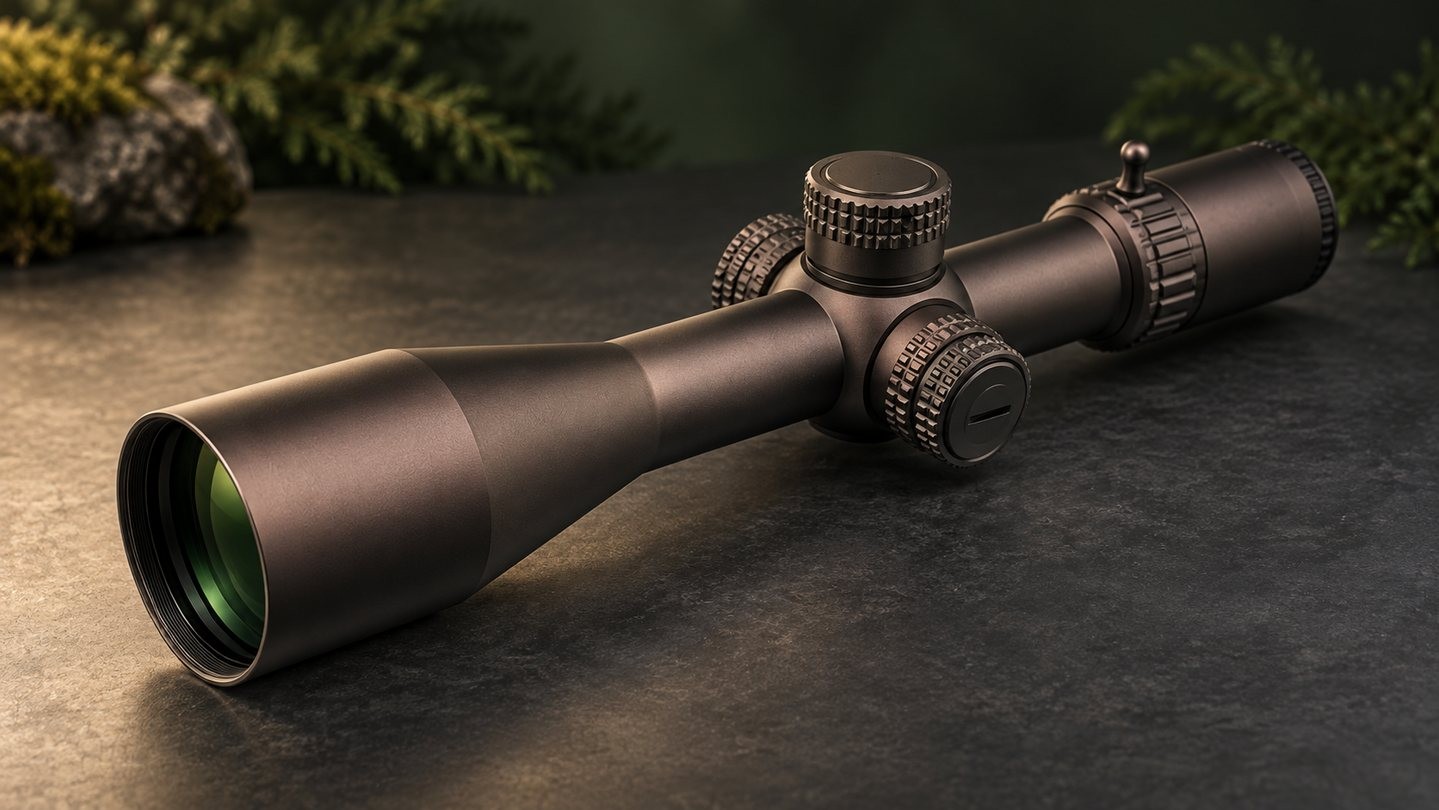
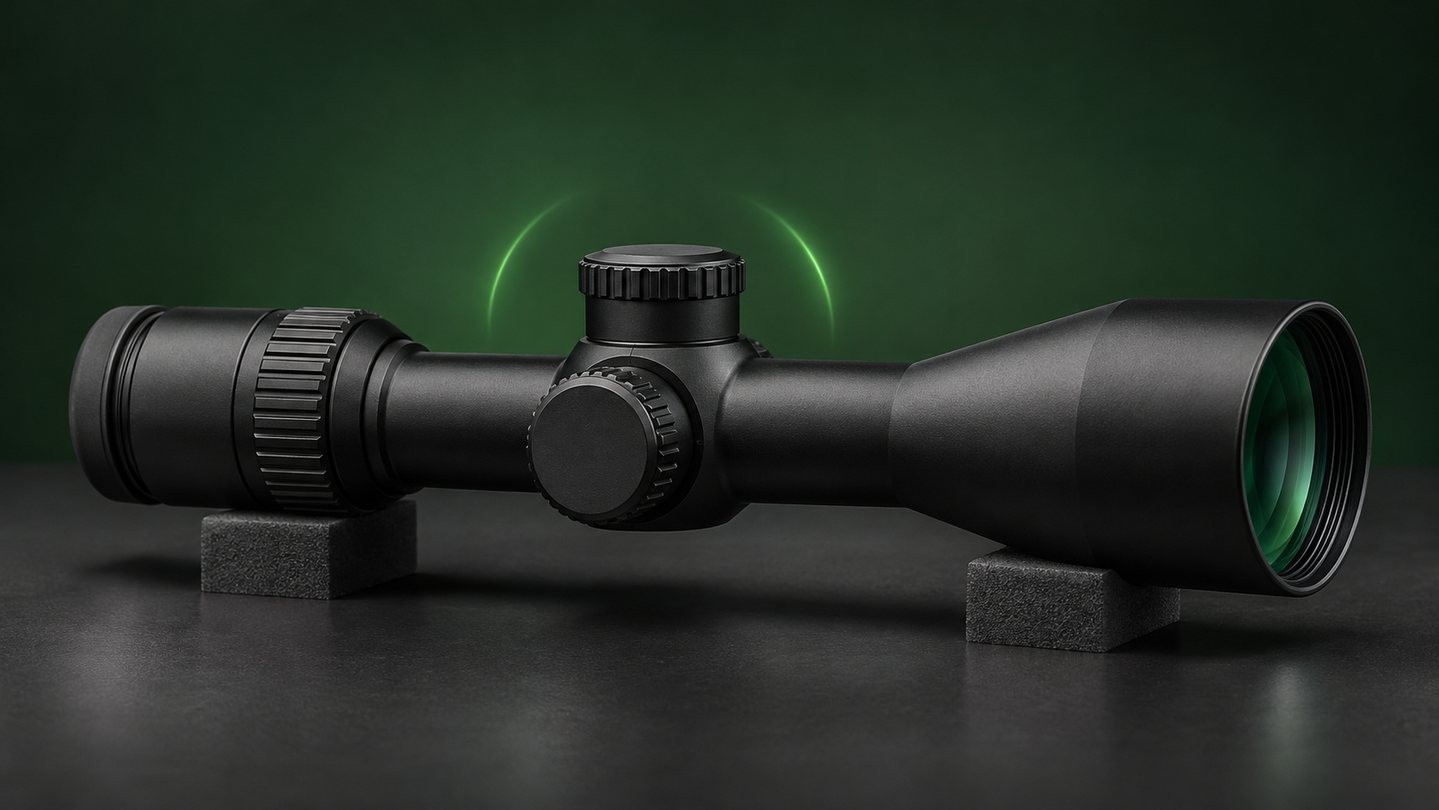
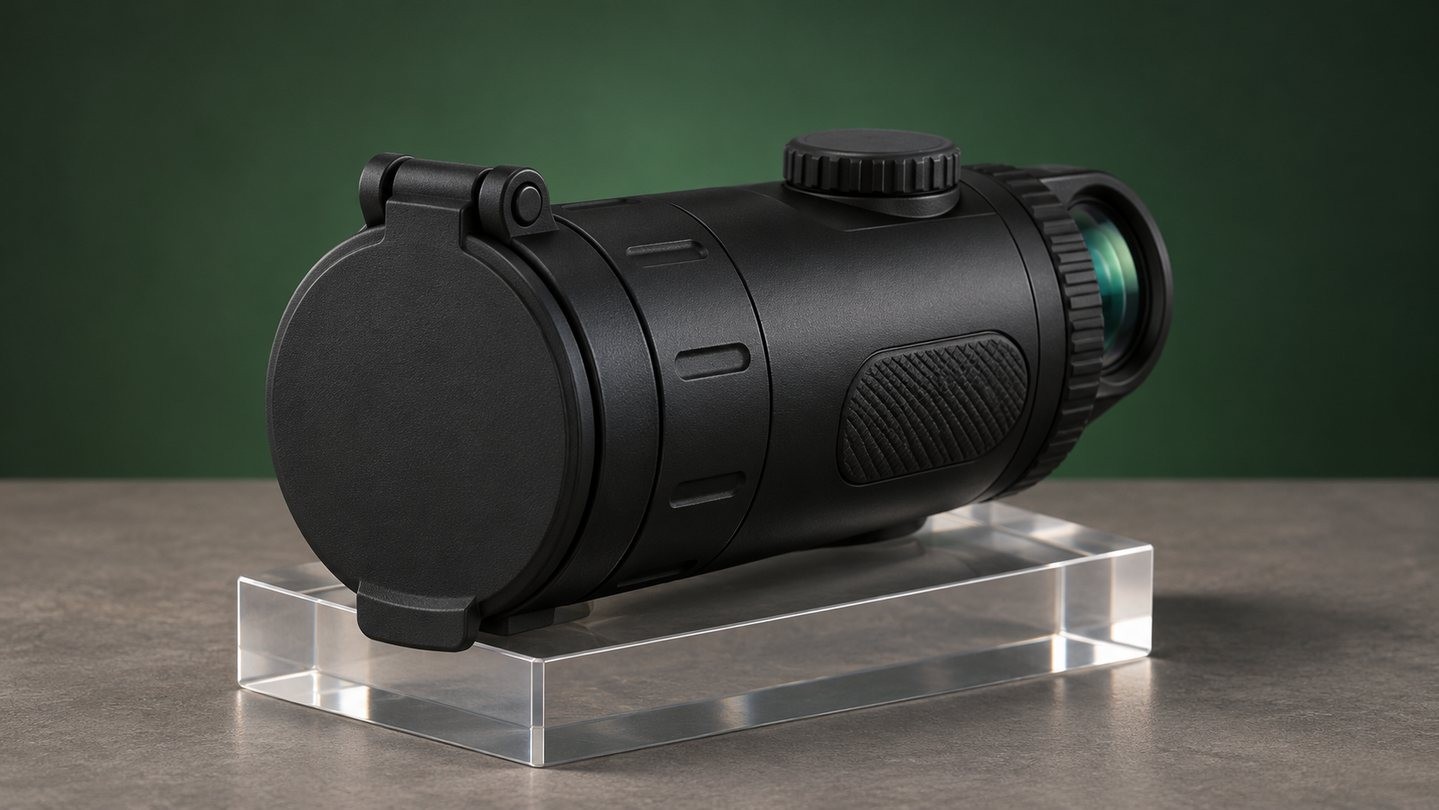
A solid front cover and a transparent rear cover are not interchangeable. The solid front cover can protect the front glass and create the occluded view. The transparent rear cover lets the dot and the interior optical path remain visible to the eye behind the sight.
If both covers are opaque, the dot cannot reach the user in the normal way. If the rear cover is dirty, badly scratched or fogged, the dot may be difficult to see even though the front-cover concept is valid. Always check what the exact model includes. A generic pair of solid caps does not create the same documented arrangement.
It Does Not Turn Every Red Dot Into the Same System
Do not assume that every open or enclosed red dot supports this use. Housing shape, window arrangement, emitter position, supplied covers and manufacturer instructions vary. Some sights have no front cover. Some use two transparent covers, two solid caps, a rubber bikini cover or a single protective hood.
The distinction between the optical architecture and the housing is covered in our guide to red dots versus holographic sights. The closed-cover behavior described here is a documented product configuration, not a definition of either technology.
Eye Dominance Can Change How Natural It Feels
People do not all combine the two images equally. A strongly dominant eye, cross-eye dominance, unequal vision, fatigue or an unfamiliar head position can make the dot appear displaced, unstable or difficult to merge with the scene. That does not automatically mean the sight has moved or failed.
Test the effect in a controlled, low-pressure setting before relying on it. Keep both eyes open, use a comfortable head position and compare the result with the cover open. If the combined image causes confusion, double vision or discomfort, use the normal clear-window view instead. The optic should fit the user; the user should not force a visual technique that does not feel stable.
Brightness Still Has to Match the Scene
With the front cover closed, the eye behind the sight sees a dark background around the dot while the other eye sees the brighter environment. A brightness setting that looked reasonable through an open window may appear too intense, too dim or bloomed when the two images are combined.
Adjust only within the manufacturer’s normal control range and choose the lowest setting that remains easy to identify. Do not treat maximum brightness as proof that the method works better. Our comparison of manual and automatic red-dot brightness explains why control logic and ambient-light sensing need to be evaluated by model.
This Is Not a Zeroing Method
A closed front cover can demonstrate that the user sees a combined dot-and-scene image. It does not prove the sight is correctly mounted, correctly zeroed or free from parallax-related error. Zeroing and accuracy checks should follow the sight manufacturer’s normal instructions with the optical path clear unless the manual explicitly states otherwise.
Keep the dot near the center of the window for controlled evaluation. The article on red-dot parallax claims explains why “parallax free” should not be read as perfect independence from eye position at every distance.
A Clear Window Remains the Normal View
An open, clean front window lets the eye behind the sight see both the dot and the scene directly. That normally gives a more natural single-eye optical picture and makes it easier to inspect the lens, evaluate reflections and recognize contamination. The other eye can still stay open for peripheral awareness.
Use the covered-front capability as the manufacturer describes it—typically as an emergency or special-condition option—not as a reason to leave a damaged or obstructed lens unexamined. If the cover will open safely, the window is intact and conditions are normal, a clear view remains the sensible default.
Do Not Confuse a Closed Cover With a Blocked Emitter
A solid front cover blocks the outside scene, but the dot can remain visible because the emitter and rear viewing path are still functioning. Debris in an open-emitter cavity is different. Mud, lint, water or another obstruction between the emitter and the reflective window can interrupt the dot itself.
If the dot disappears unexpectedly, check the battery, controls, rear viewing path and accessible emitter area according to the manual. Do not push tools into the cavity or flood it with cleaner. Our guide to cleaning a red-dot sight safely separates the coated window from the more delicate emitter area.
Open and Enclosed Designs Still Have Different Exposure
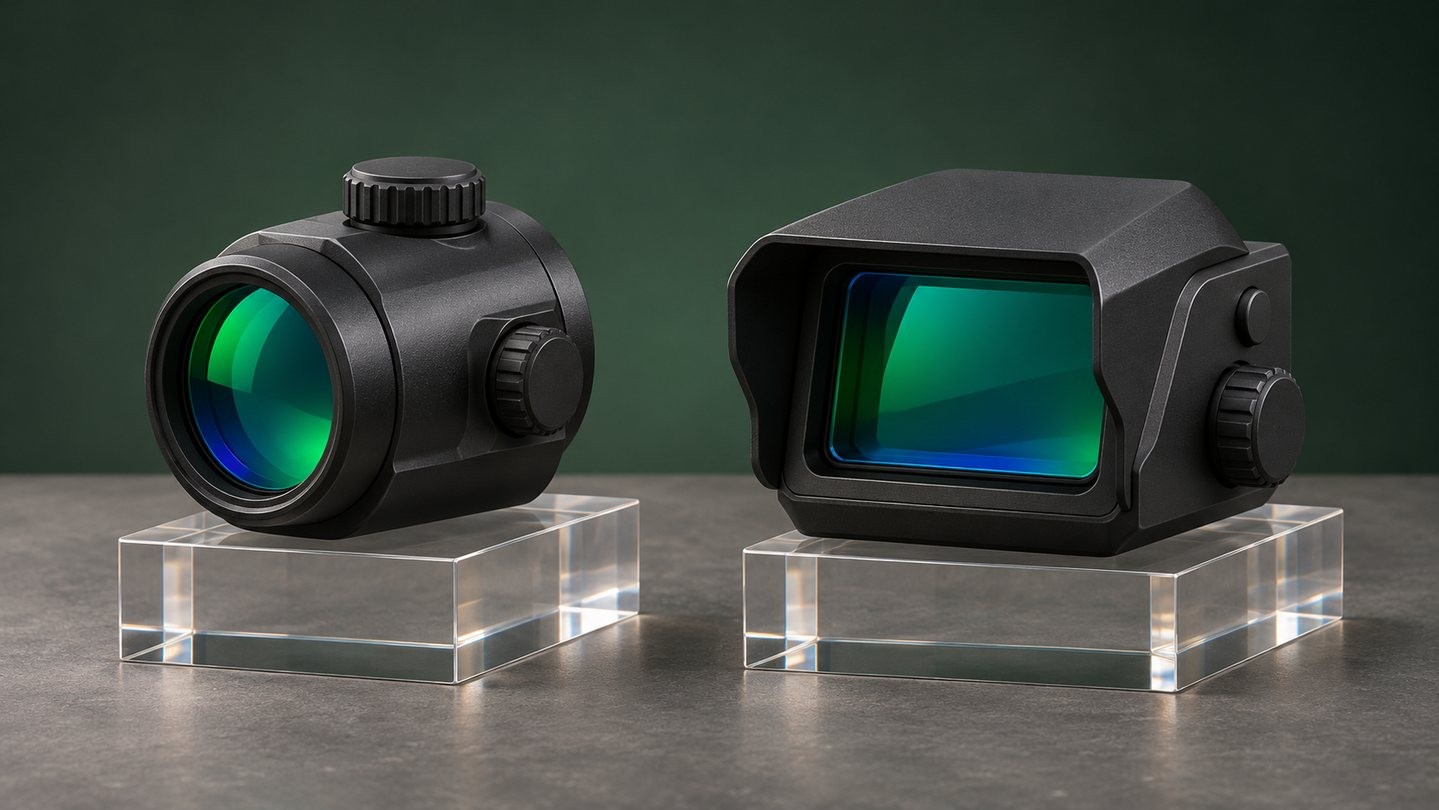
An enclosed red dot seals the emitter inside a housing with front and rear windows. An open-emitter sight leaves part of that optical path exposed. A front cover may protect a window, but it does not change the underlying construction or make an open emitter enclosed.
Rain, dust, snow and debris therefore remain model-level considerations. The broader open versus enclosed red-dot comparison explains how exposure, size, weight and window protection differ without declaring one format universally better.
Use a Simple Model-Specific Check
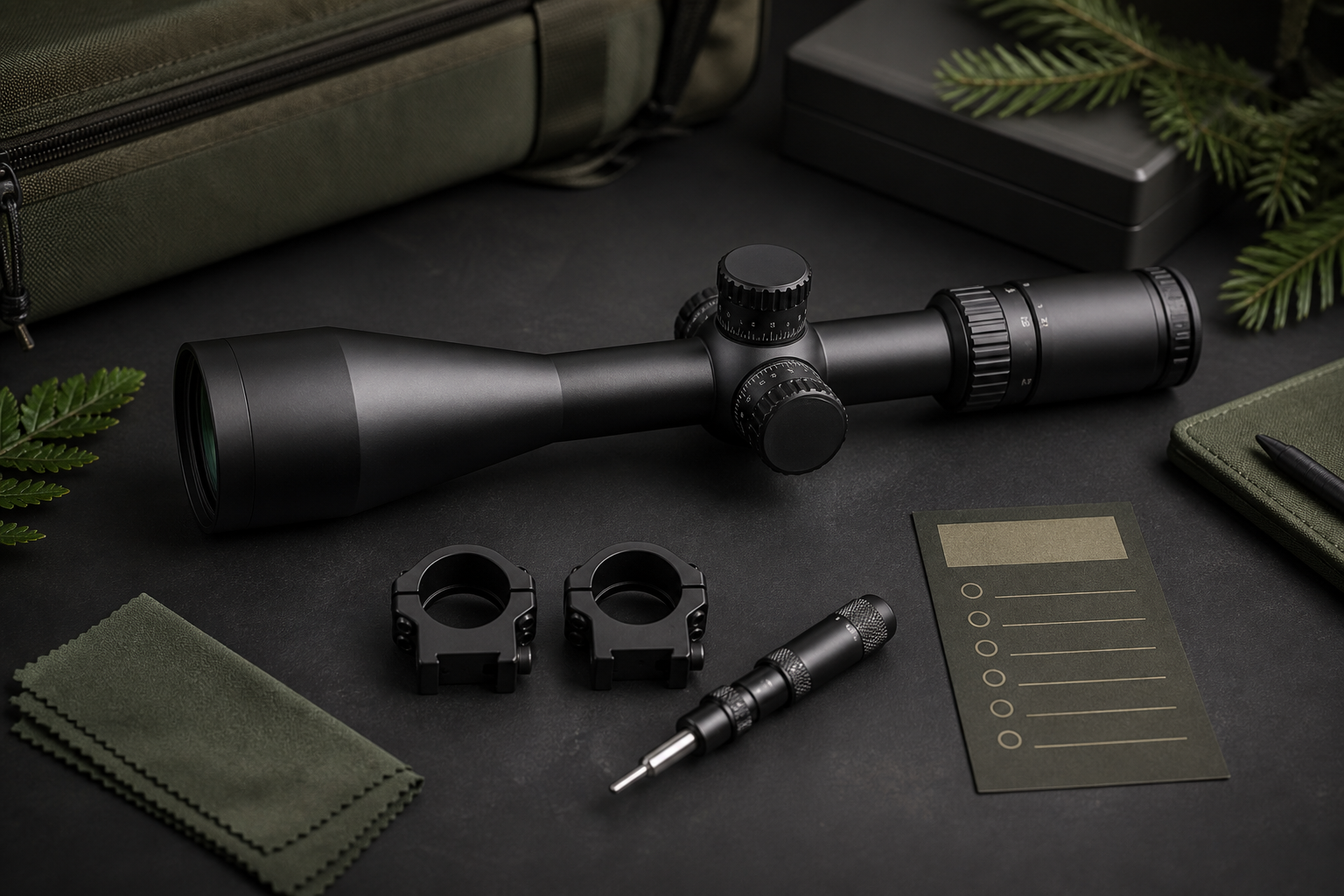
Before trying a closed-front view, confirm five points:
- the manufacturer documents the capability for the exact sight or cover arrangement;
- the front cover is intended to be solid and the rear cover remains transparent or open;
- both eyes can stay open comfortably;
- the dot remains visible at an appropriate brightness without severe bloom;
- normal mounting, zero and inspection procedures have already been completed separately.
Then compare the cover-open and cover-closed views in a controlled setting. If the dot vanishes, the combined image feels unstable or the sight shows damage, contamination or an electrical fault, return to the standard view and troubleshoot the actual condition.
A red dot can work with a solid front cover closed when the sight and cover arrangement are designed for it and the user keeps both eyes open. The viewing eye supplies the dot; the other eye supplies the scene. That is a useful capability, but it remains model specific—and it never replaces a clear lens, a verified setup or the manufacturer’s instructions.


Leave a comment