When an optic shifts, the immediate reaction is often to tighten every screw harder. That can hide the real cause and create a new problem. Fasteners loosen because the joint changes under load, not because every screw needs the maximum force available.
Common causes
Mounting surfaces may settle after initial use. Oil, debris or damaged threads can reduce consistent clamping. A screw that is too long may bottom out before it clamps the parts. Repeated vibration can then reveal the weak joint.
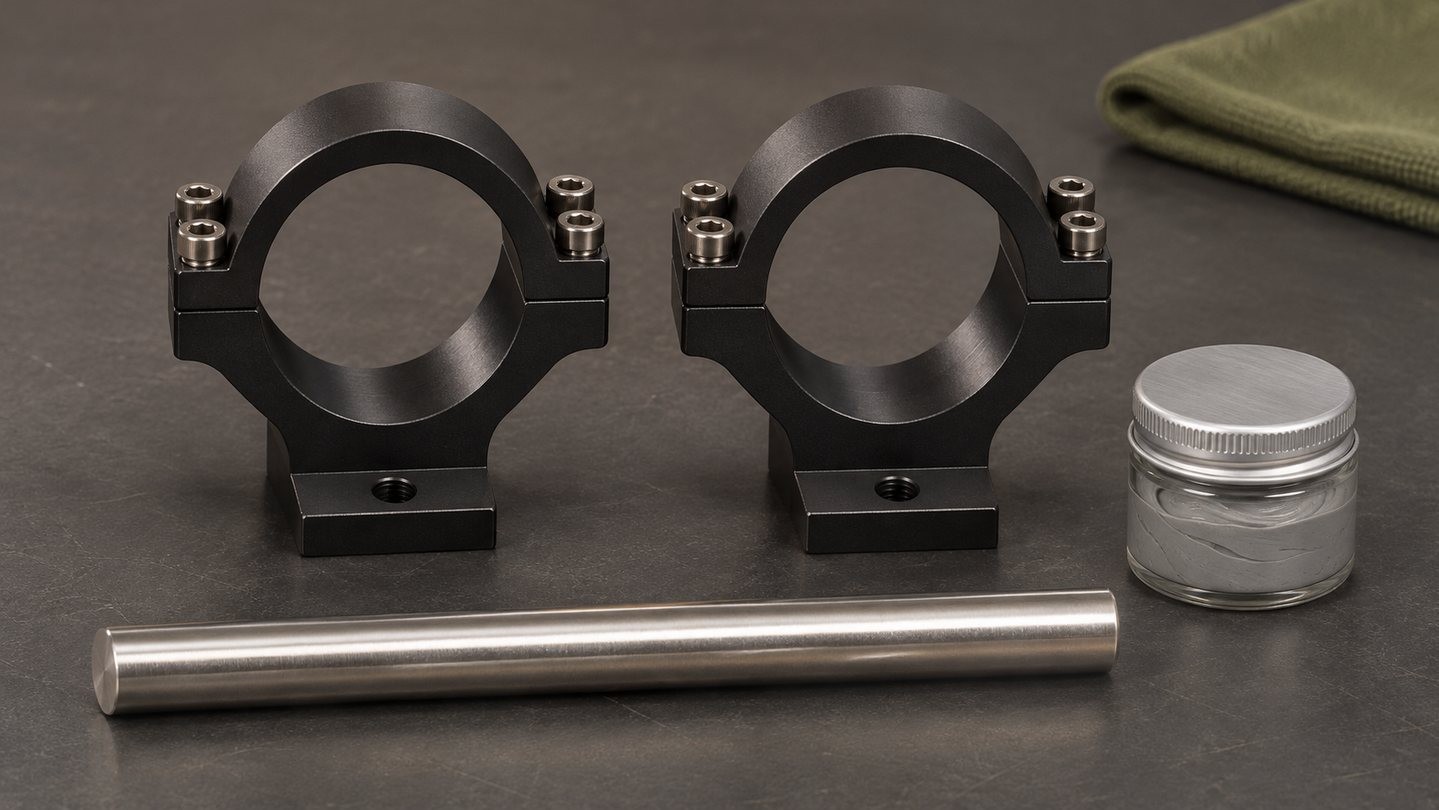
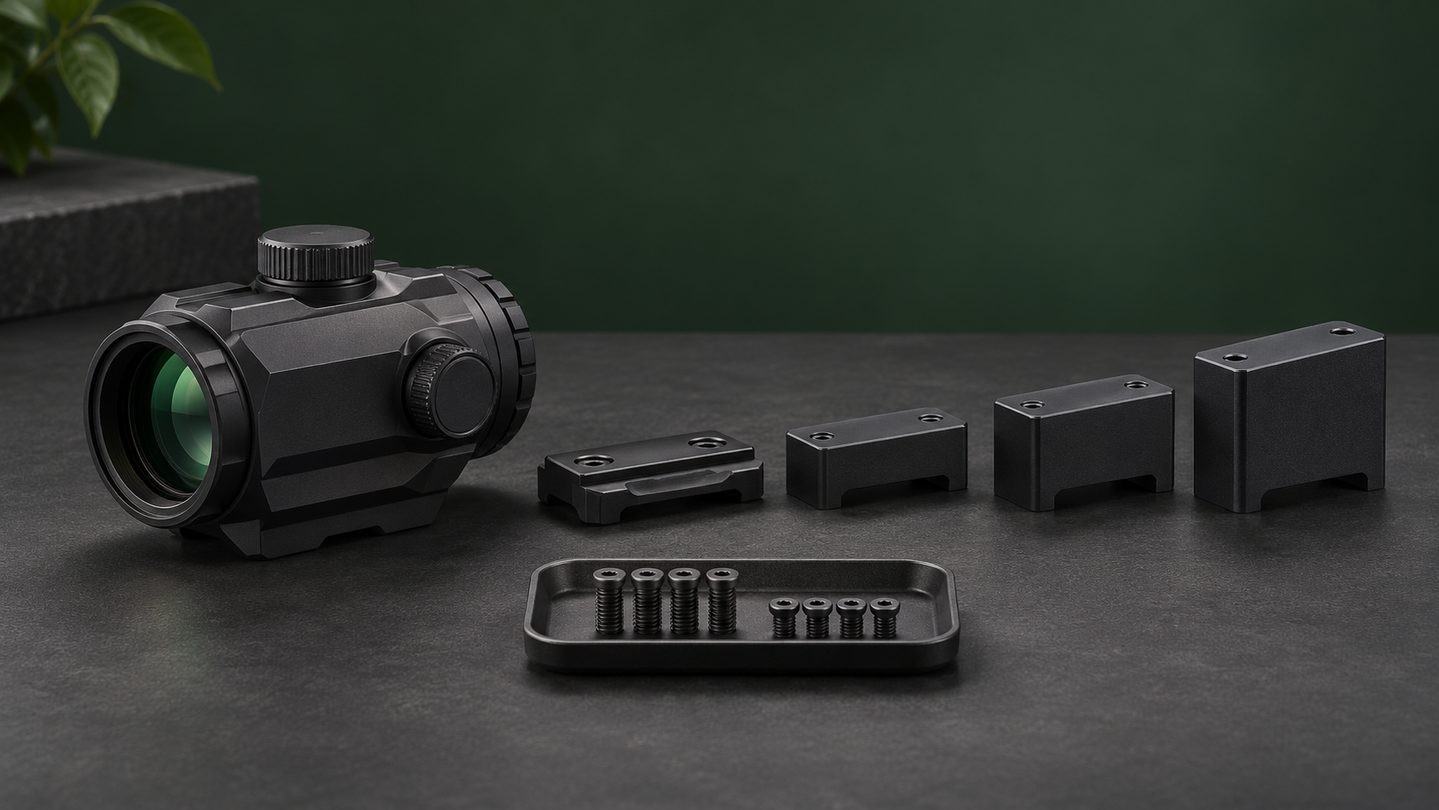
Mismatched hardware is another risk. The correct diameter does not guarantee the correct thread pitch, head shape or length. Use the fasteners supplied or specified for the exact sight, plate and mount.
Torque is product-specific
There is no single safe value for all optic screws. Small plate screws, ring-cap screws and rail clamps use different hardware and materials. Find the current manufacturer instruction and use a suitable calibrated driver when a value is specified.
Excess torque can strip threads, deform a plate or damage an optic. It is not a substitute for correct seating.
Threadlocker is not universal
Some manufacturers specify a particular removable threadlocker; others supply pre-applied locking compound or advise against adding more. Extra liquid can change torque behaviour or migrate where it is not wanted. Follow the exact instruction instead of applying a generic habit.
Use a repeatable installation process
- Verify every component and fastener.
- Inspect threads and clean surfaces as the manufacturer directs.
- Seat the mount fully without forcing it.
- Tighten in the stated sequence and stages.
- Apply only the specified torque and thread treatment.
- Add a small witness mark only if appropriate and permitted.
- Reinspect after initial use and at sensible intervals.
If a screw keeps loosening
Stop repeating the same tightening cycle. Check for bottoming, damaged threads, an uneven plate, missing recoil lugs or movement at another joint. Contact the manufacturer when the correct hardware and process still do not hold.
A secure optic mount comes from a correct joint: compatible parts, full contact, specified fasteners and controlled torque. More force is not the same as more reliability.
For more category-level comparisons, browse Sporting Optics or continue with the USEEIN Buying Guides.


Leave a comment