When people compare red dot sights, features usually come first: window size, dot size, battery access and enclosed or open construction. Compatibility should come before all of them. If the mounting interface is wrong, the rest of the specification sheet cannot solve the problem.
What a footprint includes
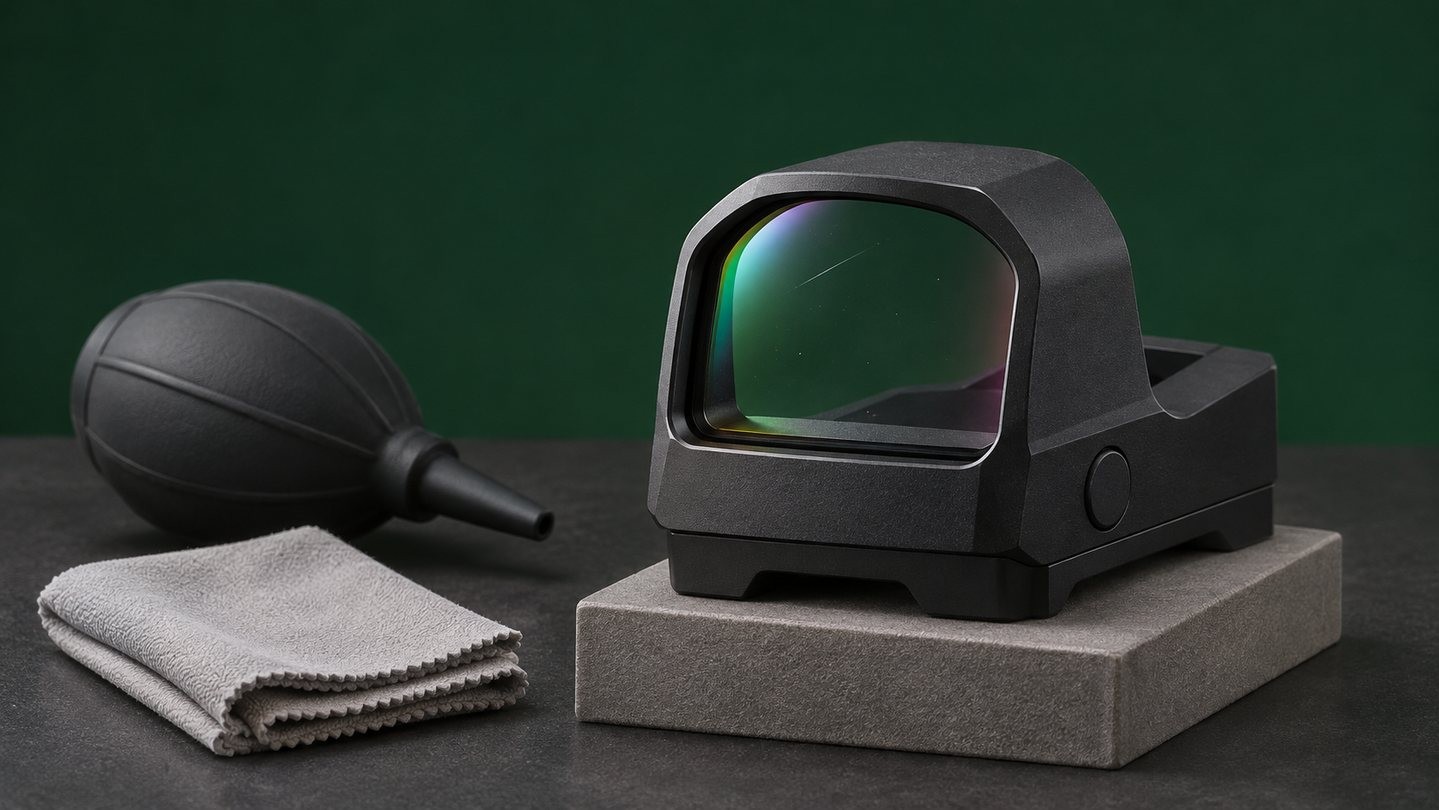
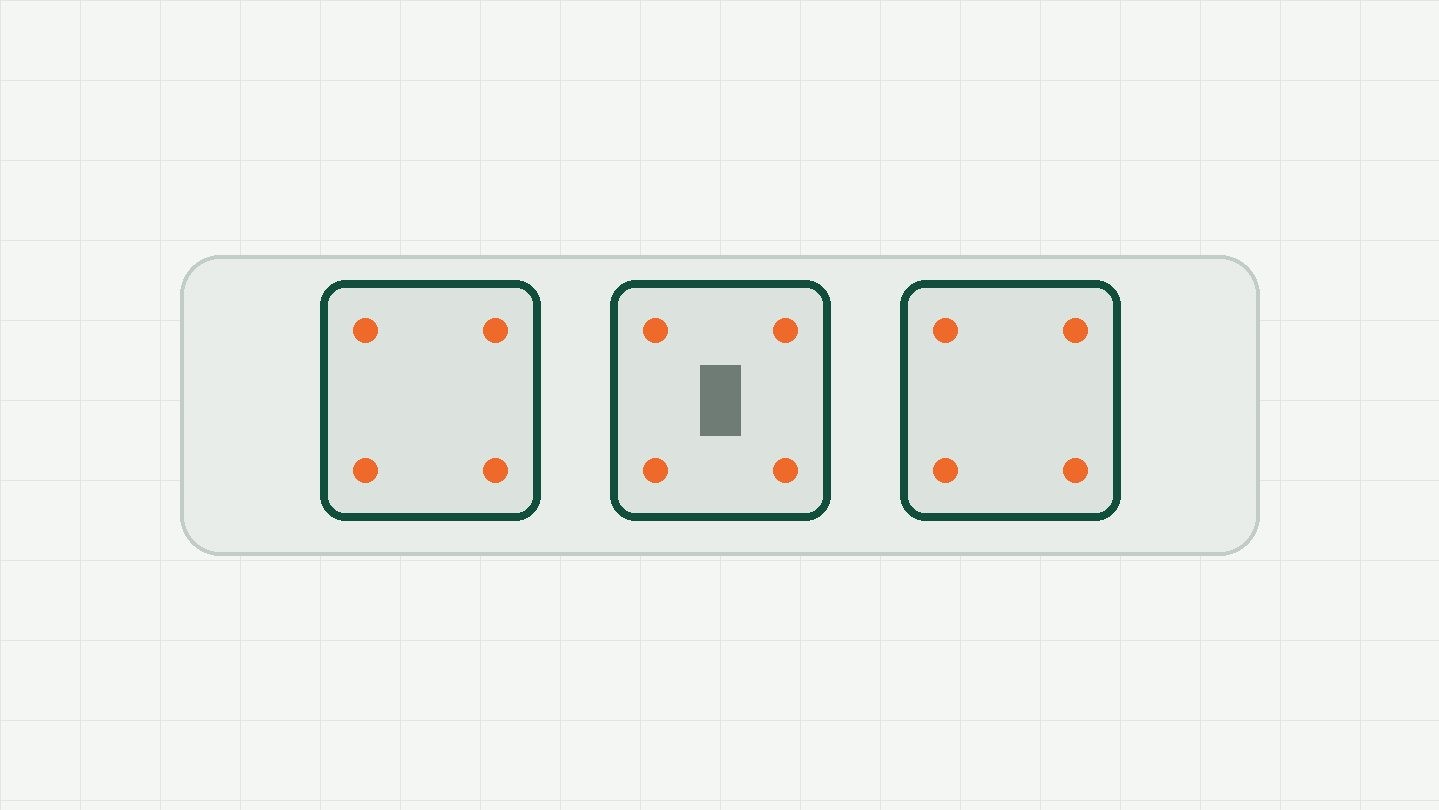
A footprint is the physical interface between the sight and its mounting surface. It can include screw-hole locations, recoil bosses or sockets, the shape and dimensions of the contact area and the required fasteners. Two sights can look nearly identical from above while using different interfaces underneath.
Names such as RMR, RMSc, K or DPP are useful families, not permission to assume every part is interchangeable. Manufacturers sometimes use modified versions, adapter plates or direct-mount cuts.
Matching screw holes is not enough
The screws may line up while recoil lugs do not. A plate may accept the sight but sit too high for the intended sight picture. A screw can have the correct thread yet be too long, bottom out or interfere with an internal part. Contact surfaces must sit fully and evenly before tightening.
Adapter plates solve one problem and add variables
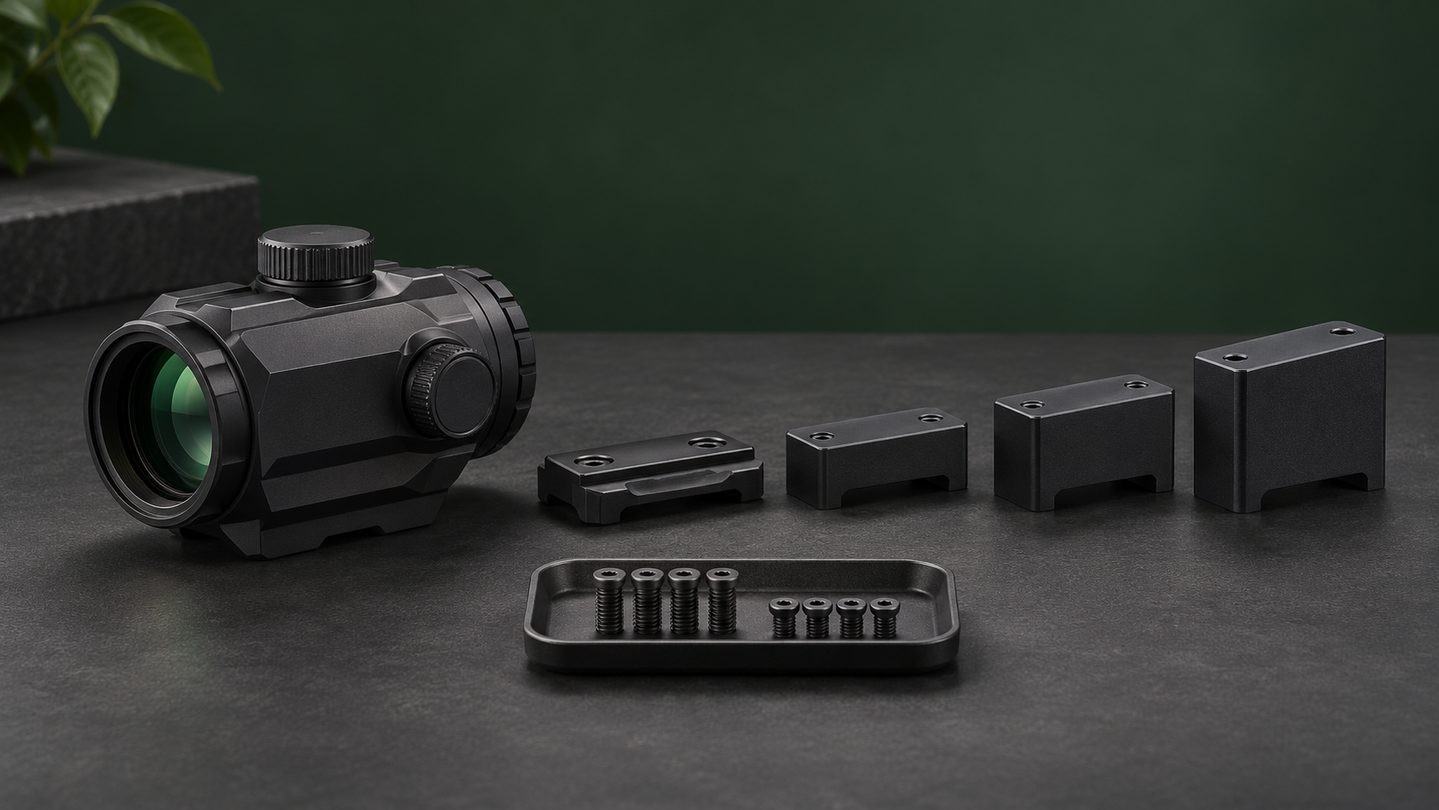
An adapter can connect two interfaces and expand compatibility. It also adds height, hardware and another joint. That is not automatically undesirable, but it should be included in the complete system comparison.
Check whether the plate is supplied, optional or third-party; whether it requires a separate sealing plate; and which screws belong above and below it. Do not mix fasteners merely because they seem to fit.
Read the exact model documentation
Within one product line, sizes or generations may use different footprints. An official product page or manual for the exact model is the best starting point. Holosun, for example, identifies specific footprint families in its documentation and may state when an adapter plate is included. That kind of model-level detail is more useful than a reseller’s generic compatibility list.
Compatibility checklist
- Identify the exact sight model and generation.
- Identify the exact cut, base or mount—not only the platform name.
- Confirm footprint, recoil-lug pattern and contact dimensions.
- Use the specified screw thread, head and length.
- Account for adapter height and any sealing requirement.
- Follow the sight and mount manufacturers’ installation instructions.
A footprint is a mechanical specification, not a visual guess. Verify it before shopping for brightness modes or battery life, and the rest of the decision becomes much easier.
For more category-level comparisons, browse Sporting Optics or continue with the USEEIN Buying Guides.


Leave a comment