“Shockproof” is one of the most common durability claims in optics. It is also one of the easiest to read too broadly. The word suggests that a product can survive shock, but without a test method, level and pass criterion, it does not tell you how much, how often or under which conditions.
Shock is not one single event
A short impact, repeated vibration and recoil impulses place different loads on an optic. The housing can remain intact while an internal component, adjustment mechanism or electrical contact moves. A useful durability statement therefore needs more context than a bold label.
Look for a disclosed method
Better documentation may identify a recoil class, acceleration level, number of cycles, drop height, temperature range or external standard. Even then, compare the named method and the exact model. A result for one product family should not automatically be applied to another.
If no details are published, treat “shockproof” as a manufacturer claim rather than a universal certification. It may still reflect real internal testing, but the buyer cannot compare the boundary precisely.
Survival is not the same as holding adjustment
An optic can look undamaged after an impact yet require re-zeroing. For an adjustable scope, useful evaluation includes whether the point of aim remains stable, controls still move correctly and the image remains centred and clear. This is different from asking only whether the tube cracked.
Tracking and return-to-zero tests examine adjustment behaviour under controlled movement. They are useful, but they do not replace impact testing. Our tracking and return-to-zero guide explains that separate question.
Mounting can create false conclusions
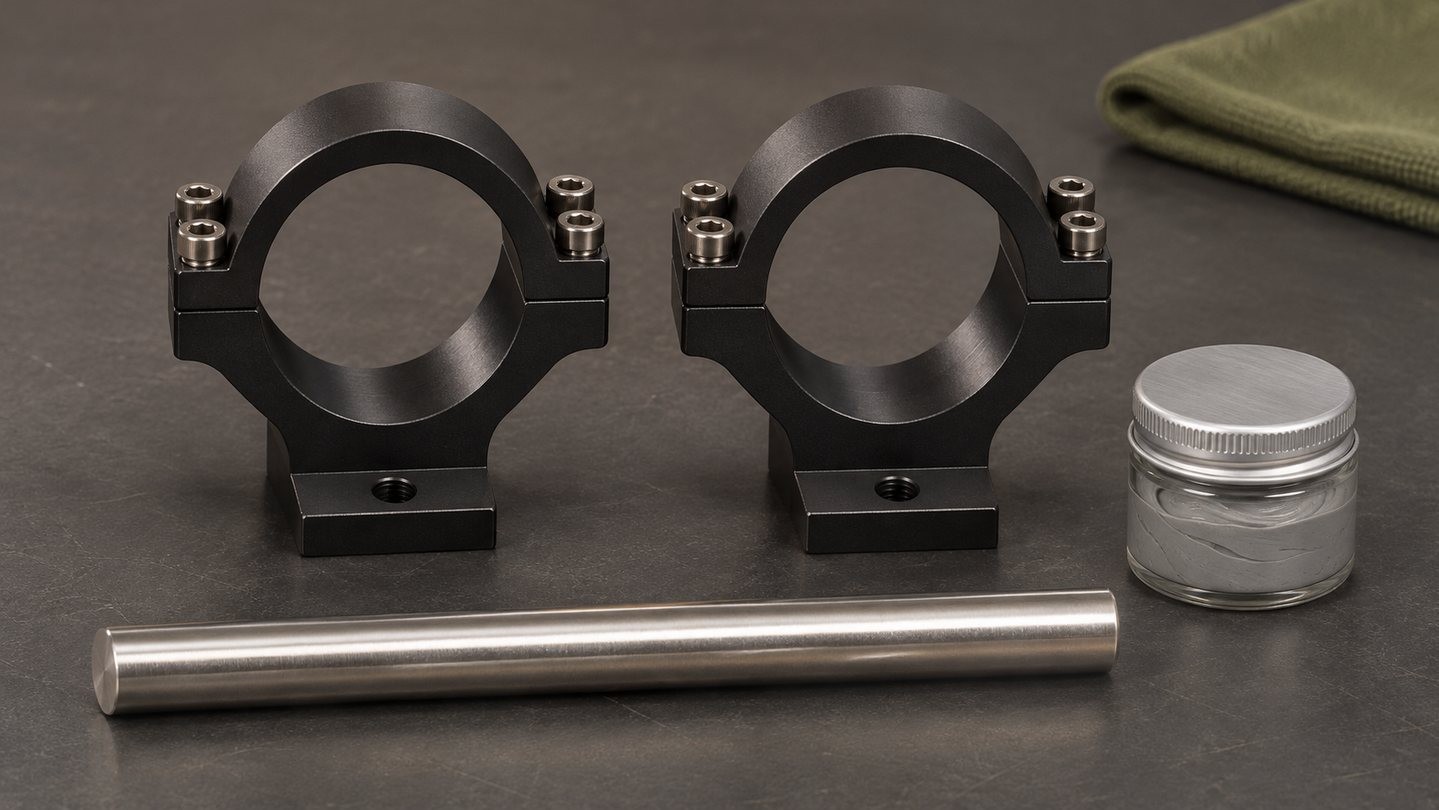
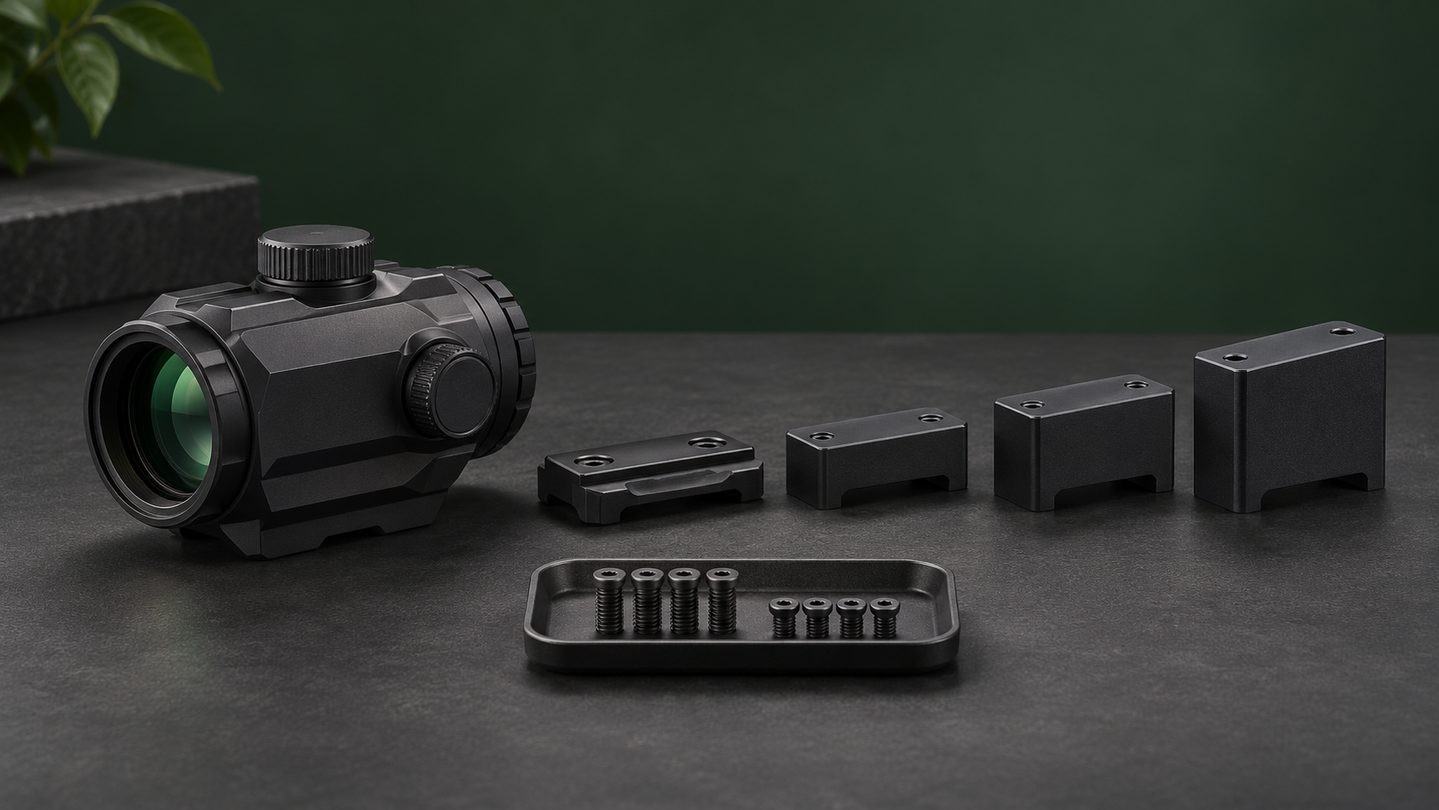
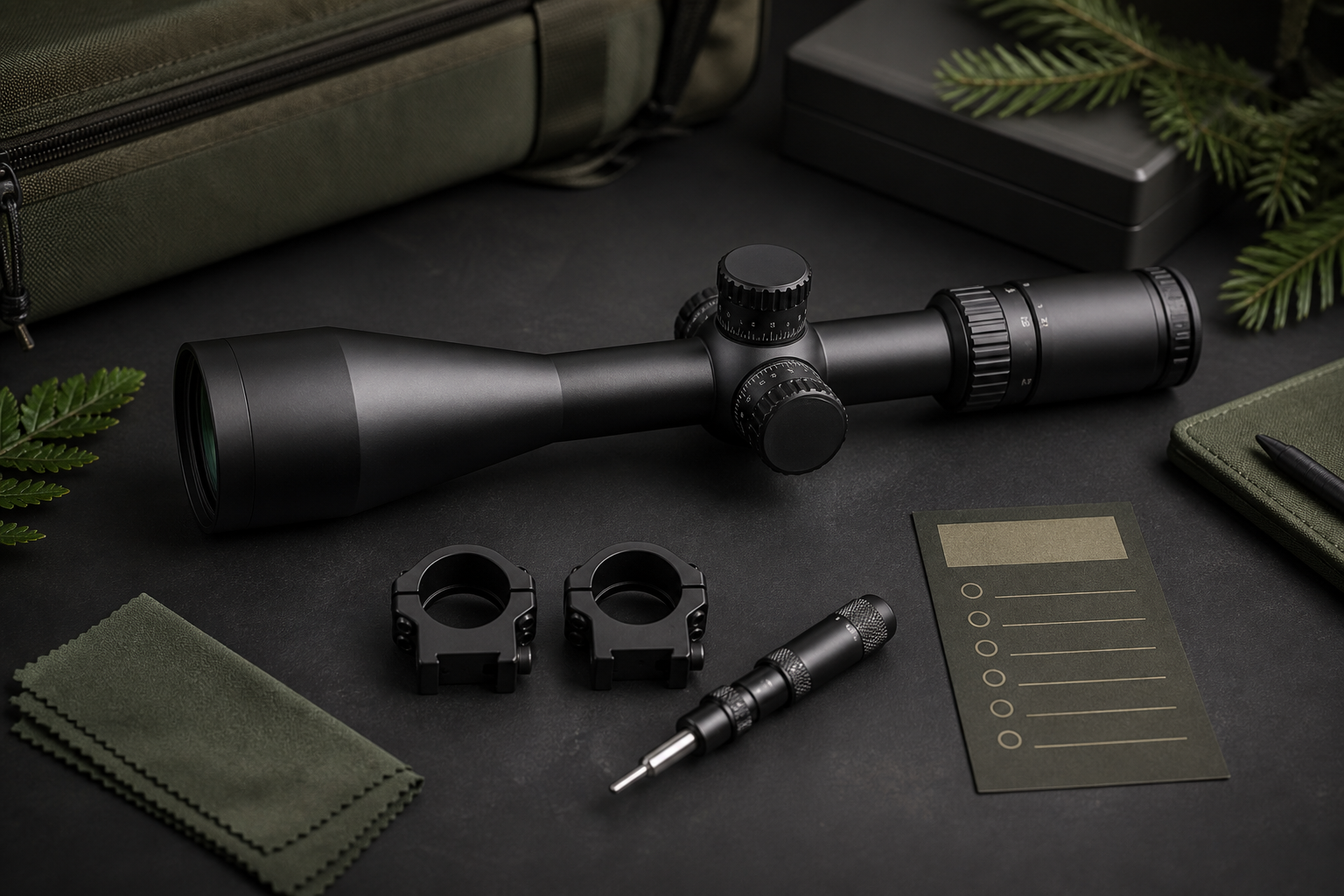
Loose screws, uneven ring pressure or an incompatible mount can allow movement that looks like an optic failure. Excessive tightening can damage the tube or adjustment system. A fair check begins with the correct mount, clean contact surfaces and the exact torque instructions for those components.
Warranty language also matters
A strong warranty can reduce ownership risk, but it does not change the physical limit of a product. Read what is covered, who pays shipping, whether proof of purchase is required and which kinds of misuse or modification are excluded. Marketing summaries are not a substitute for the current written terms.
A better buying checklist
- Is a test method or limit published for the exact model?
- Does the claim address repeated use or only a single event?
- Is zero retention mentioned separately from physical survival?
- Are mounting and torque instructions clear?
- What does the current warranty actually cover?
“Shockproof” is a starting point, not a complete verdict. Specific methods, repeatable results and clear service terms provide much stronger evidence than the label alone.
For more category-level comparisons, browse Sporting Optics or continue with the USEEIN Buying Guides.


Leave a comment